Showing posts with label First Carlist War. Show all posts

Thursday, 8 October 2026

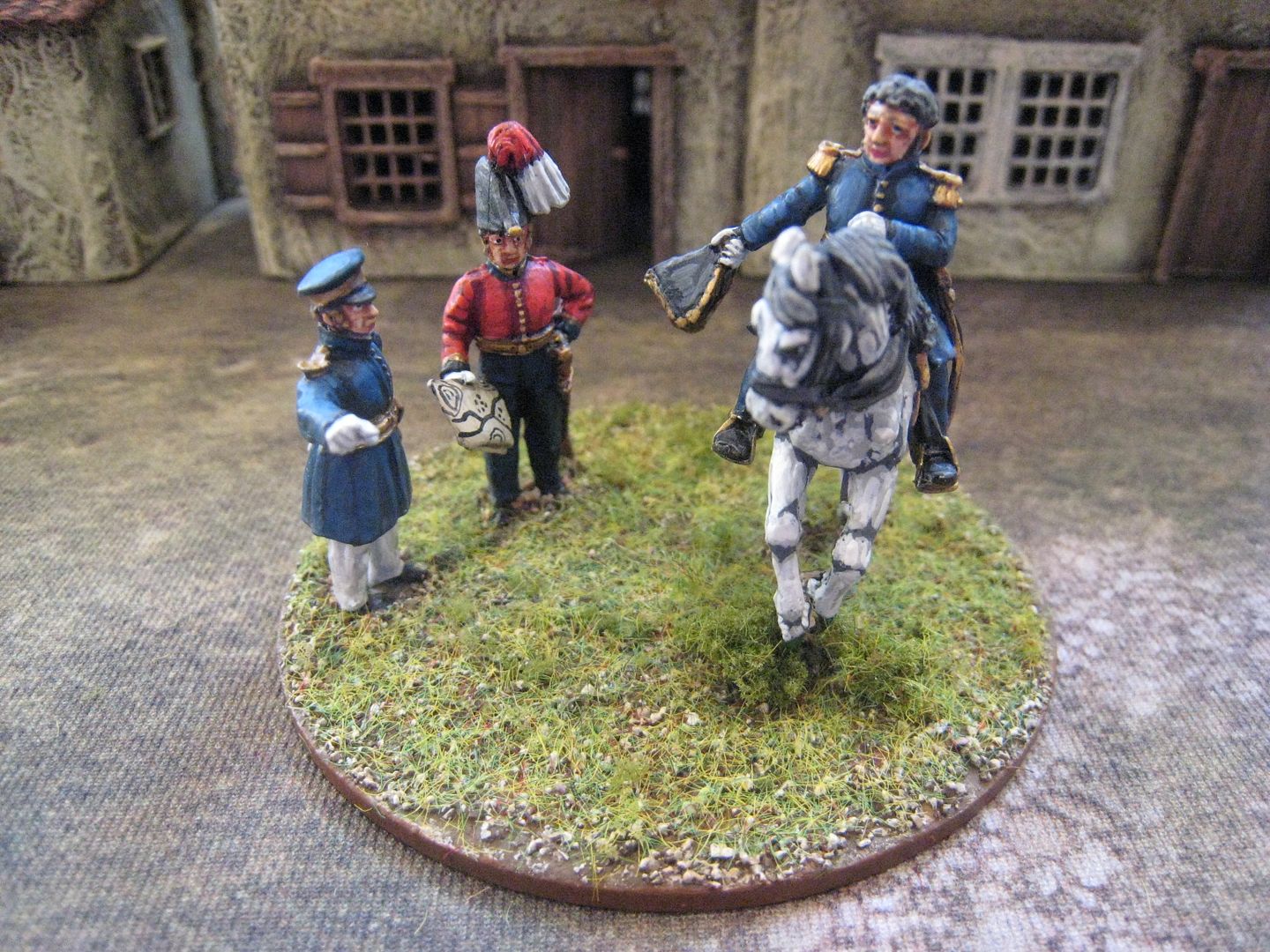
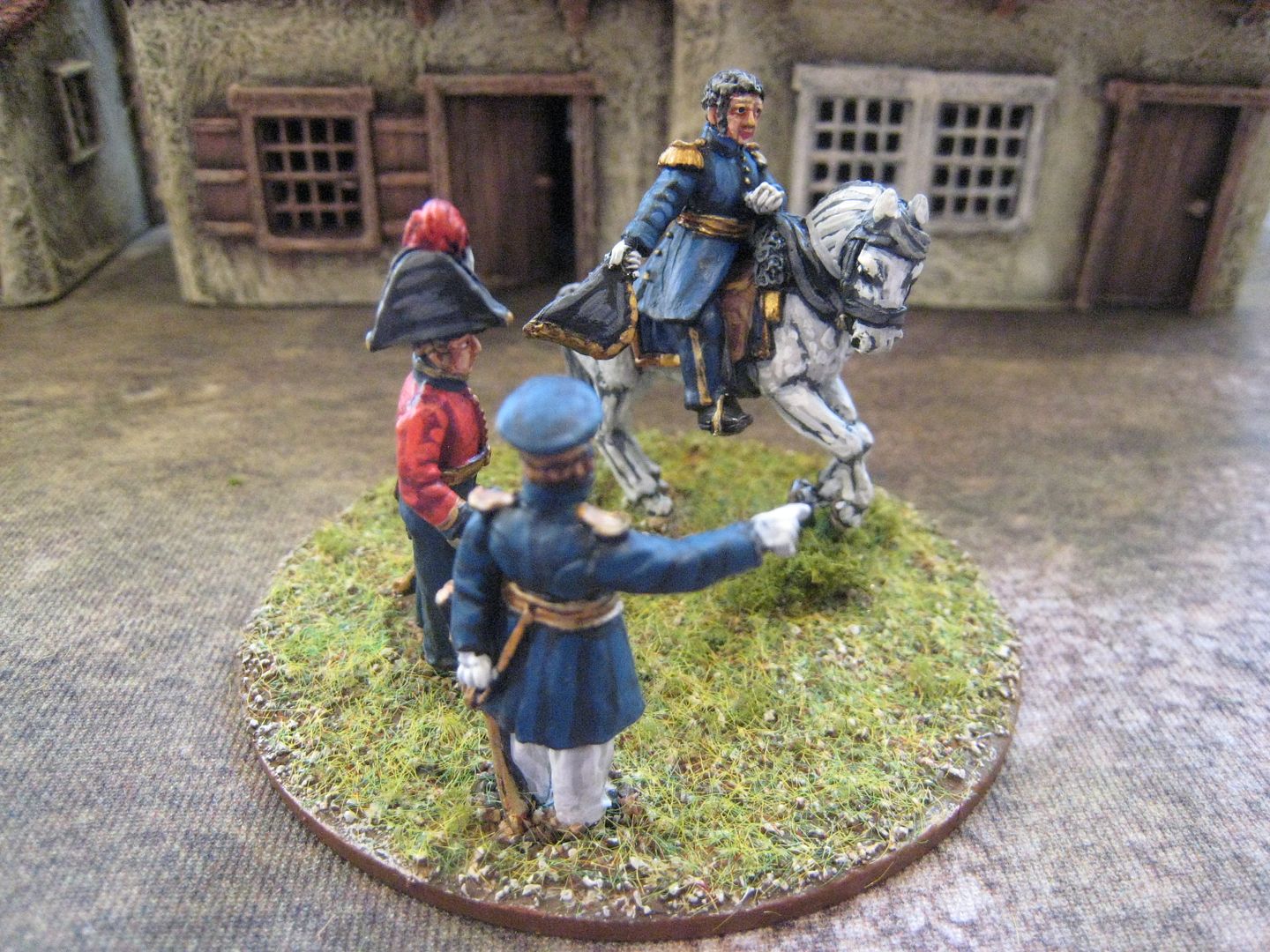
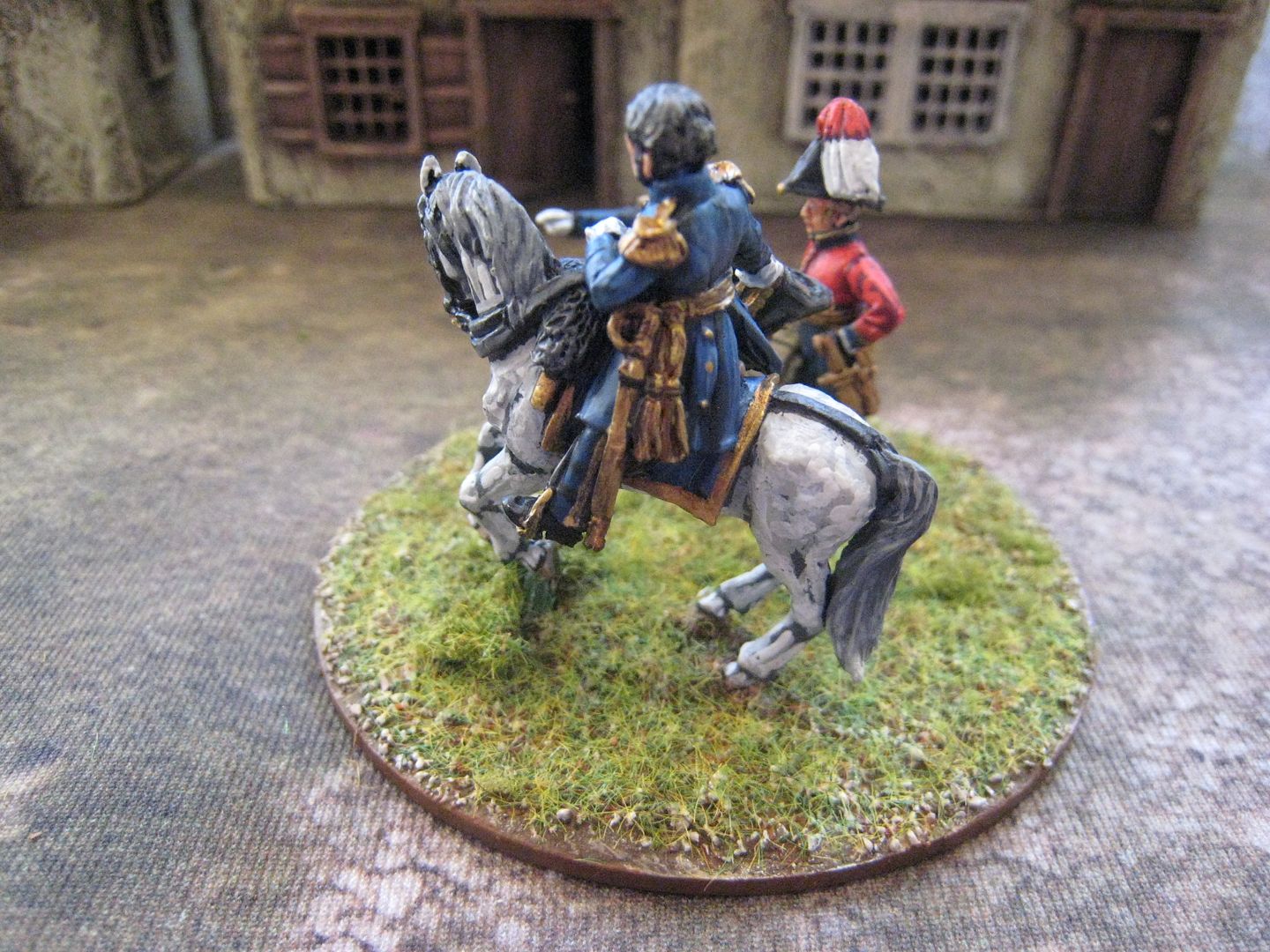
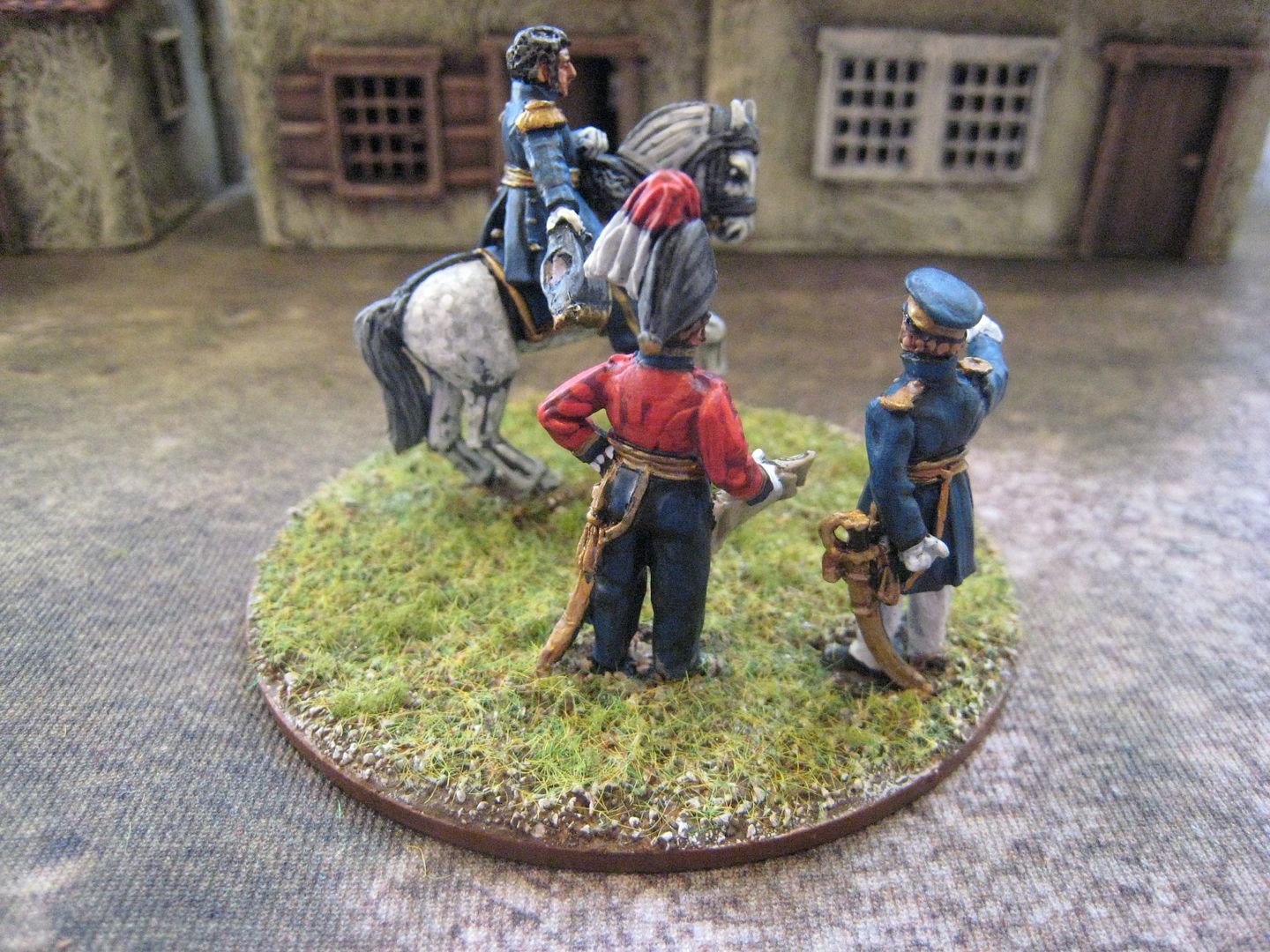
Don Sebastião Gabriel of Bourbon and Braganza

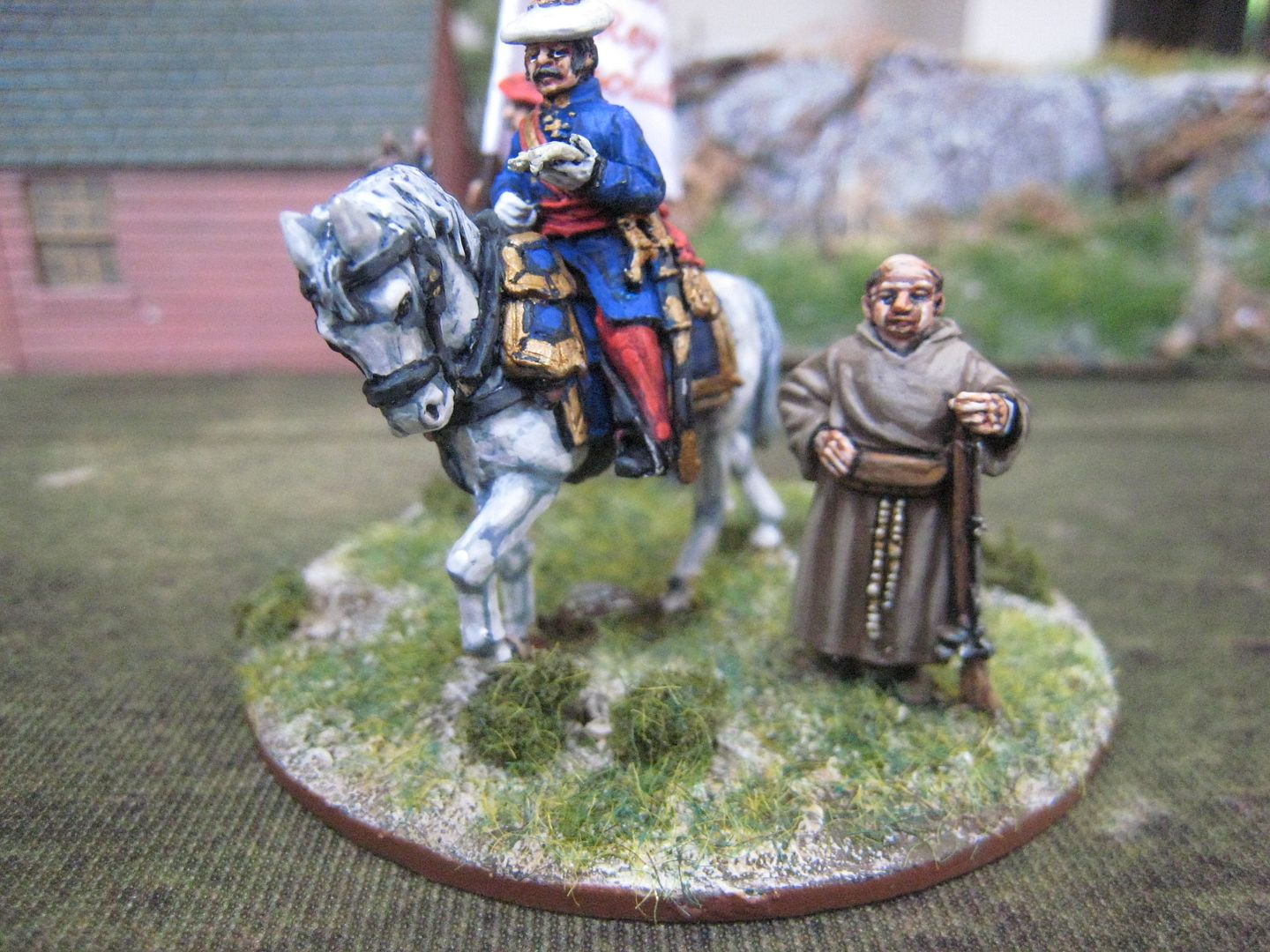
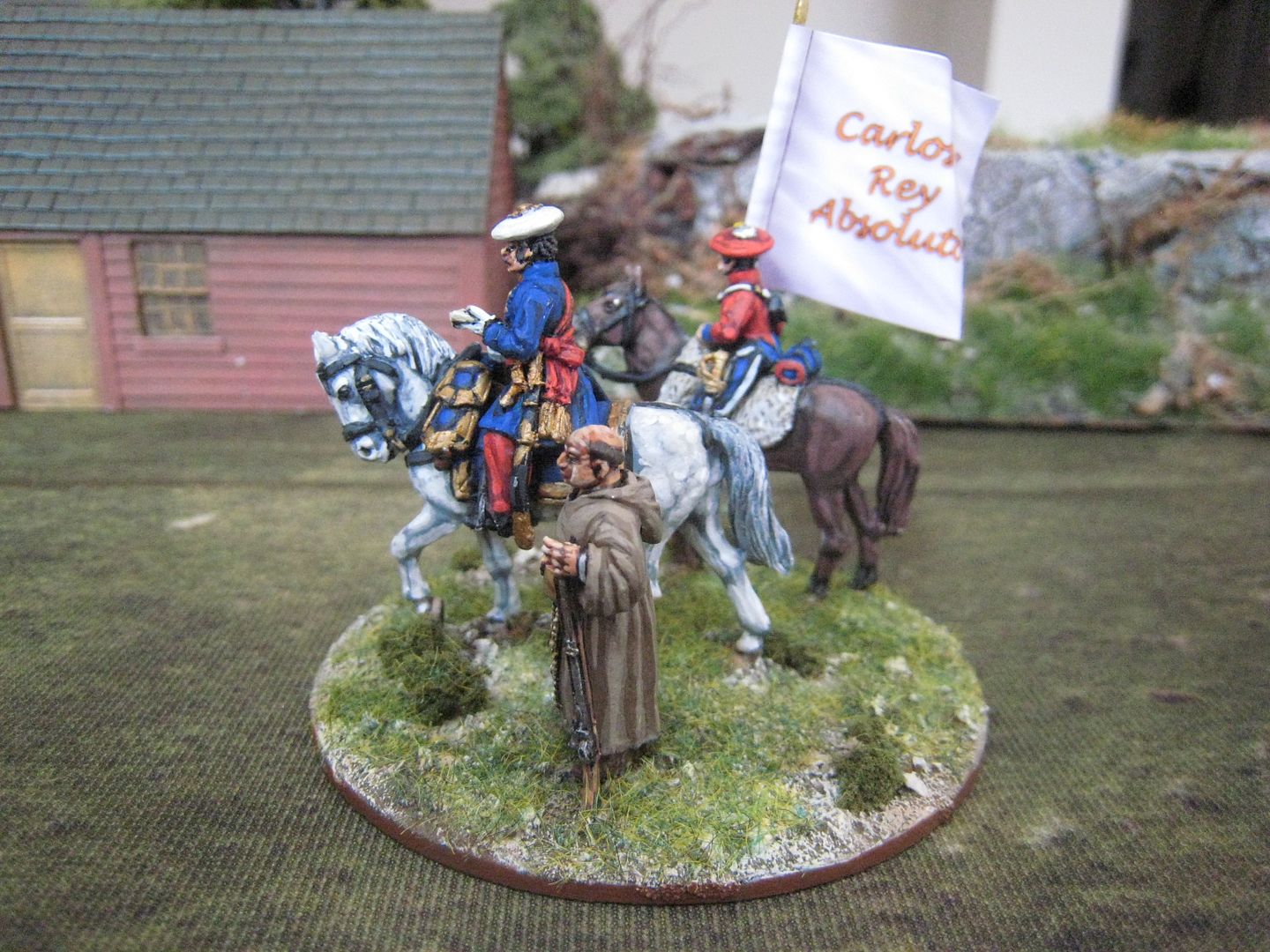
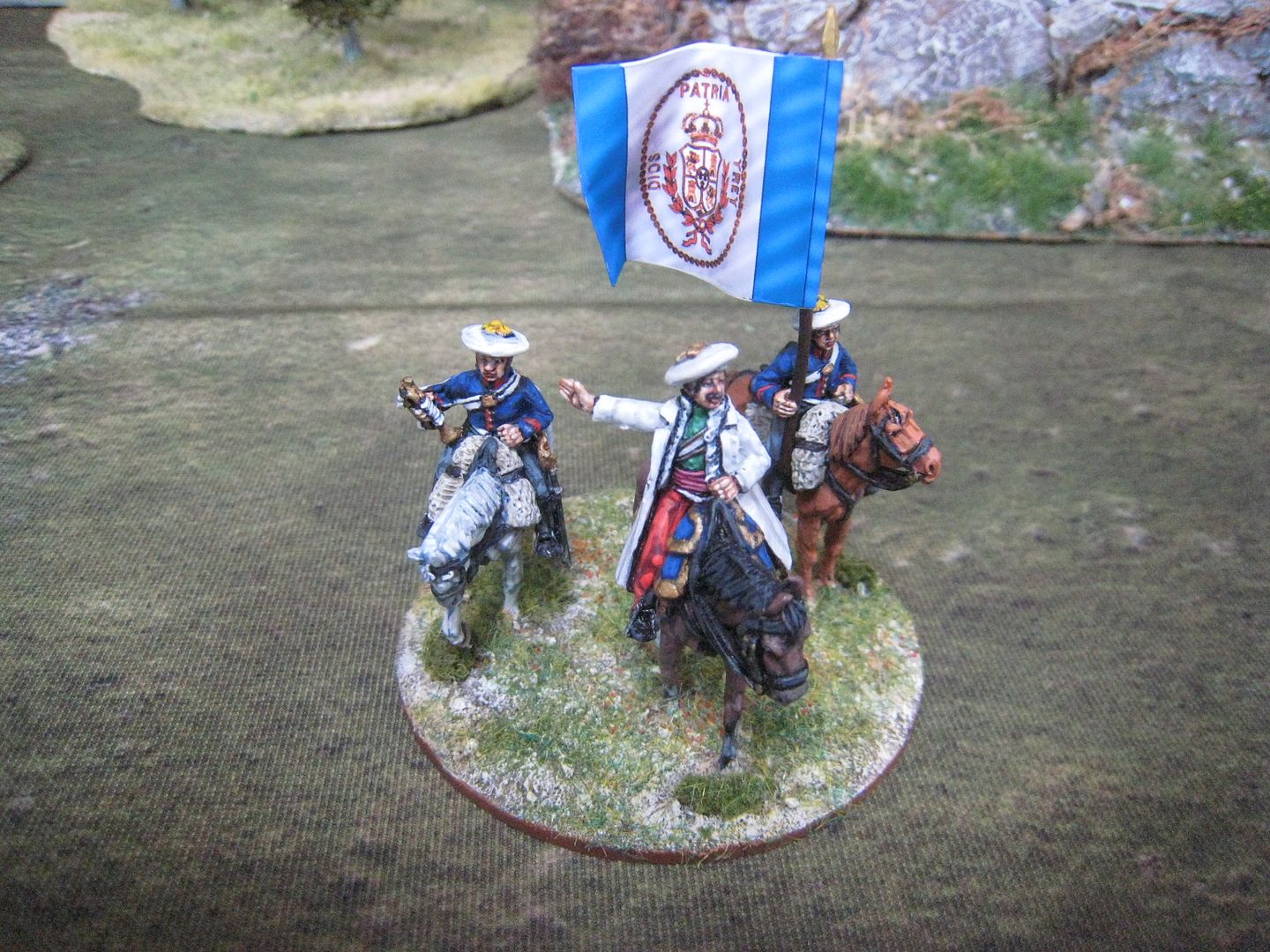
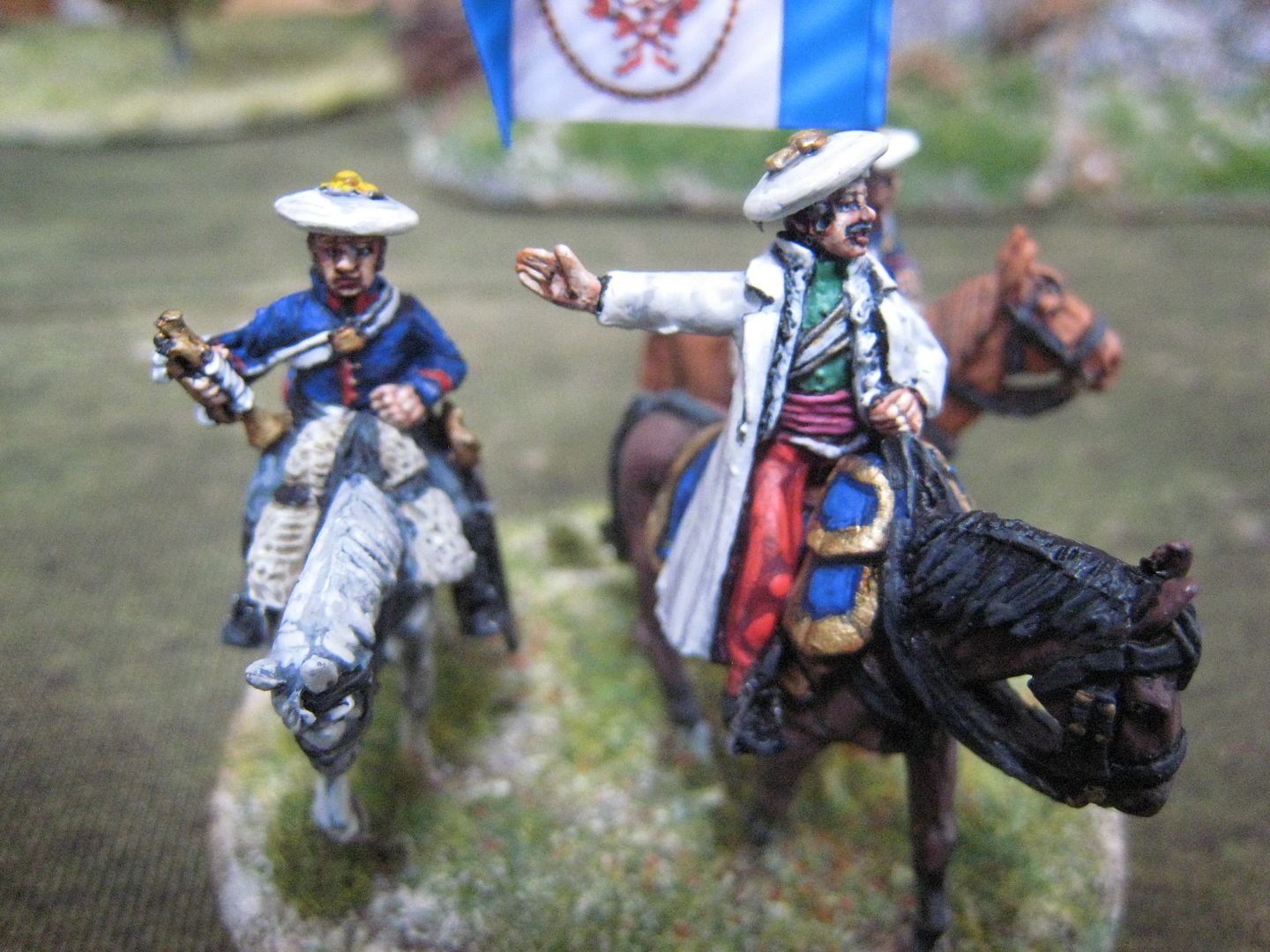
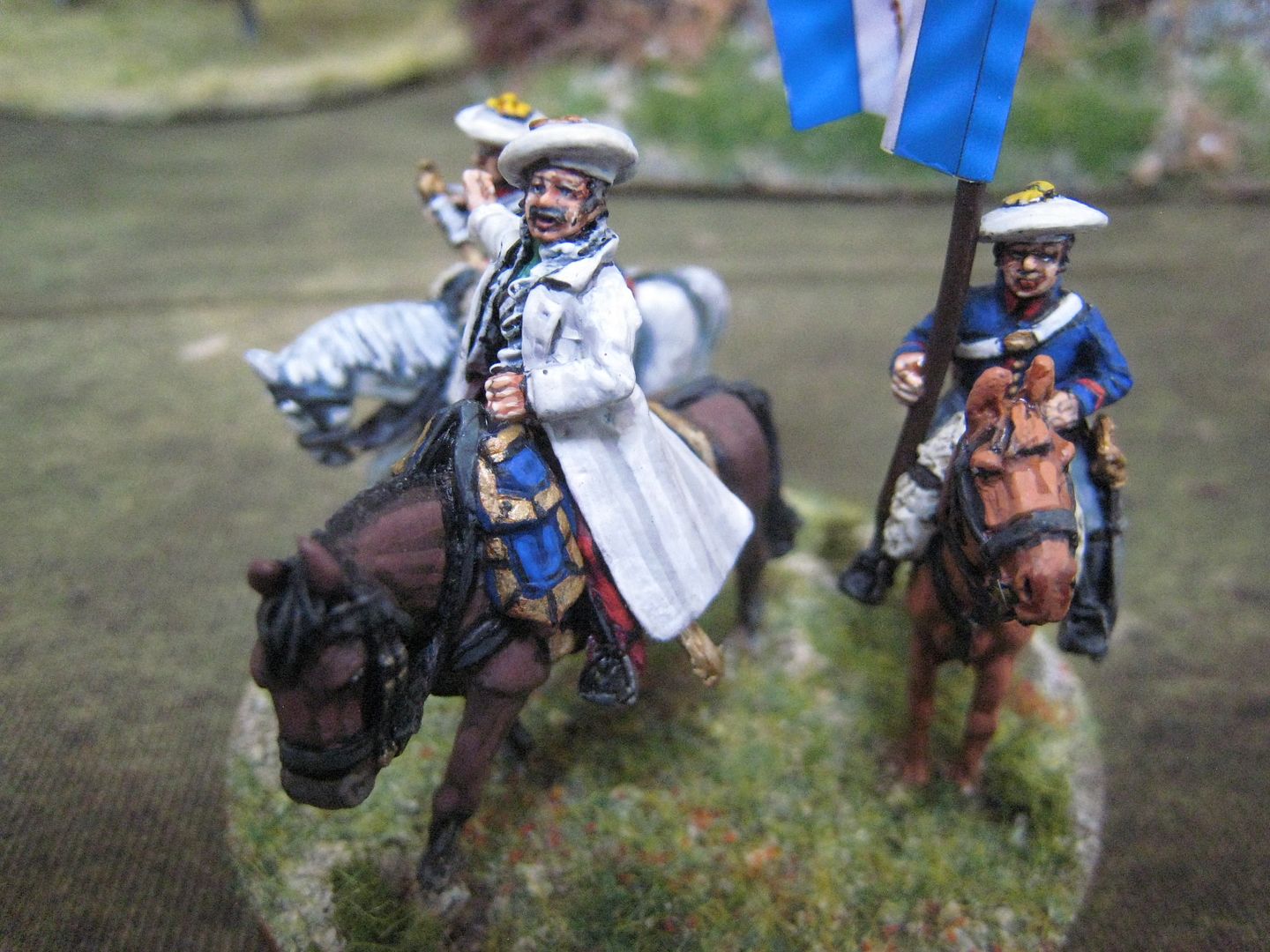
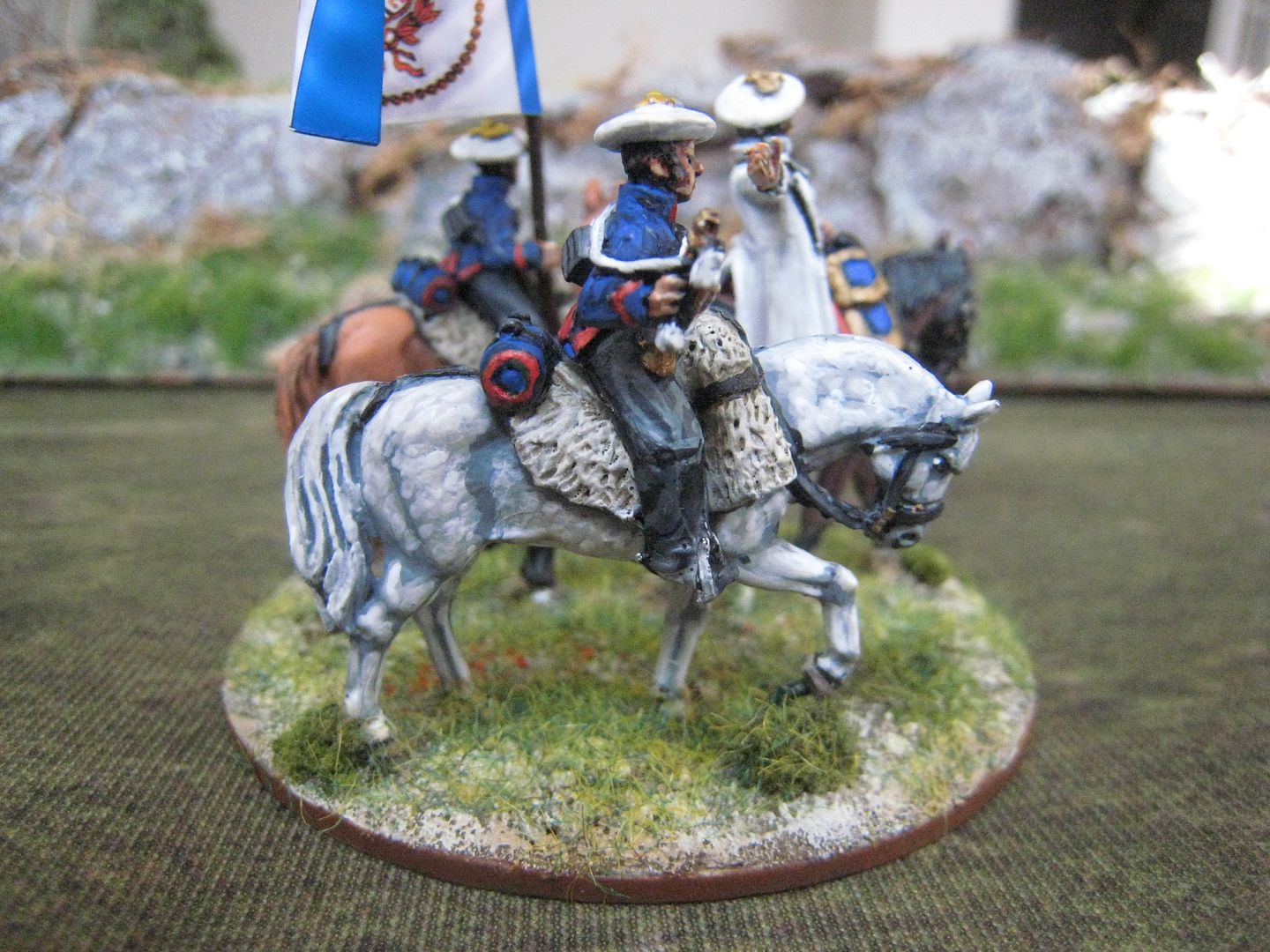
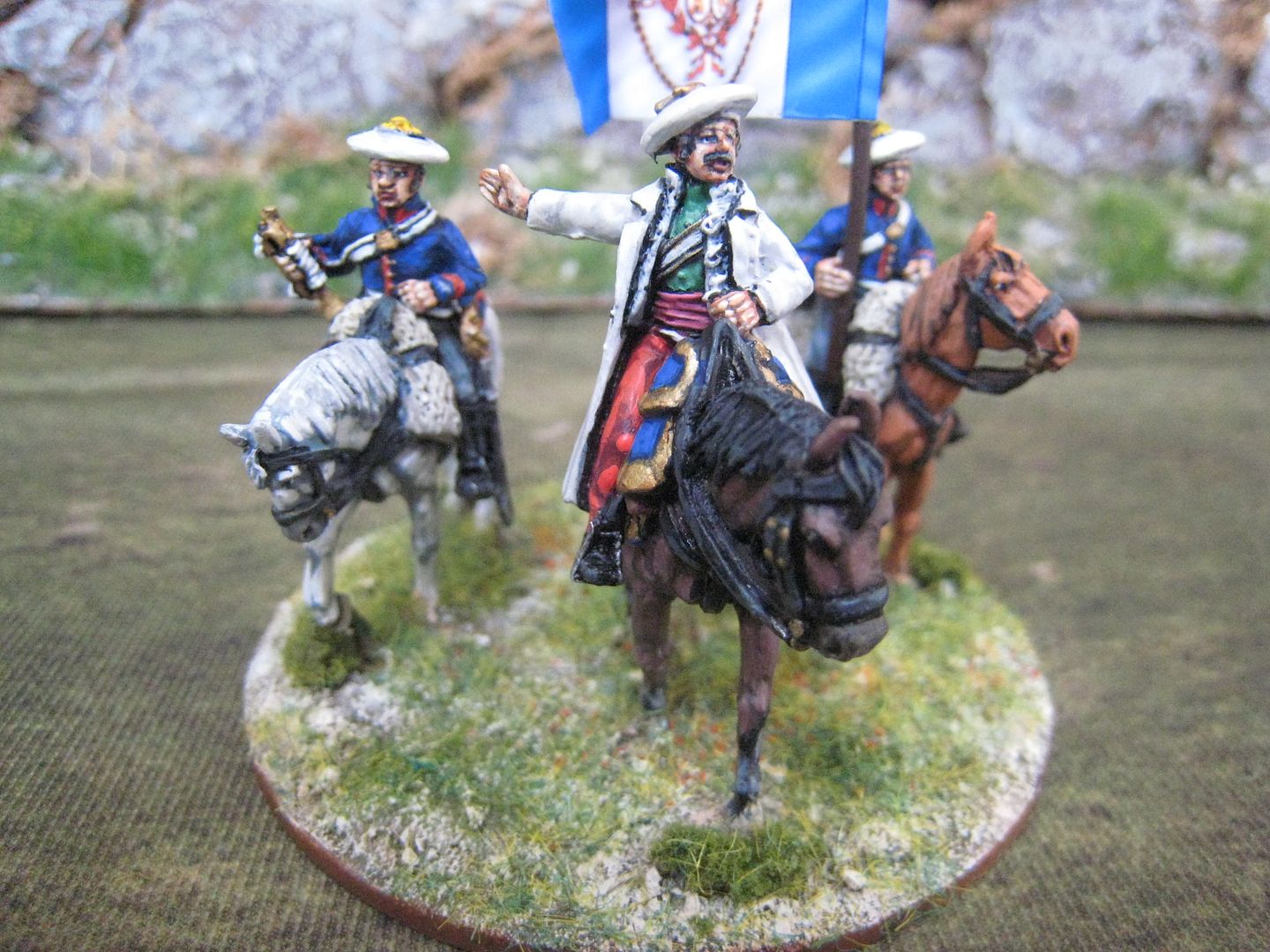
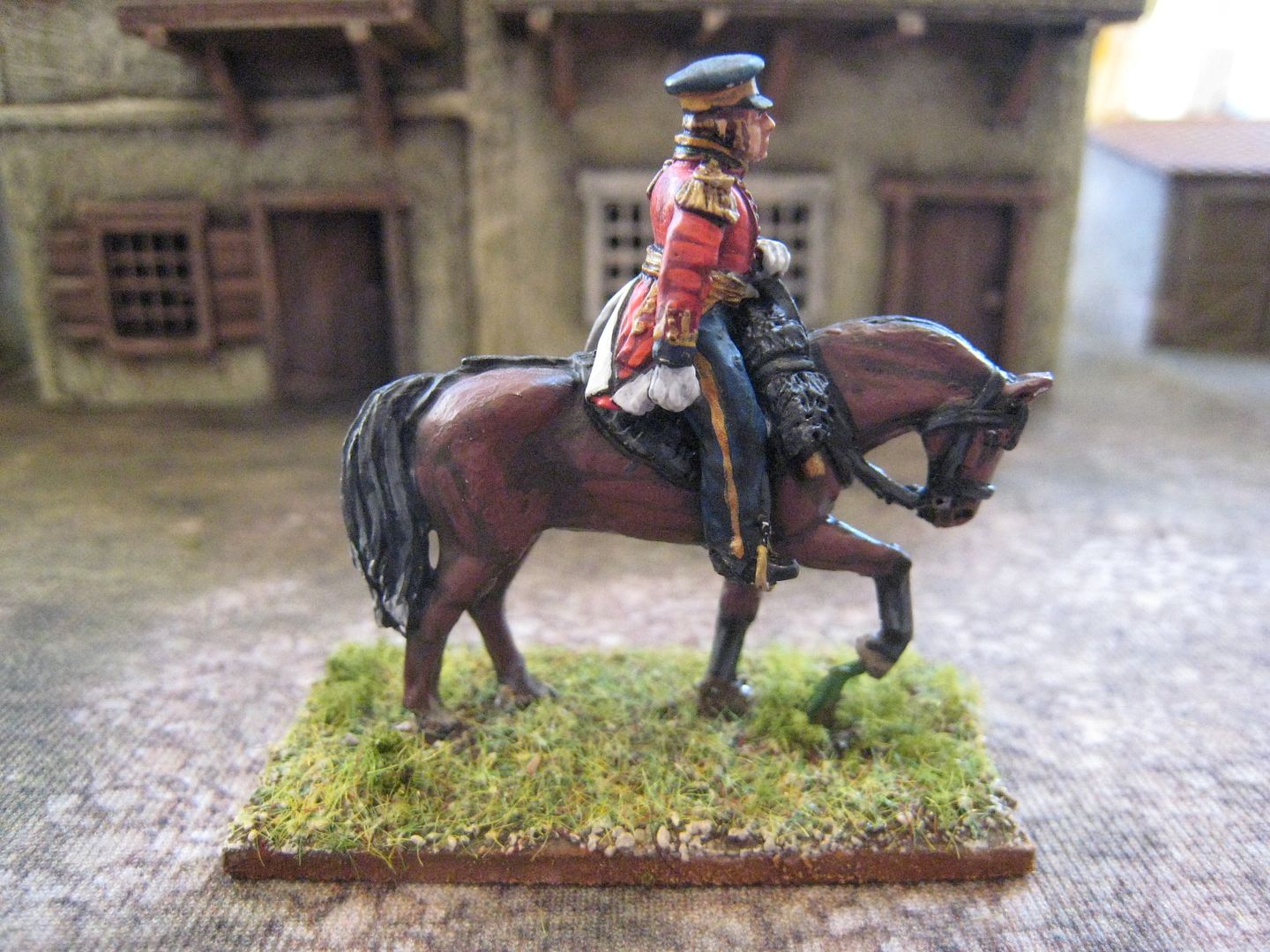
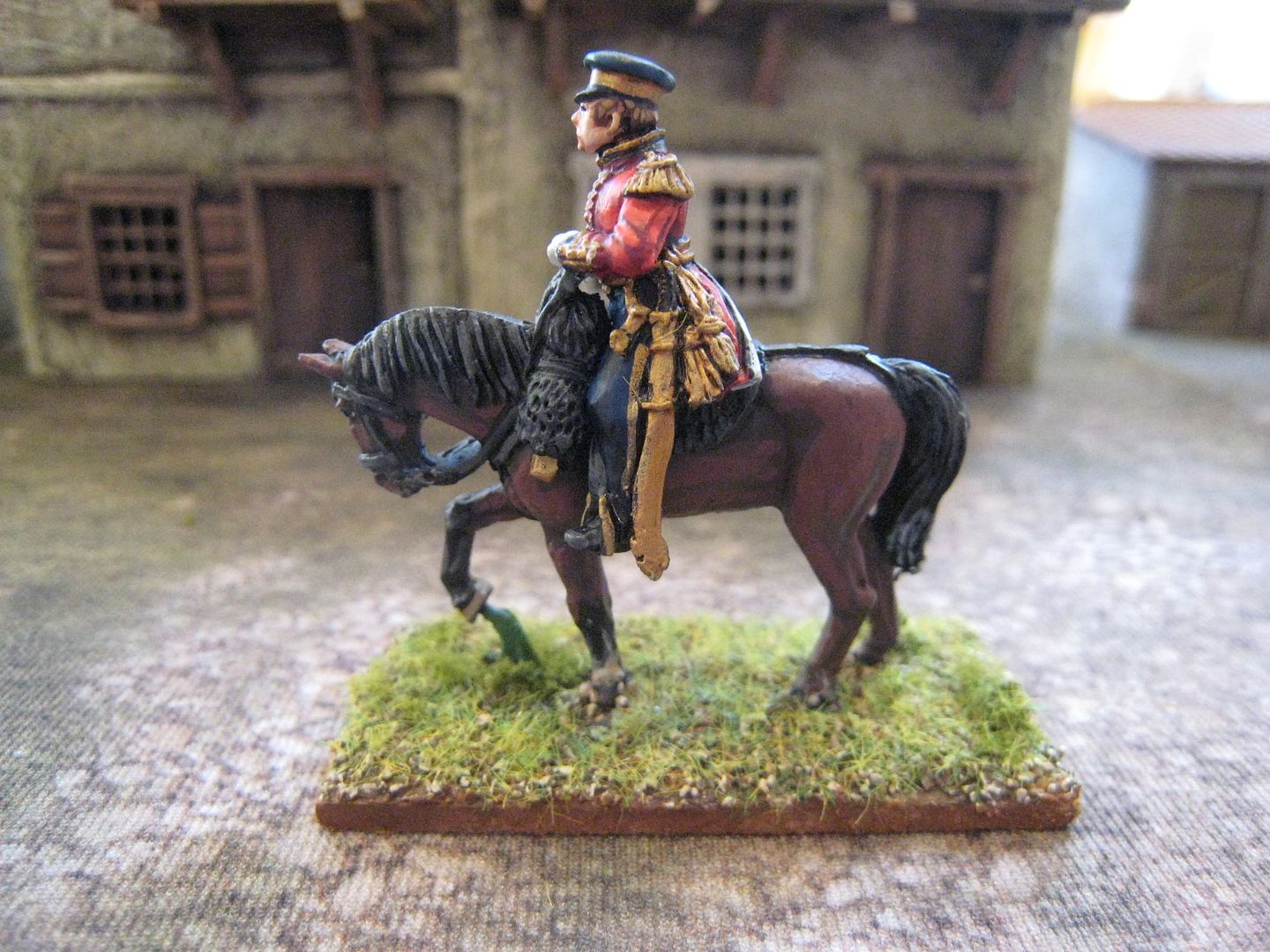
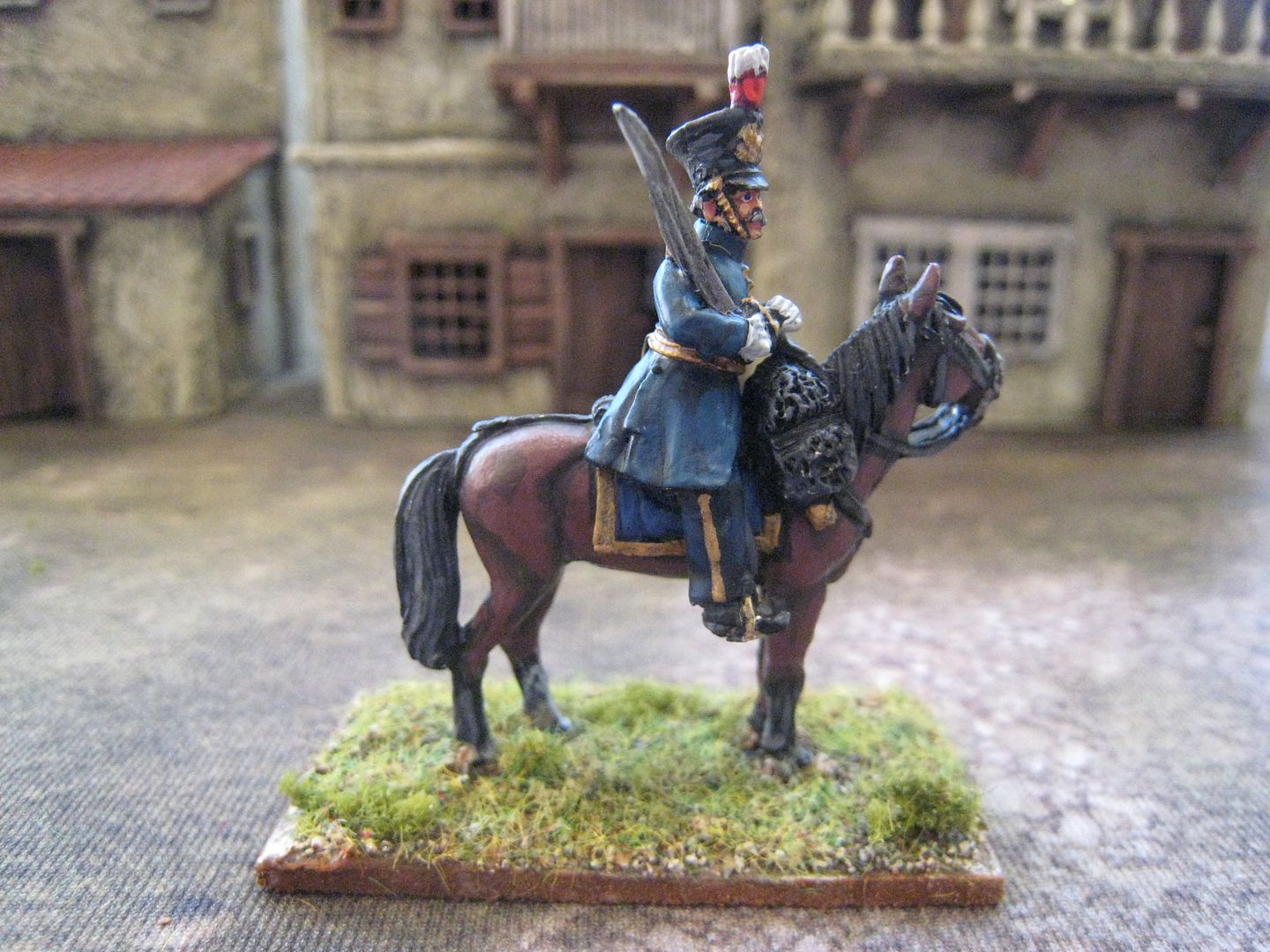
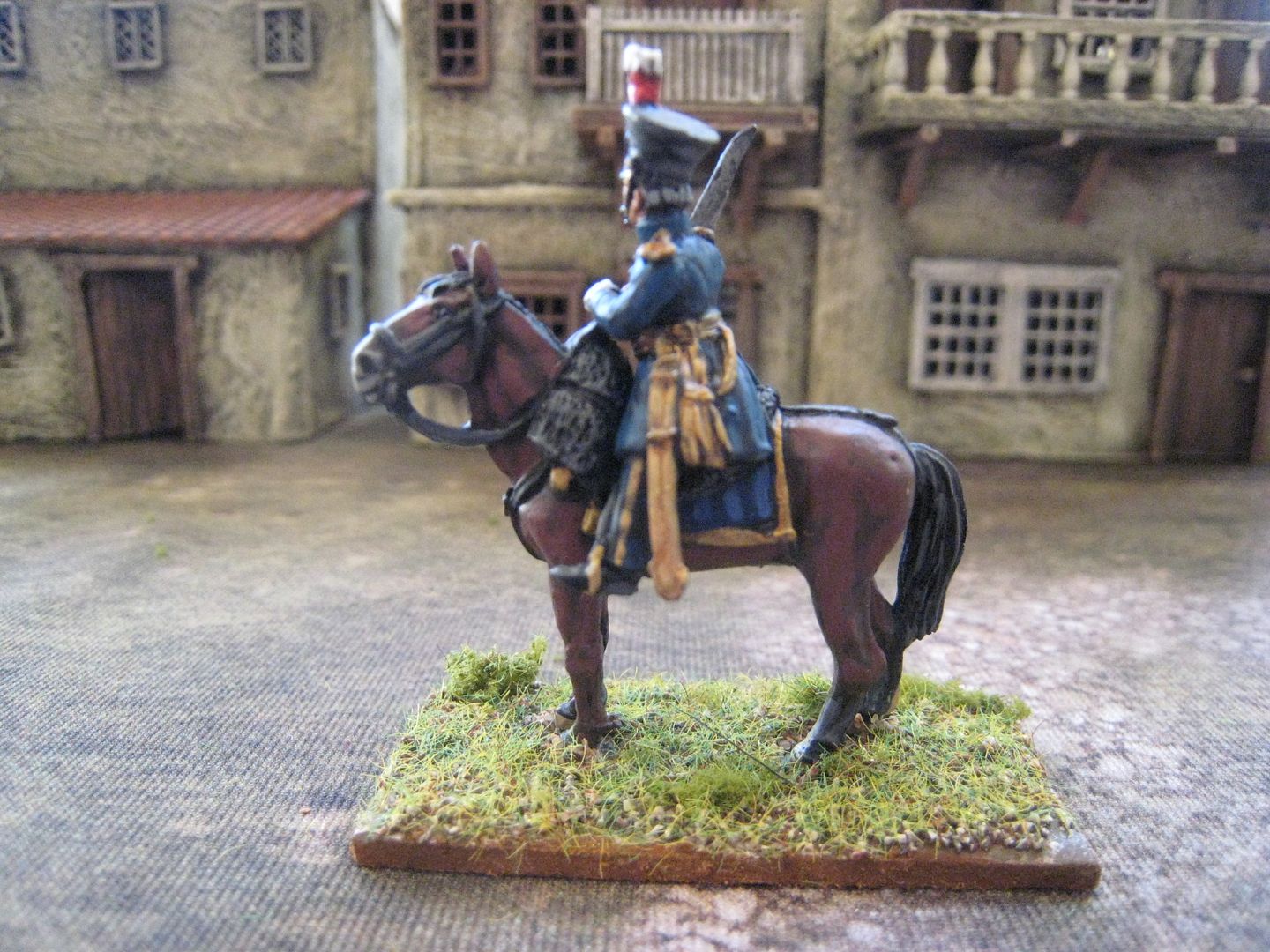
This is the third of my Carlist general vignettes. I have Don Carlos himself still to do, but unfortunately one of his arms snapped off during undercoating, so he's going to have to wait a bit. In the meantime, we have this chap, who I'm just going to call "Don Sebastian" for short (as per the Perries' website). He was born in 1811, the only child of Maria Teresa of Portugal, the daughter of King John VI. His father, Don Pedro Carlos, was a the grandson of King Charles III of Spain and Queen Maria I of Portugal. His mother was a fervent believer in the Carlist cause, as Don Carlos himself was her uncle. The young Don Sebastian no doubt saw an opportunity for adventure and, presumably as a result of his grand-uncle's patronage, took command of the Carlist Army of the North in December 1836. 

He won a famous victory over combined Isabelino and British Auxiliary Legion forces at Oriamendi on 16 March 1837. However, he consequently led his army on an expedition down to Madrid, which was not a success. He appears to have been removed from command in 1837 and it's difficult to find out what he got up to subsequently. Having been stripped of all his titles as a result of joining Don Carlos, he was reinstated as a Spanish prince in 1859. He died in 1875.

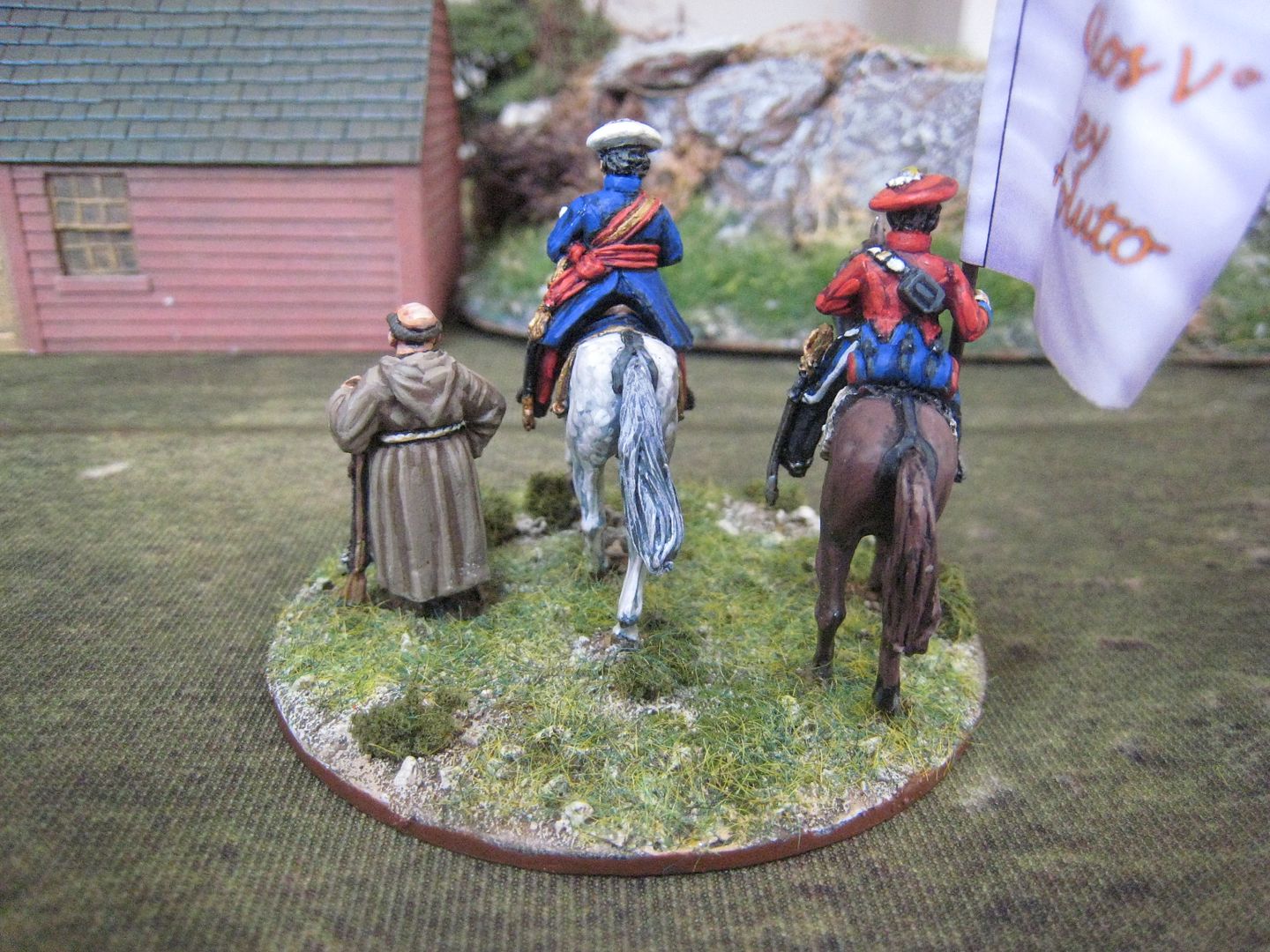
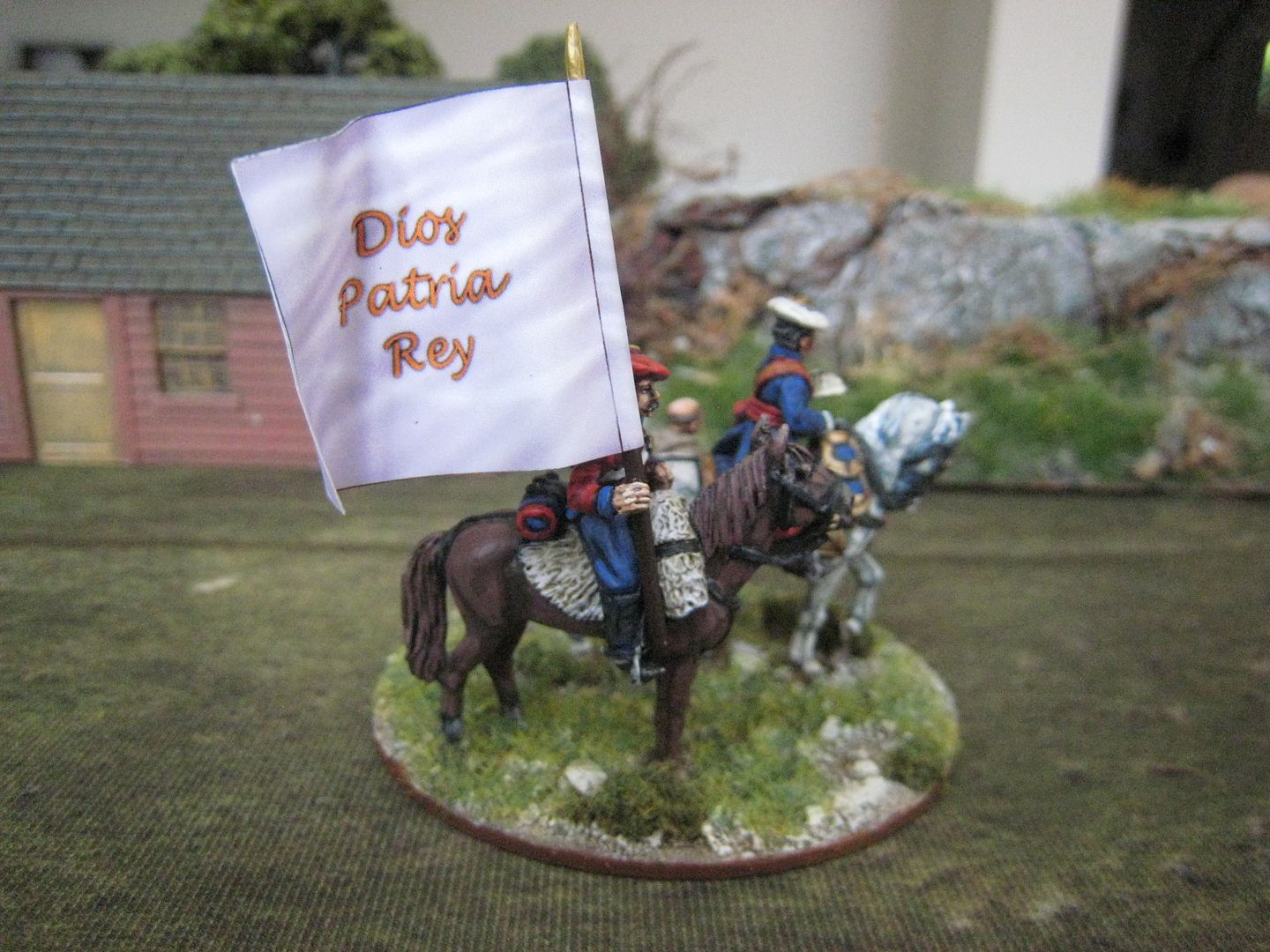
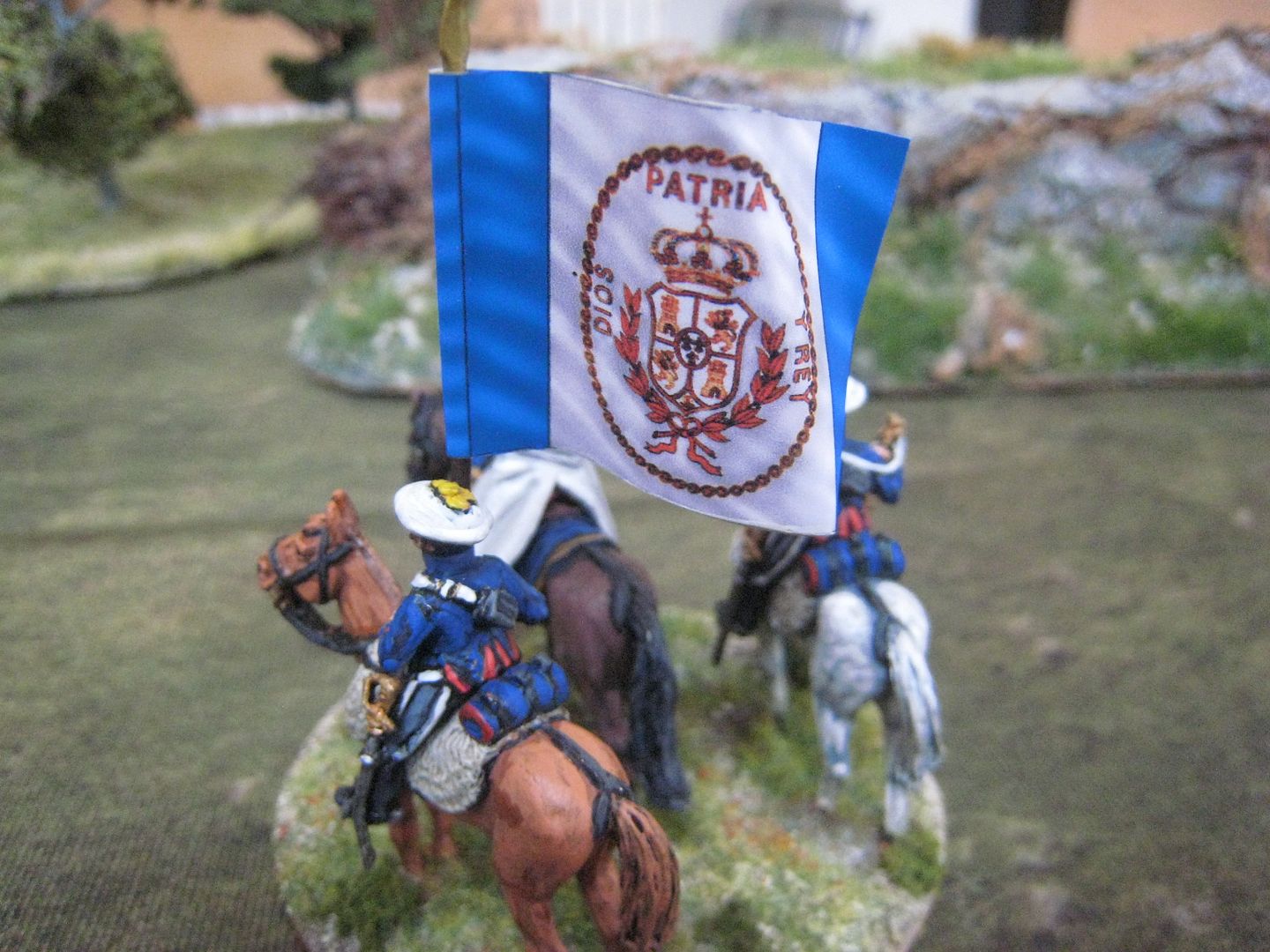
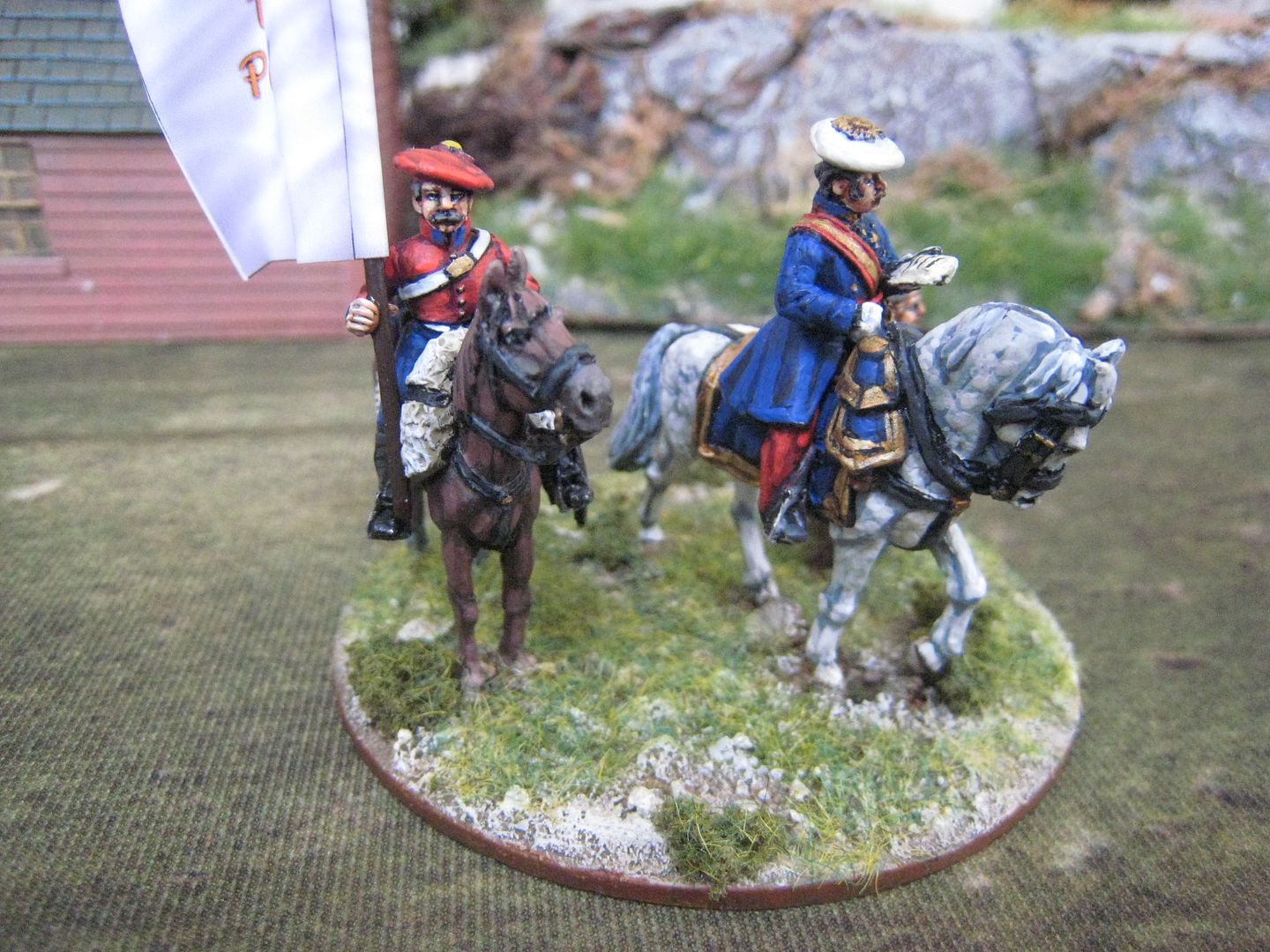
In this vignettes, Don Sebastian is accompanied by an ensign in the uniform of what Conrad Cairns' book describes as a "volunteer lancer" and a priest (all Perry figures). I think the Don Sebastian figure looks a bit old for the 25 year old who won the Battle of Oriamendi; or maybe that's just the result of my painting! The pack of priests is a good source of figures to add to vignettes; I've saved a couple to add to Don Carlos' stand when I get around to it.      

Three figures. Painted December 2025. Flag from Adolfo Ramos.


Monday, 5 October 2026

General Tomás de Zumalacárregui

Tomas de Zumalacarregui (1788-1835) was born in the Basque region of Spain. When the French invaded in 1808 he joined the guerillas and fought in the sieges of Saragossa. He decided that the guerilla life was not for him and he joined the regular army for the duration of the war. The military life clearly appealed as he remained in the army after Spain was liberated. What he didn't like, however, were the liberal ideals of the Spanish government and it seems that his political views prevented him advancing from the rank of captain that he had achieved during the Napoleonic Wars. However, these issues were ironed out and by 1825 he was a lieutenant-colonel in the early 1830s became military governor of the port city of Ferrol in Galicia.

When the Carlist War broke out, Zumalacarregui was a natural supporter of Don Carlos and accepted command of the forces in Navarre. Those "forces" consisted of a few units of guerillas and irregulars, but by 1835 Zumalacarregui had raised and trained up a decent army of some 30,000. He won several victories but was ordered to secure Bilbao went he wanted to march on Madrid. It was during the siege of Bilbao that Zumalacarregui was hit in the leg by a musket ball and this led to his death in June 1835.  

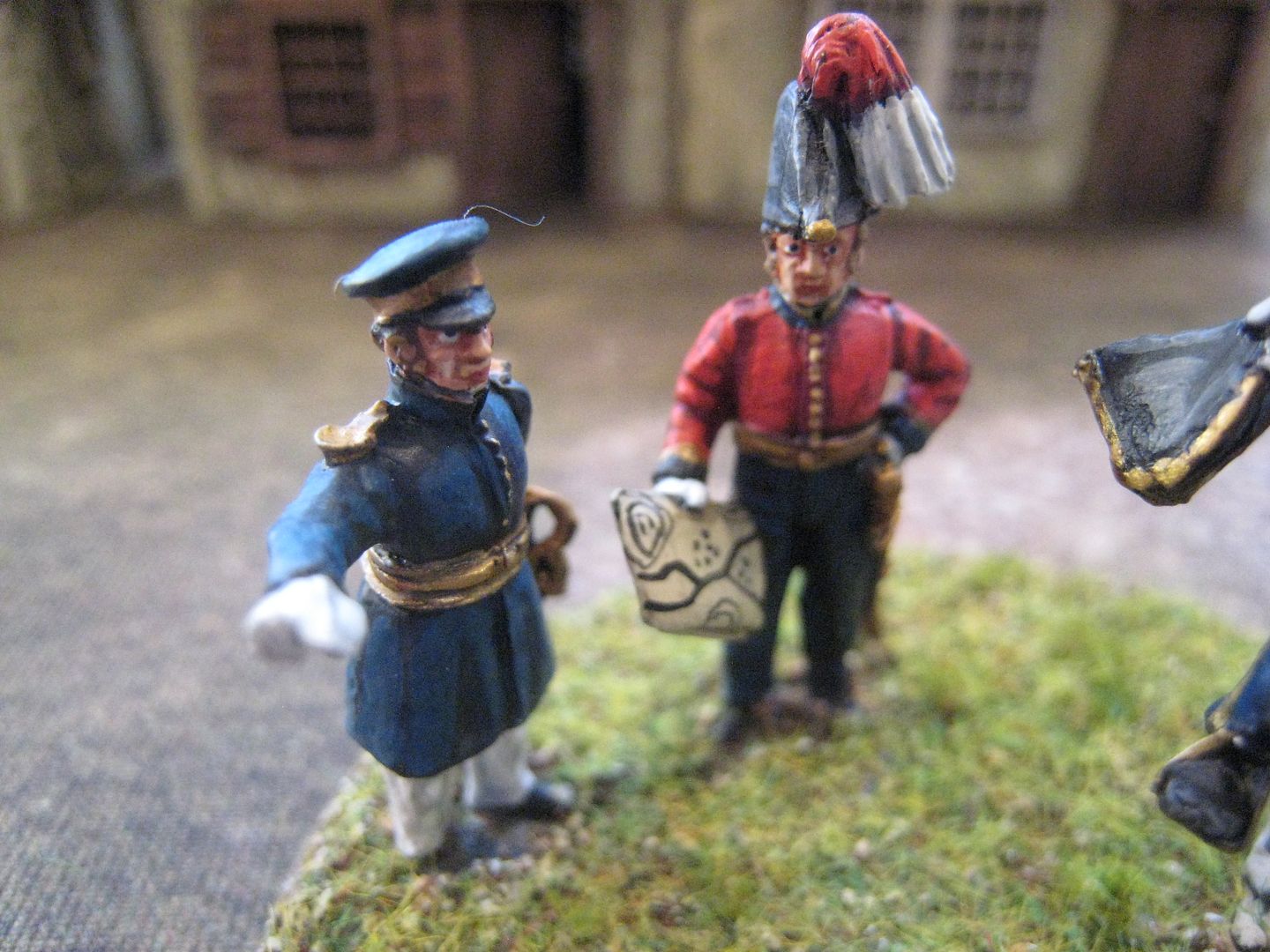
Zumalacarregui appears here with two soldiers from the Navarre Lancers as his bodyguard, in their rather fetching dark green and ren uniforms. Unlike General Cabrera, he doesn't have his own flag and I've given him a generic Carlist one.  I'm going to finish catching up on my First Carlist War pieces and will then probably try to get to grips with my Frostgrave stuff. Also recently finished are more French Napoleonics for 1815. 

Three figures. Painted December 2025. Flag from Adolfo Ramos.   


Friday, 17 July 2026

General Ramón Cabrera


Ramón Cabrera y Griñó (1806-1877) was one of the best generals on the Carlist side of the First Carlist War.  Originally a leader of a small band of Carlists, in late 1834 Don Carlos appointed him commander of all Carlist forces in Aragon. His forces won several fine victories, notably the battle of Maella in October 1838, and his Army of the Centre carried on fighting after the Army of the North had collapsed.  Cabrera seems to have held an almost fanatical belief in the Carlist cause, and he achieved some notoriety for executing prisoners. 
In 1837 Carlos granted him the title 1st Duke of Maestrazgo in recognition of his services.

Cabrera was finally forced to flee to France in July 1840. After a short period in captivity, he was allowed to go to England. Save for a brief reappearance in what is sometimes called the "Second Carlist War" of 1846-1848, he remained there until his death in 1877. By that time, he had essentially renounced his belief in the Carlist cause and urged Carlos to submit to the authority of King Alfonso XII and end the civil wars. Cabrera, together with his English wife, is buried in a church at Virginia Water in Surrey (which isn't that far from the place where King John signed Magna Carta in 1215).  

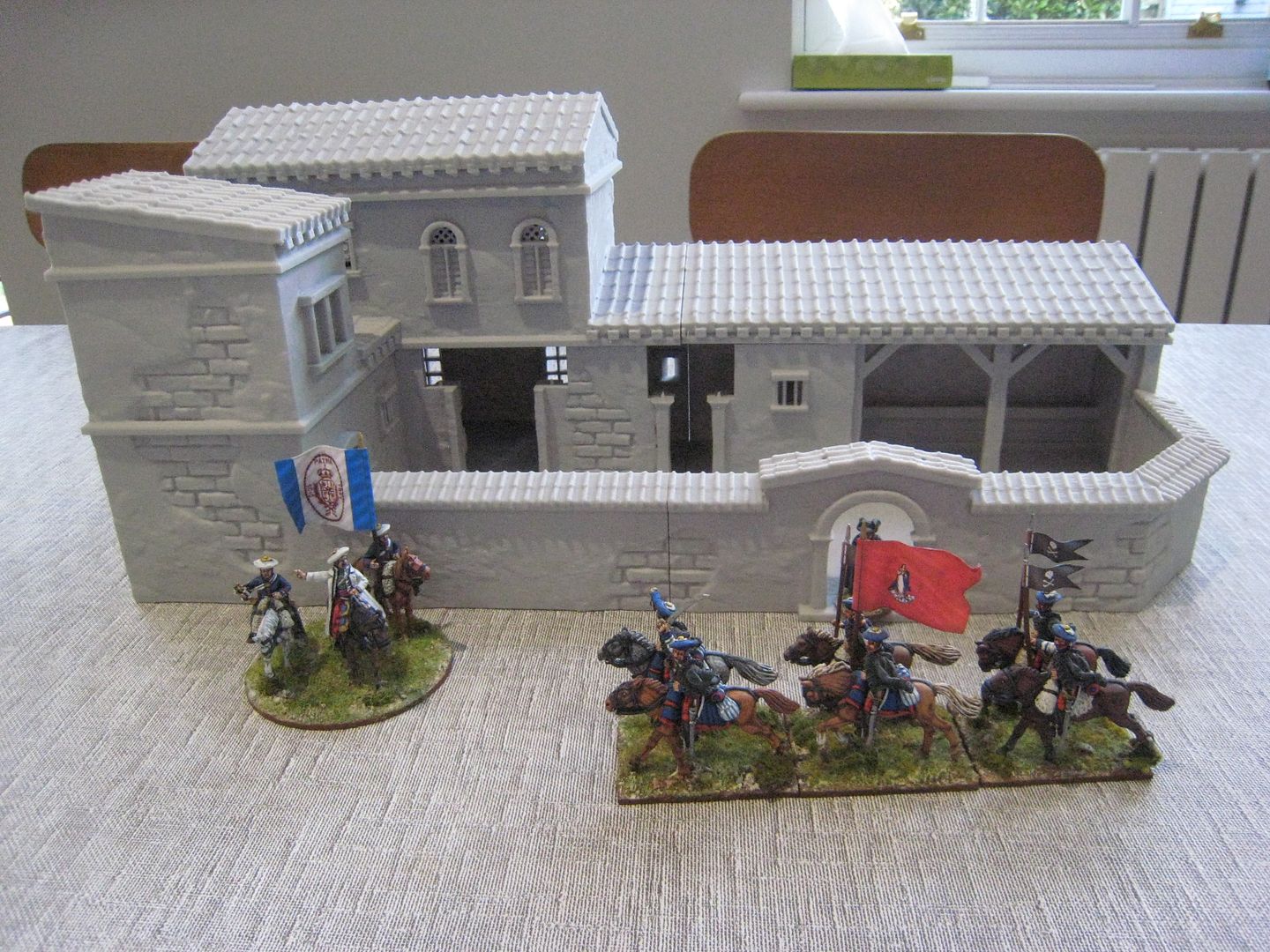
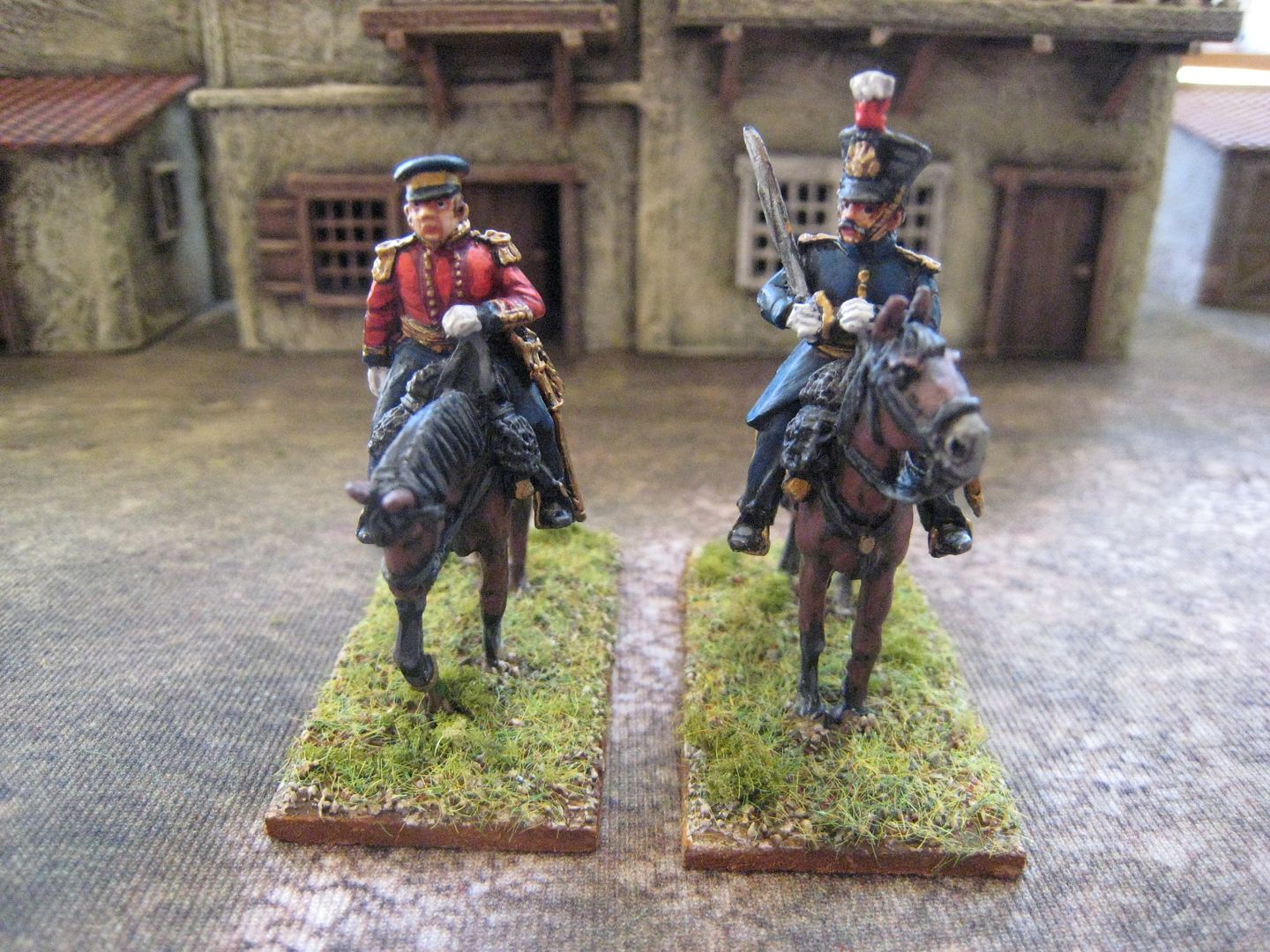
Cabrera is presented here with two cavalrymen from the Tortosa Lancers. One of them carries a standard that is known to have been used by the Army of the Centre and has been identified with Cabrera. I don't know whether it was personal to Cabrera or was carried by army units themselves. This post was written somewhat in haste as I fly off to Oz today. There's much more to Cabrera's biography than the above. 

3 figures, painted December 2025. Flag from Adolfo Ramos.


Standing outside some 3D printed stables, which I'll blog about separately:


Monday, 6 July 2026

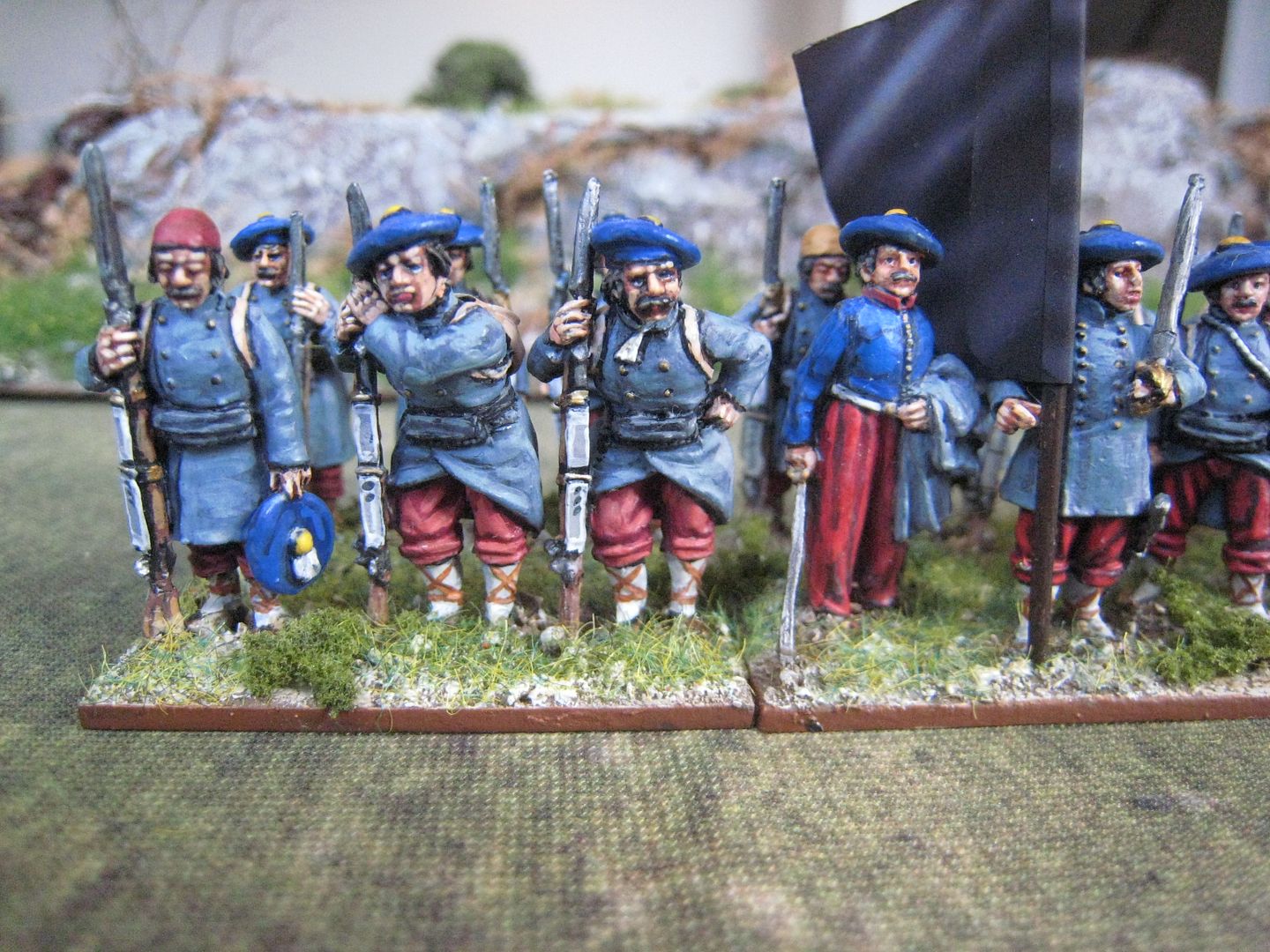
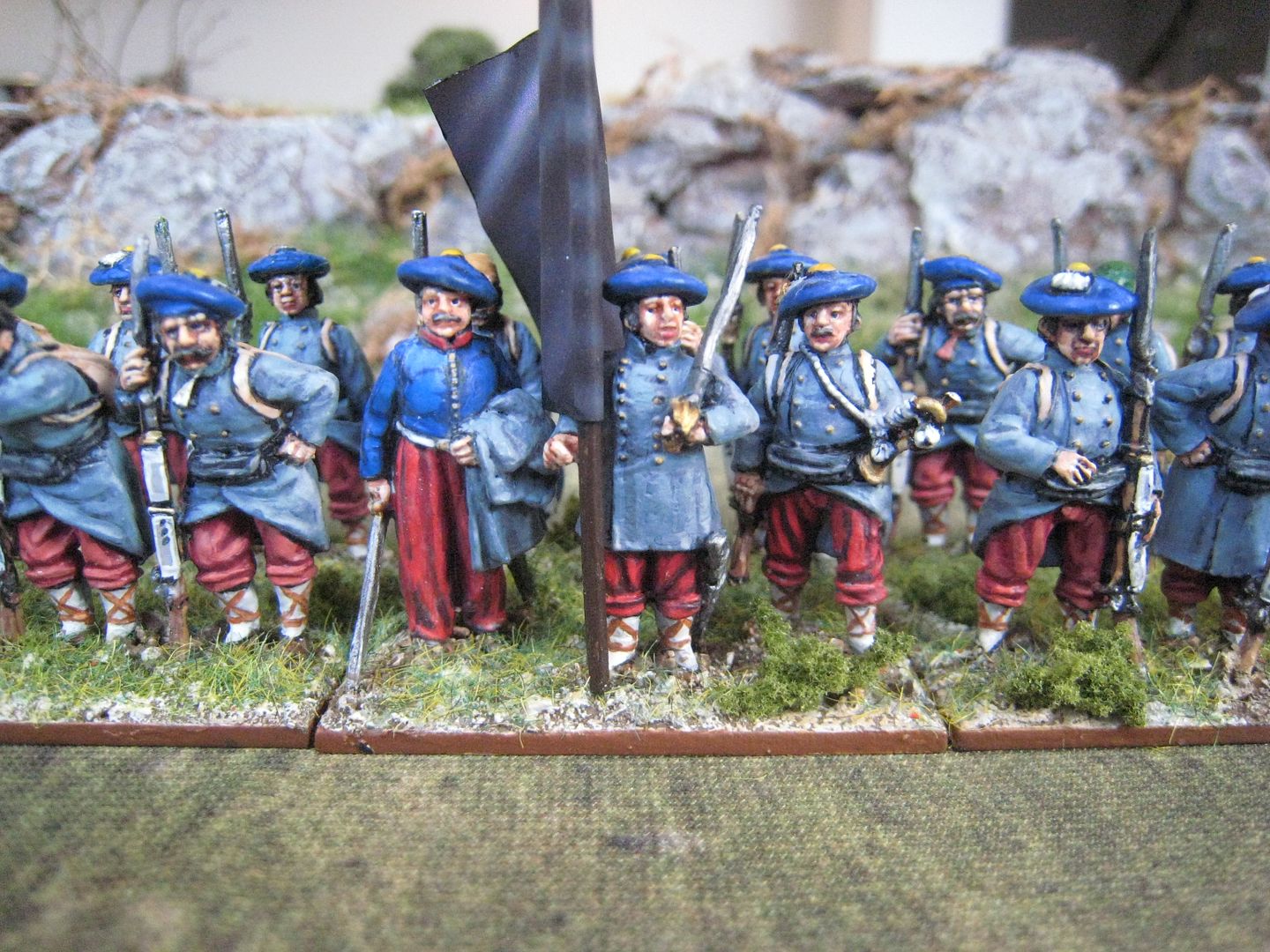
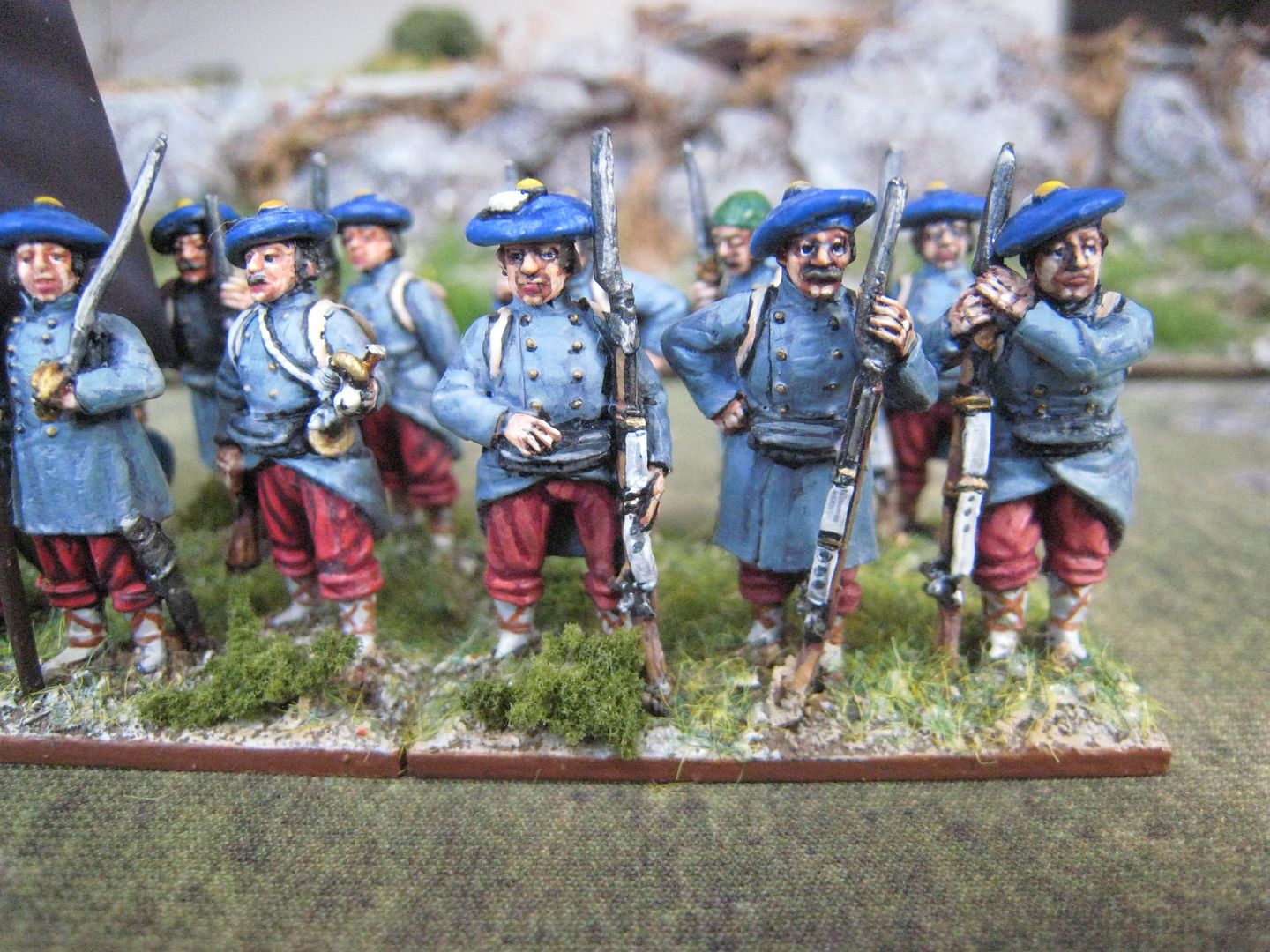
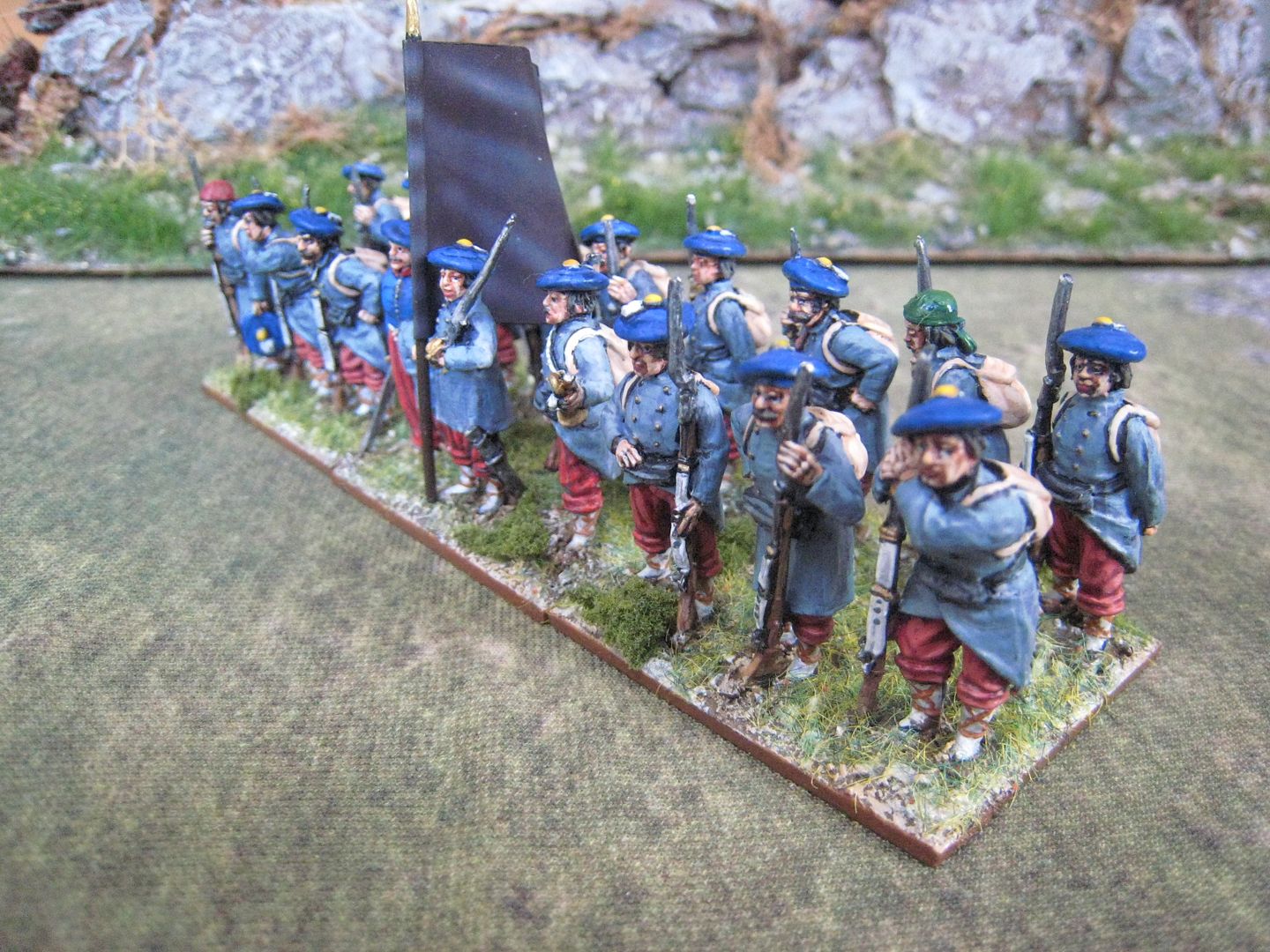
Alava infantry - 2nd battalion

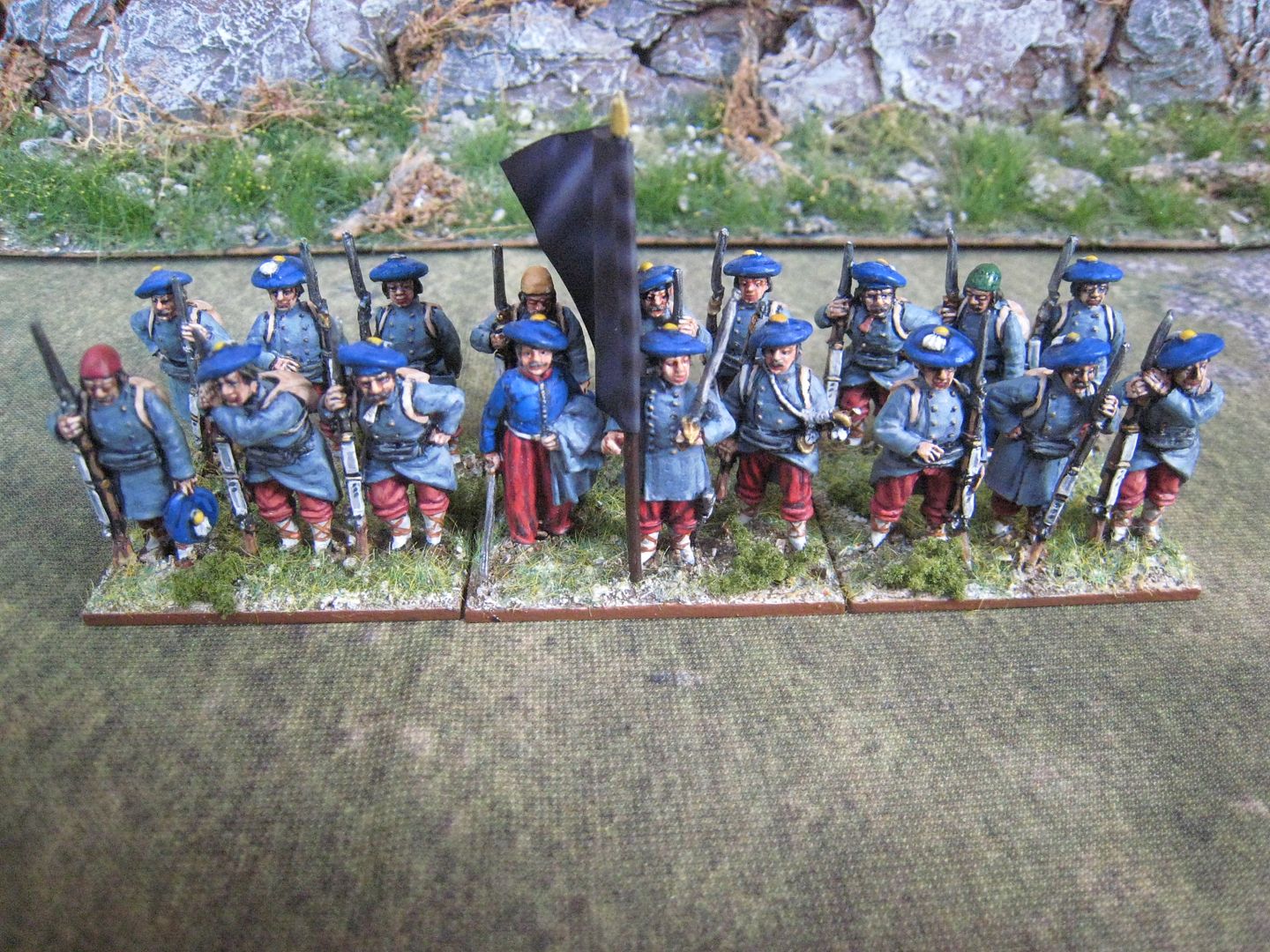
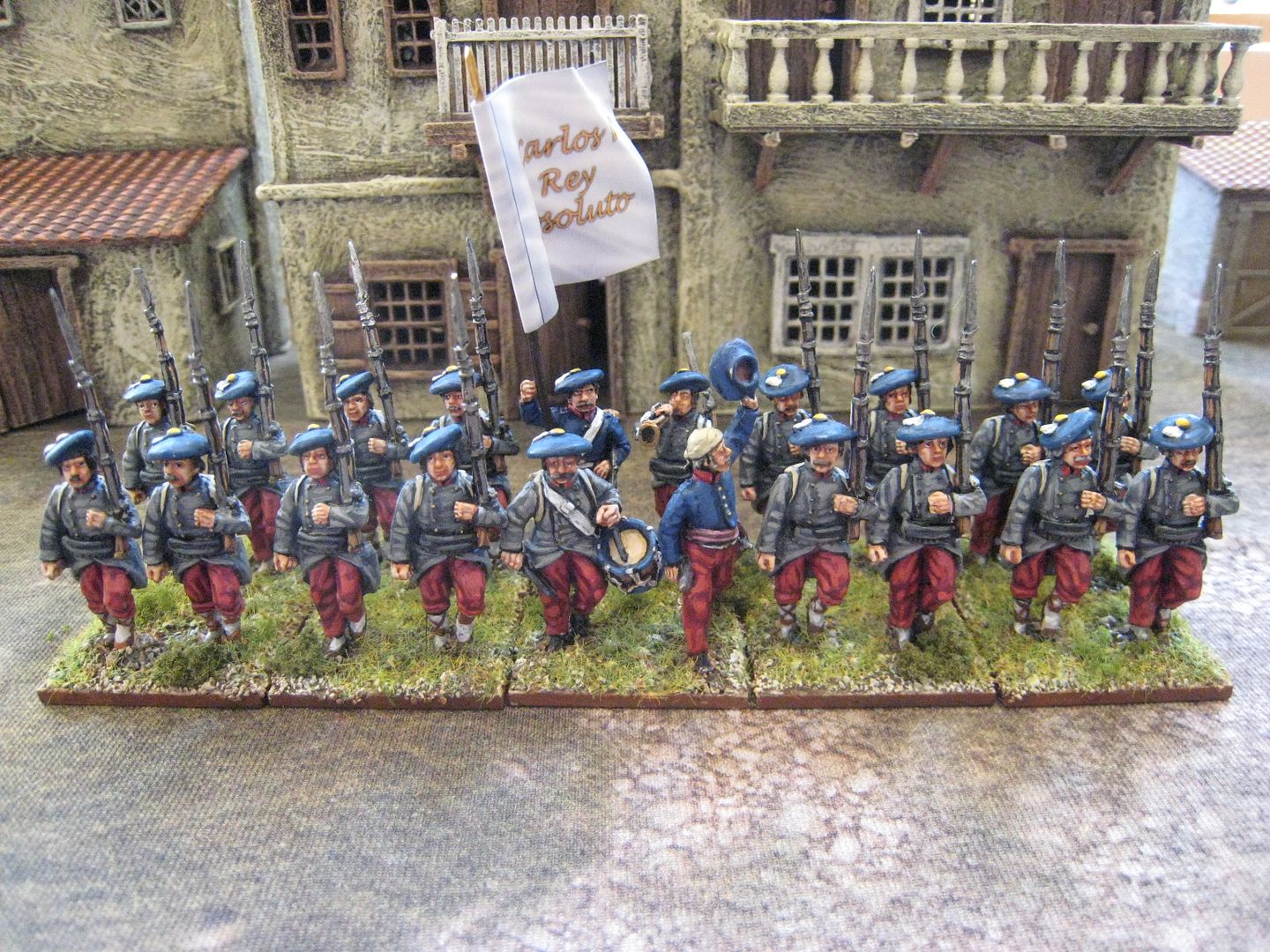
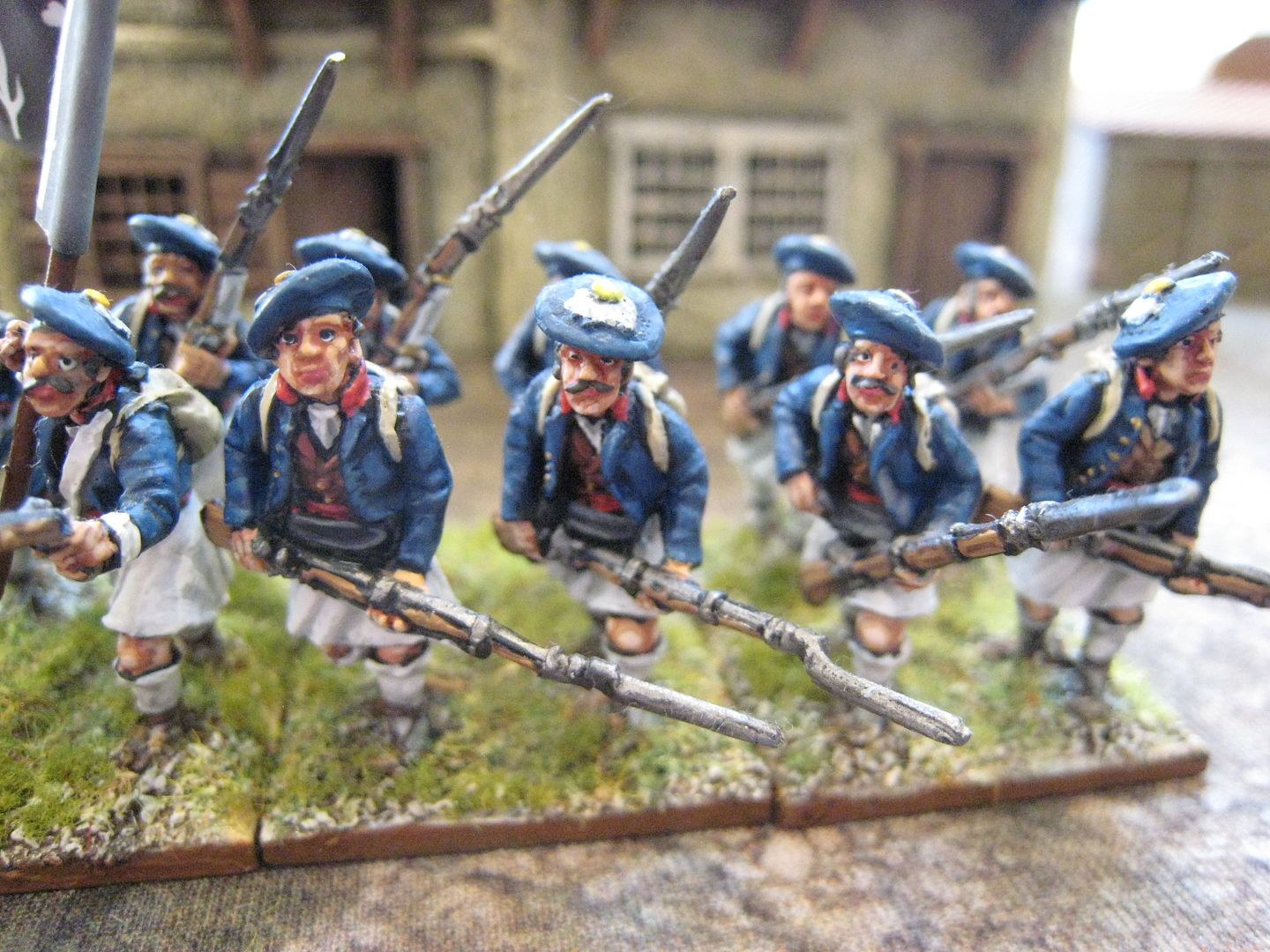
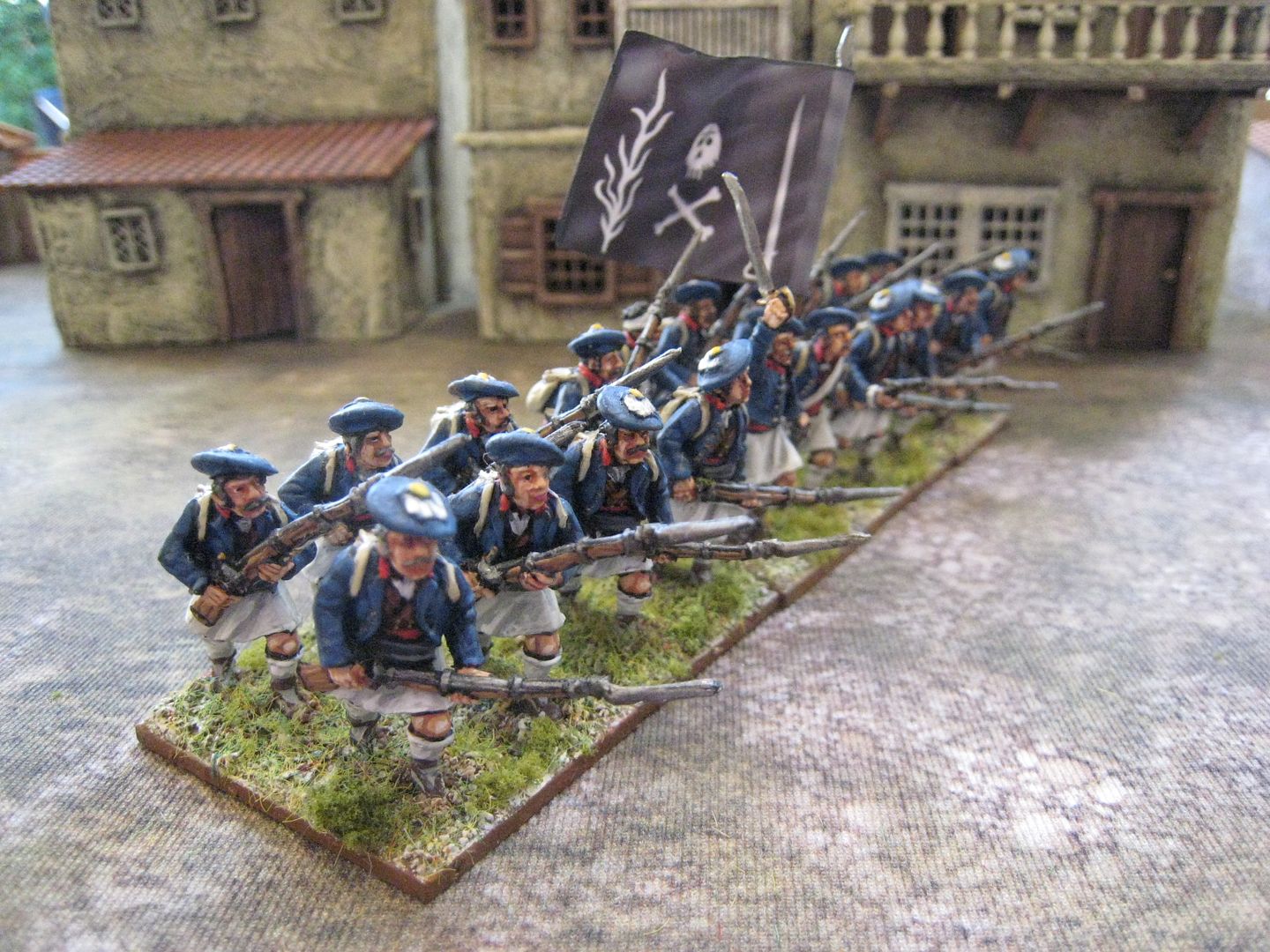
This is the companion unit to my first battalion of Alava infantry - see here. The figures are the same, but with the other half of the standing command pack. This is the first Carlist unit I have done with the infamous "black flag", which was carried to notify the other side that no prisoners would be taken. I'm not sure it looks right for a unit of troops who look half asleep, but I didn't want to have two units in the same post both carrying the specific Alava flag. As noted before, Alava is a province in the north-west Spain, and contributed about 6 regiments to the Carlist cause. I made even more of an effort than usual on the faces - I really wanted these soldiers to look bored and/or tired. As others have noticed, the "standing at ease" figures in the various Perry ranges are some of the Perries' best sculpts and always have a lot of character.    

There's not much else to say about these, really. My Christmas project last year was painting what was left of my First Carlist War lead pile. So the next few posts will be of Carlist high command and a couple of other things. Other stuff I've painted recently for myself includes more French infantry for the Egyptian Campaign and 1815.  So once I finished with the Carlist War I might get up to date with my Napoleon in Egypt units.

I was intending to do a 4th July post with AWI stuff, but that didn't happen for various reasons. Next Friday I head off to Australia and NZ for 4 weeks so I'll try to get up to date with the First Carlist War at least before I go, possibly Napoleon in Egypt as well. Very short notice - but if you're a wargamer in Perth, Cairns, Melbourne or Auckland and want to meet up, leave me a message and I'll see if we can make it work!  

18 figures. Painted December 2025. Flag by Adolfo Ramos.


Wednesday, 16 April 2025

Sir George de Lacy Evans


George de Lacy Evans (1787-1870) was born in Ireland and was educated at the Royal Military Academy at Woolwich (i.e. the training school for the Royal Artillery, the Royal Engineers and other technical corps) before heading off to India to join the army of the East India Company.  In 1806 he transferred to the British Army and secured a position in the 3rd Light Dragoons which enables him to serve in the Peninsular War.  Like a lot of British Auxiliary Legion officers, he was then transferred to America, where he served as quartermaster-general to General Robert Ross, who commanded the British troops in the US until his death in September 1814.  He appears to have been a staff officer at Waterloo, supposedly being the person who relayed to order to the Union Brigade to charge.

He then entered politics, and was a sitting MP for Rye when he was given command of the BAL.  His political career was resumed after the war ended, but he seems to have lost and regained his seat on numerous occasions.  In 1846 he was promoted to Major-General and then Lieutenant-General in 1854.  In that latter rank he participated in the Crimean War as the initial commander of the 2nd Division; however, he fell sick and had to relinquish command.  His political career continued - he was MP for Westminster from 1846-65 (Evans was a Radical) and consistently argued for reform of the Army, in particular the abolition of the purchase system.

His political career, especially as a Radical, no doubt contributed to the hostile treatment he and the BAL received in certain sections of the British press.  As I've noted elsewhere, the BAL fought under difficult conditions, often badly supplied and ignored by the British government. Evans seems to have been a thoughtful, competent officer, always fighting the authorities on behalf of his men; one sense the BAL could have done a lot worse in their commander.     

These figures are from two Perry packs - the Evans personality figure is from ISA2 and the foot figures are the rest of ISA37 (the mounted elements of which are here).  This command stand finishes off my most recent Carlist War stuff, save for a regiment of Isabelino cavalry, for which I need to get the correct lance pennants.     

3 figures. Painted August 2021.


Monday, 10 February 2025

British Auxiliary Legion / Isabelino mounted officers

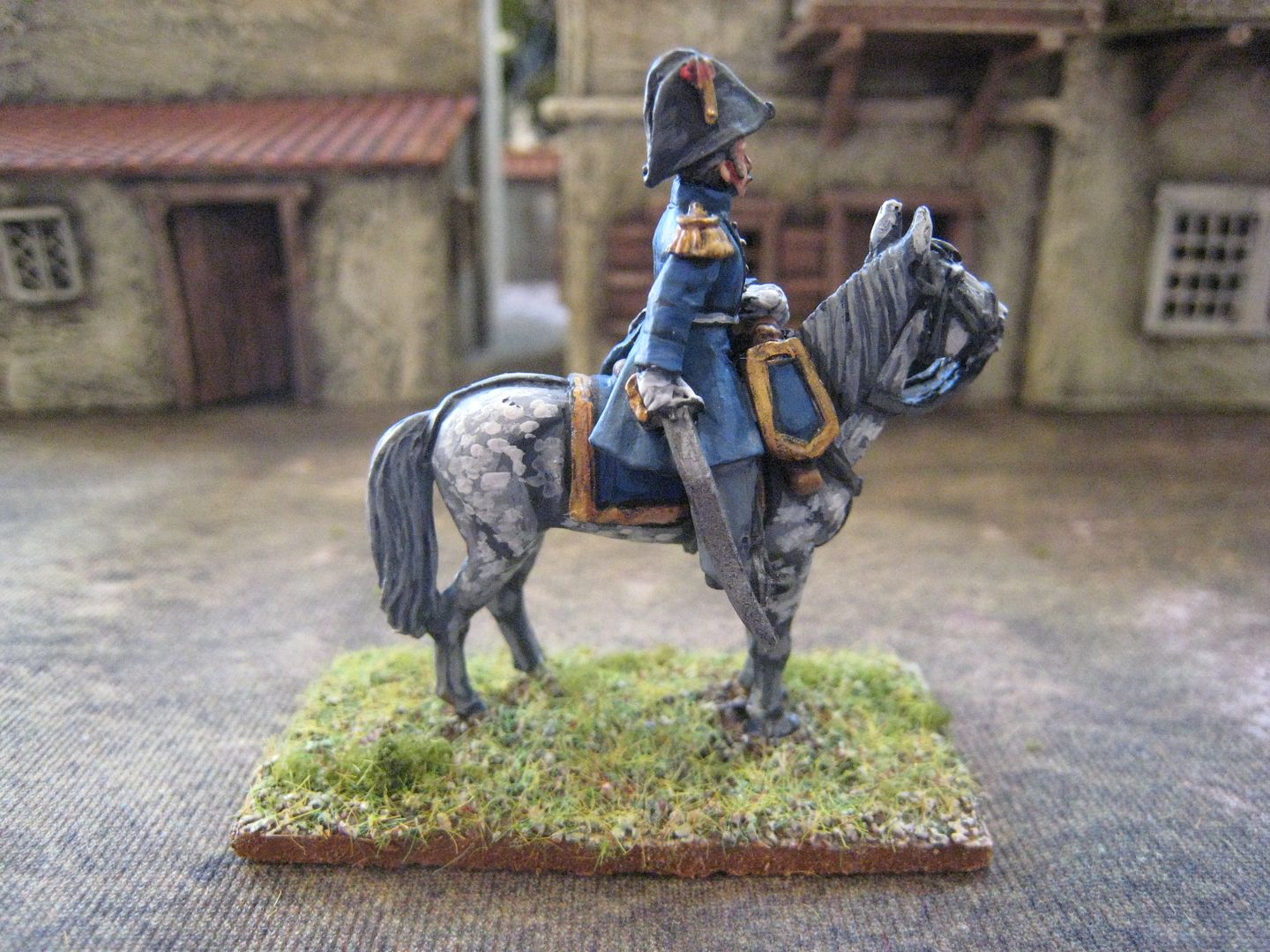
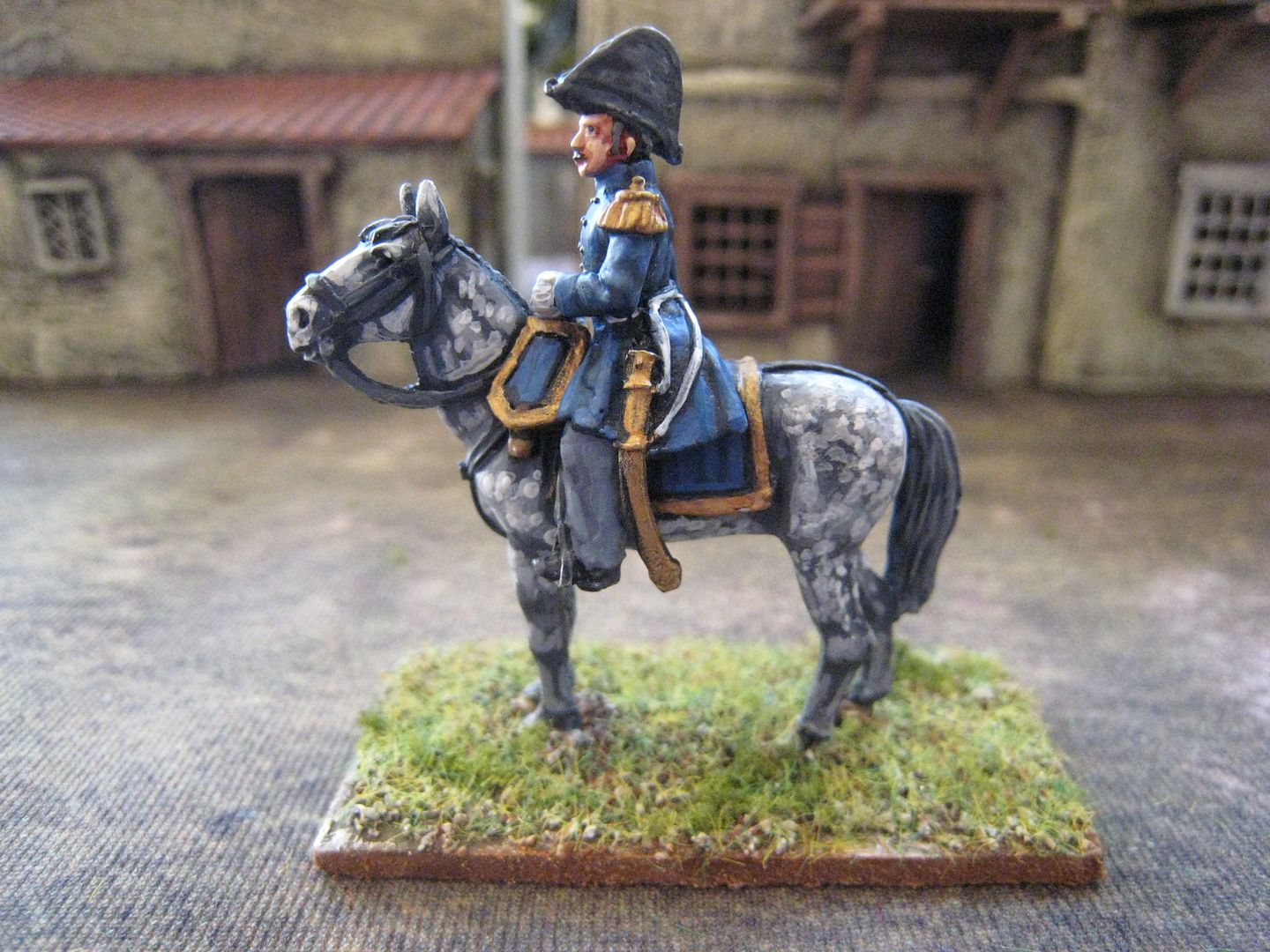
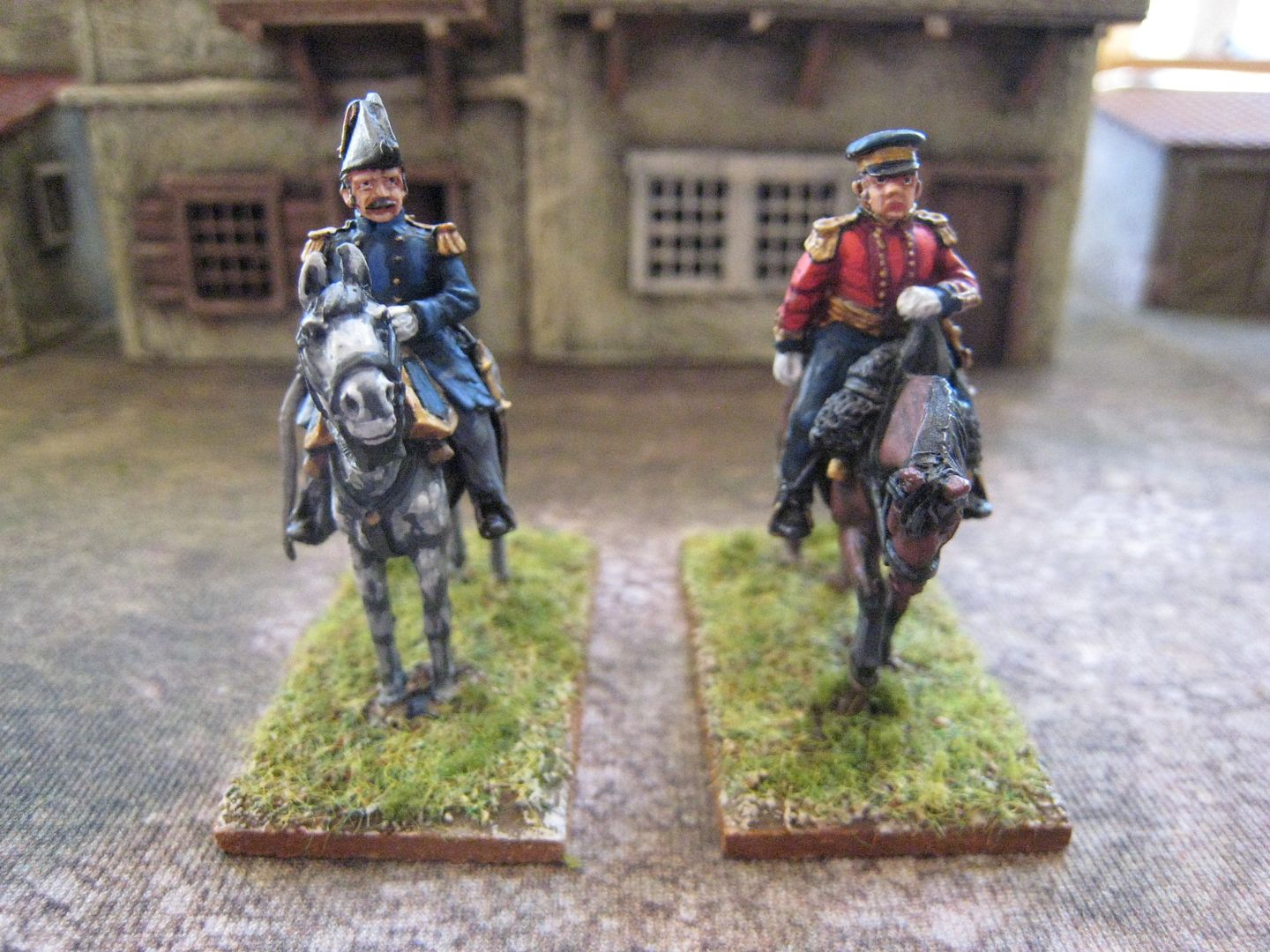
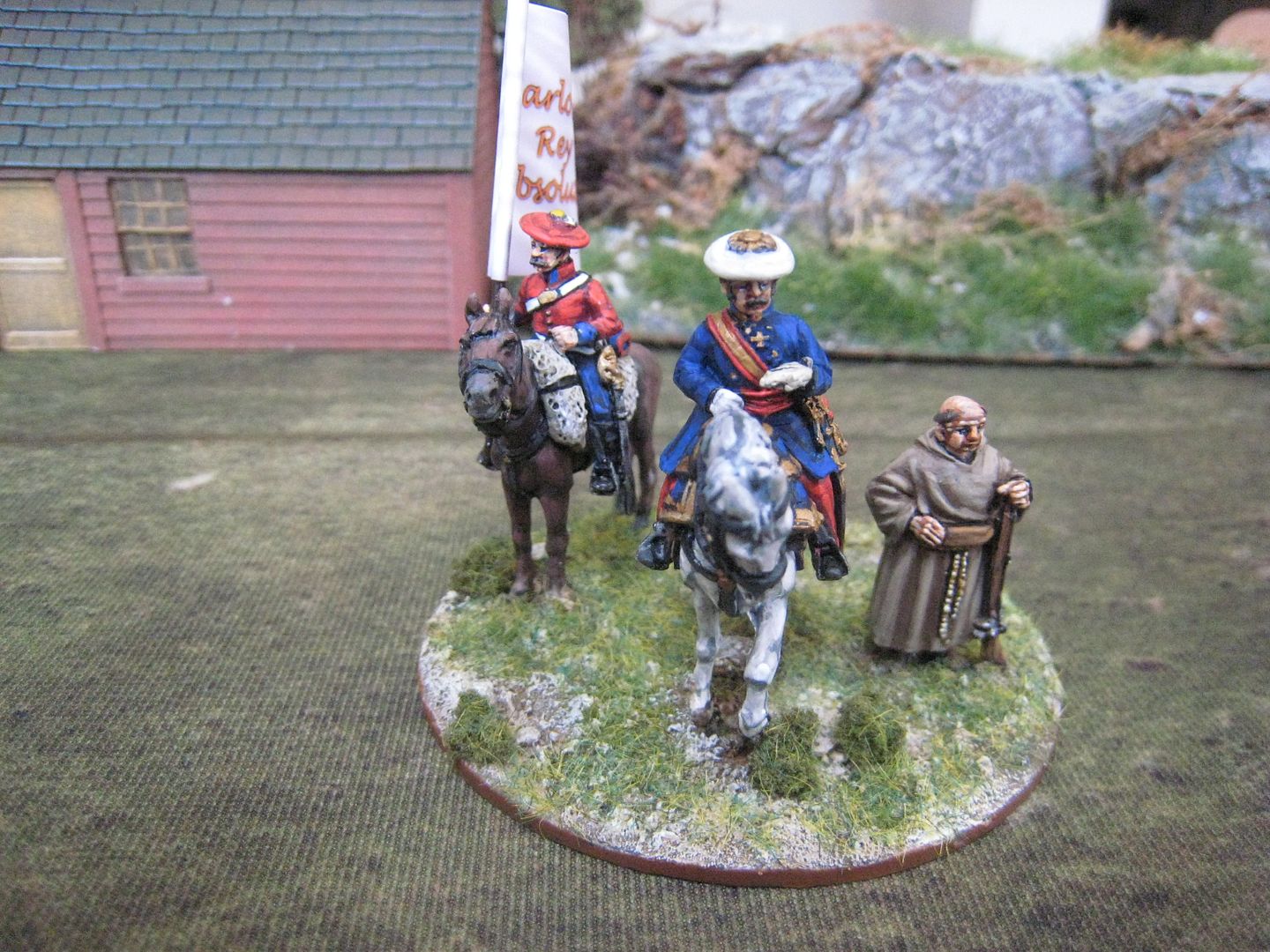
These are mounted officer figures from two Perry First Carlist War packs - two are from pack ISA37 (British Auxiliary Legion staff) and the third, on the grey, is a Spanish colonel from ISA2.  These aren't supposed to represent any particular people; they are just generic figures to use as brigade commanders.  The Duke of Wellington and the army command in general were opposed to officers on half-pay heading off, in effect, to act as mercenaries in a Spanish war.  So the commander of the British Legion, George de Lacy Evans, had to look to his army friends and soldiers in India to fill his senior appointments.  

Two of de Lacy Evans' friends who were given brigadier-general rank were Charles Chichester and William Reid, who otherwise had very little to do.  Chichester went on to command the 81st Foot in 1839 and died in 1847, apparently with a reputation as the best regimental commanding officer in the British army.  Reid became governor of Bermuda 1839 and of Malta in 1851.  Another brigadier was Duncan MacDougall, who had fought in most of the major battles of the Peninsular War and then in the War of 1812, in which he served as an ADC to Major-General Robert Ross and then Sir Edward Packenham after Ross was killed (Packenham was himself killed trying to rally his troops at the Battle of New Orleans in January 1815).  He was colonel of the 79th Highlanders when he resigned in March 1835 to join the BAL as its quarter-master general.  However, disagreements with de Lacy Evans over strategy led to MacDougall leaving the BAL a year later and resigning from the British army at the same time.  When the UK's national militia was revived in 1852, MacDougall formed the Royal Lancashire Militia Artillery, which eventually became part of the Royal Garrison Artillery.  I thought these thumbnail biographies are useful in showing that despite the original reservations of the likes of Wellington, service in the BAL does not seem to have had a particularly negative effect on the careers of its officers. 

3 figures. Painted August 2021.


Monday, 3 February 2025

Alava infantry - 1st battalion


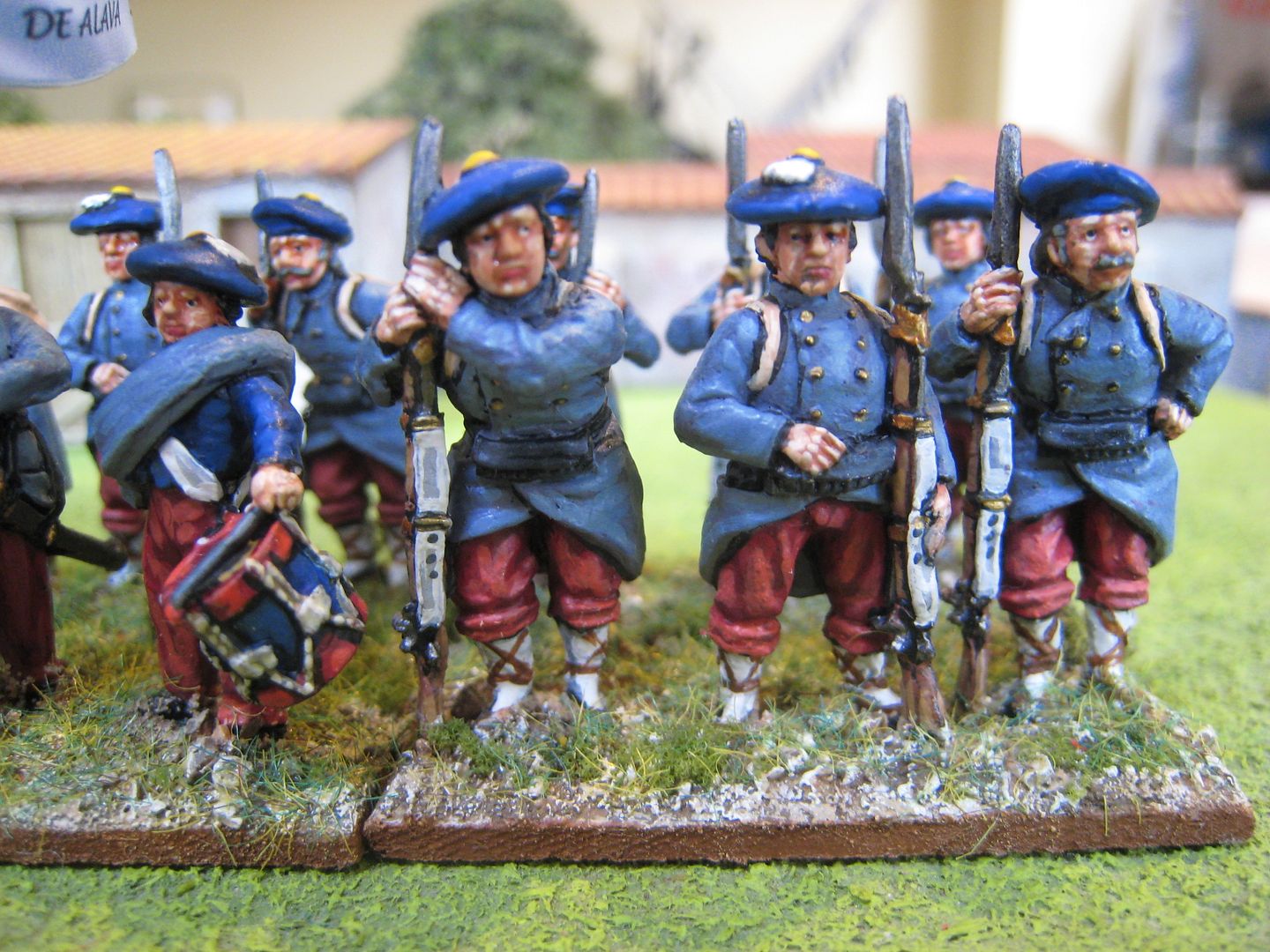
Time flew away from me during December and January, so apologies for the lack of posts. It's also been very dark and taking photos has been quite difficult. But I have a flurry of First Carlist War and Napoleonic posts with which to start the new year. It's been a while since I last painted up some Carlist infantry, so here is a battalion from Alava. As you'd expect with an area sympathetic to the Carlist cause, Alava is a province in the Basque country in north-west Spain. It is also one of the provinces that makes Rioja wine. Carlos seems to have recruited at least 6 battalions from Alava, all of which served in the Army of the North.
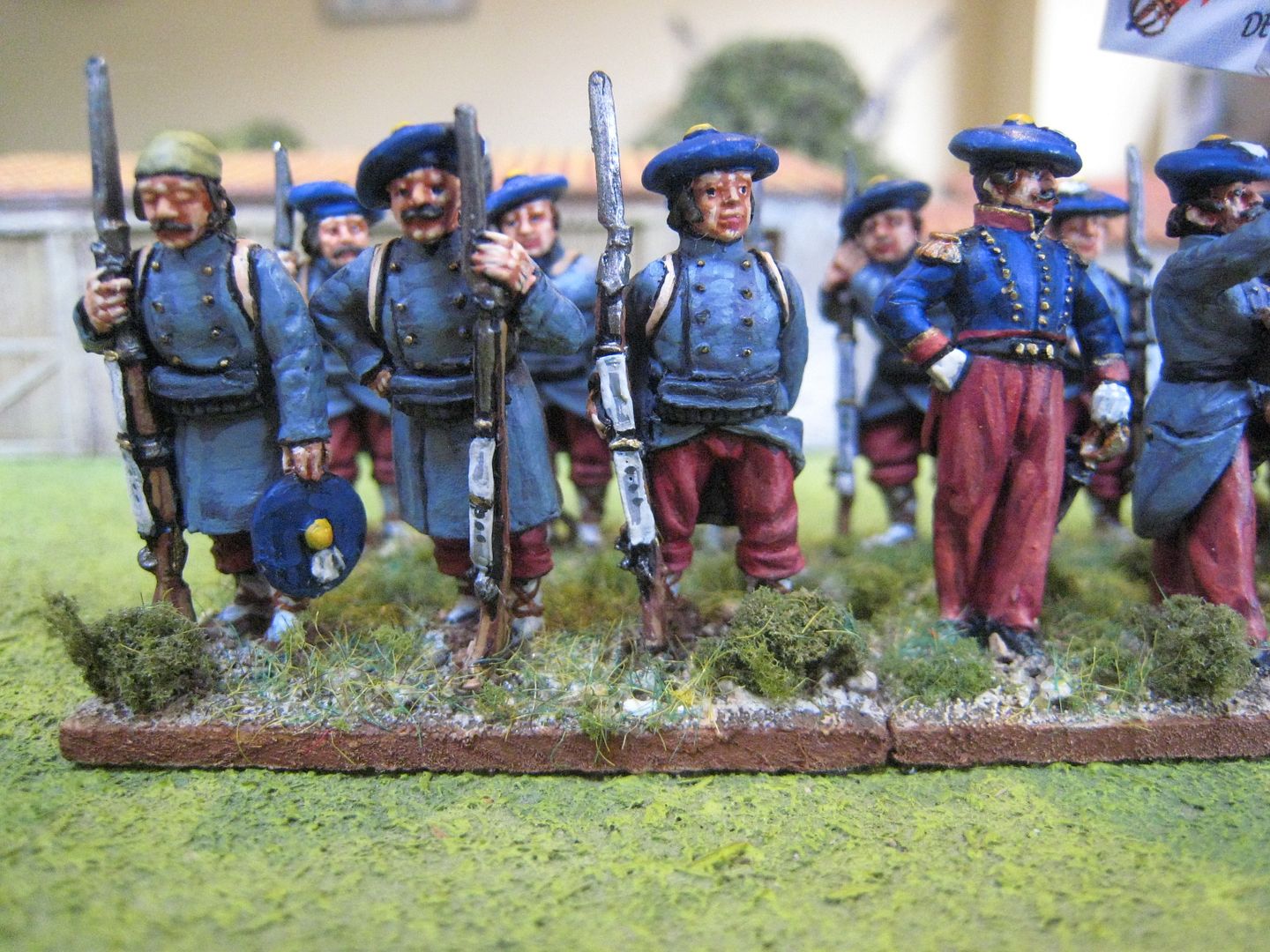
These are rewarding figures to paint - very quick and easy to do.  This brings my Carlist forces to a total of 5 battalions - a pretty poor effort for a project that I started in 2009.  But I suppose that's what happens when you're not under the pressure of painting things for particular and/or regular games.  I think my camera may now be on its last legs - I find getting things in focus is becoming harder, although that may of course be me rather than the camera!

18 figures.  Painted November 2024.  Flag by Adolfo Ramos.     


Monday, 15 May 2023

Navarre Infantry - 1st battalion


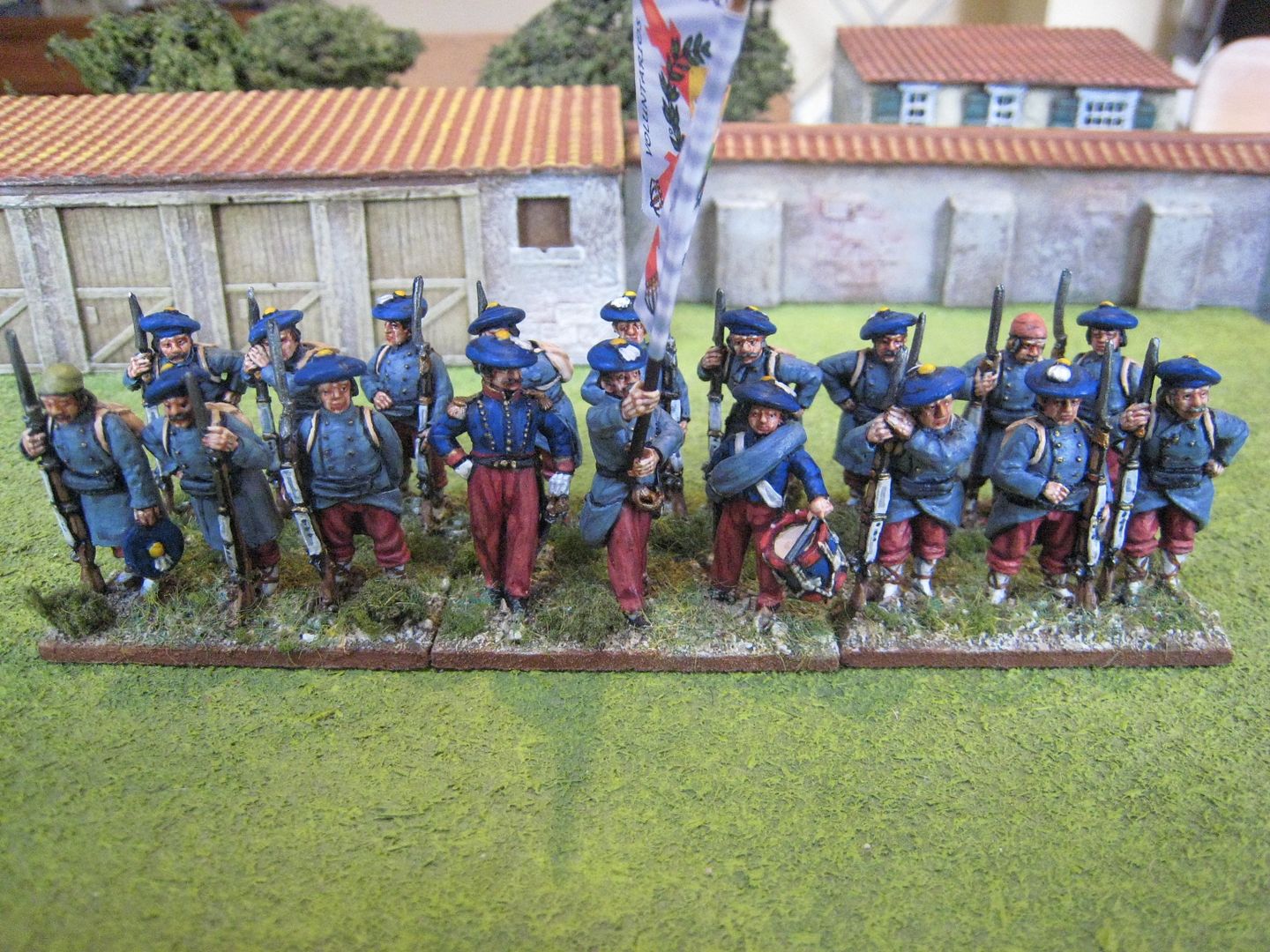
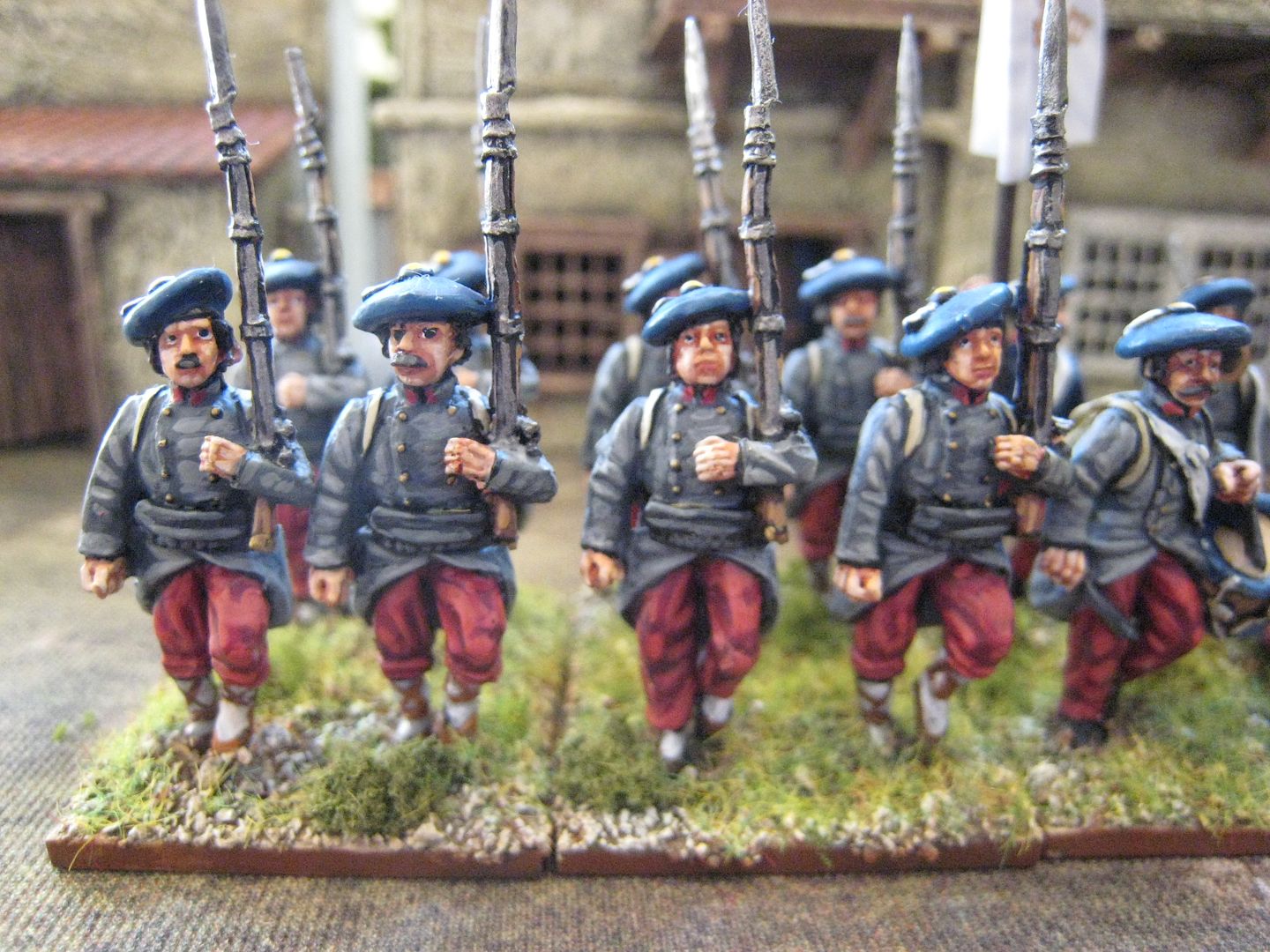
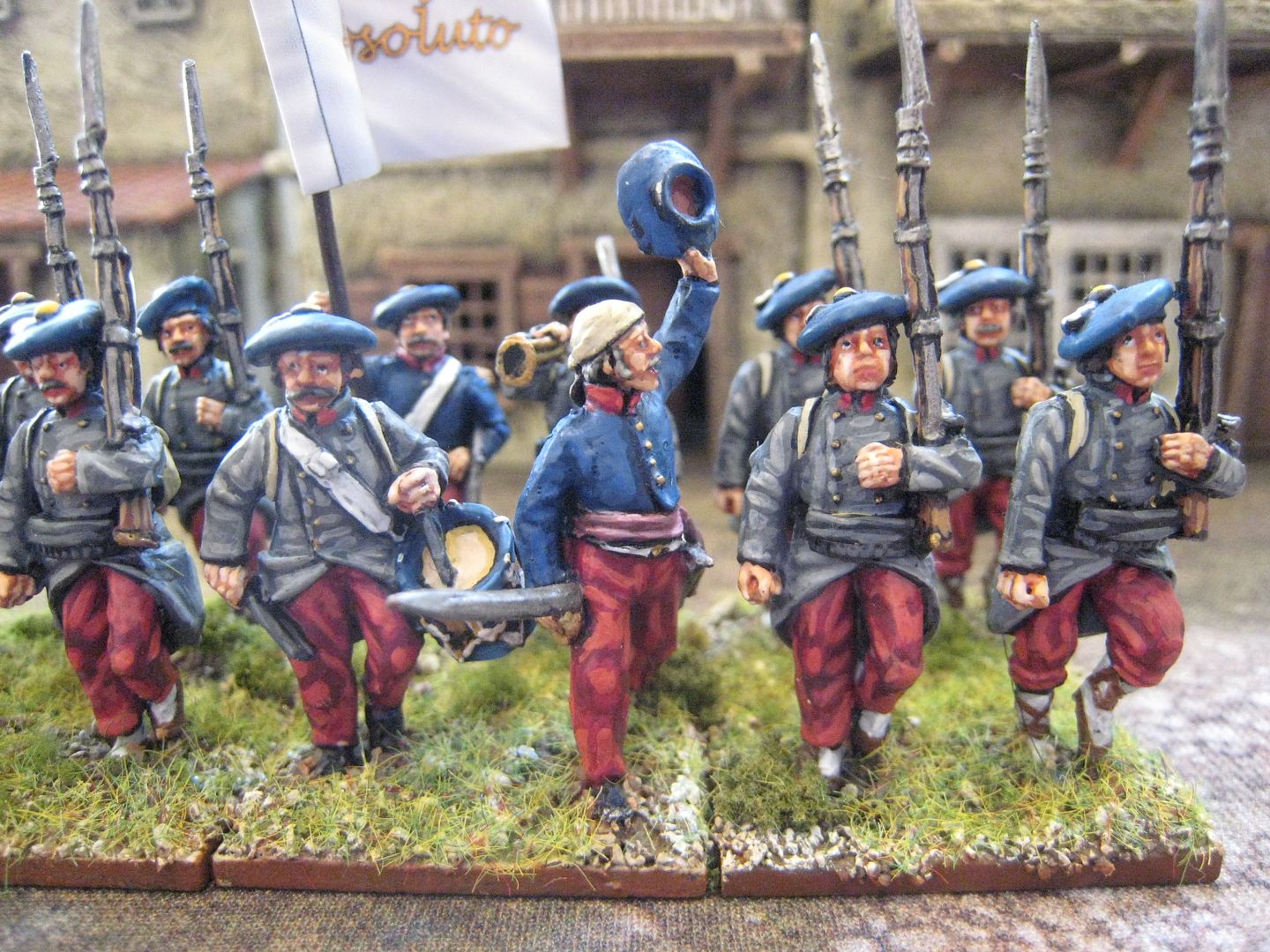
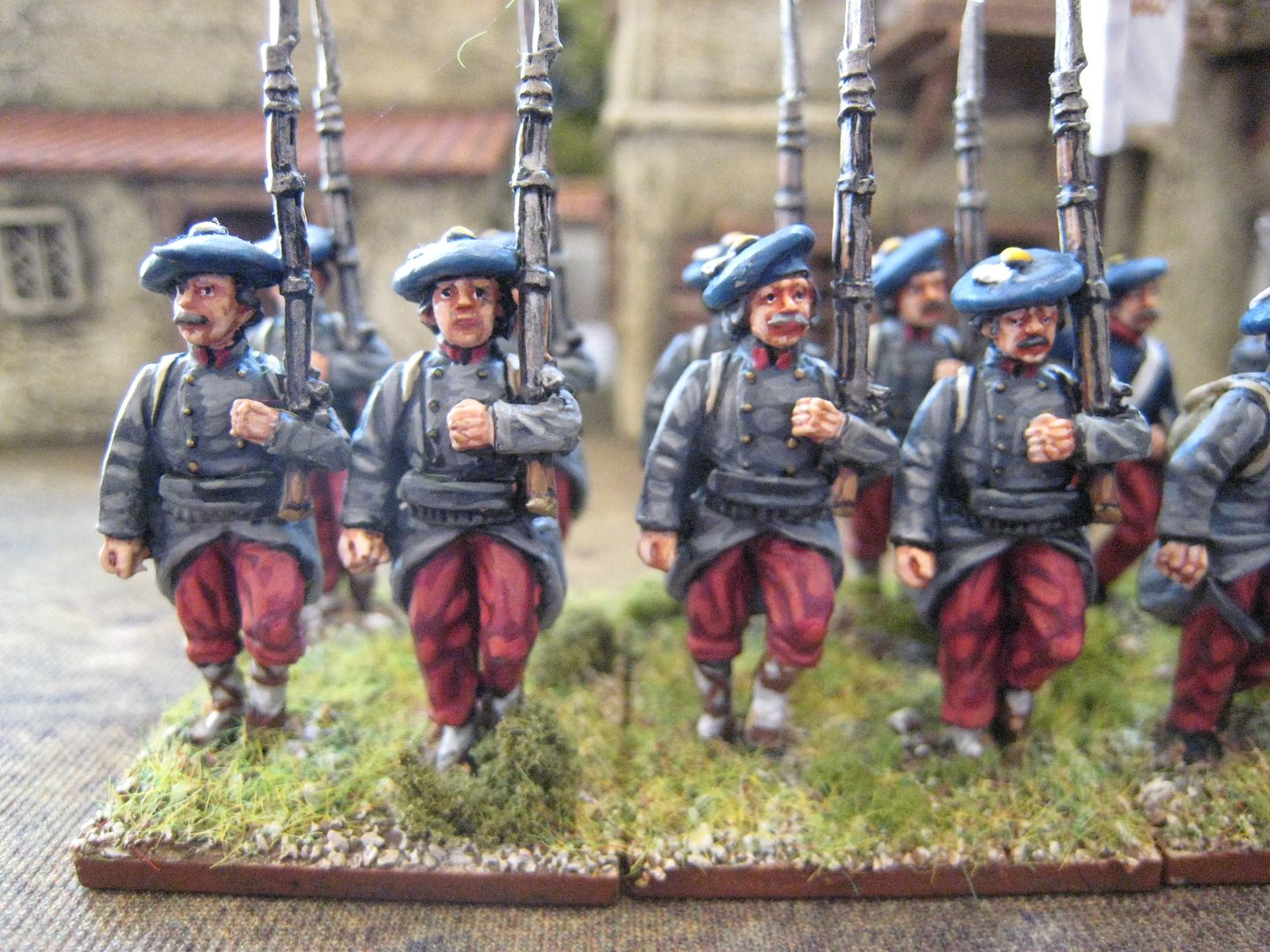
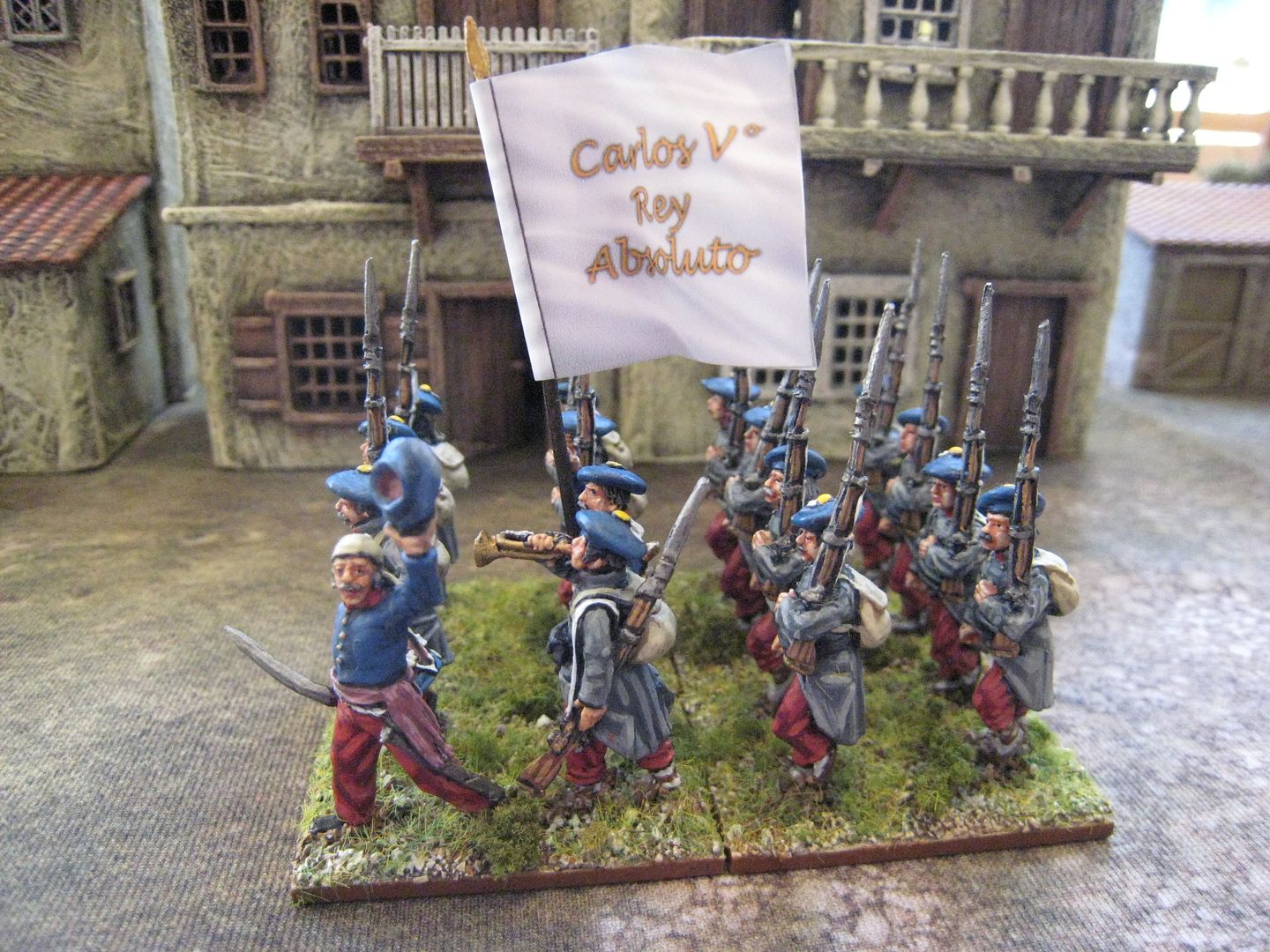
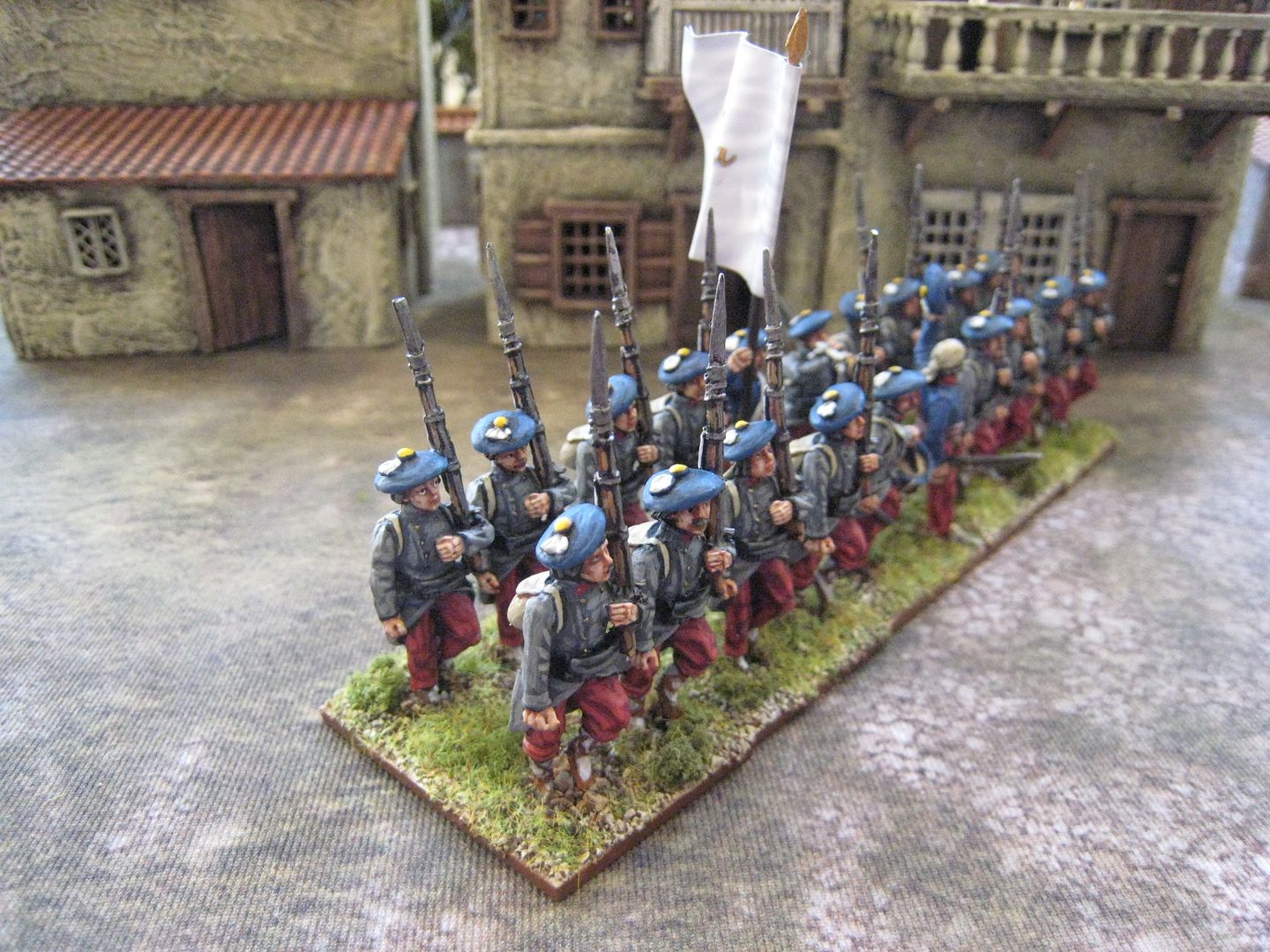
This is the third unit of Carlist infantry I painted towards the end of 2020 (I was determined to erase my Carlist War lead-pile).  I assigned it to Navarre, for no particular reason.  The troops are wearing the same greatcoat and trousers uniforms as my first Guipuzcoa battalion, although I used a deeper red for the trousers.  It's quite a smart look, I think.  Navarre, a northern province in Spain that bordered on the Basque region, was a natural recruiting ground for the Carlist cause.  The province's rugged, mountainous terrain made it difficult to subdue, and consequently it managed to maintain a semblance of autonomy from  the middle ages into the 19th century.  In fact, it was only with the Carlist defeat in 1841 that the province was brought fully into the territory of the Spanish crown.  Conrad Cairns tells us that twelve battalions were raised in Navarre for the Army of the North, together with the elite guides.

I remember that at this stage in 2020 I was having real problems painting the faces.  I hadn't yet bought my glasses, which I now have to use for any type of painting, and so I found the eyes particularly difficult.  Some of them are pretty crappy, to be honest; but others are ok.  The great thing about these figures is that there's not much detail on them outside of the faces - just overcoats with minimal kit.  So they were good figures to do whilst I was beginning to feel a bit visually impaired.  I'm going to need a few more units like this.    

20 figures.  Painted December 2020.  Flag by Adolfo Ramos.


Wednesday, 10 May 2023

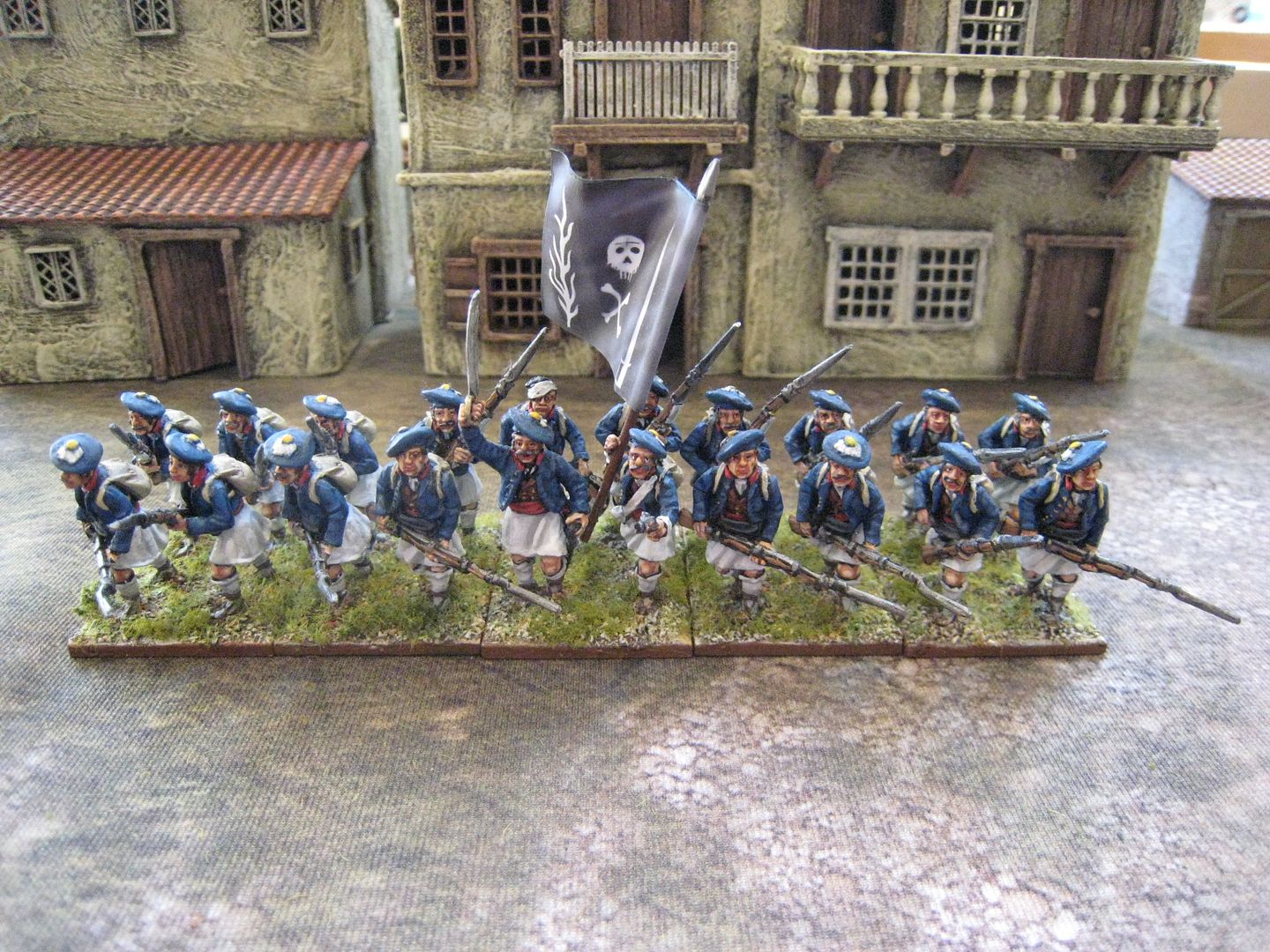
Valencian volunteers - 2nd battalion


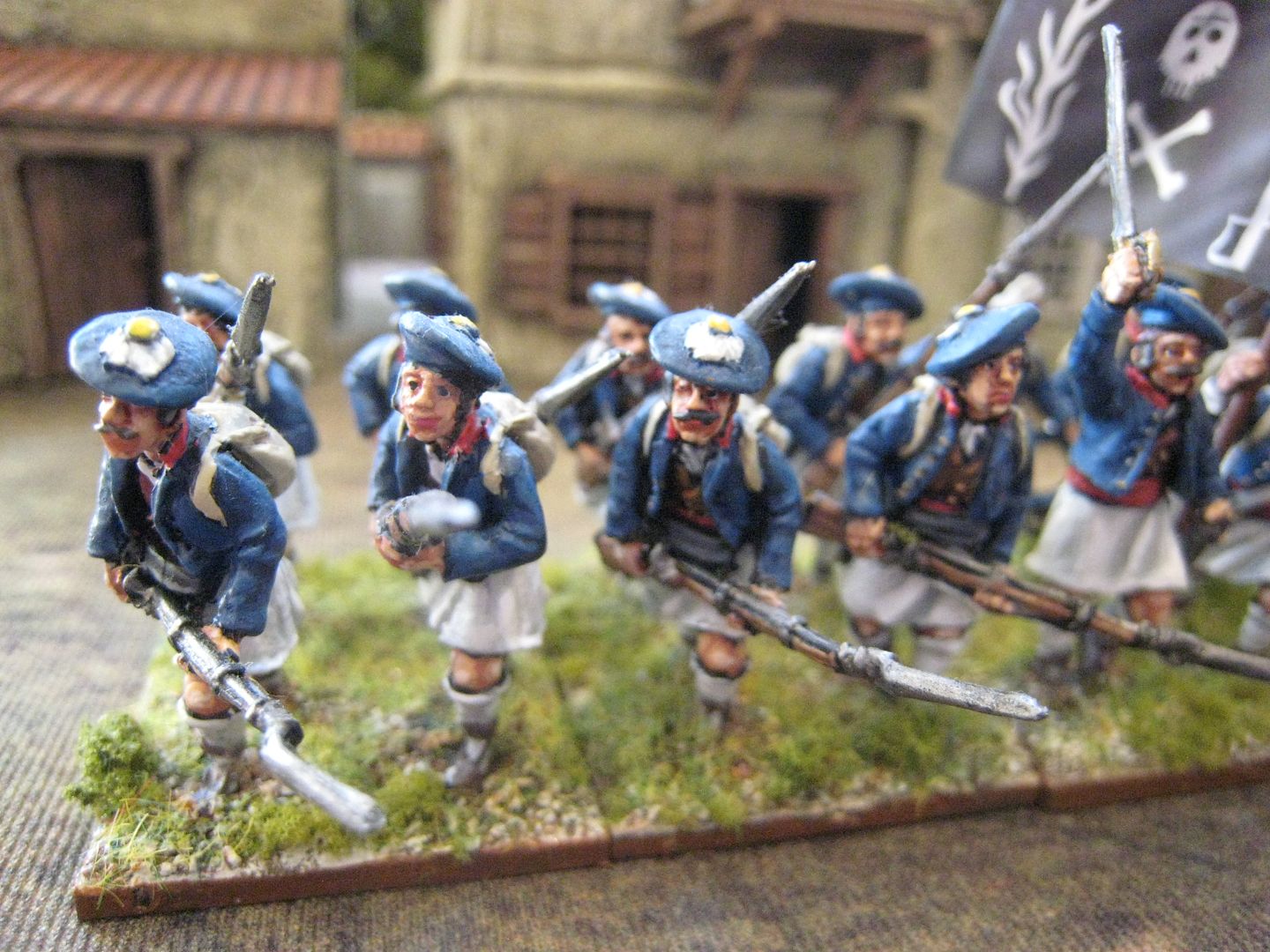
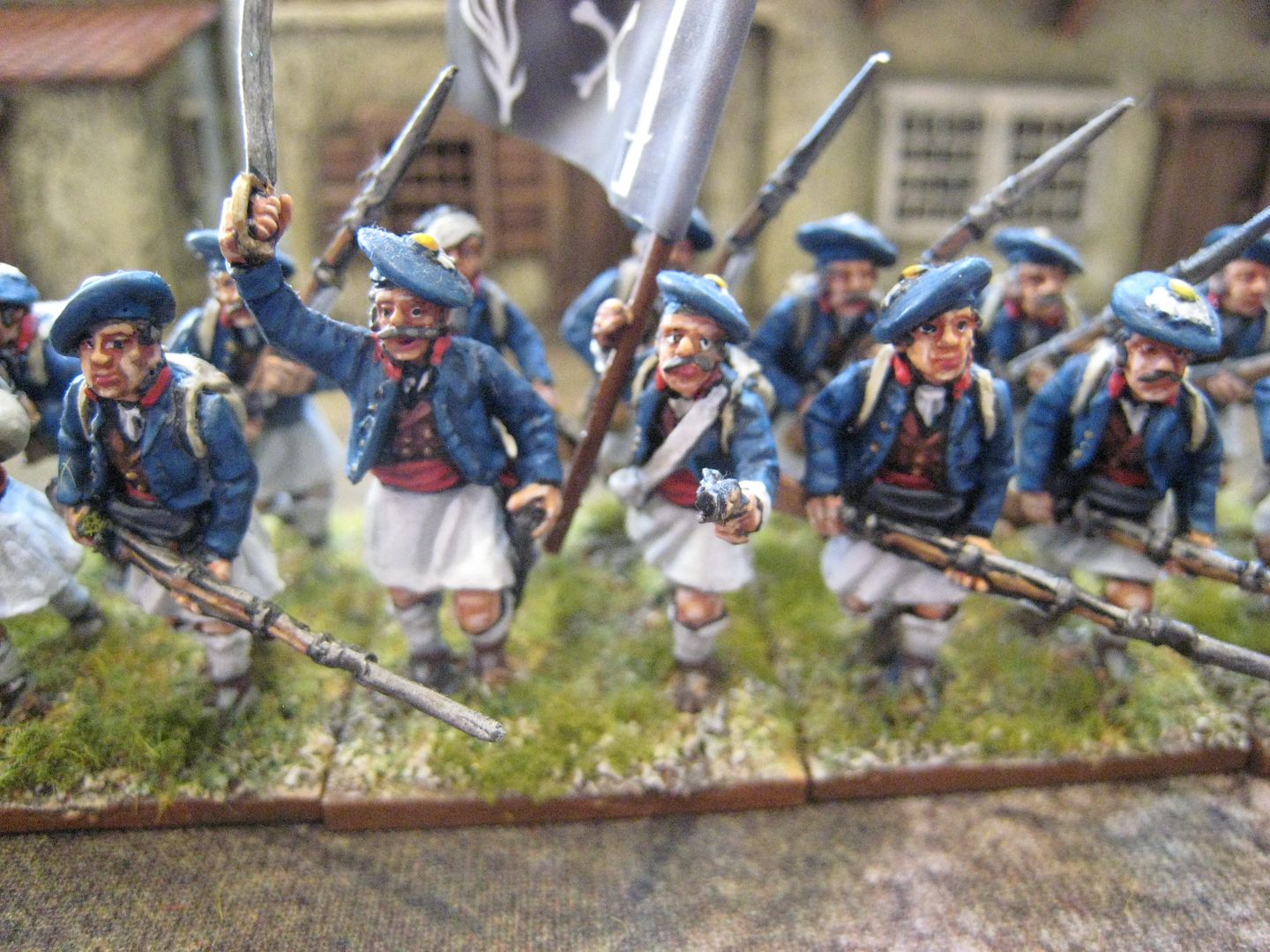
This is the counterpart to the other unit of Valencians that I posted on Tuesday.  A "brigade" photo is below.  There's no much else to say that wasn't in my earlier post.  The jackets and berets were painted using the Foundry "Deep Blue 20" palette.  I like the poses of these figures, particularly the command figures (there's an excellent drummer with a bandaged head in the second row).  There's lots more FCW stuff coming up - more Carlist infantry, then Isabelino high command and cavalry.  Once that's all posted, I'll get up to date with the Paraguayan War.  After that, it will probably be time for some Frostgrave and 7-TV!     

20 figures. Painted November - December 2020.  Flag by Adolfo Ramos.