Friday, 23 October 2009

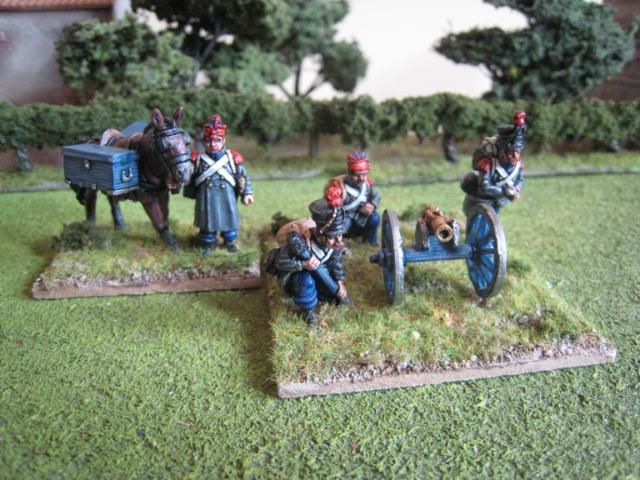
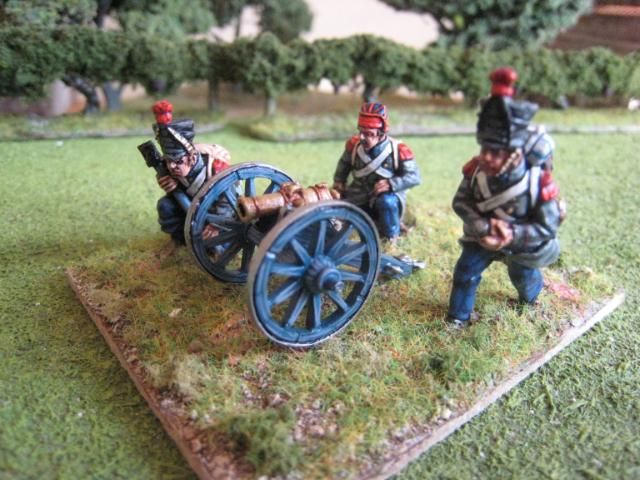
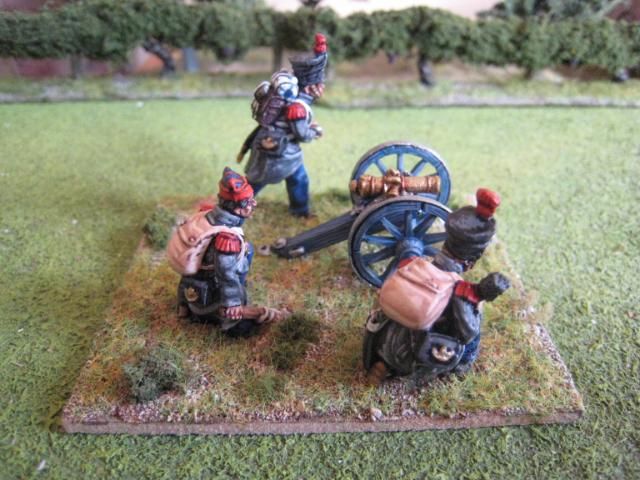
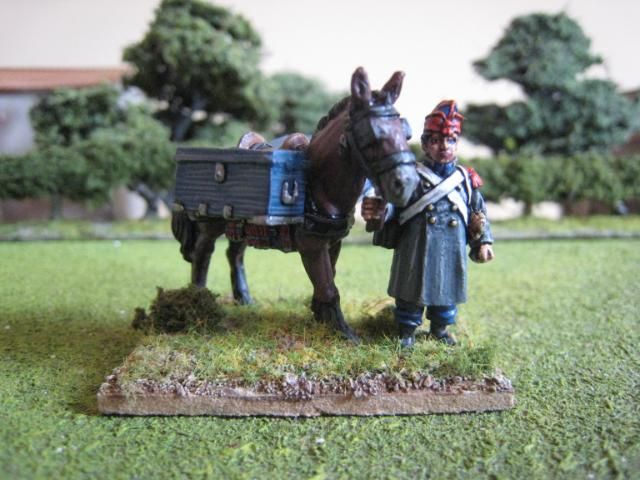
Isabelino Foot Artillery (1)


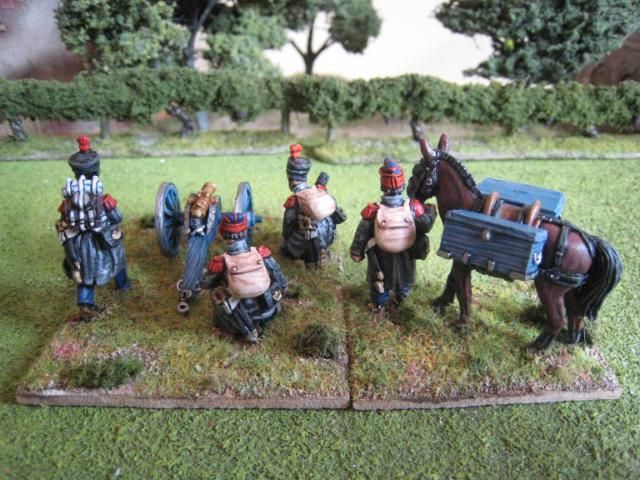
Both sides in the First Carlist War were forced to use small mule-carried mountain guns in the wild country of the Basque region. These seem to have been 3 or 4 inch guns and artillery of this size found extensive employment in later 19th and early 20th century "colonial" expeditions - I think the Firepower Museum in Woolwich has some examples of such weapons that were used by the British Army in India and Afghanistan. This Perry Miniatures pack gives you the option of using a 3" or 4" howitzer barrel; I opted for the former, although it seems that the majority of mountain guns were howitzers.

The crew here is dressed in standard foot artillery uniforms under grey greatcoats. This is the first time I've painted a mule, and just used the Foundry "Bay Brown" palette with a bit of extra highlighting. The woodwork on the gun and ammunition boxes was painted with the Foundry "British Blue Grey" palette (no.75). Not much more to add, really!

Painted September 2009.


Sunday, 18 October 2009

SELWG 2009


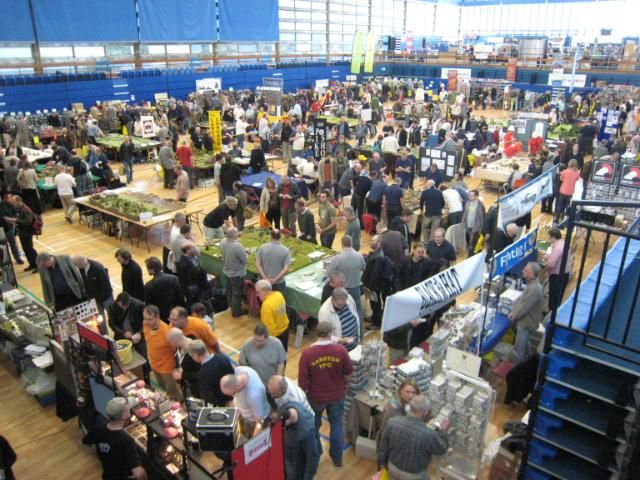
Today I left the Kiwi in the house with a bunch of baby catalogues, a working internet connection and a credit card and headed to Crystal Palace for the return of SELWG, the show put on by South East London Wargames Group. There was no show last year as the venue, a swimming pool/sports centre, identified an asbestos problem. But this year it was back, although a bit quieter and with (it seemed to me) fewer trade stands than normal that resulted in some odd ommissions (for example, there was no one selling recent or current issues of WSS or Wargames Illustrated" and no GW presence). Some of the games on display had been at Salute in April, but it would good to examine them again (and without the Salute crush) and some others were new.

I broke Rule No.1 of shows, namely "Make a list of what you want to buy". I managed to remember most of what I had thought of during the week but forgot about a couple of Perry packs I need to finish ongoing units, which is annoying as Dave Thomas stocked them. But I bought some more Spanish buildings from Tablescape, which will feature in future Carlist War posts; enough Carlist War and First Crusade Perry Miniatures packs to see me through to Christmas; a rather fun ECW "punishment detail" set from Redoubt Miniatures; a couple of the newish Foundry WW2 paint palettes to try out, and one or two other things. I picked up the latest issue of "Miniature Wargames" as it has Muslim army lists for the "Ager Sanguinis" Crusades rules that I have been having a look at. I caught up with a few people, met some blog readers from GLC Wargames Club (hi guys!) and generally enjoyed wandering around, even if the smell of chlorine and sounds of splashing brought back unwelcome memories of swimming class at prep school!

Anyway, readers will be insterested in the games rather than what I bought, although I'm proud (if not too pleased) of the fact that I was comprehensively out-spent by the Kiwi. So here are pics of those games that most caught my eye, with apologies to those I've missed.

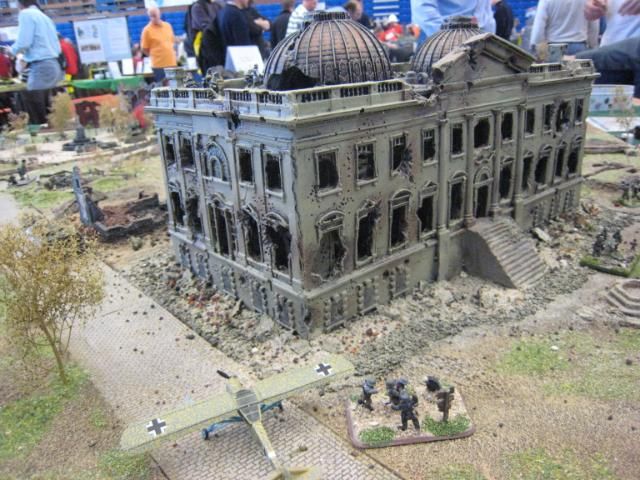
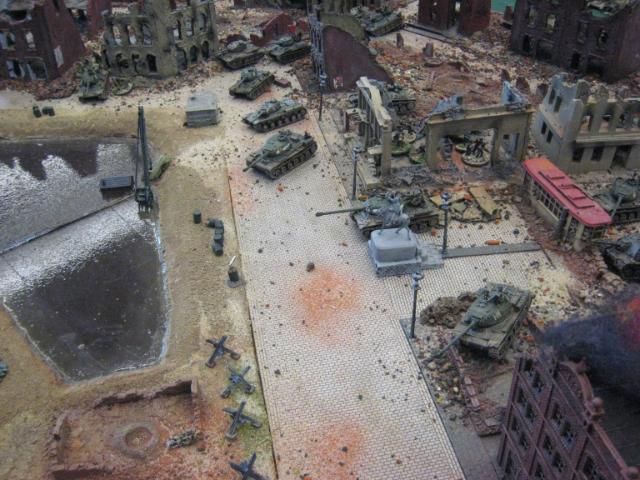
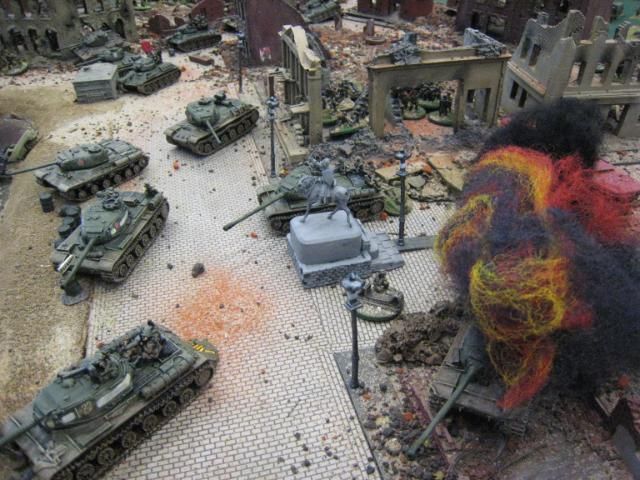
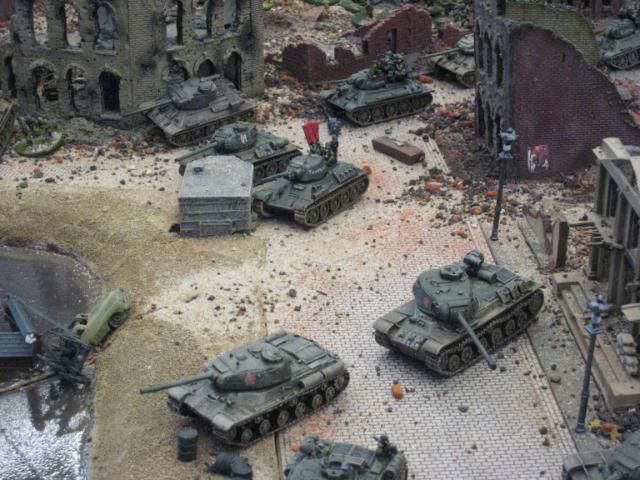
First up is "Best of Show", Loughton Strike Force's 15mm Berlin 1945 game. This game was pipped to the prizes at Salute and so was a worthy winner here; astonishing attention to detail in the depiction of Berlin and, unlike various other games, it was actually being played.


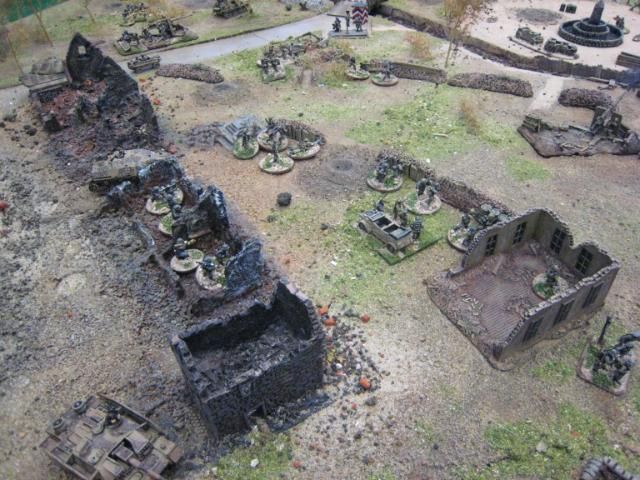
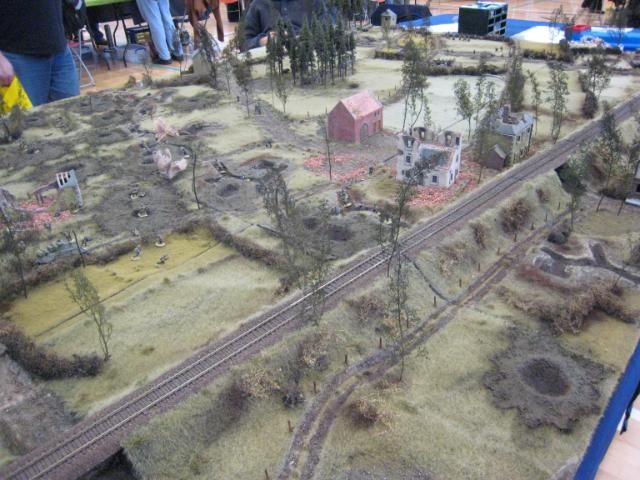
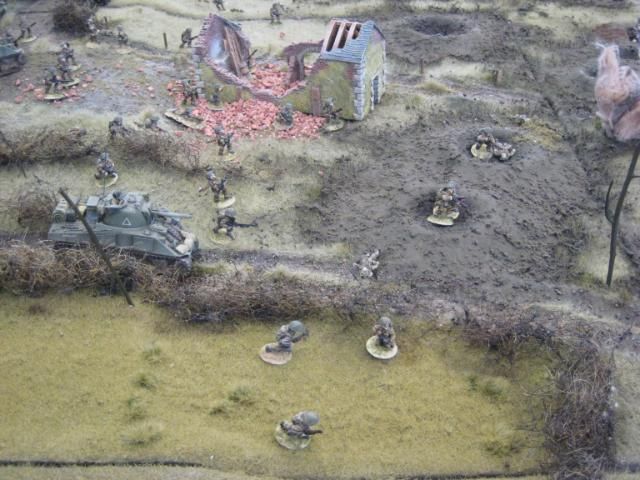
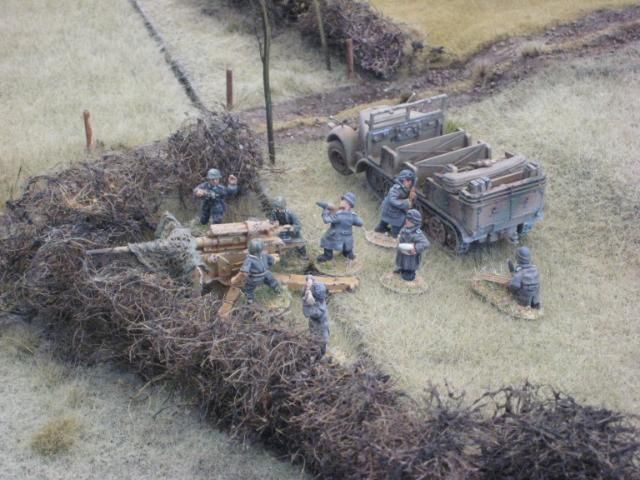
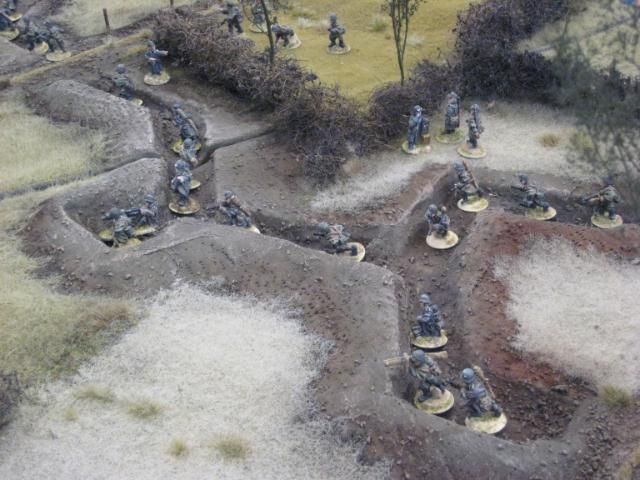
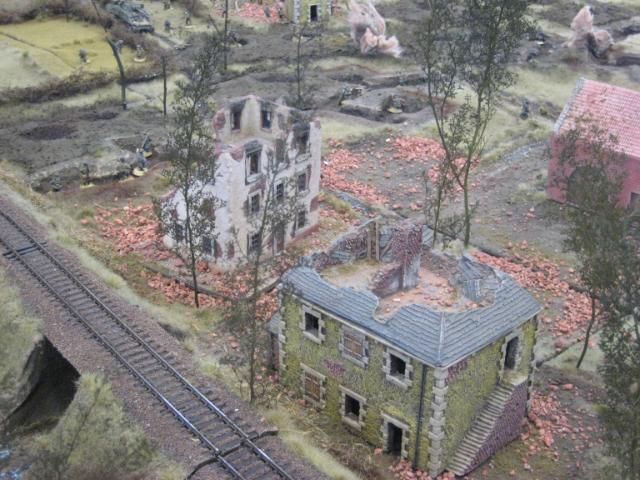
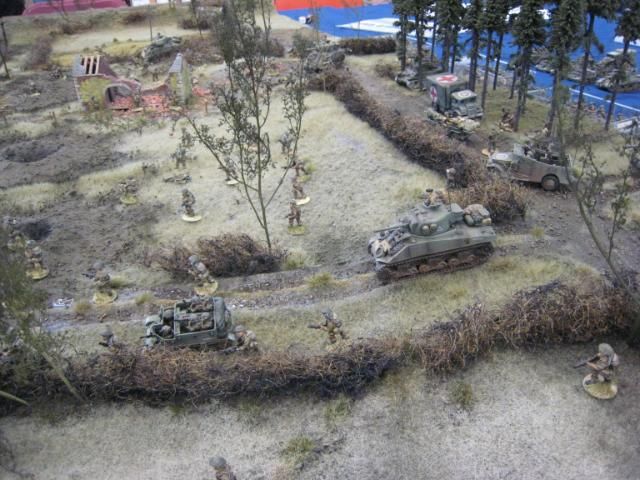
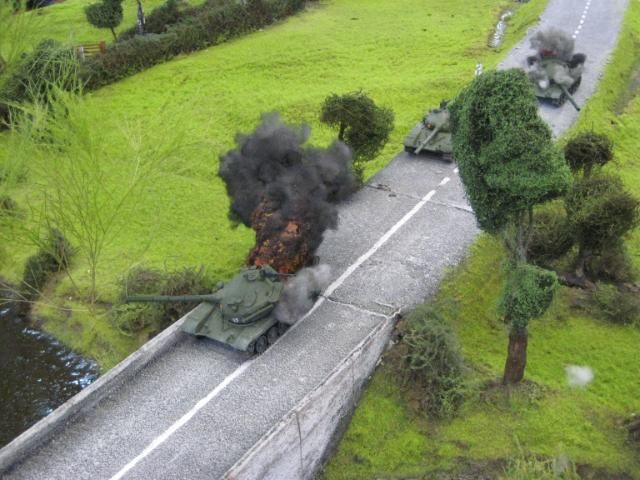
I think the "Best Terrain" award went to Shepway Gamers' "The Hockwald Gap - February 1945" game. This was a 4th Canadian Armoured Division v 116th Panzer Division encounter in 20mm. The terrain was extraordinary - it really did look like a frosty February morning (chum Ronan the Librarian/Supercilius Maximus likened the look to "Band of Brothers"). This was my personal highlight, I think:


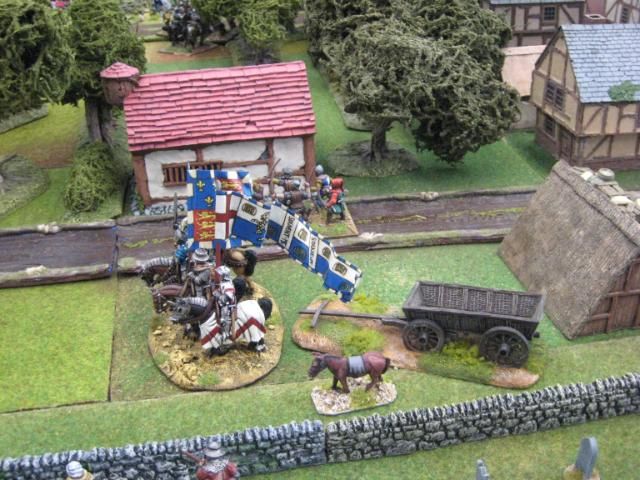
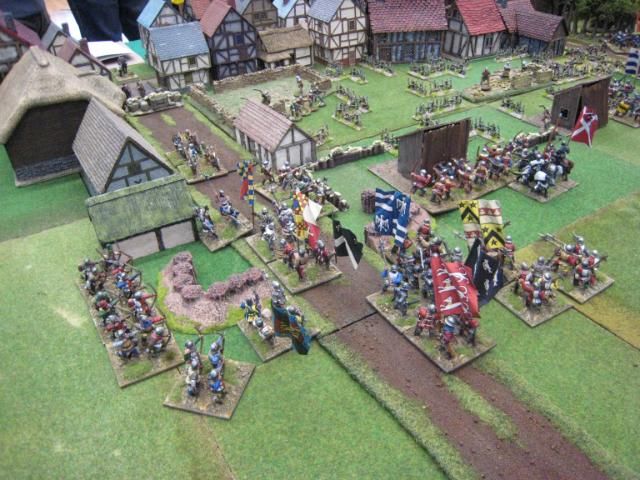
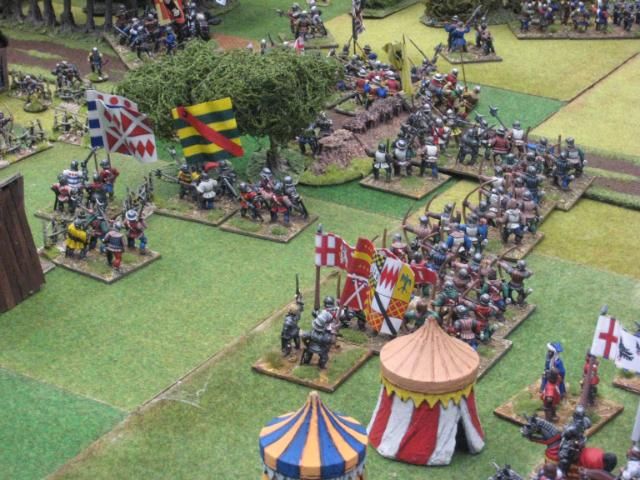
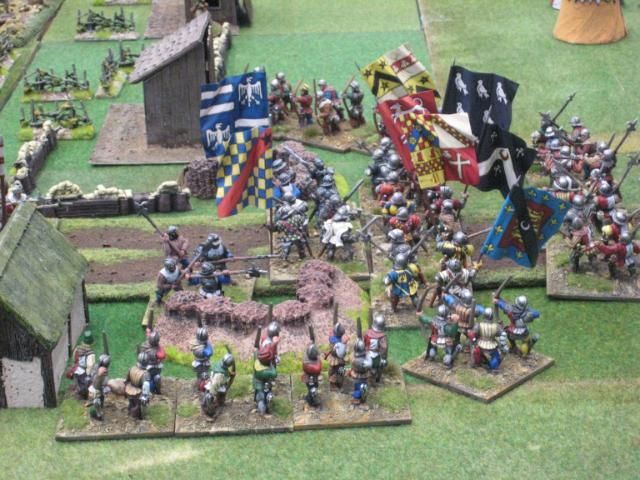
GLC Wargames Club had a very good-looking games from the Wars of the Roses. "First St.Albans 1461" featured mostly Front Rank figures and lots of handpainted livery and flags. The overall effect was pretty stunning:


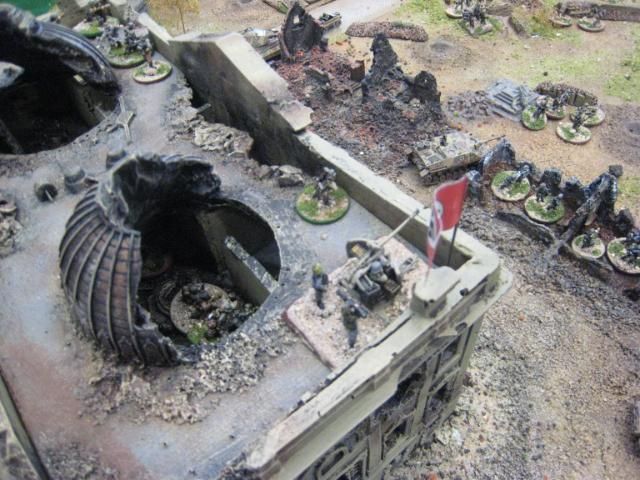
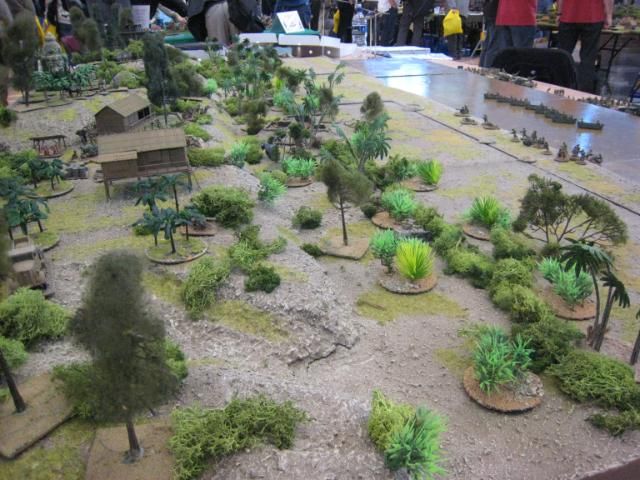
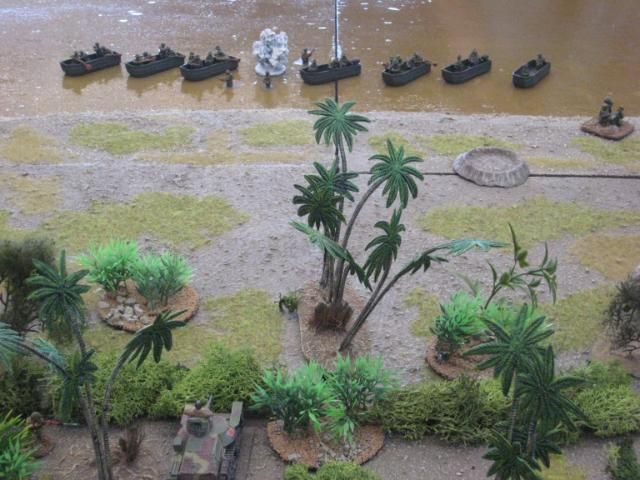
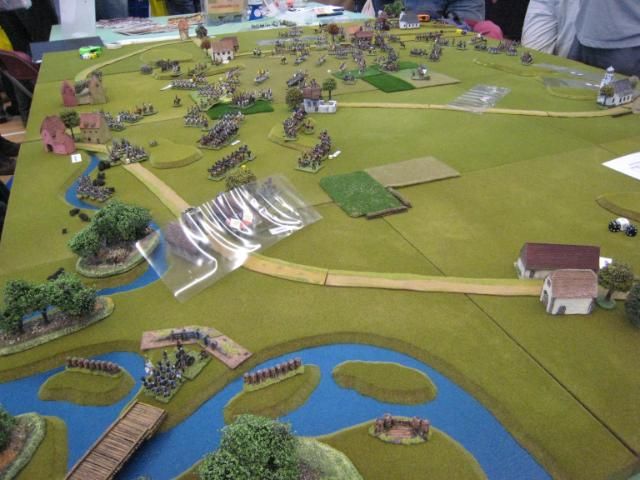
As always with UK shows (and probably other countries' shows too), WW2 was the most popular period. Deal Wargames Club had the "Crossing of the Irrawaddy", in what looked like 15mm with very fine terrain:


Scarab Miniatures returned with their Italian Front WW1 game. I've always had a twinge of interest in this sub-period since I spent 2 weeks in northern Slovenia a few years ago and went to a couple of museums on the Isonzo Front. The terrain is by Kallistra, I think:


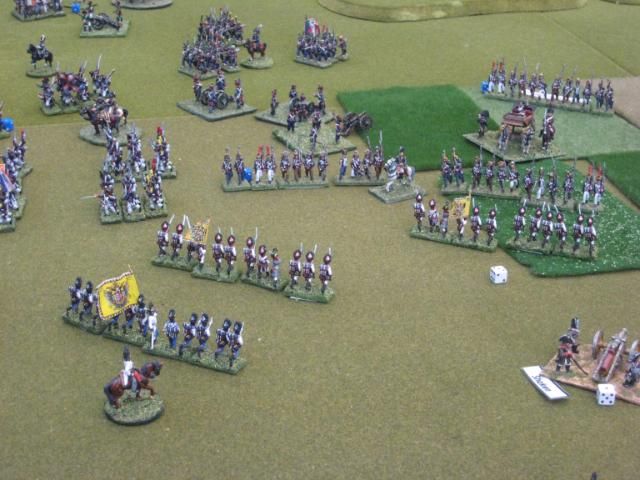
Too Fat Lardies had a 15mm Aspern-Essling games using their "Le Feu Sacre" rules, which drew lots of attention (possibly because Richard Clarke had lost his beard?):


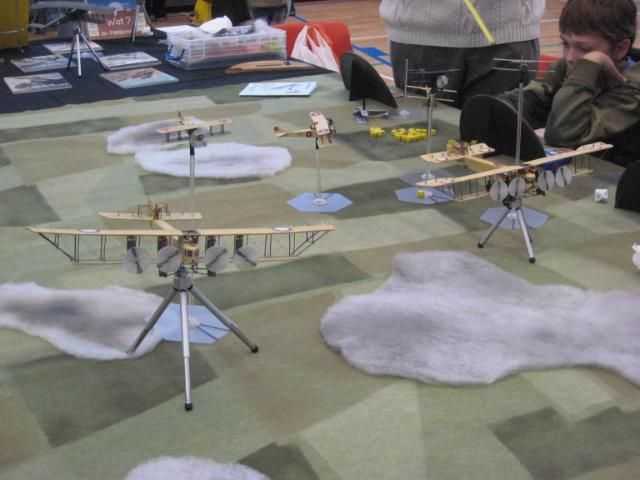
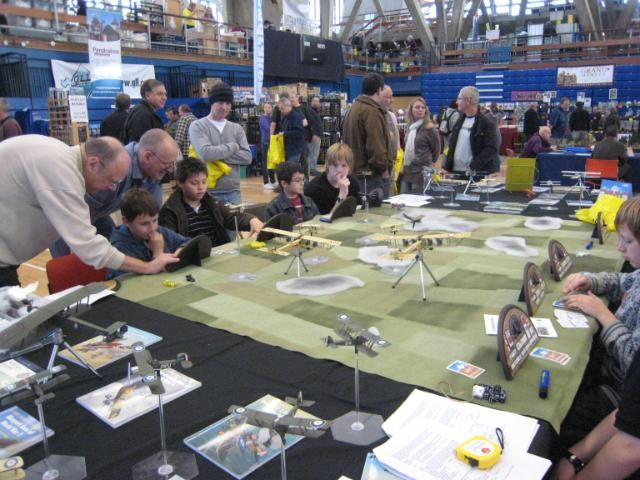
One of the most entertaining participation games was South East Essex Military Society's WW1 air combat "Wot, no parachute?" games; inventive player game accessories and wonderful aircraft modelling:


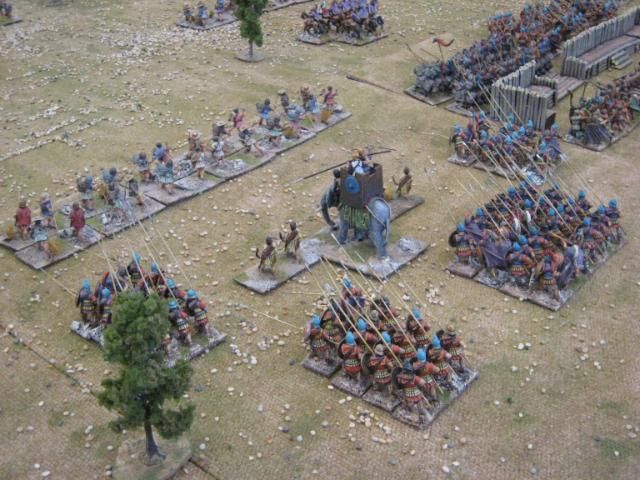
A couple of other games. On the left, the Society of Ancients "Battle of Magnesia"; on the right, "1984" by Southend on Sea Wargamers:


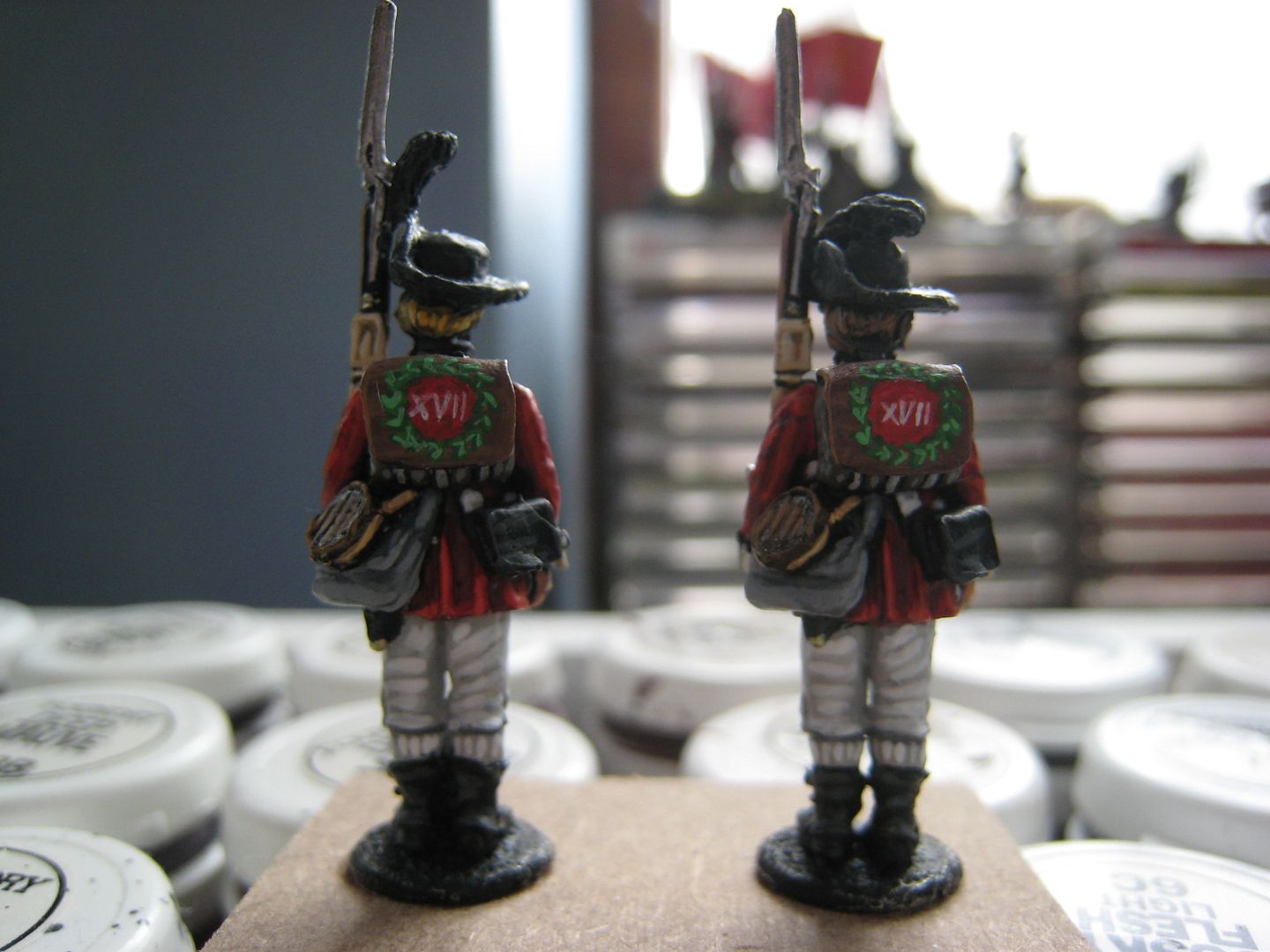
As for my own painting, unfortunately last week and next have been/are write-offs thanks to work (and I'm going to be in Istanbul for a few days - I have no idea how Legatus Hedlius copes with spending so much time overseas away from his family and, more importantly, his paints) but on the workbench at the moment are 3 units: a second Carlist War provincial regiment (the first will be posted later in the week), the second battalion of the Borbon regiment and the 17th Foot for the AWI, with some "artistic licence" backpack motifs. The plan is to have all 3 units finished by the end of the month..... Wip shots below.

Tuesday, 13 October 2009

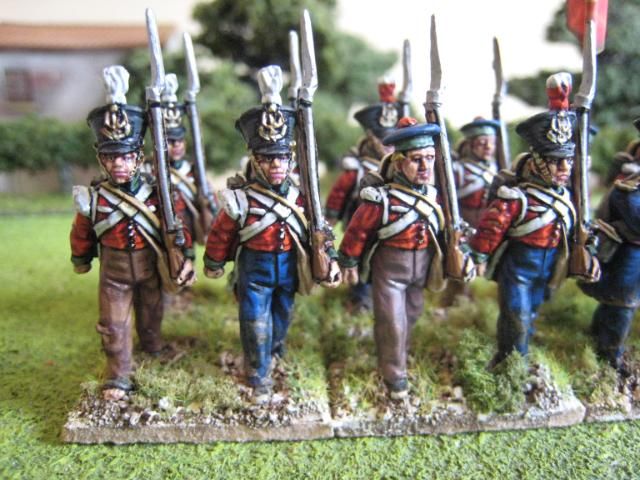
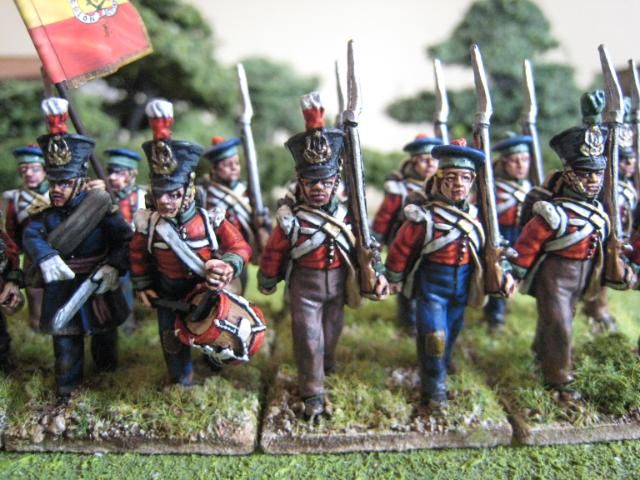
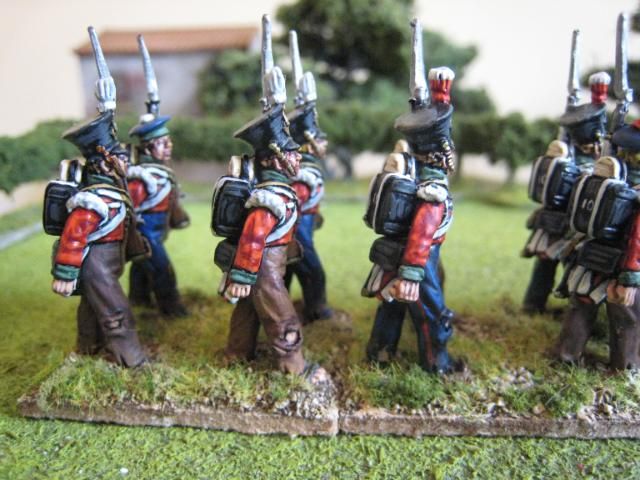
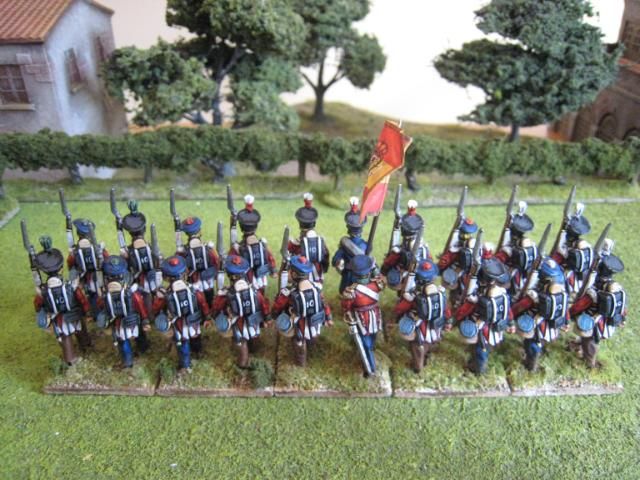
10th Battalion, British Auxiliary Legion


For my second British Auxiliary Legion battalion I thought I'd do another of the Irish units. The 10th Battalion was named the Munster Light Infantry, although I don't think there was any particular distinction in training or use between those battalions which were called "light infantry" and those that were not. There does seem to be evidence, however, that the battalions were often organised into "English", "Scottish" and "Irish" brigades, so the 10th was a natural successor to my 9th "Irish" Battalion.
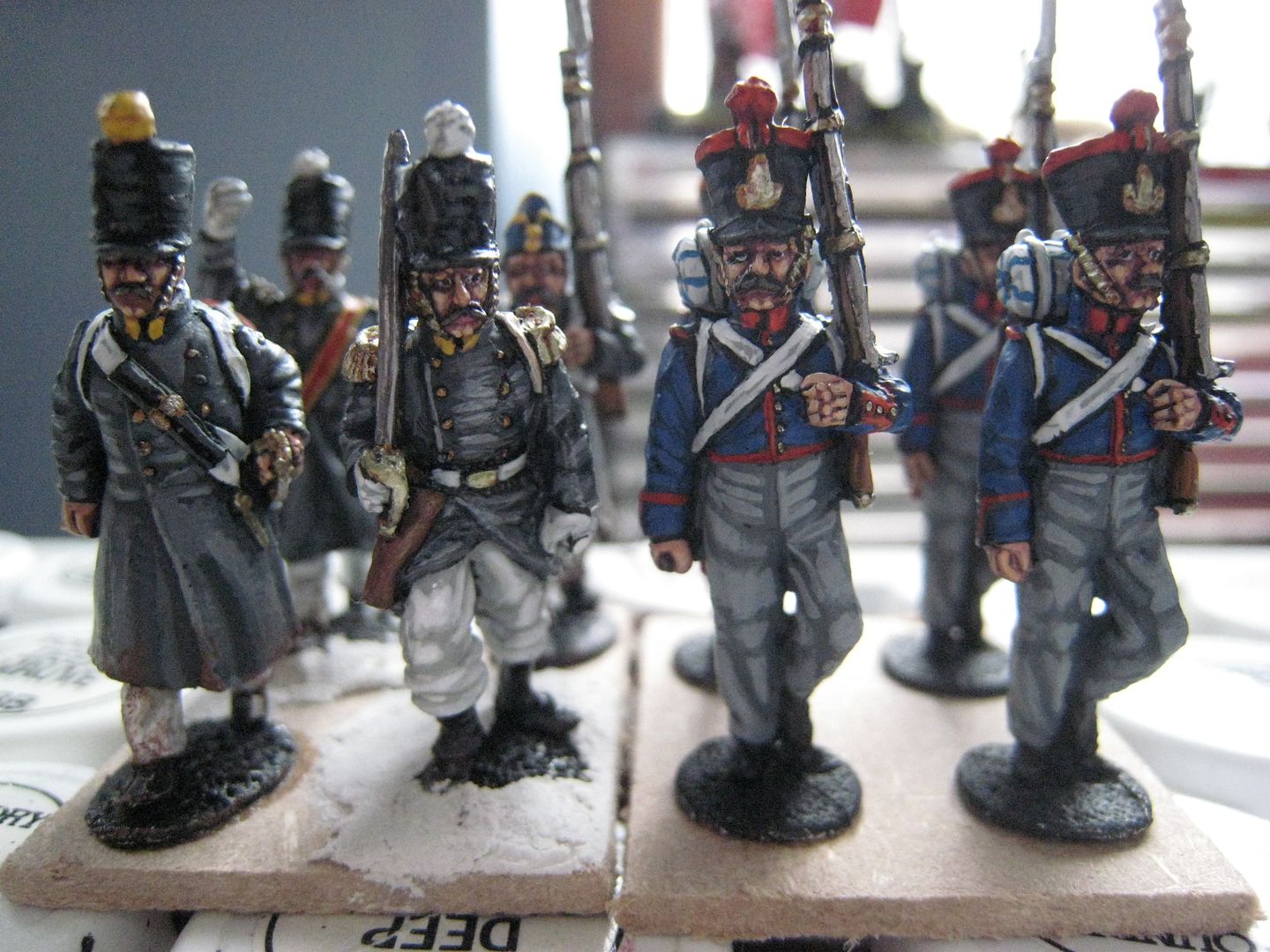
I wanted to portray this unit in a really ragged state. As mentioned before, the BAL suffered appallingly during its first Spanish winter, with many troops falling victim to disease and the cold. In addition to having trousers in different colours and painting lots of patches, I used green stuff to rough-up some of the trousers and tunics and I also opened up a couple of shoes to show bare toes underneath. I then added lots of mud to the figures once the painting was complete. I think the result looks suitably shabby, although I'll ensure my next BAL units are much more regular in appearance. The Adolfo Ramos flag collection for this period seems to do 4 numbered flags for the BAL infantry - the 3rd, 4th, 8th and 9th battalions. It was simple enough to paint over the 4th's flag and replace the "4" with a "10"; one trick I've picked up when amending flags is to paint the numbering in black first and then go over that in gold (or whatever), so that the gold top colour has a small black border to help the numbers stand out.

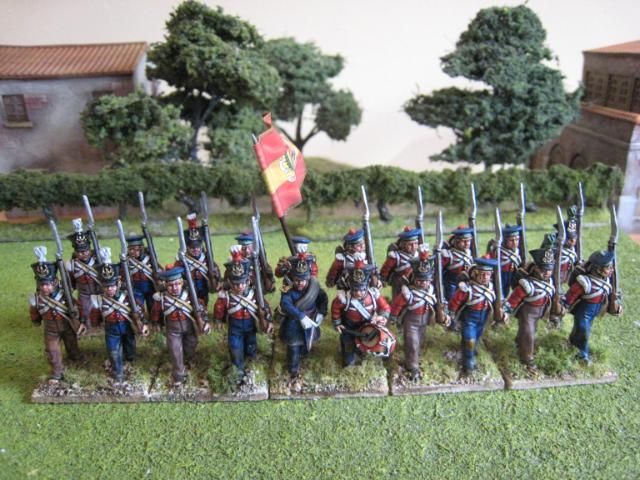
The reason why I paint FCW units in pairs is that each command pack in the range contains sufficient figures for 2 units. Given my self-imposed rule of not buying any more FCW figures until I paint the ones I have, this means that I always have two similarly-posed units to paint before I can order any new figures. So at the moment I am working on the second greatcoated battalion of the Borbon Regiment and the second of my pair of provincial regiments (the first of which will be posted at the end of this week). I'm now very close to Baby Zero Hour, but I think the next pair of FCW figures will be some Isabelino light infantry or perhaps the new BAL figures running at trail. I will then have a dozen or so Isabelino units so it will be time to turn to the Carlists.

20 figures. Painted August/September 2009. Flag by Adolfo Ramos.


Friday, 9 October 2009

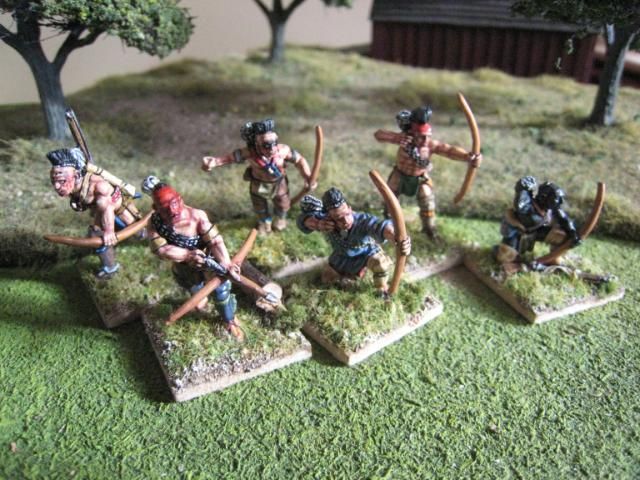
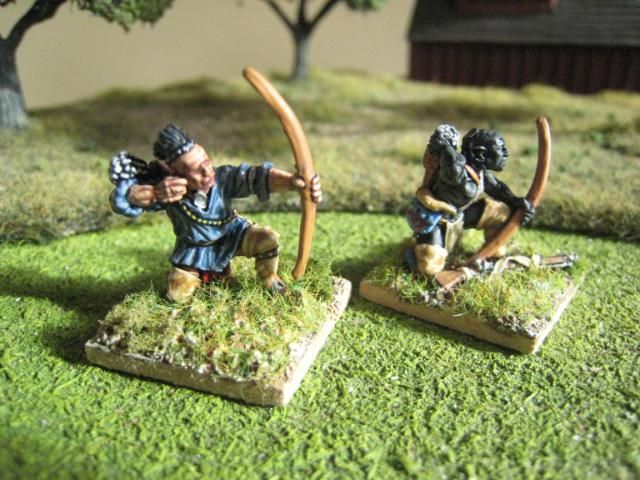
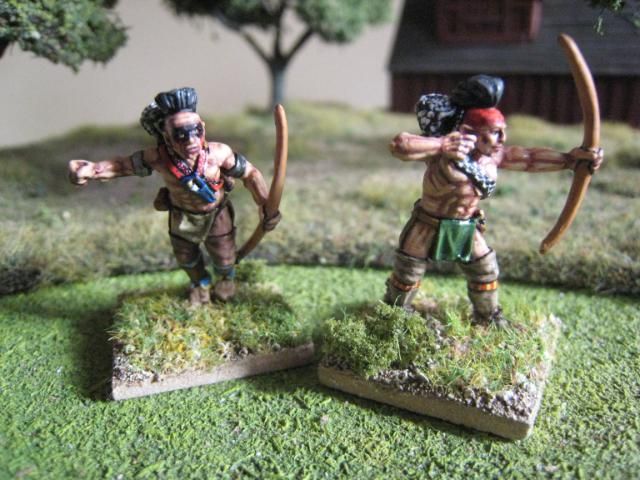
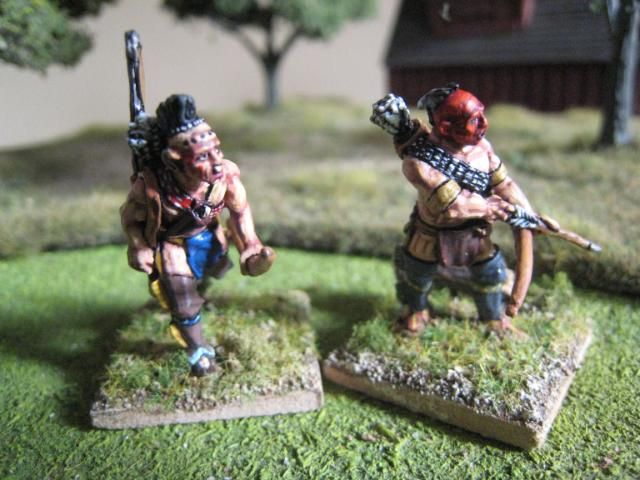
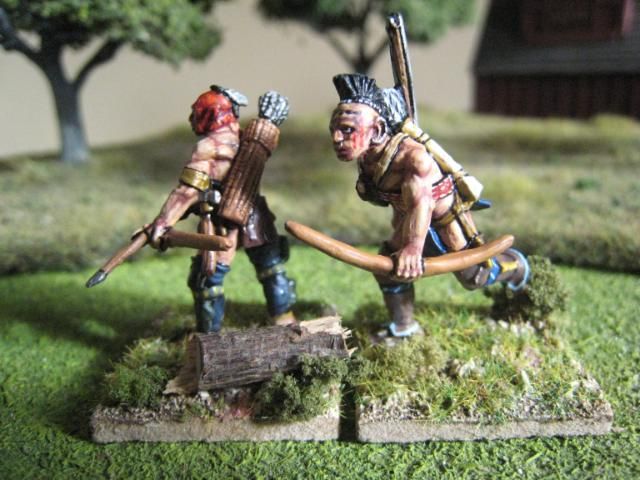
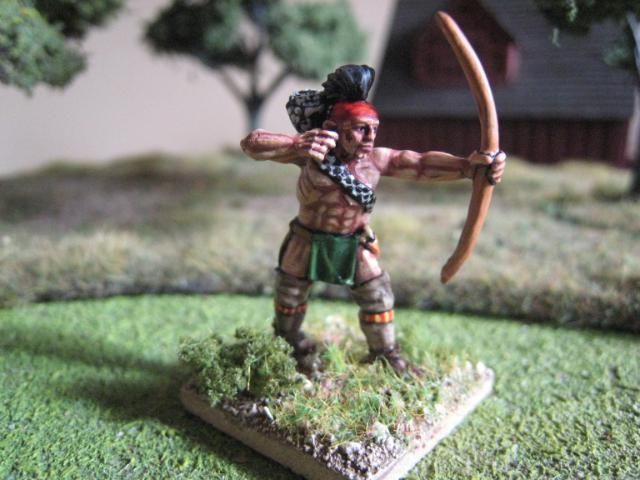
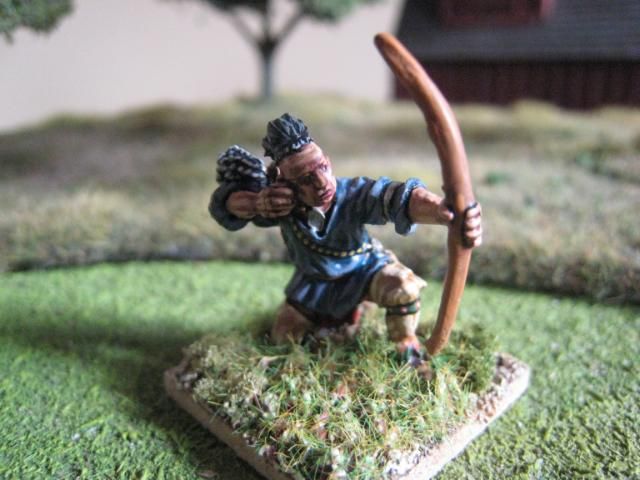
Iroquois (4)


These are my first new indians for almost 2 years. When I painted the various Perry Miniatures packs over the summer of 2007 I left out the pack of bow-armed figures for some reason (and I see I forgot to post pics of one of the other packs). I've been meaning to paint figures these for a while and the other week the urge to do arrived. I don't worry too much about the skin tone of native Americans - my feeling is that, whilst some people manage to catch the darker/redder look very well, the difference in skintone is not something I think makes much difference in 25mm. Also, I have my recipe for flesh and wouldn't really know how to start amending it for "redskin" skin. The figures are based on 25mm x 25mm squares, which is the standard frontage and depth for skirmishers in the "British Grenadier!" rules

Once again, I apologies for the rather dull nature of the photos. I'm just not getting the lighting right at the moment, which I hope is due to the changing autumnal sky rather than anything I'm inadvertently doing myself. I might try experimenting with artificial lighting. Next up, lots more First Carlist War and I've started work on another AWI British line battalion.

6 figures. Painted September 2009.


Monday, 28 September 2009

63rd Foot


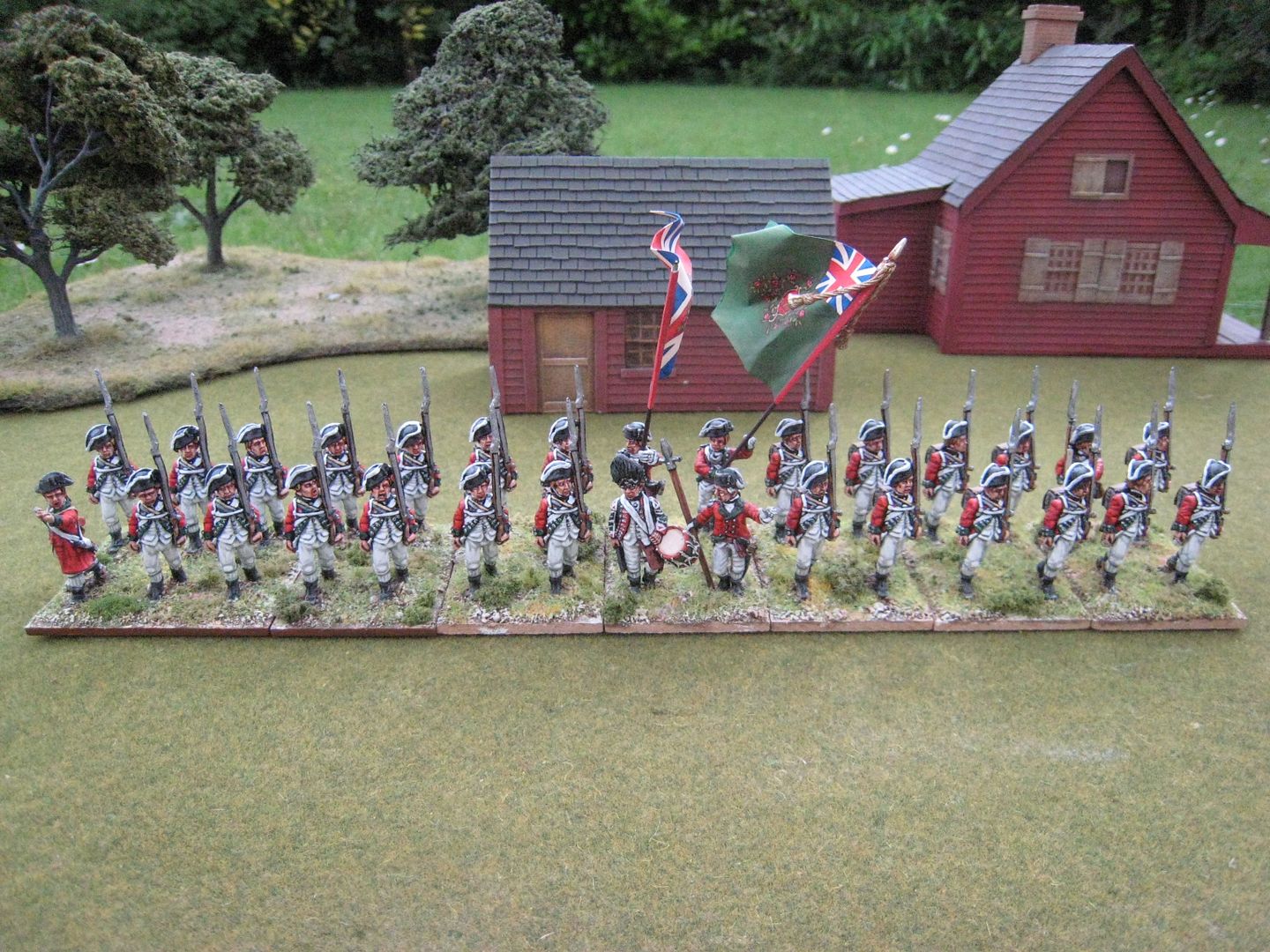
The 63rd arrived in America from Ireland and saw action almost immediately at the bloodbath of Bunker Hill. It remained with Howe's Boston command and saw further action at Long Island and at Monmouth in 1778. It moved to the Carolinas in 1780 and was engaged in the capture of Charleston, where it was then garrisoned. Apparently an element of the 63rd became mounted dragoons under Tarleton, which would be fun troops to model, and the regiment participated in Camden.


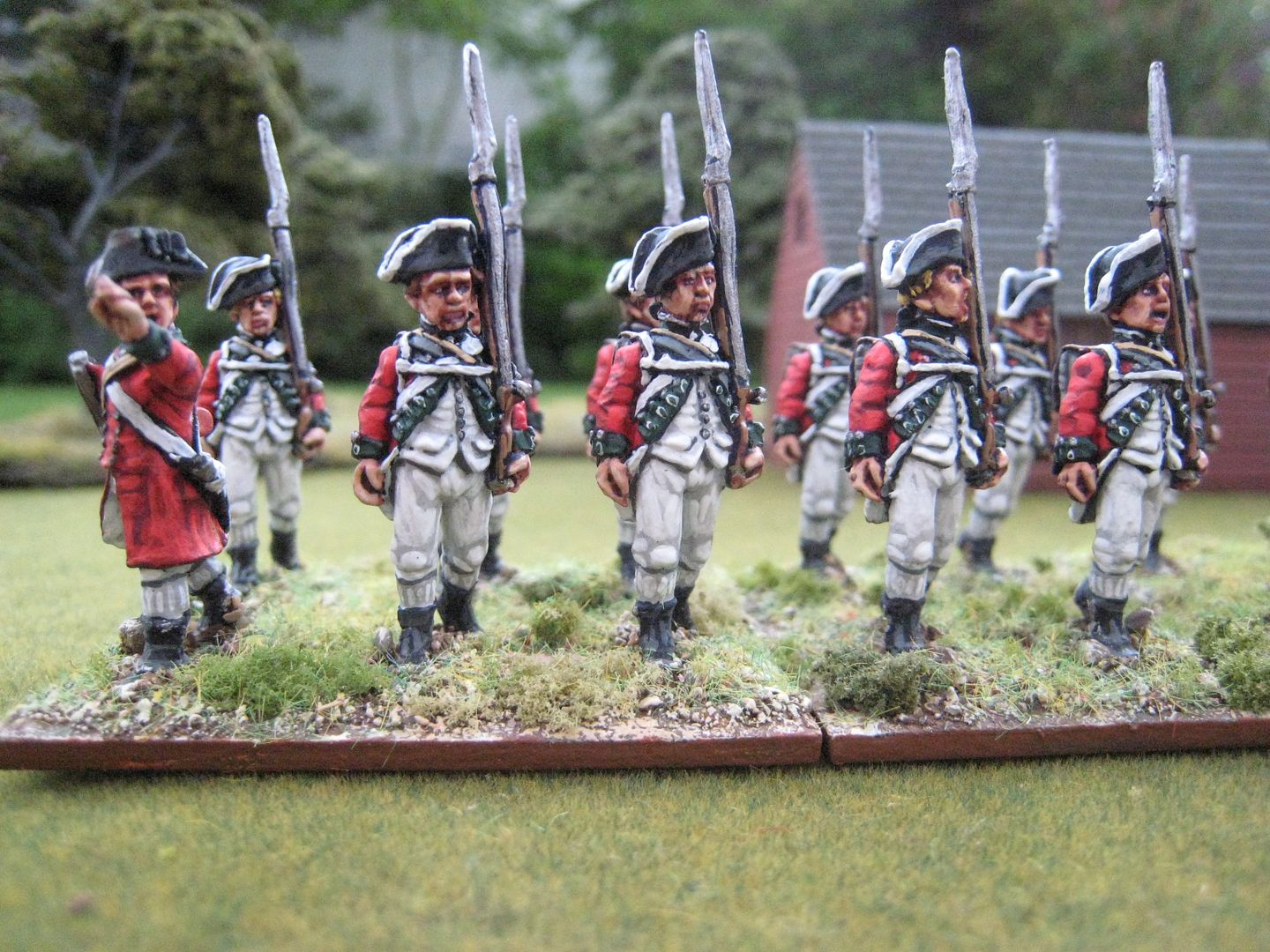
The published "British Grenadier!" scenarios feature four appearances of the 63rd: Bunker Hill (20 figures); Long Island (16); "early" Monmouth (16) and Hobkirk's Hill (16). This mix of battles means that the wargamer is presented with a choice of putting the regiment into Royal Warrant kit for Bunker Hill and Long Island, the mid-war cut-down coats/slouch hat look for Monmouth or some other form of campaign dress for the Southern campaigns. I decided to leave out the middle option and paint figures in full dress specifically for 1775. It also occured to me that I could use the figures in slouch hats and roundabouts that I painted for the 40th Foot some time ago for Hobkirk's Hill. These figures do not have facings and I forgot to paint the cross-belts buff , so they can pass for any regiment in this sort of campaign dress - all I needed was an extra command stand with the 63rd's colours. I painted that command stand a couple of years ago and below are a couple of pics of the 63rd Foot Bis. Now I know that there is debate about whether line regiments adapted their uniforms to make roundabouts, and the red plumes are also only suitable for the 40th (for a discussion on plume colours see here), so these figures are not 100% accurate by any means. But one tip for dealing with regiments that might only make a couple of appearances in the later war period is to paint up a load of rank-and-file in roundabouts and then add command bases for specific regiments.


I've had these figures in the leadpile for a while and they were always near the top of the list of AWI units I wanted to polish off. I know have all the regiments for Bunker Hill in proper Royal Warrant dress. I painted a crown on the backpack flaps to make them a bit more interesting. As these figures are intended primarily for Bunker Hill I wanted to try to make the men look as miserable as possible. The 63rd was part of the third wave and knew what was in store for them. Marching up to the redoubt in the face of the Americans' fire, seeing many from the first two attacks lying on the field, must have taken guts.


20 figures. Painted September 2009. Flags by GMB.

UPDATE: a further 10 figures were added in 2016 to take the unit up to 30 figures for the Hudson Forts scenario (as per the photos above).