Wednesday, 20 April 2016

Salute 2016

I've been slow at uploading my Salute photos, but I have an excuse.  Saturday was my birthday, so after Salute I headed down south to my parents, who babysat while the Kiwi and I enjoyed a (very rare) night out.  Then on Sunday we drove off to LEGOLAND (I've no idea why this word capitalises itself whenever you type it) for 2 days of, er, Lego fun.  The boys loved it; my feet didn't, especially after spending all of Saturday walking on Excel's concrete floor.  I didn't even get a chance to open my Salute stuff until Monday night when we returned home (and then only after I'd helped the boys build all their new Lego Star Wars goodies) and I spent yesterday sorting through my photos.  So I'm late, but I have a good excuse. 

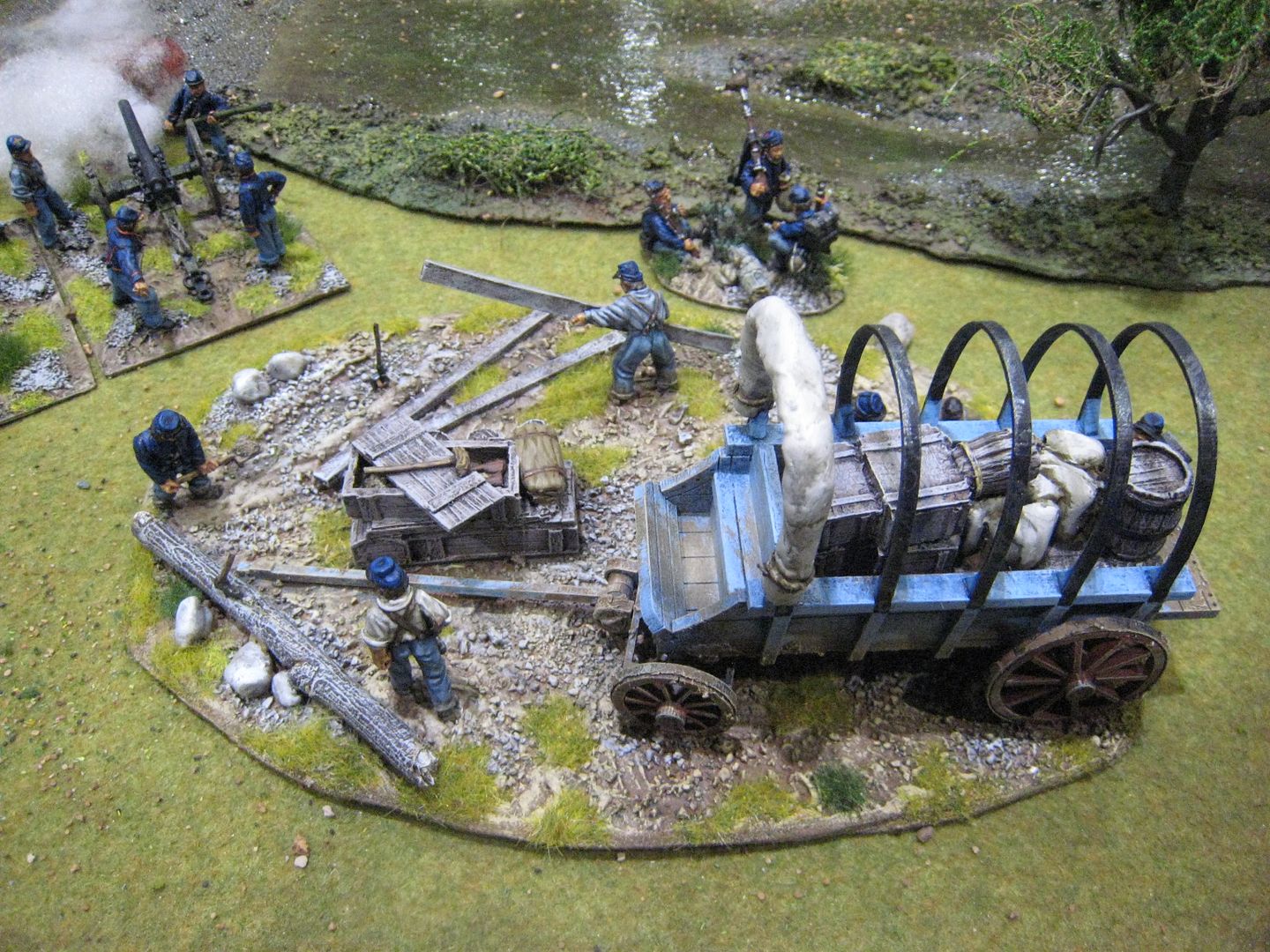
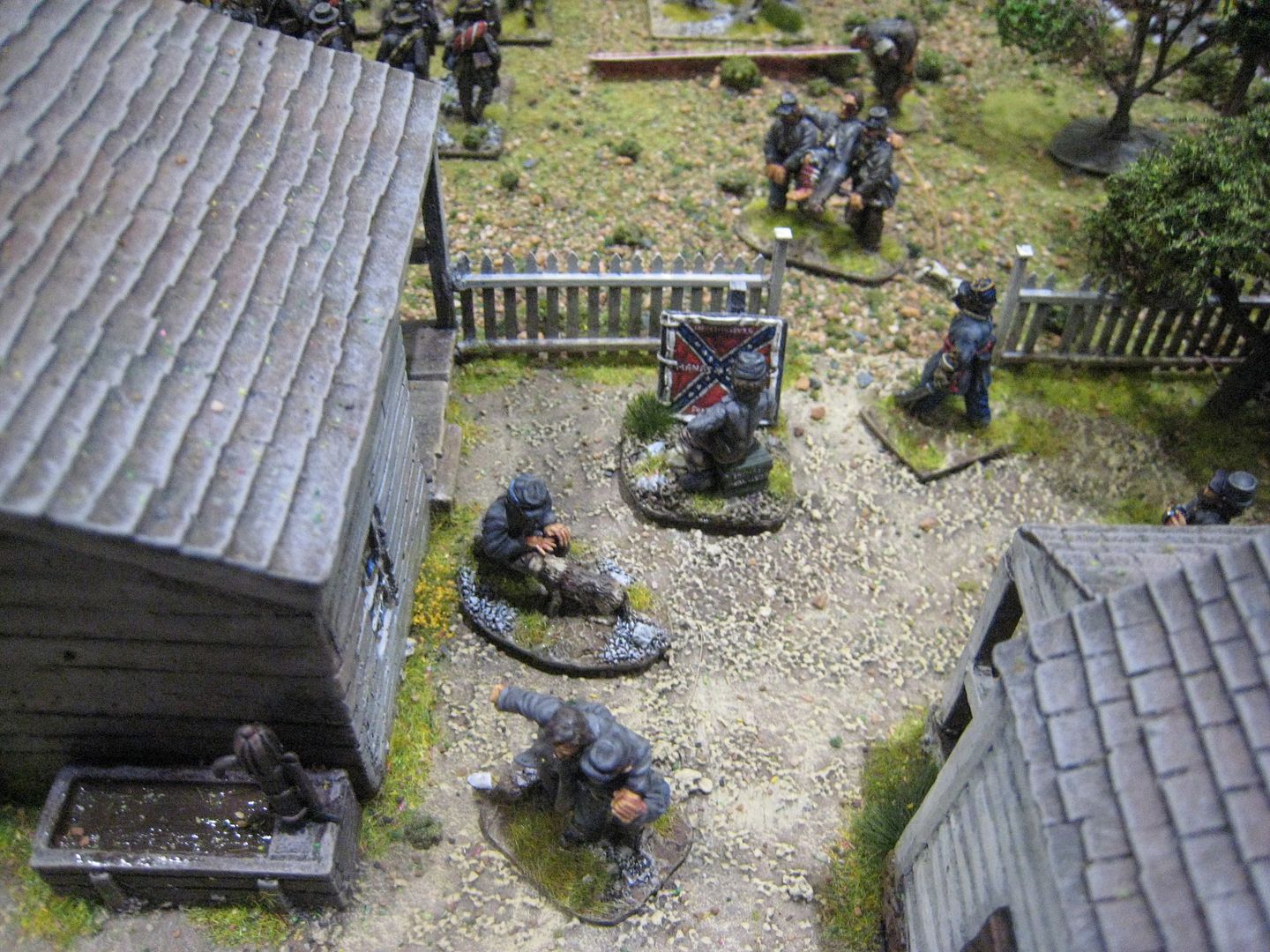
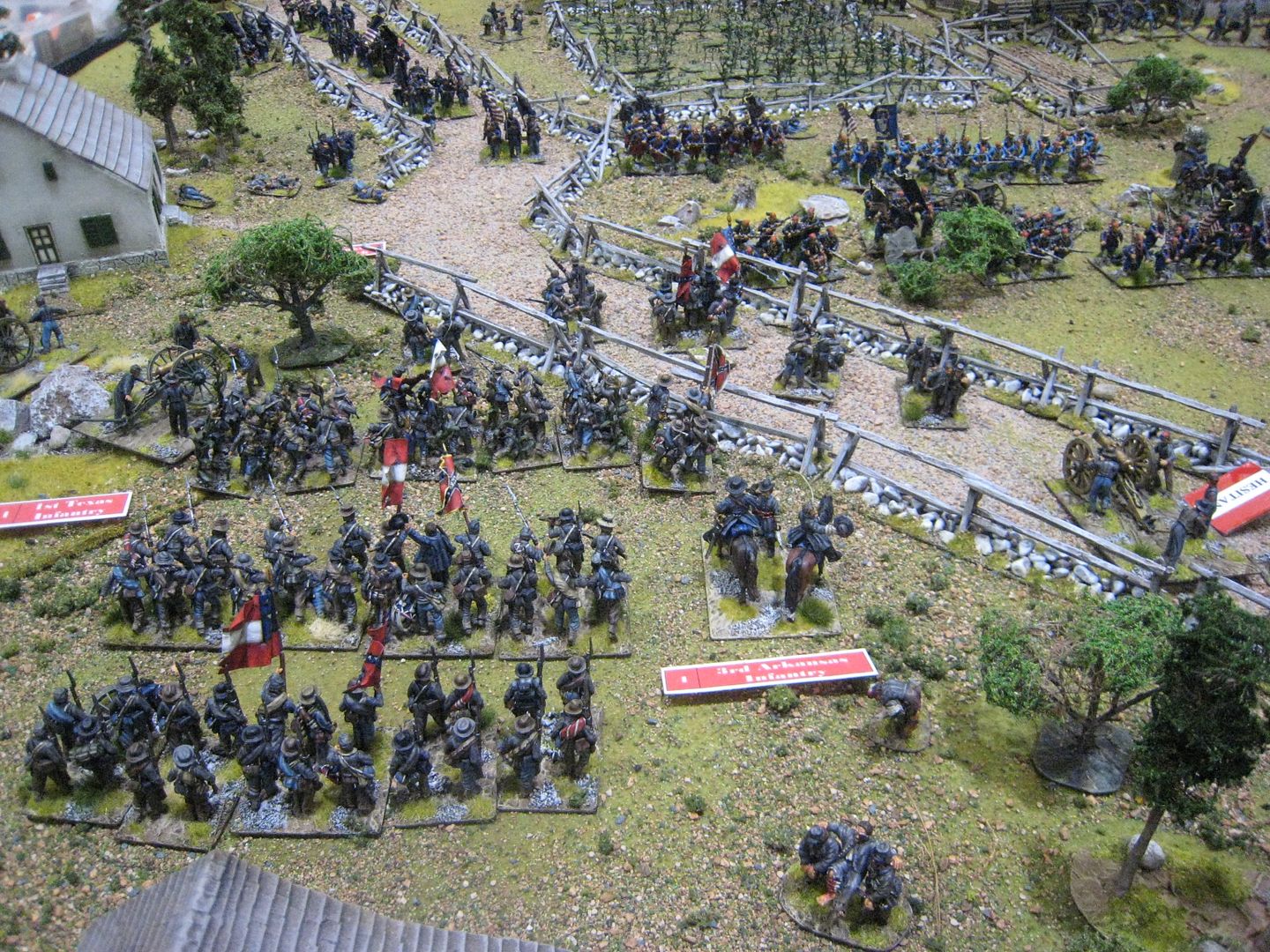
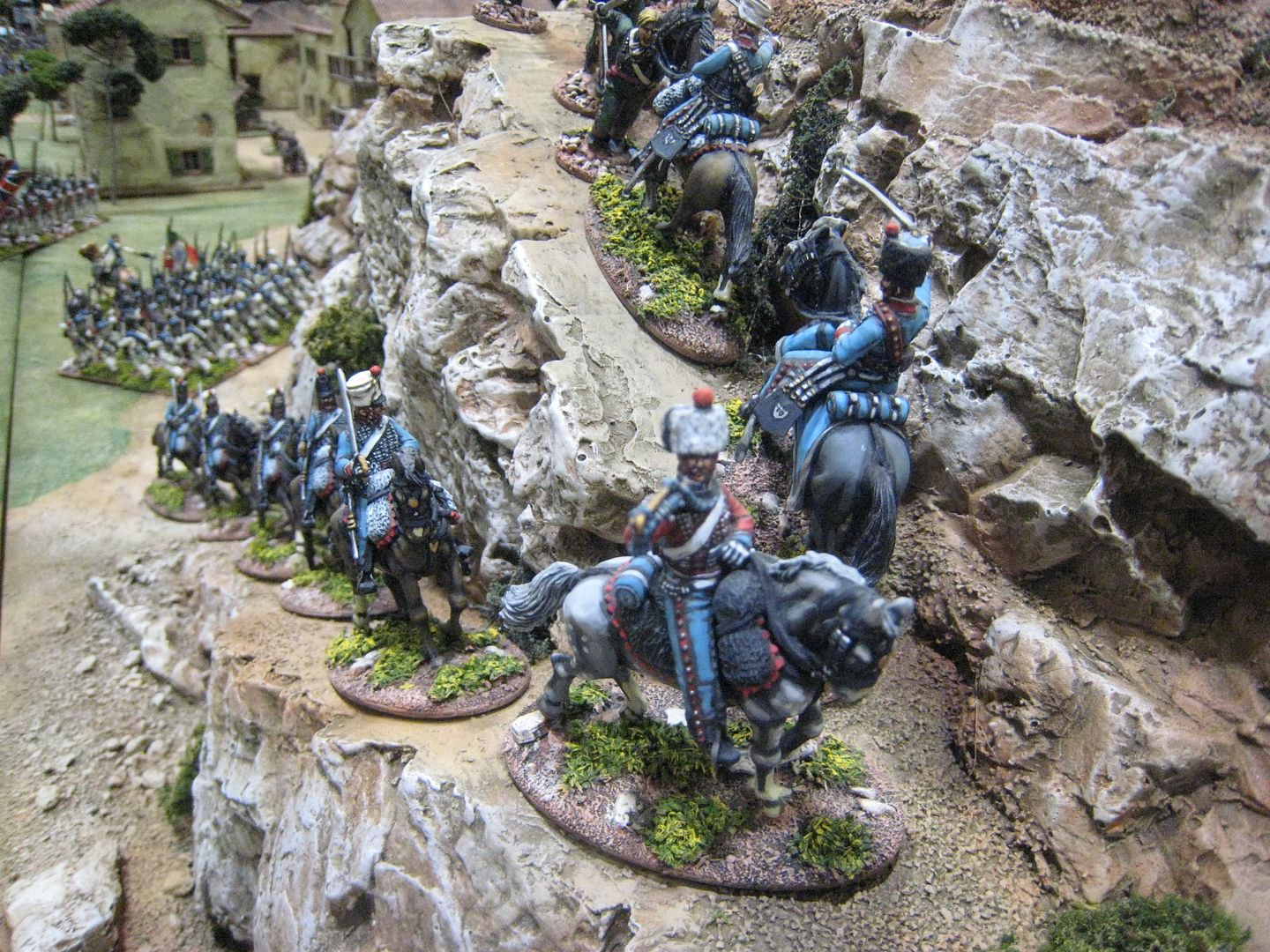
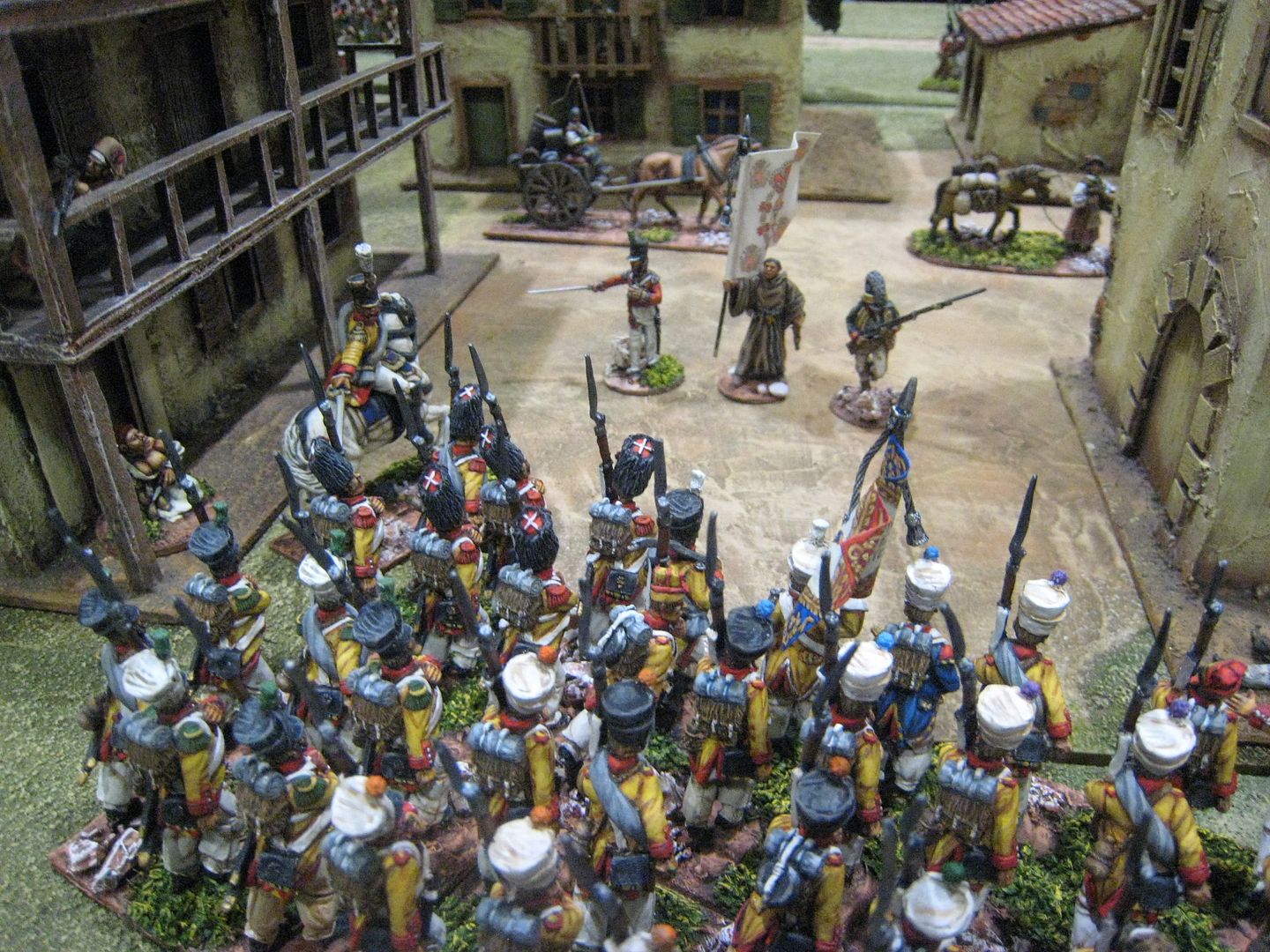
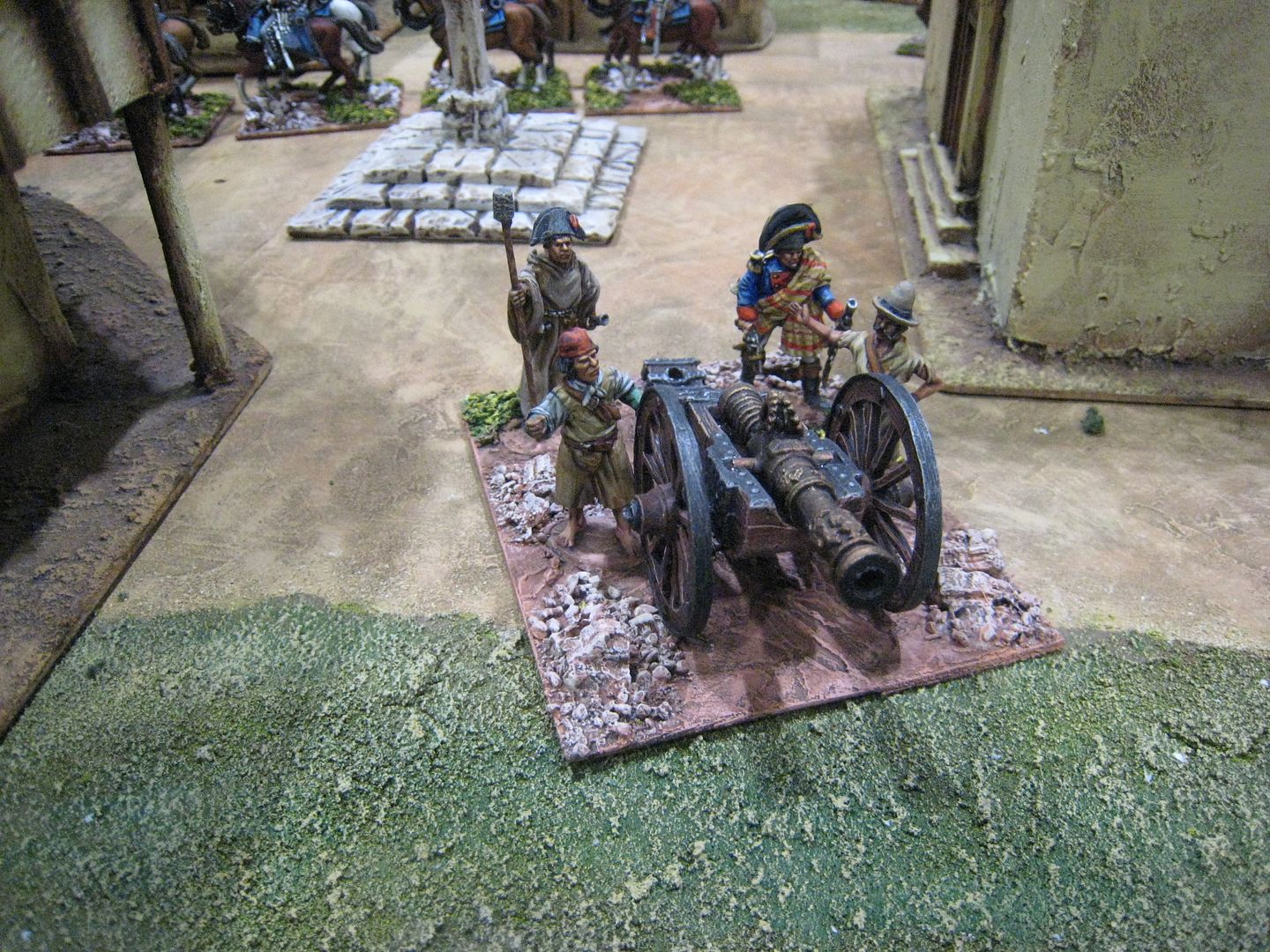
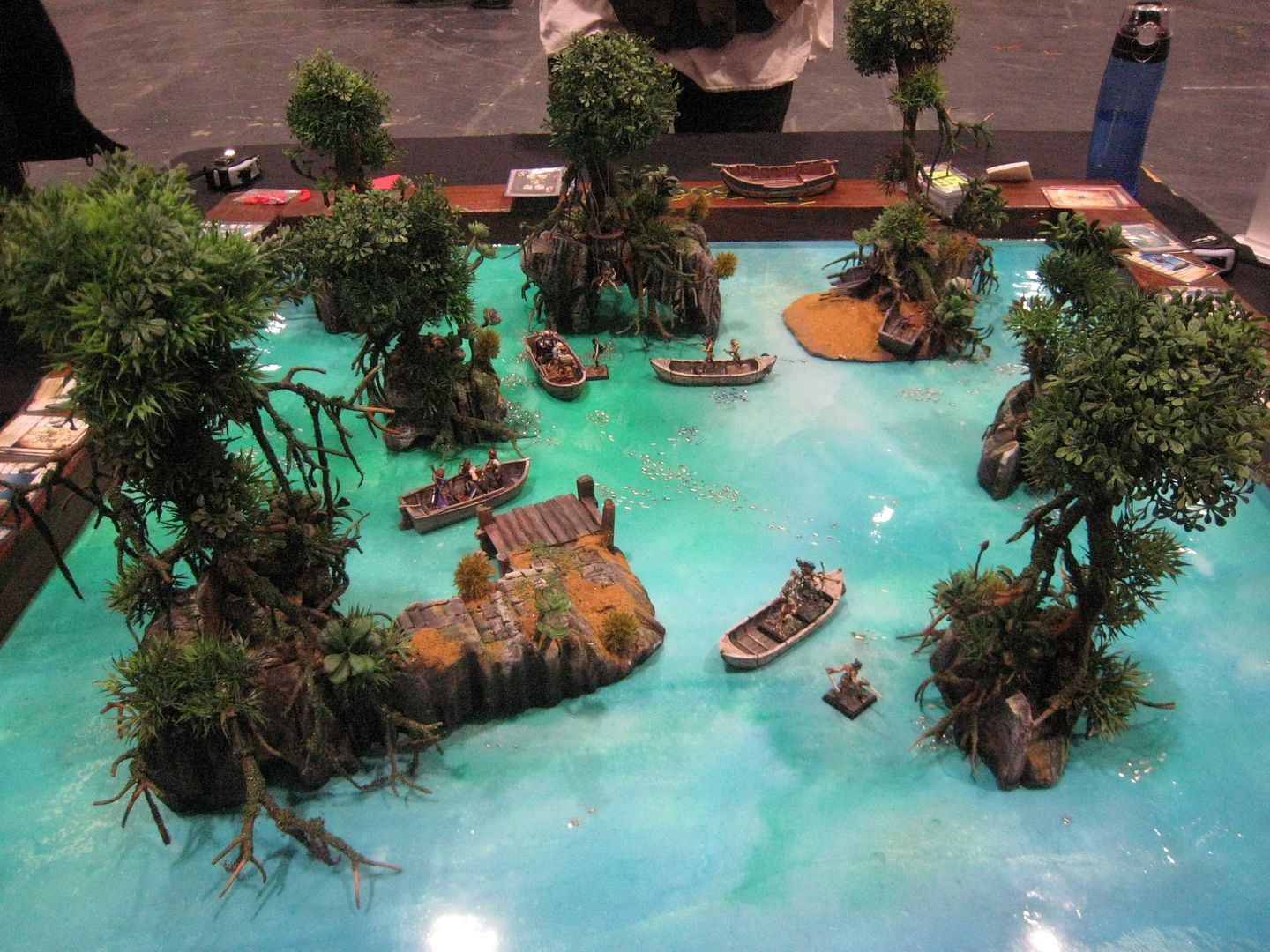
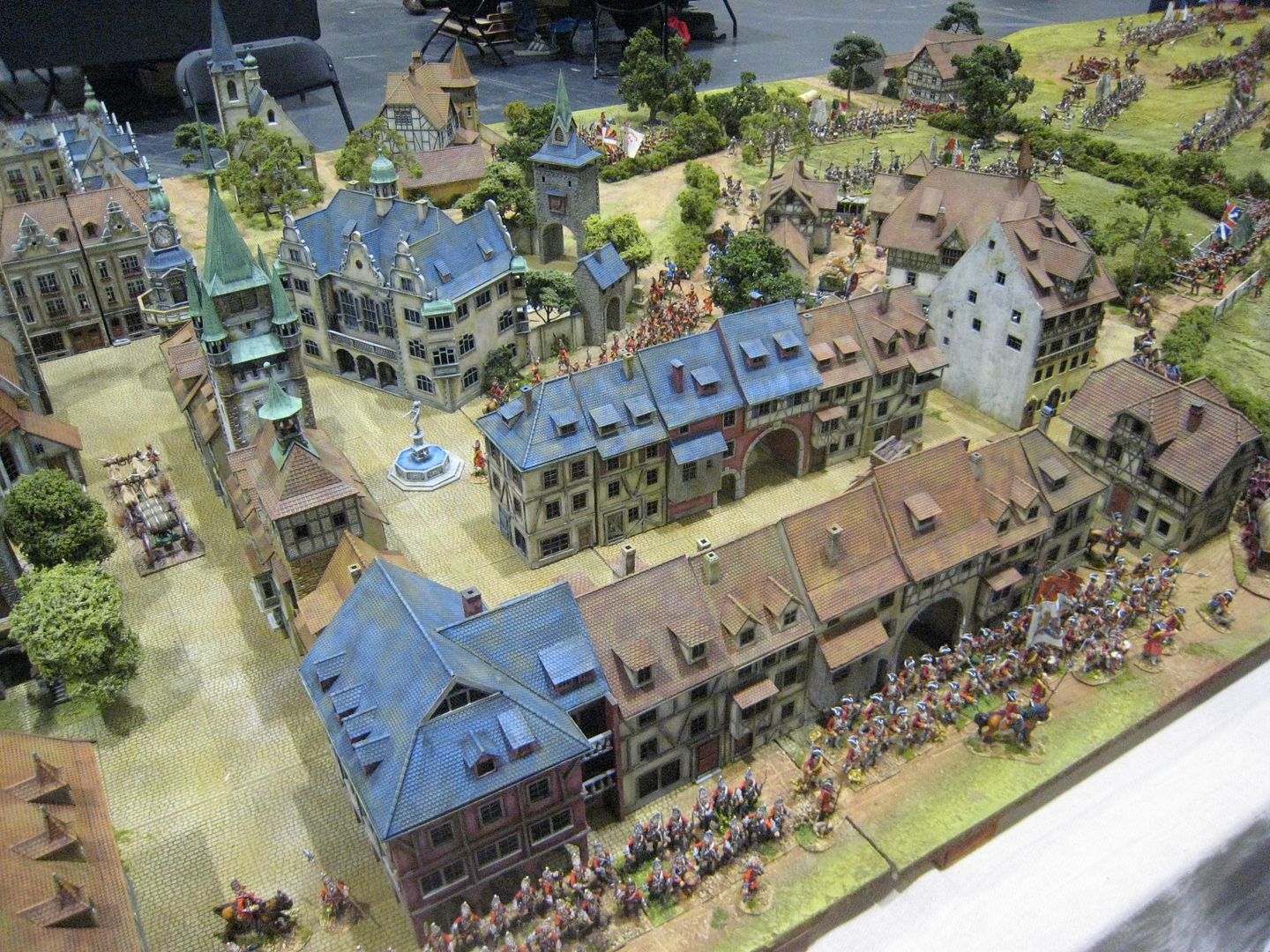
Overall impressions?  The new ticketing system works like a dream.  I arrived at 11.20am and walked straight in.  The show was crowded and I'm sure that each year one sees more women and children.  As others have noted, as a historical gamer my feeling was that sci-fi and fantasy games and traders are on the rise and will in time outnumber the historical ones.  Nothing wrong with that in itself - Salute has always been a broach church and it's stated aim is to show the hobby in all its many guises.  On the historical side, I did feel a sense of "seen that before" with many of the games (I'm pretty sure there were a handful of games which were also at last year's show).  I suppose there are only so many ways you can do a large 25mm ACW game or a 15mm Napoleonic game, but I'm sure I'm not alone in responding more positively to those games which feature off-beat periods or present a familiar period in different light.  There were, of course, some large and spectacular historical games.  My own feelings on these are mixed.  On the one hand, they are beautiful to look at; on the other, they have the feel of large dioramas rather than "games" as such.  I wonder whether the much-publicised Peter Jackson Gallipoli and the Perries' Agincourt displays will have an influence on what some people try to put on at shows like Salute.  As I've said before in other show reports, simply cramming as many figures on the largest table available is all very well if the "game" hangs together, but quantity doesn't always equate to quality.

Shopping was moderate: AWI British and paints from Foundry; Perry AWI, early Napoleonic British and the new Cape Wars figures from Dave Thomas; the Perry/Snook Cape Wars book; subscriptions for MWBG and WI; Napoleon's carriage from Warlord (largely courtesy of the £25 voucher that came with the WI sub); a few palm trees; various figures from Eureka.  Some of those purchases are for a new project - Cape Town, 1806.  More on that in due course.

Anyway, to the photos.  As always, apologies to all those games that I managed to miss (particularly the Agincourt game and Dalauppror's medieval Denmark game - gutted to have missed those). 

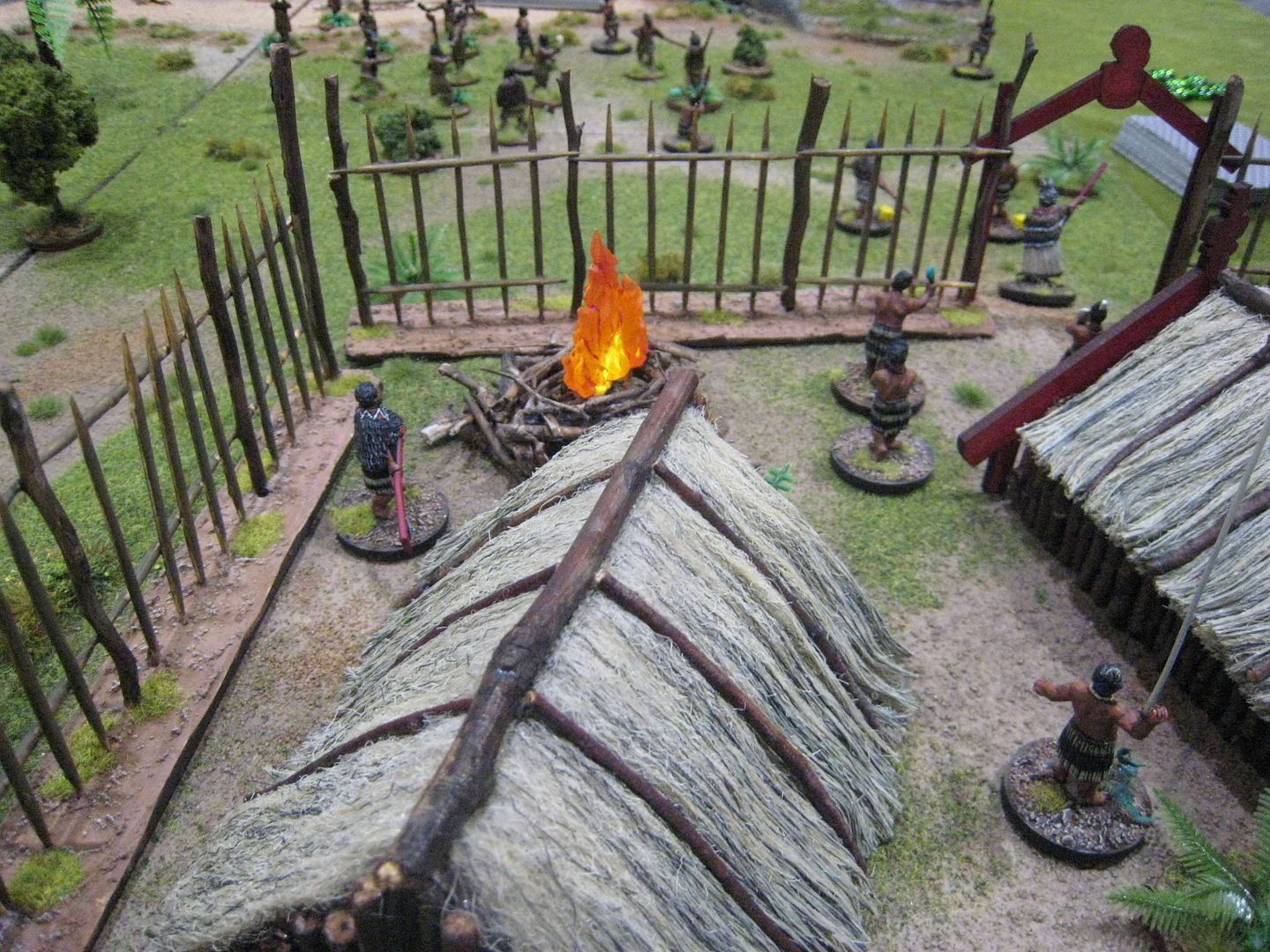
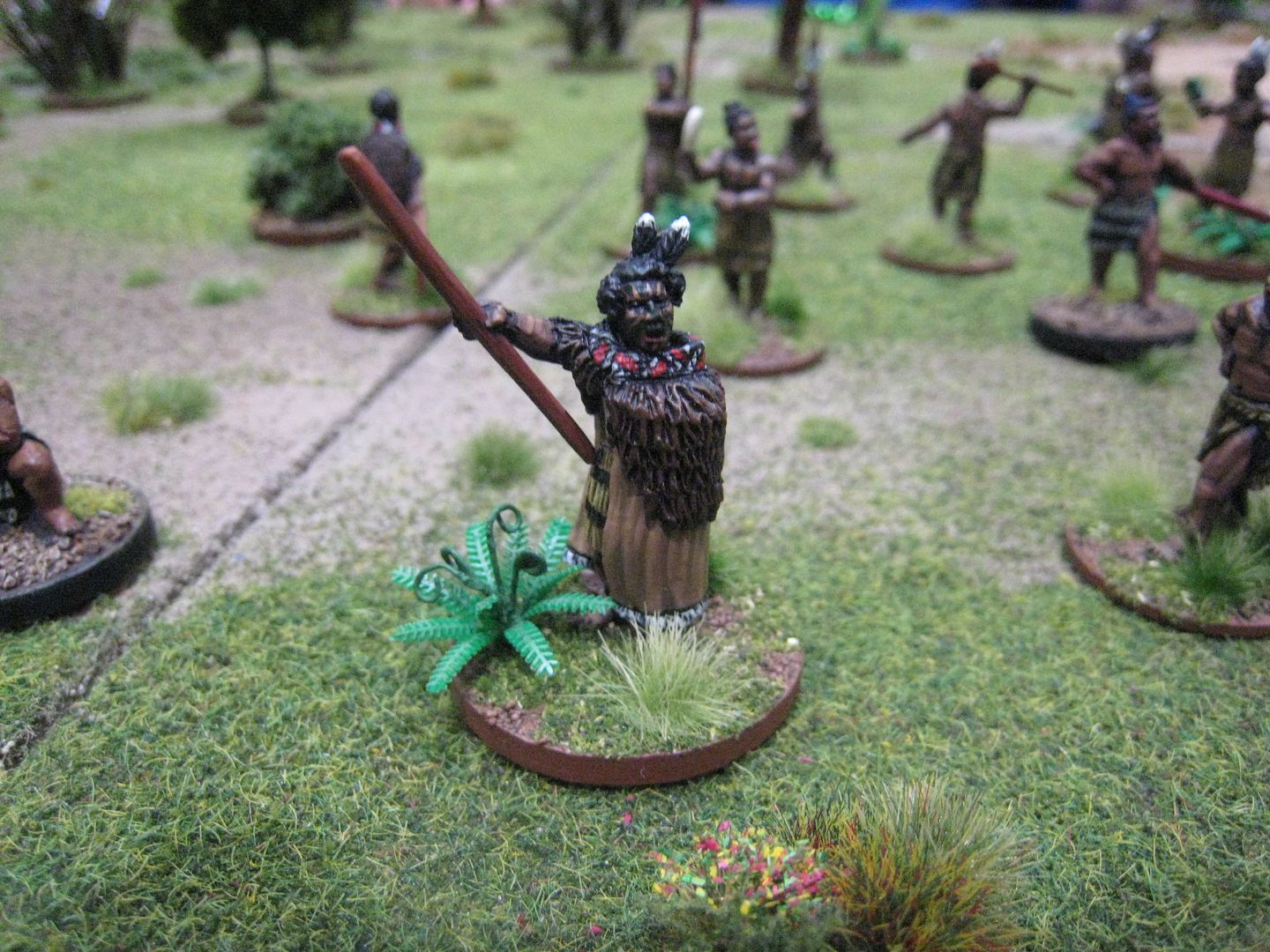
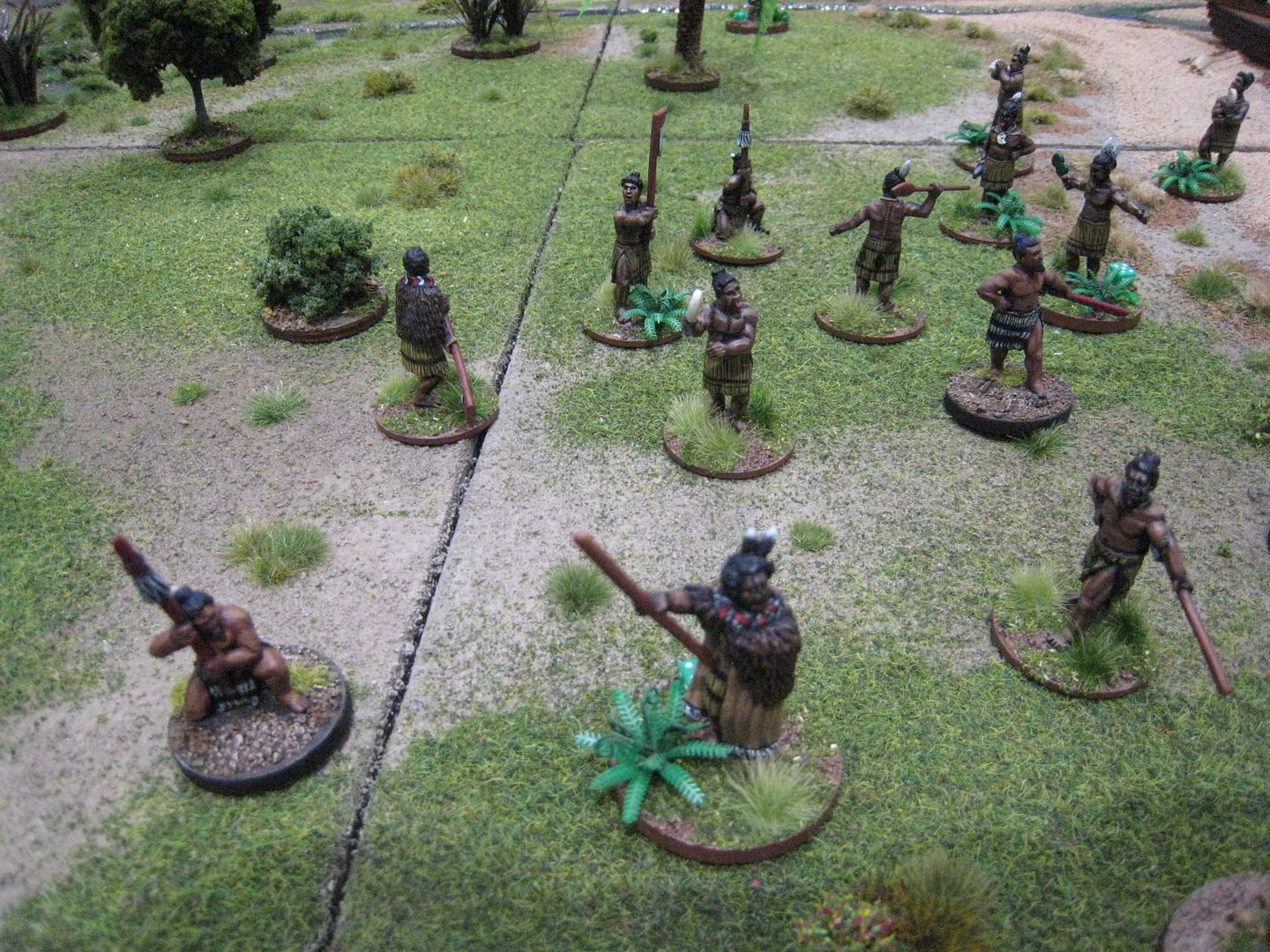
First up is the first time I've seen Maoris, courtesy of "Little Wars Australia" and using Eureka's excellent figures.  This showcased some forthcoming rules for pre-pakeha era skirmishes.


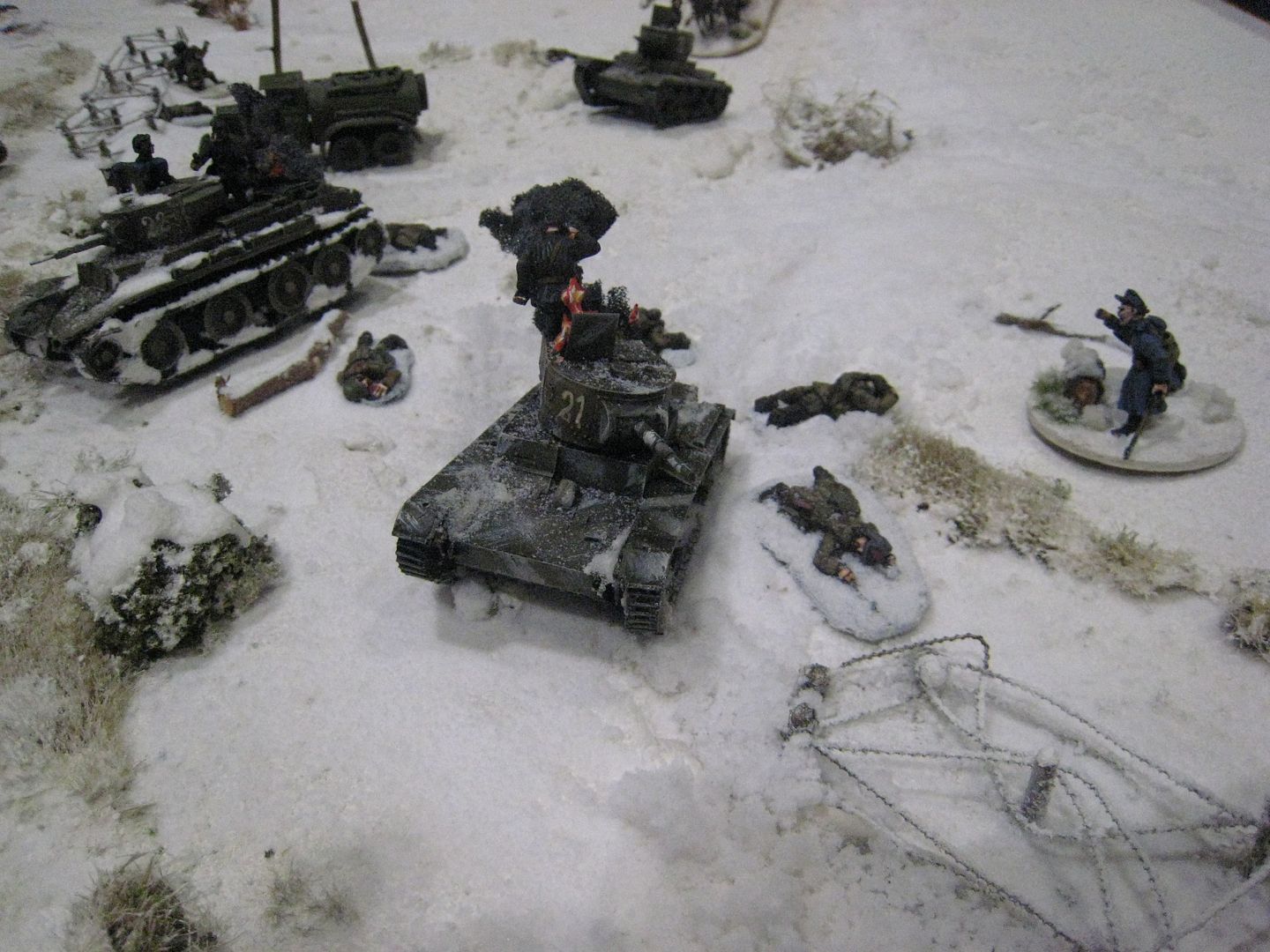
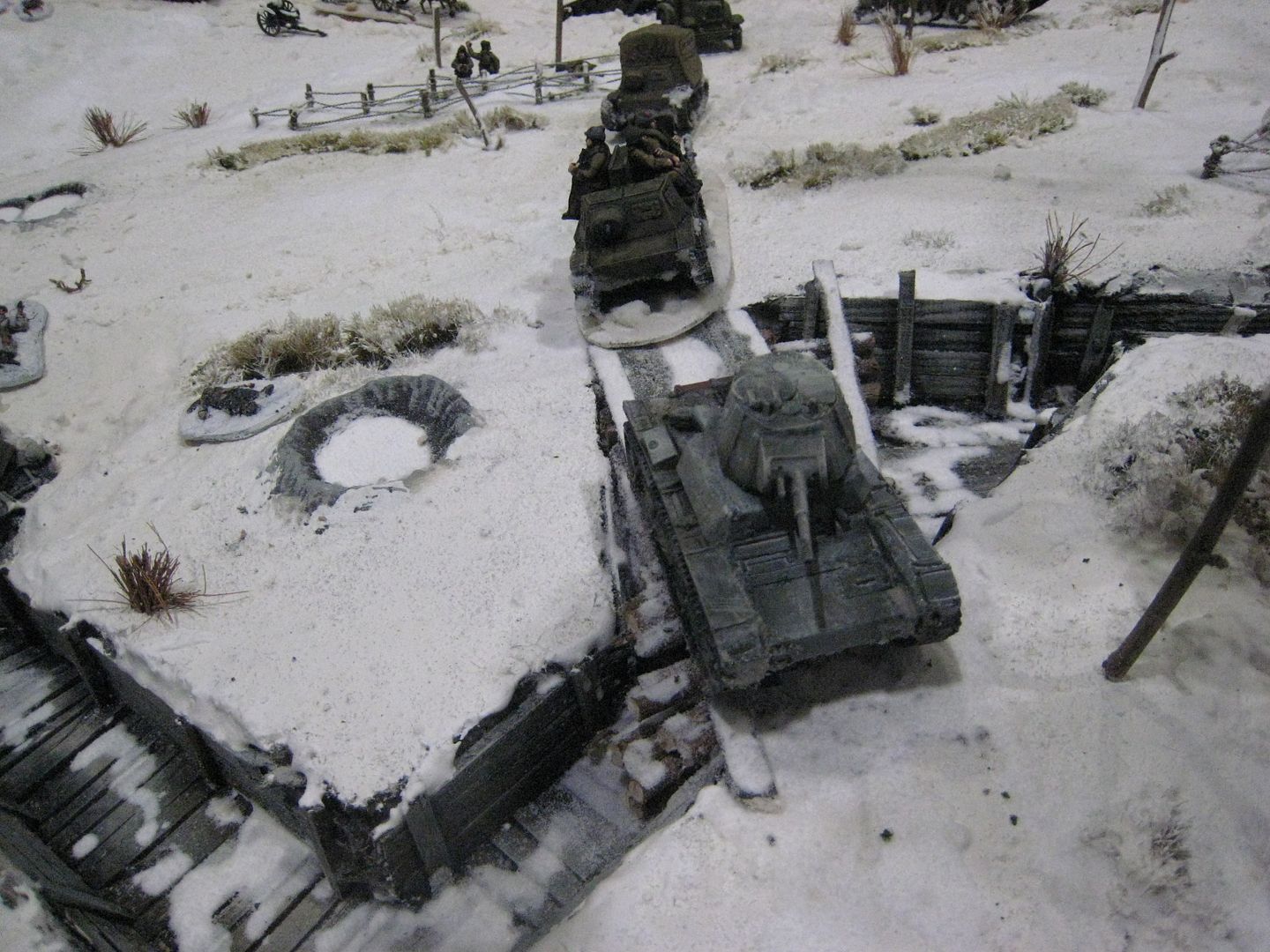
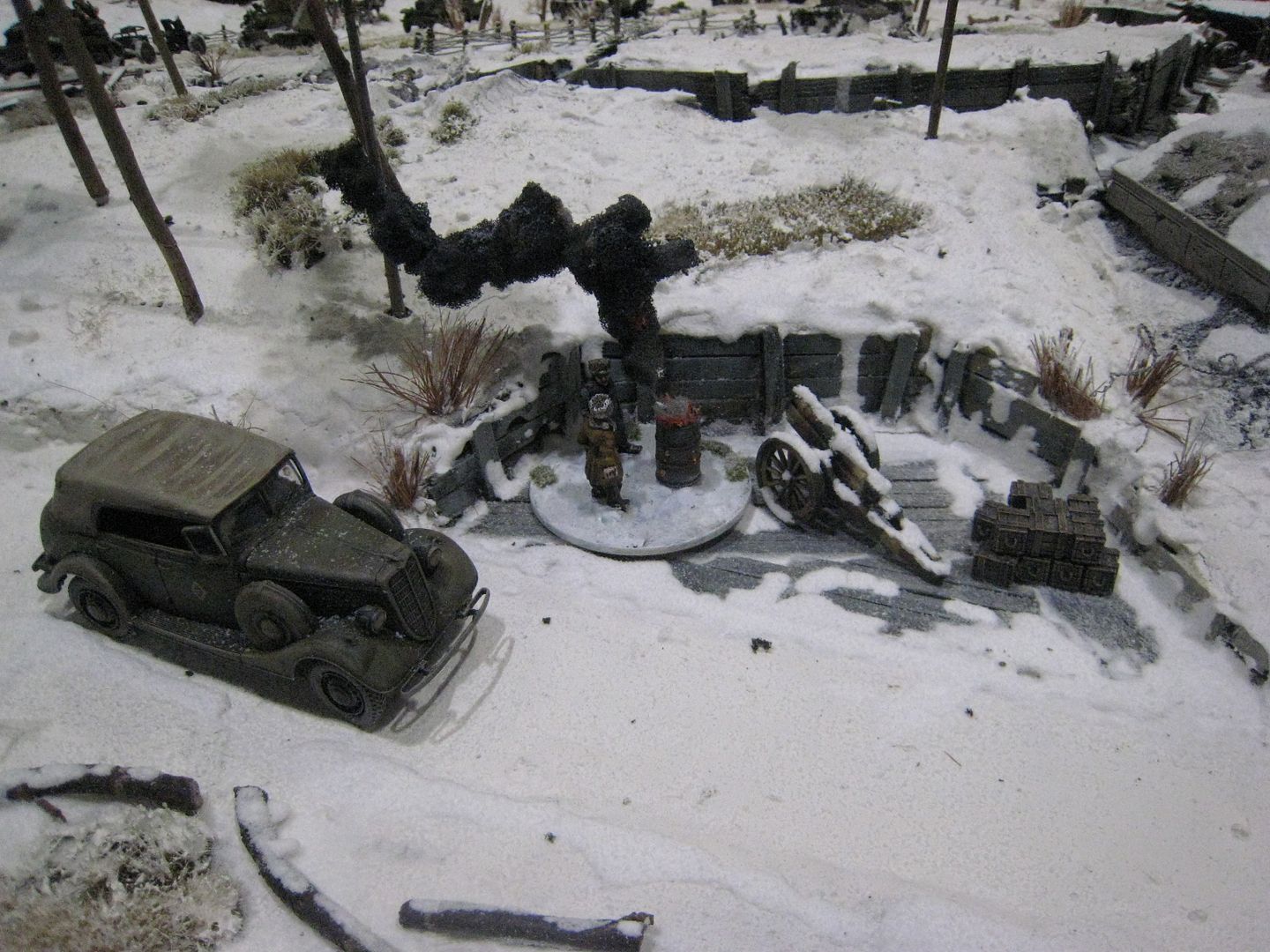
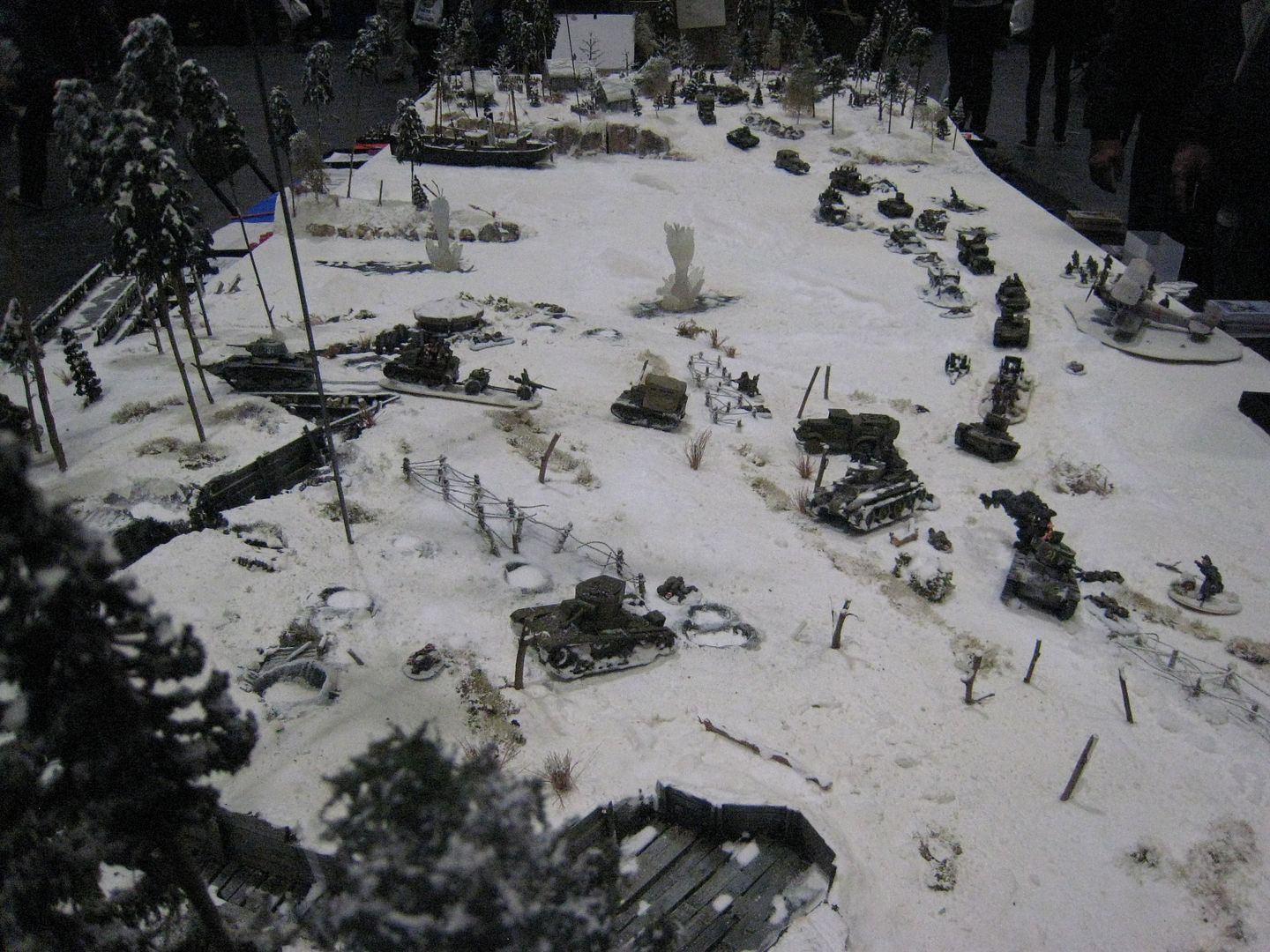
One of the best in show for me was Loughton Strike Force's "Winter War 1939", precisely what I mean by a familiar period (eastern front WW2) but in a different light (Russians v Finns for a change and outstanding terrain).


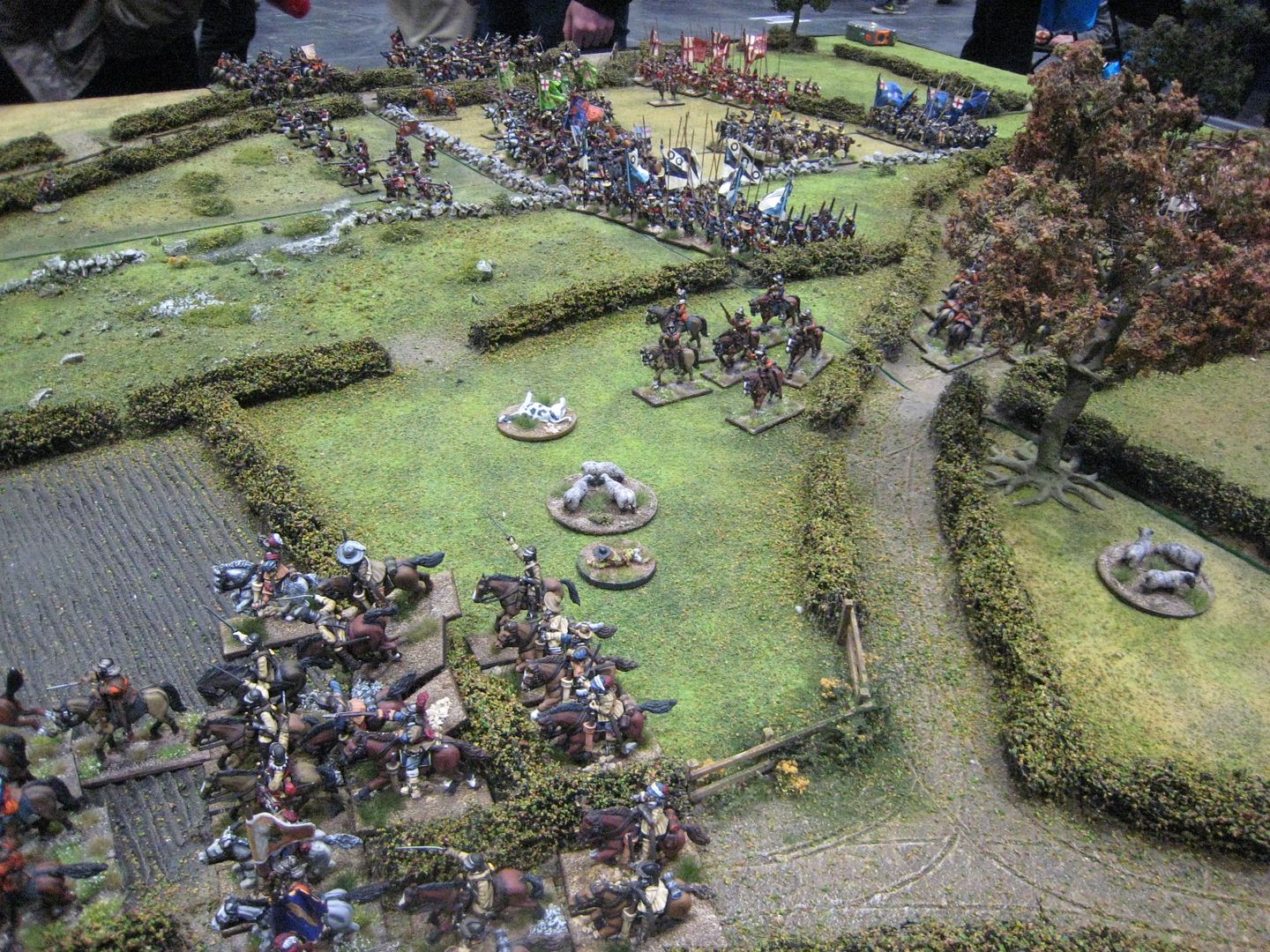
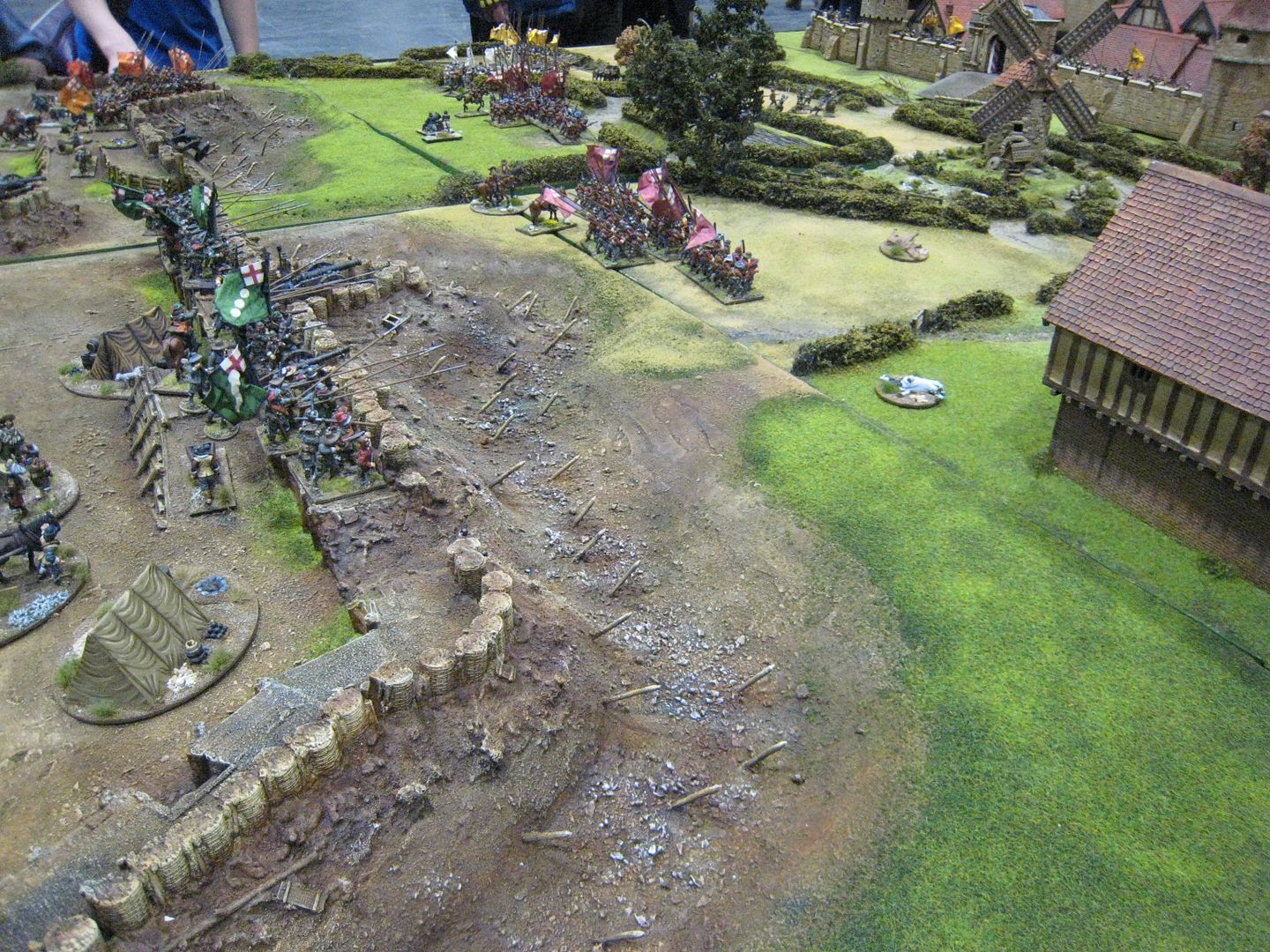
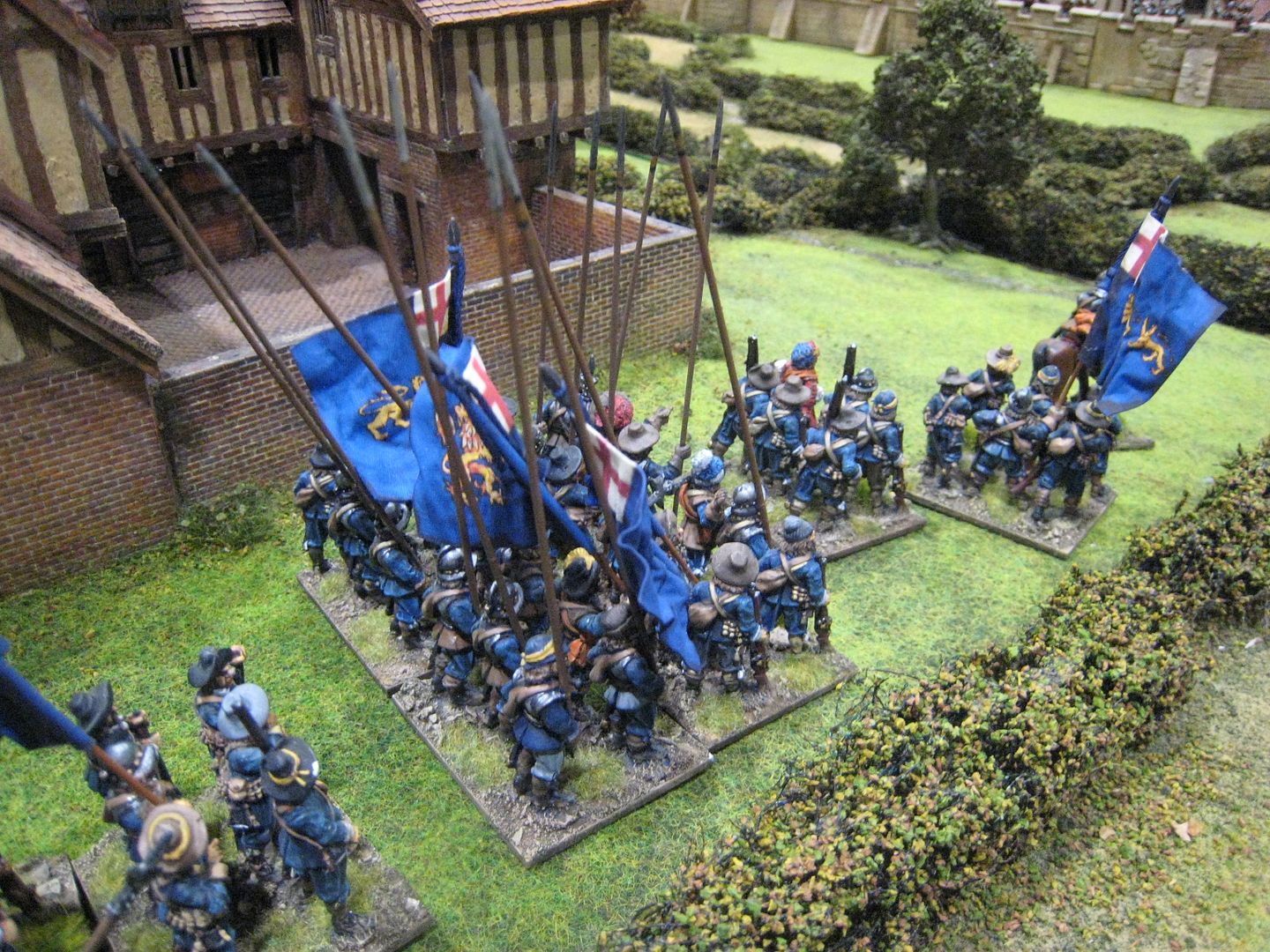
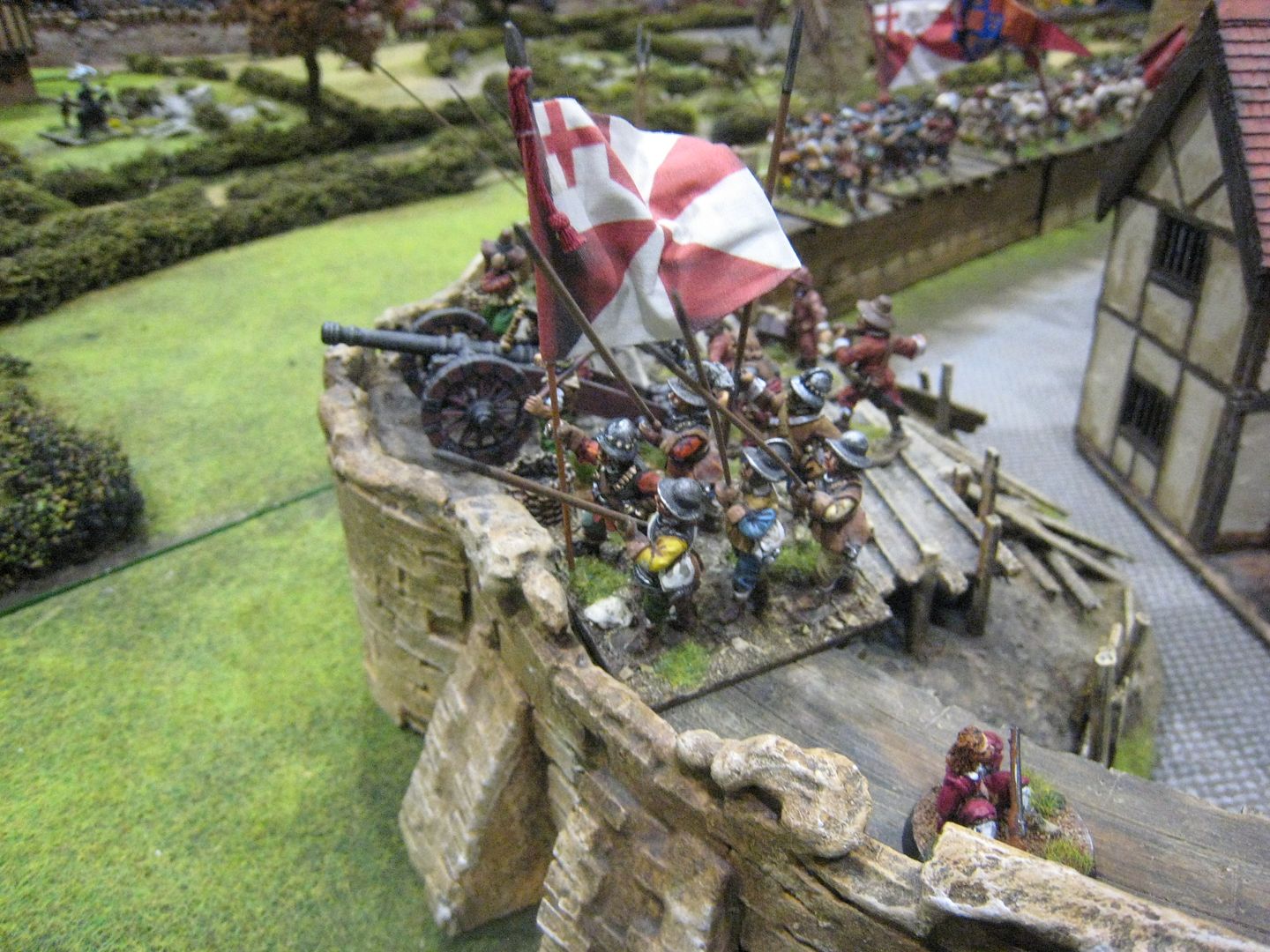
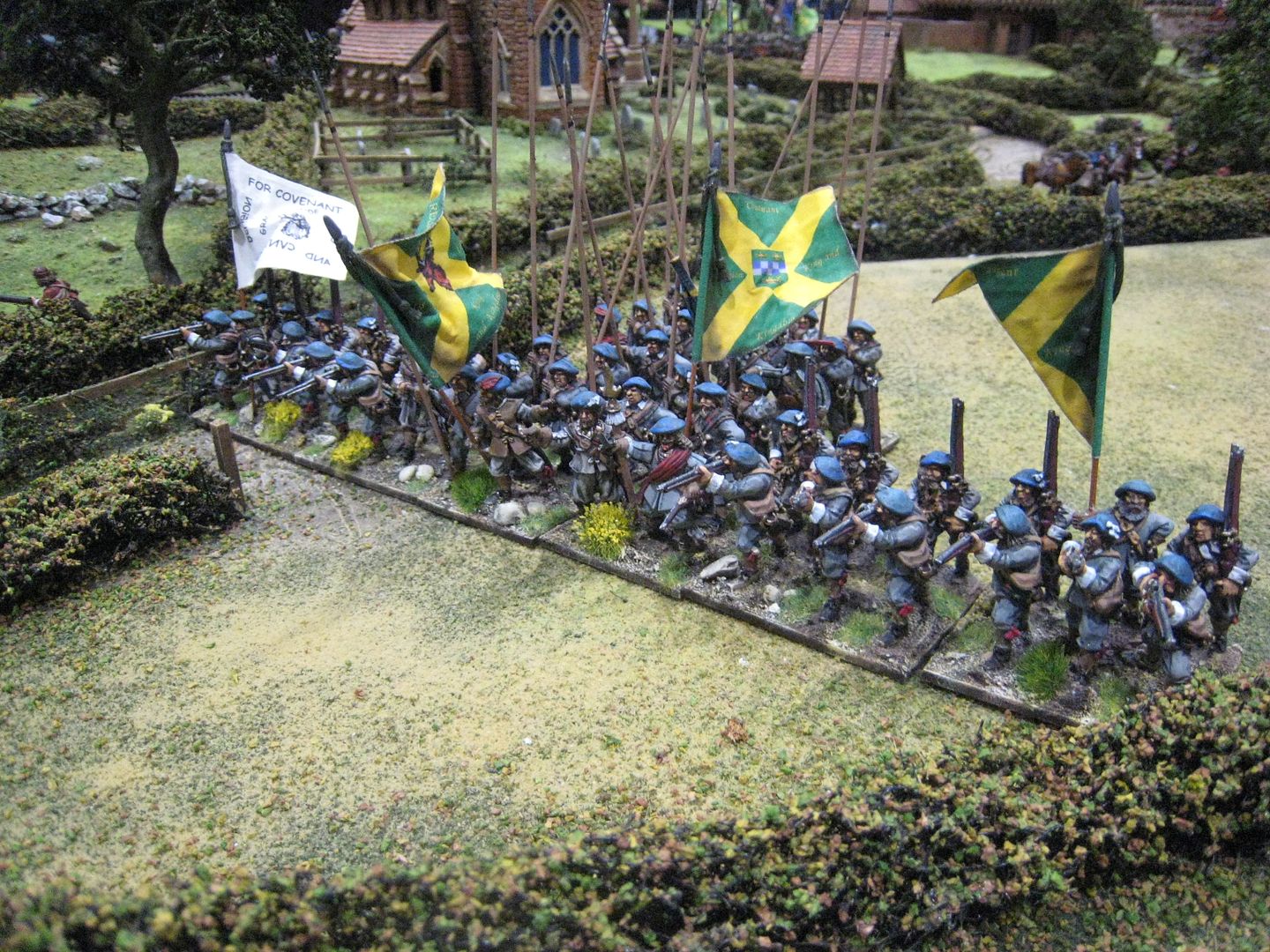
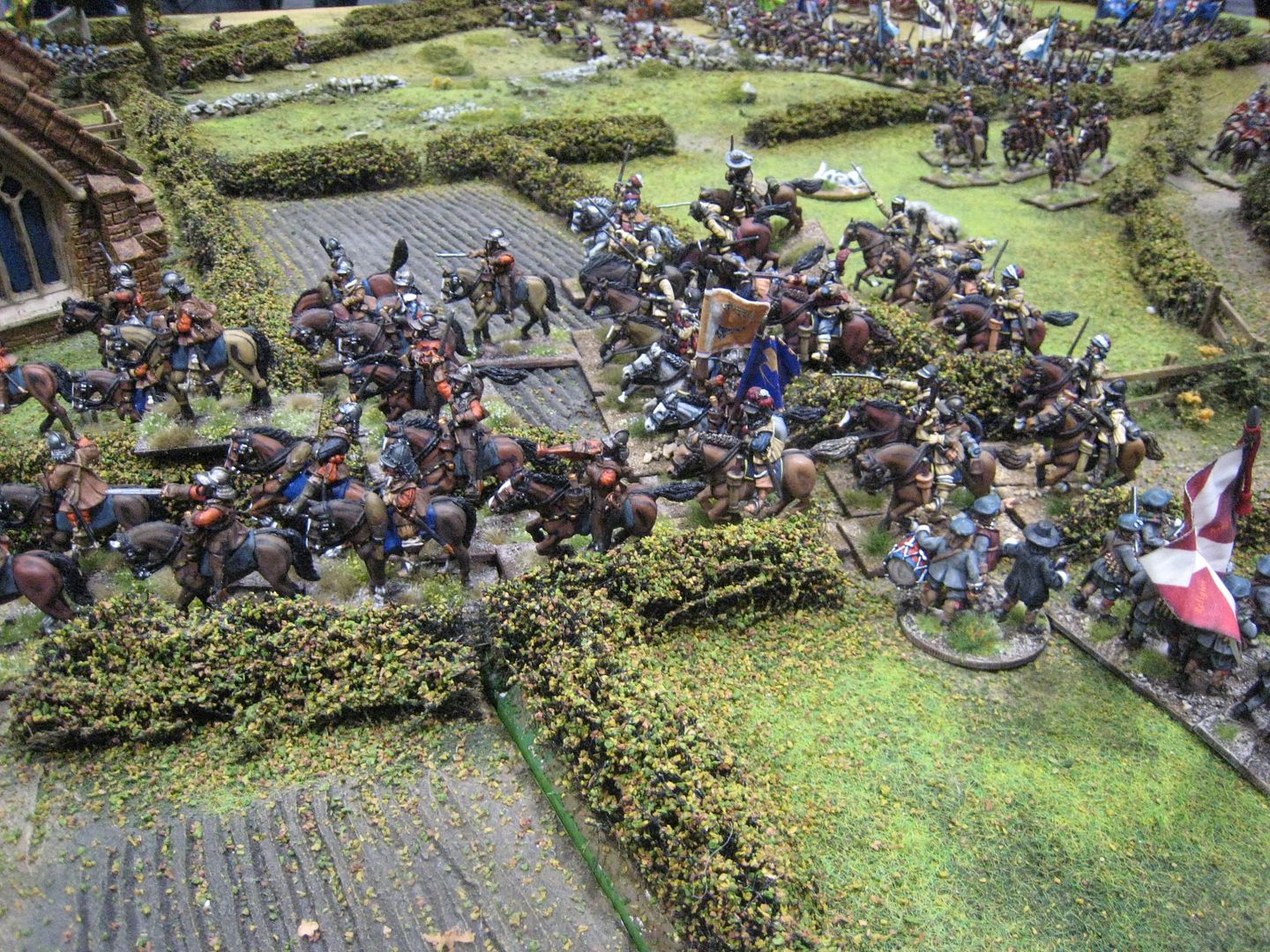
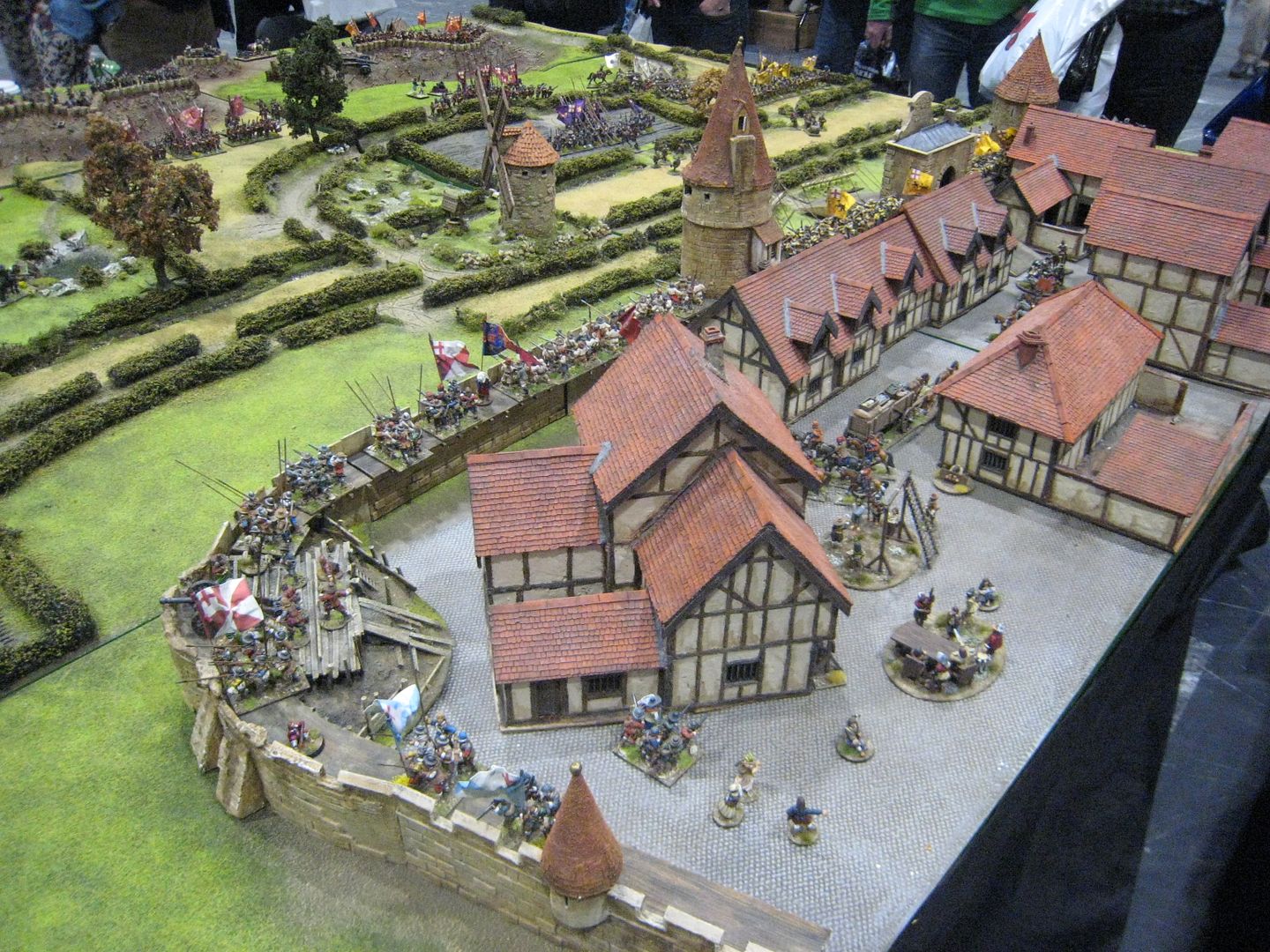
Crewe and Nantwich Club had a huge ECW game, a hypothetical siege of Bristol.  The scale and detail on this game were very impressive, but there was a sense of deja vu as the club did a similar siege of Worcester game in 2011.


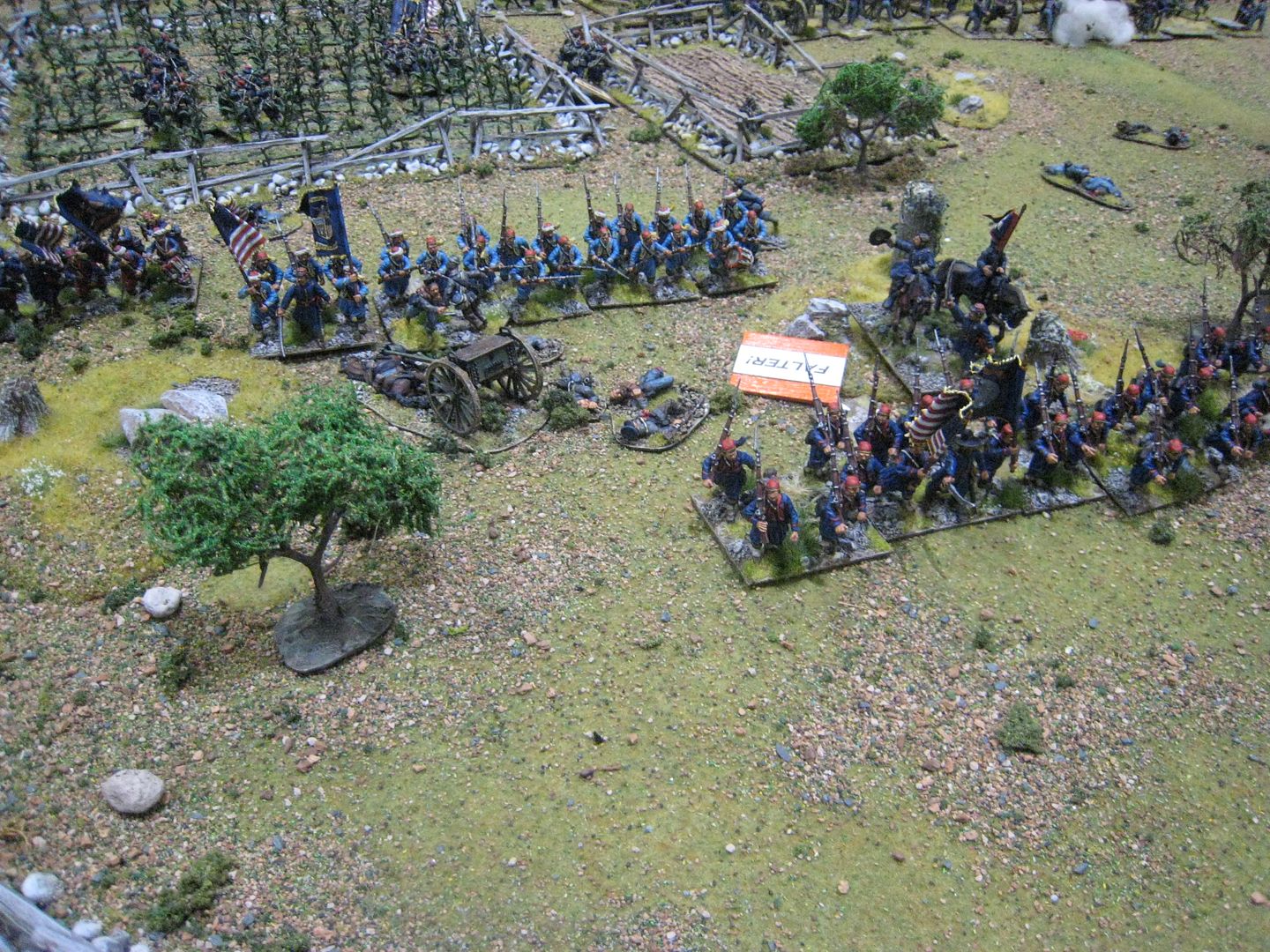
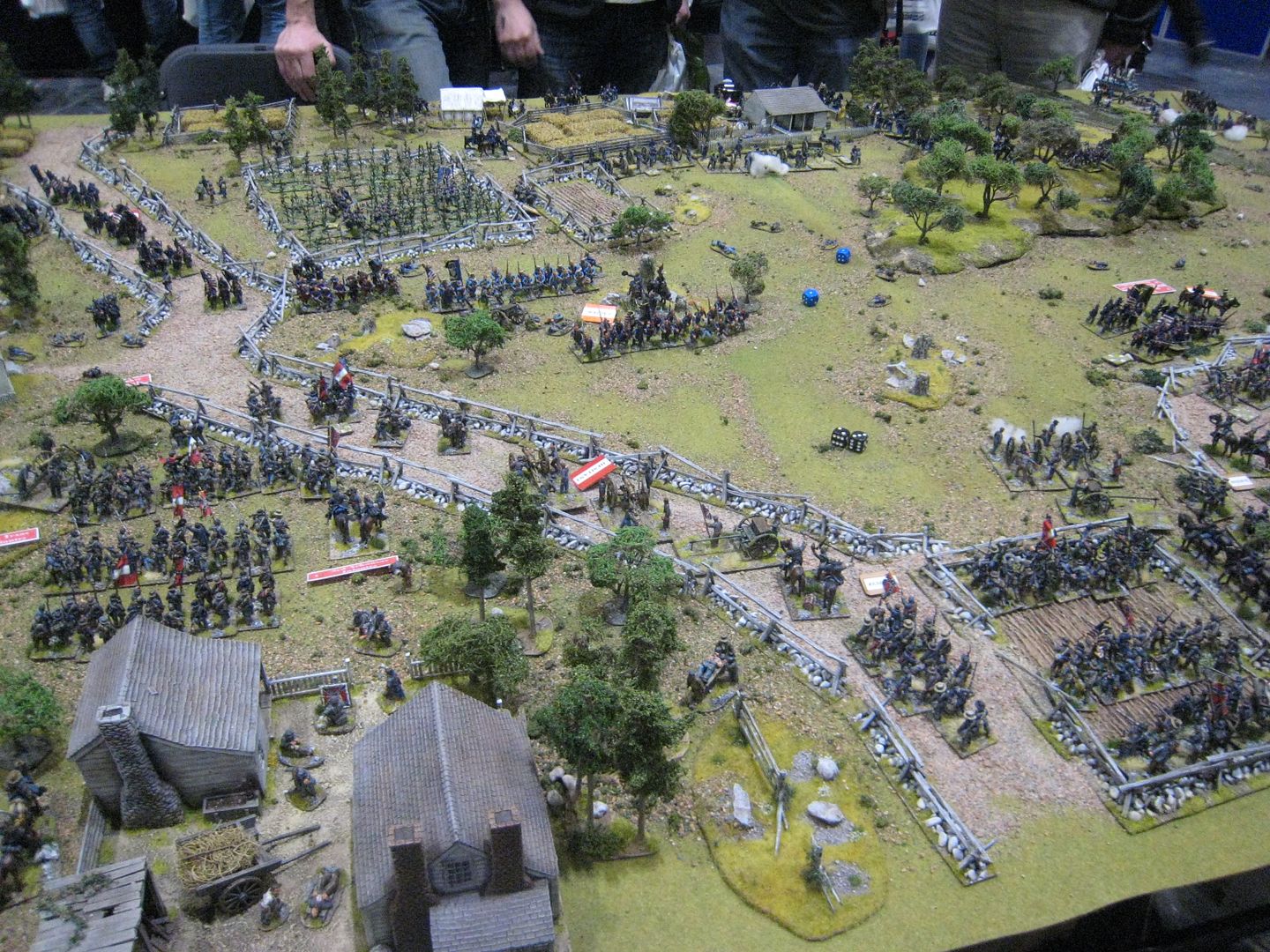
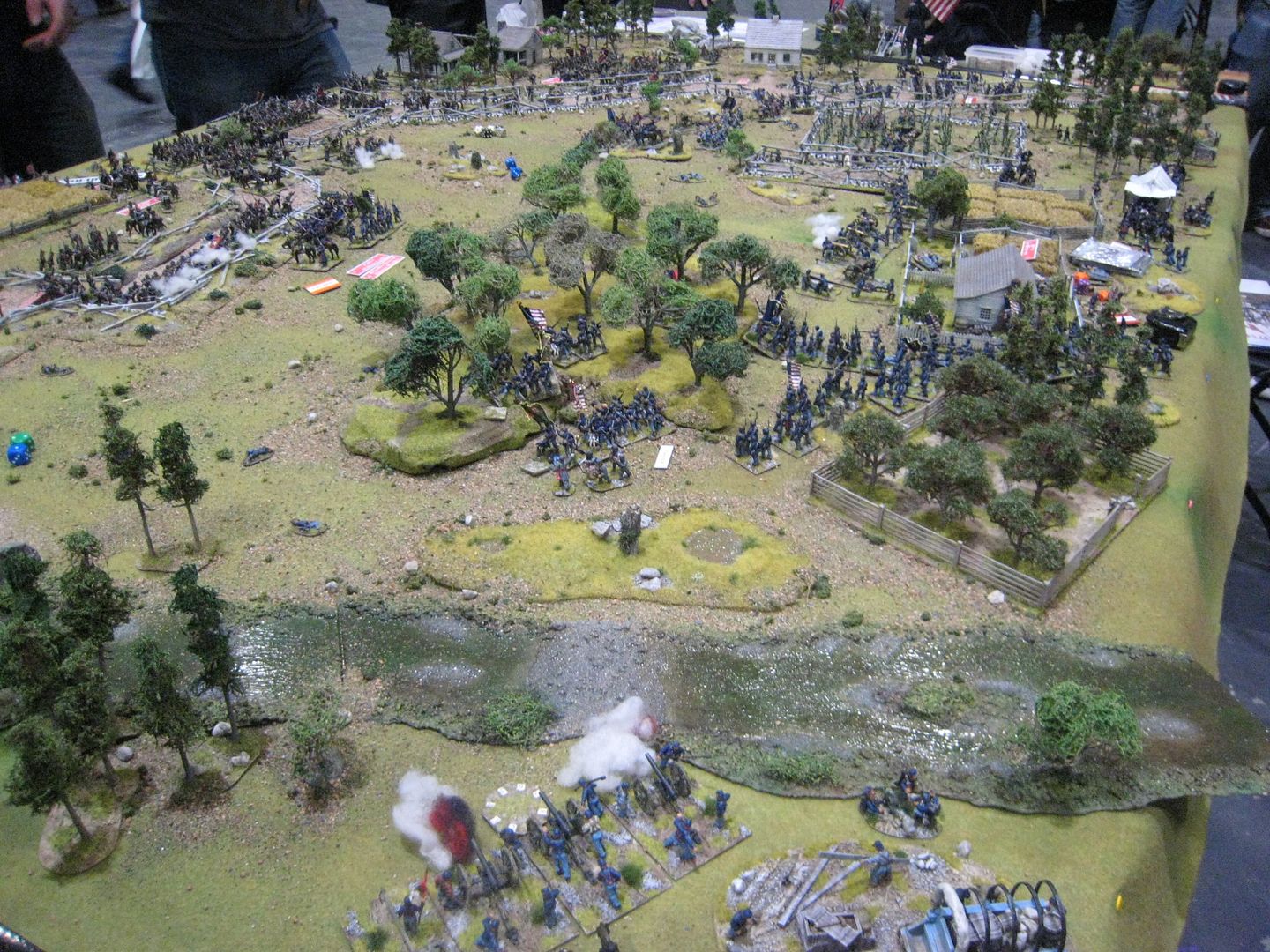
Dave Brown, Richard Gillingham and friends had a lovely 25mm ACW Antietam game, which used Dave's forthcoming new ACW rules, "Pickett's Charge!"  This game shows what you can do with a green terrain mat and lots of nice features and vignettes.  


Maidstone Wargames Society's Israelis v Syrians, 1982 in 3mm at 1:1. A good-looking game from a period one hardly sees, but were all the tanks a bit too close together?  I wondered whether the look of this divisional-level game would have benefited from a larger table.  A terrific effort, though.
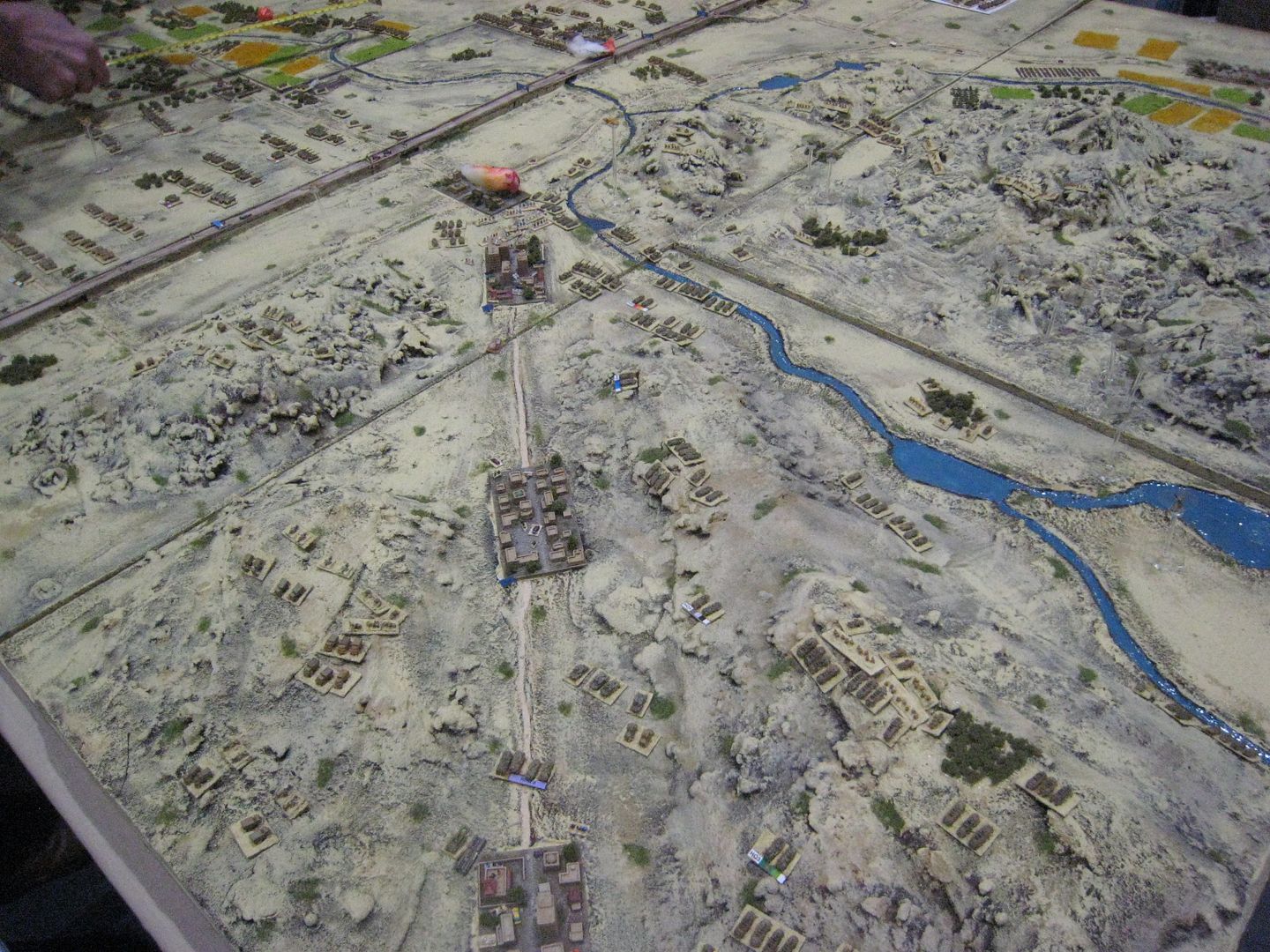
 
 
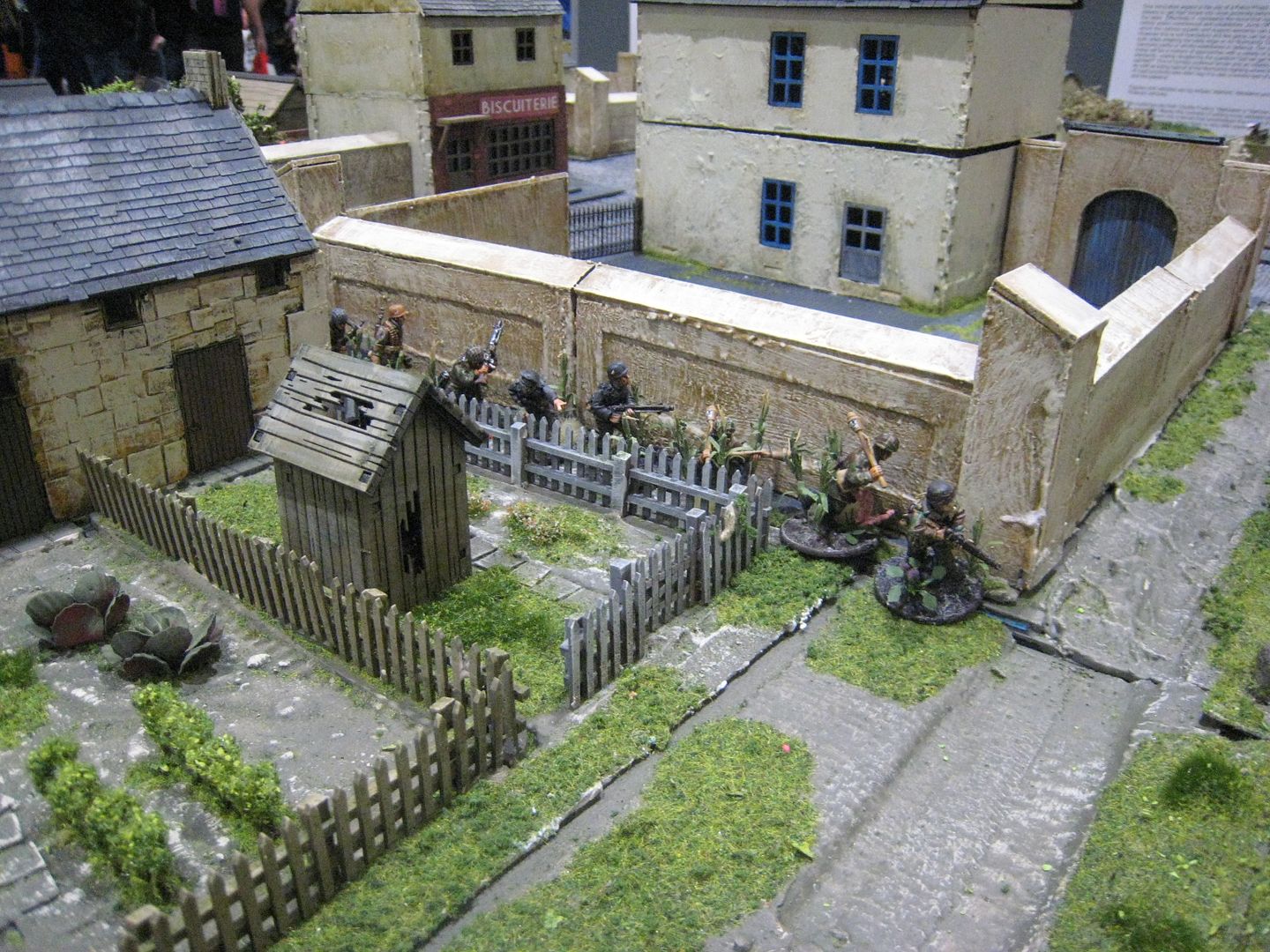
"Calvados and Chips" by the League of Gentlemen Anti-Alchemists.  Platoon-level WW2 with excellent scenery and terrain.
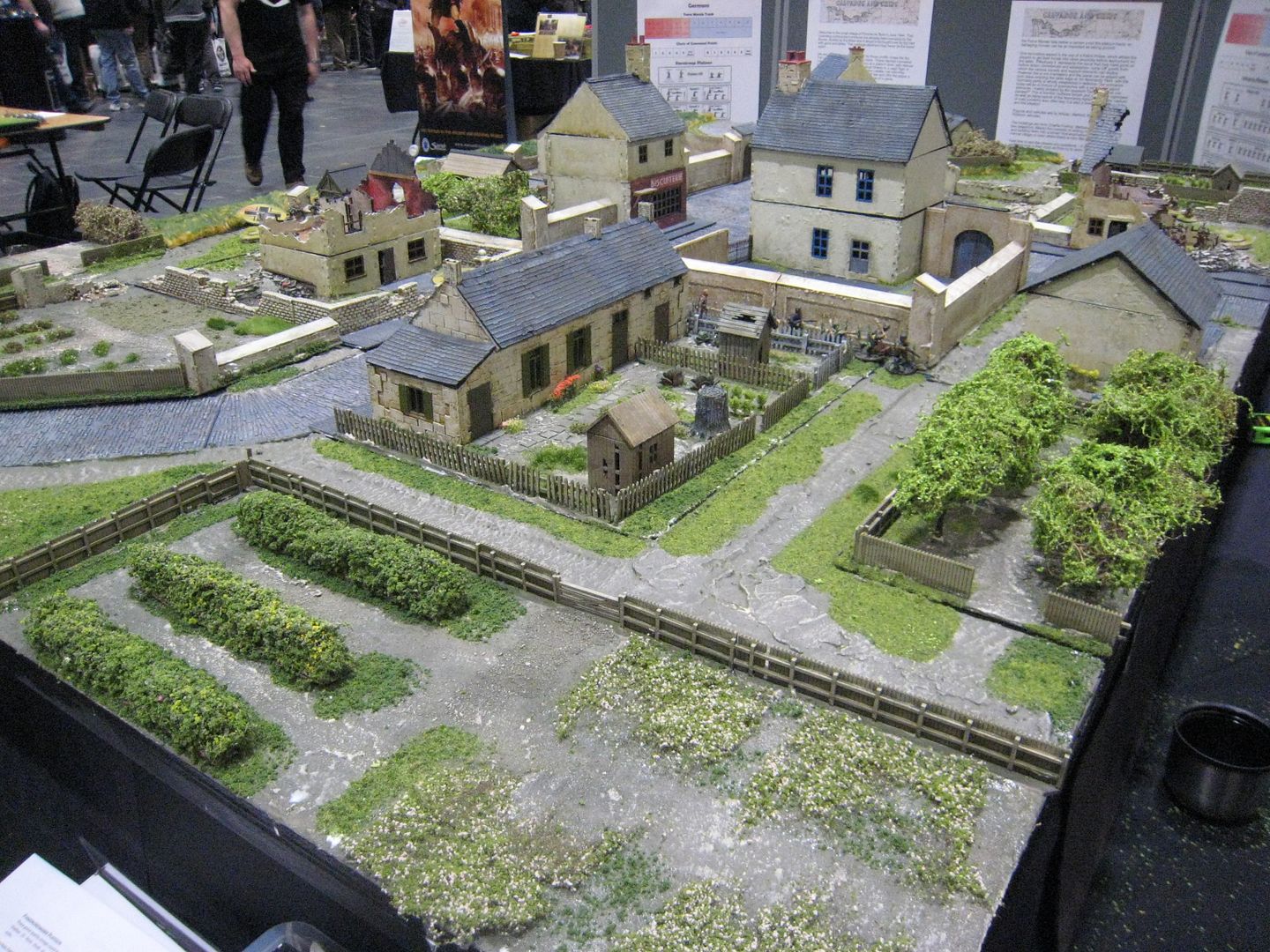


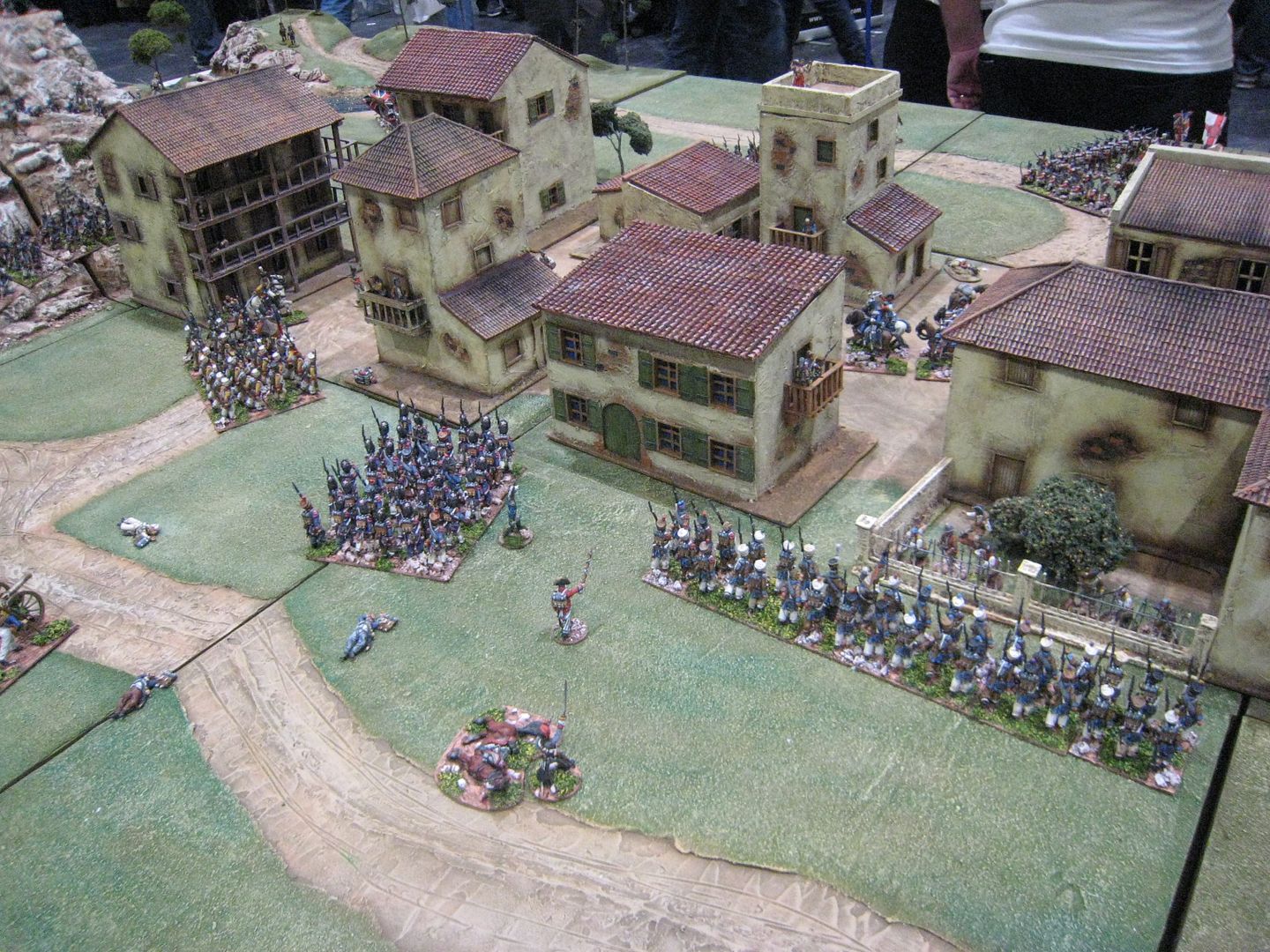
I think this is Newbury & Reading Wargames Society's 15mm Battle of Koniggratz.
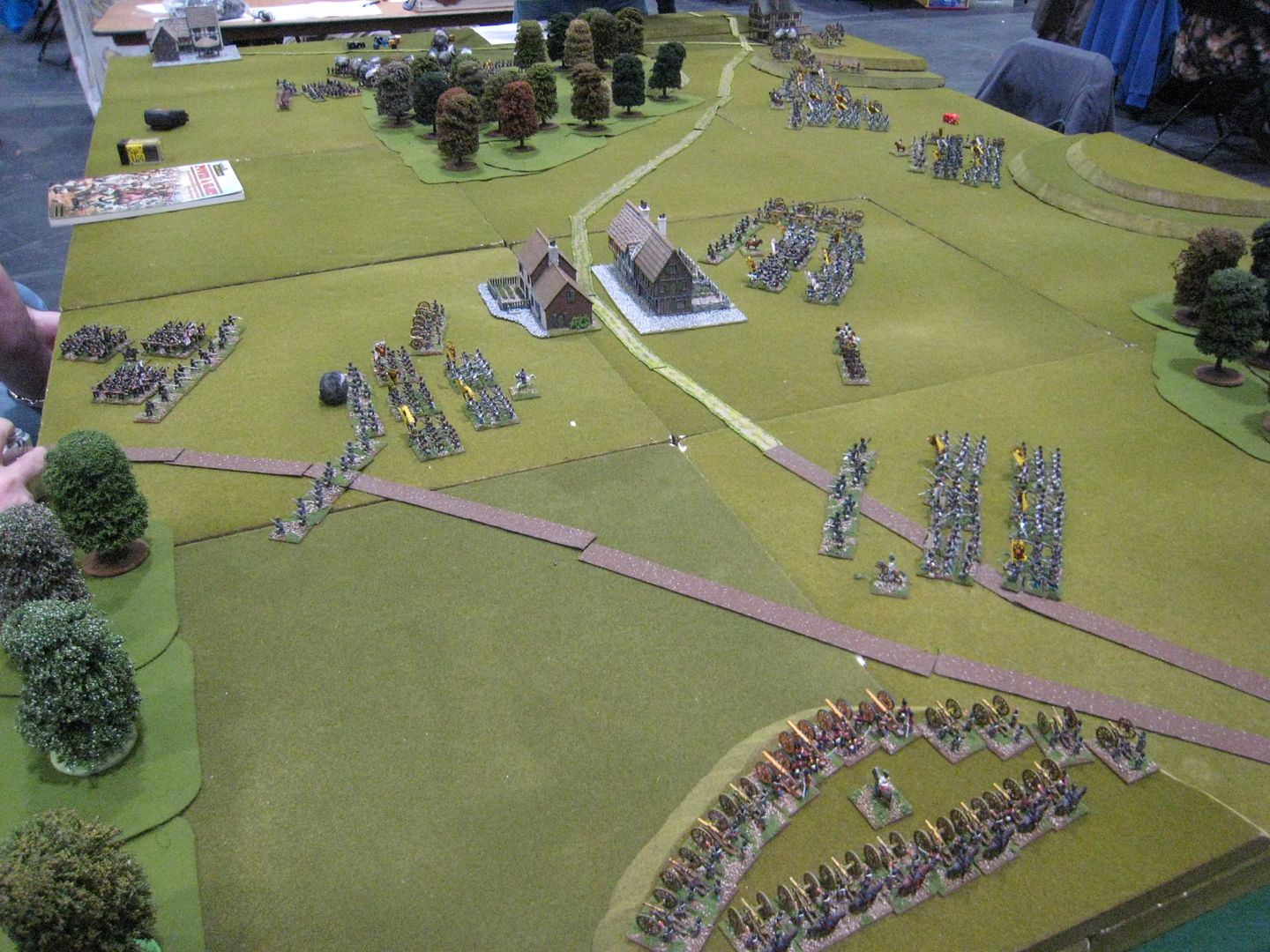


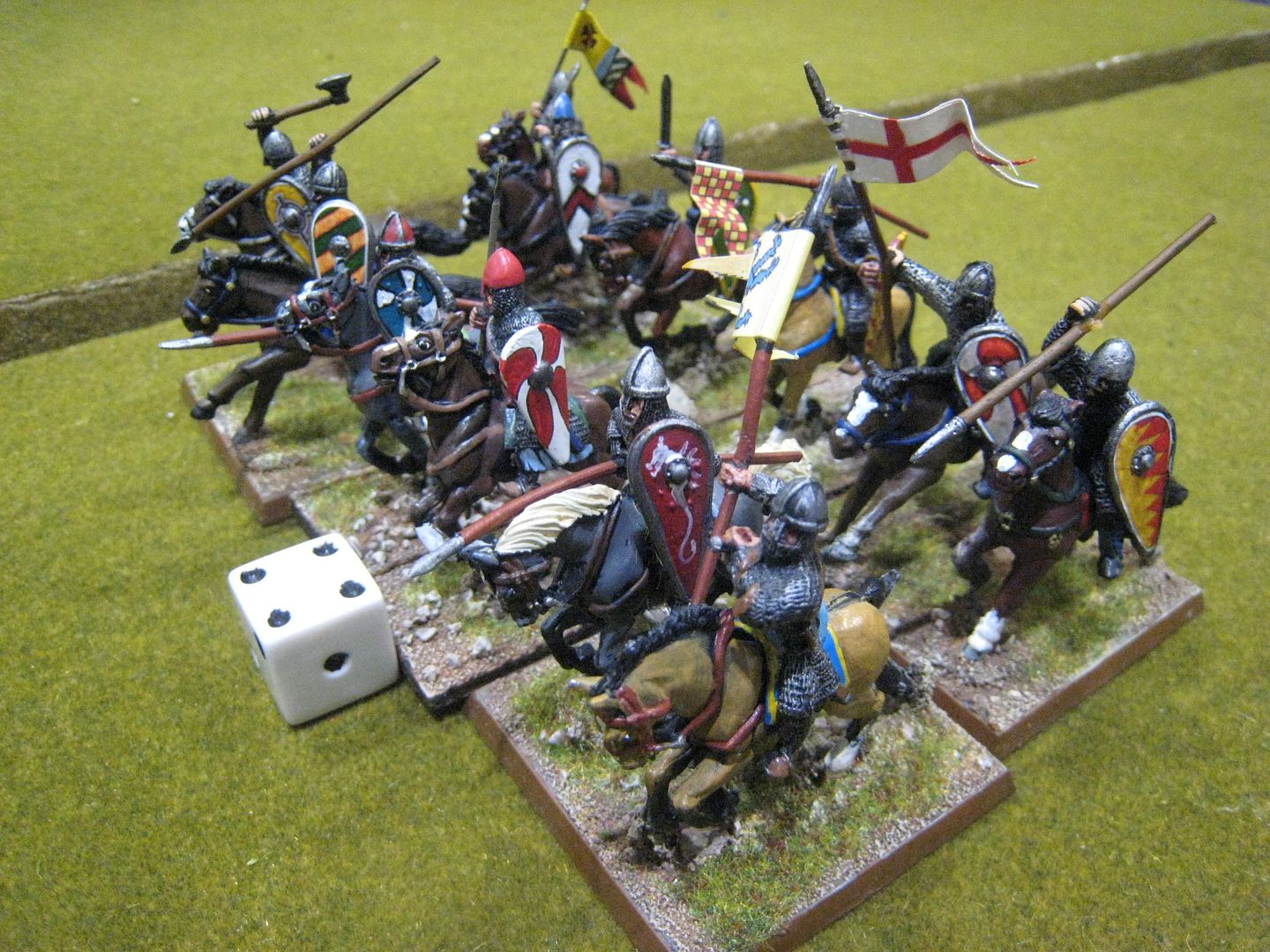
The Battle of Hastings in 28mm from either the Lance and Longbow Society or Newbury & Reading - sorry, I don't know which!  Lesson for show organisers - don't have more than one version of the same battle....
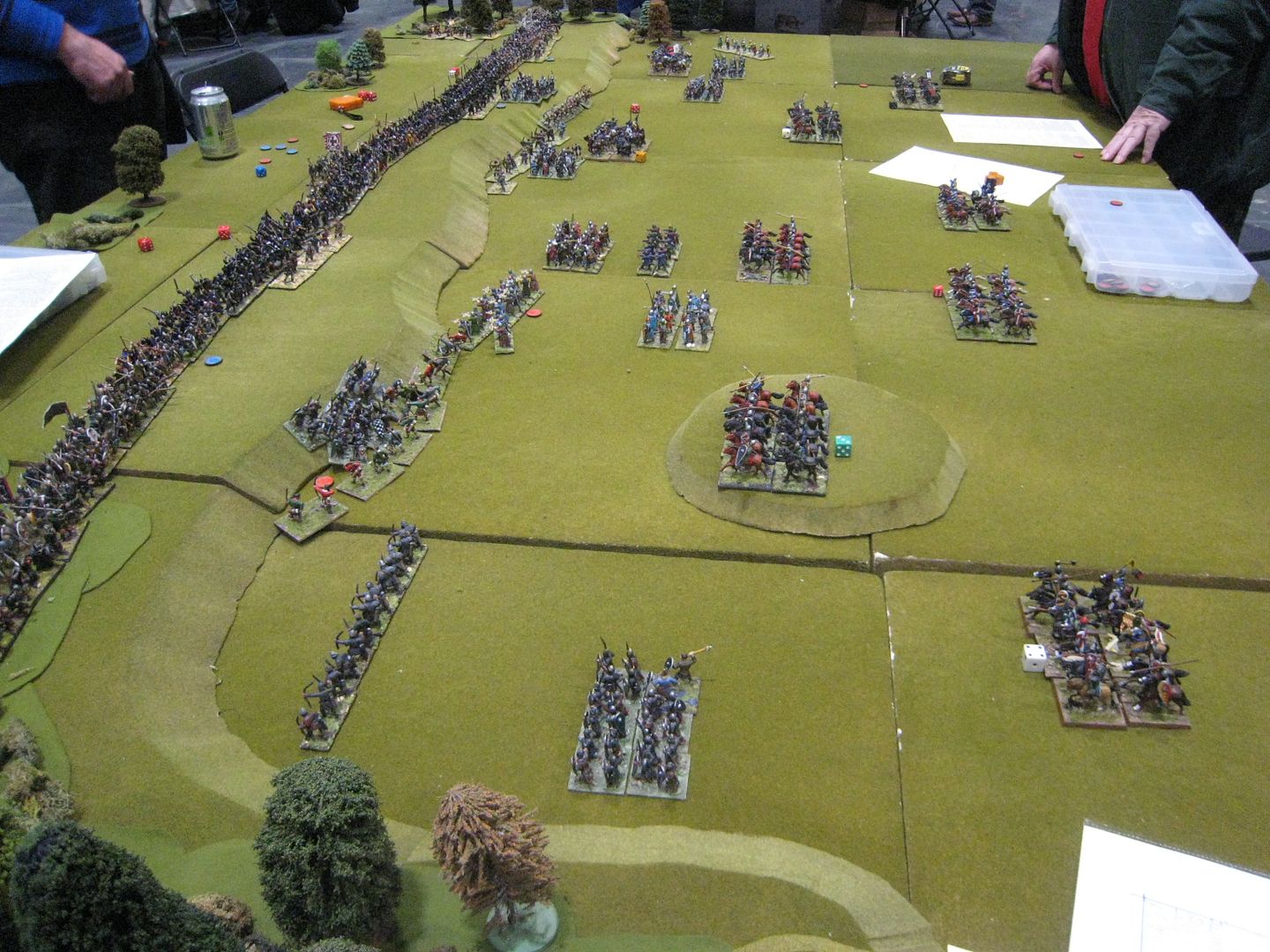


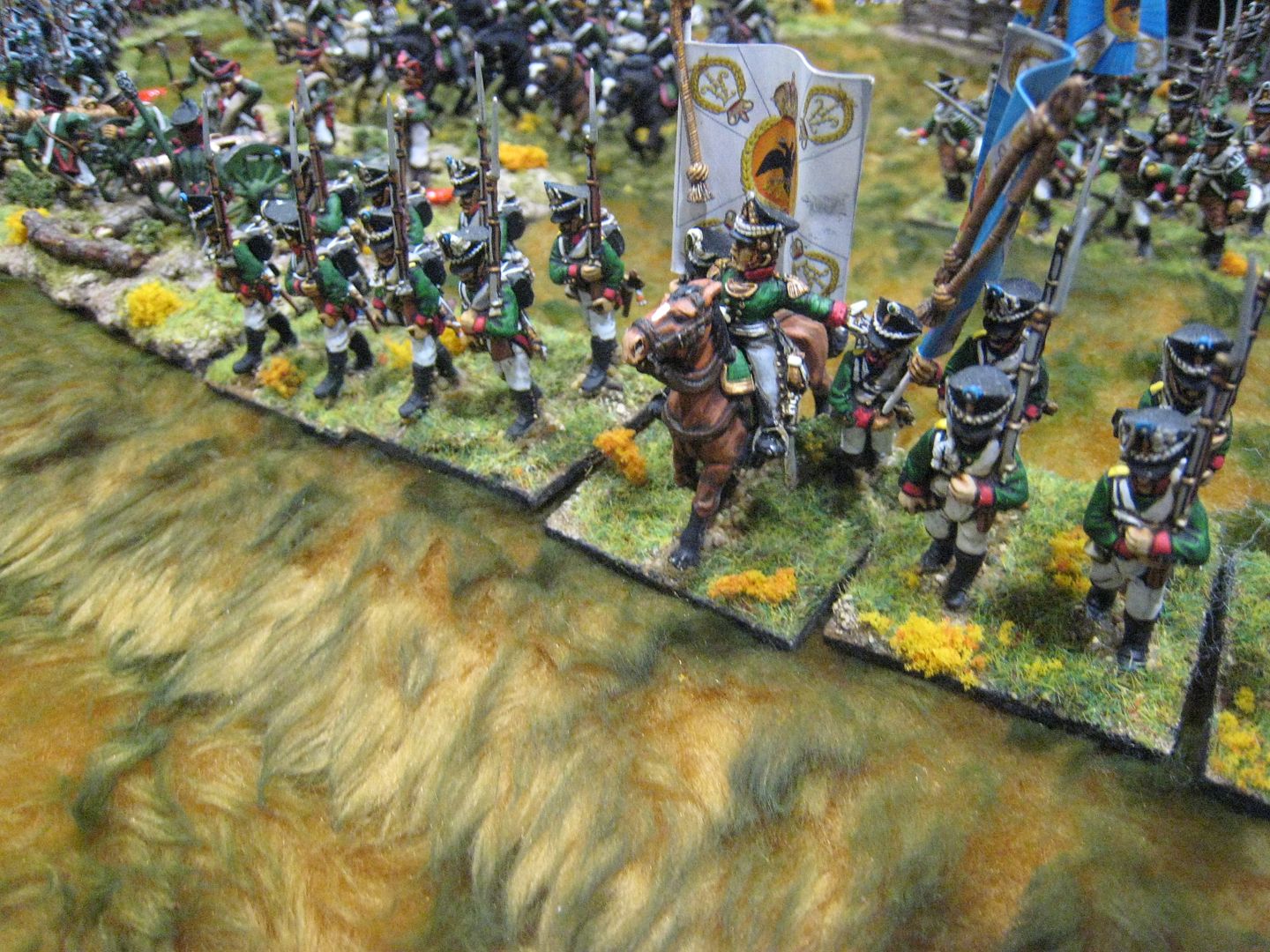
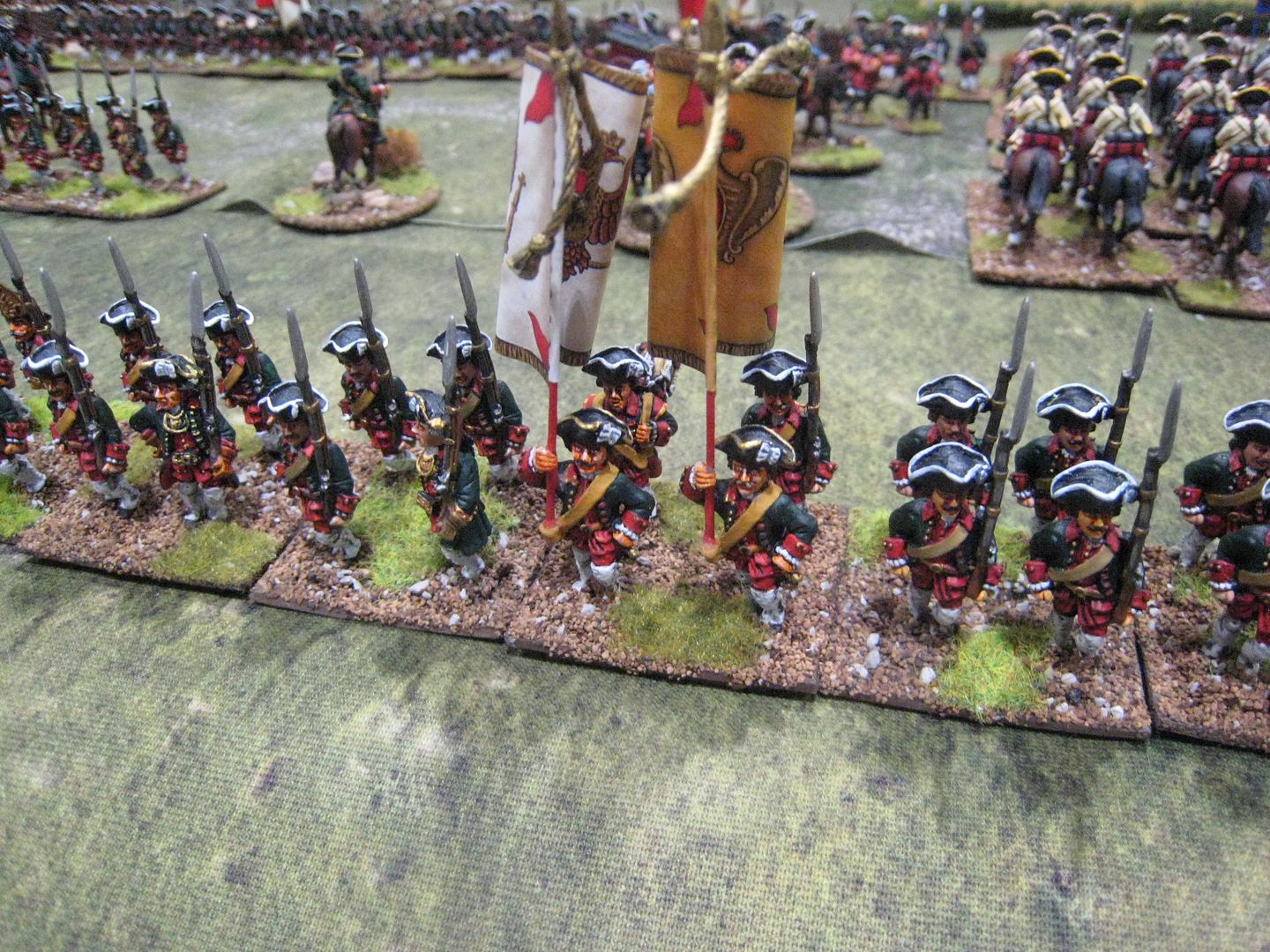
Mansfield Wargames Club's Battle of Gorodetschna, 1812.  Russians v Austrians and Saxons makes a nice change.
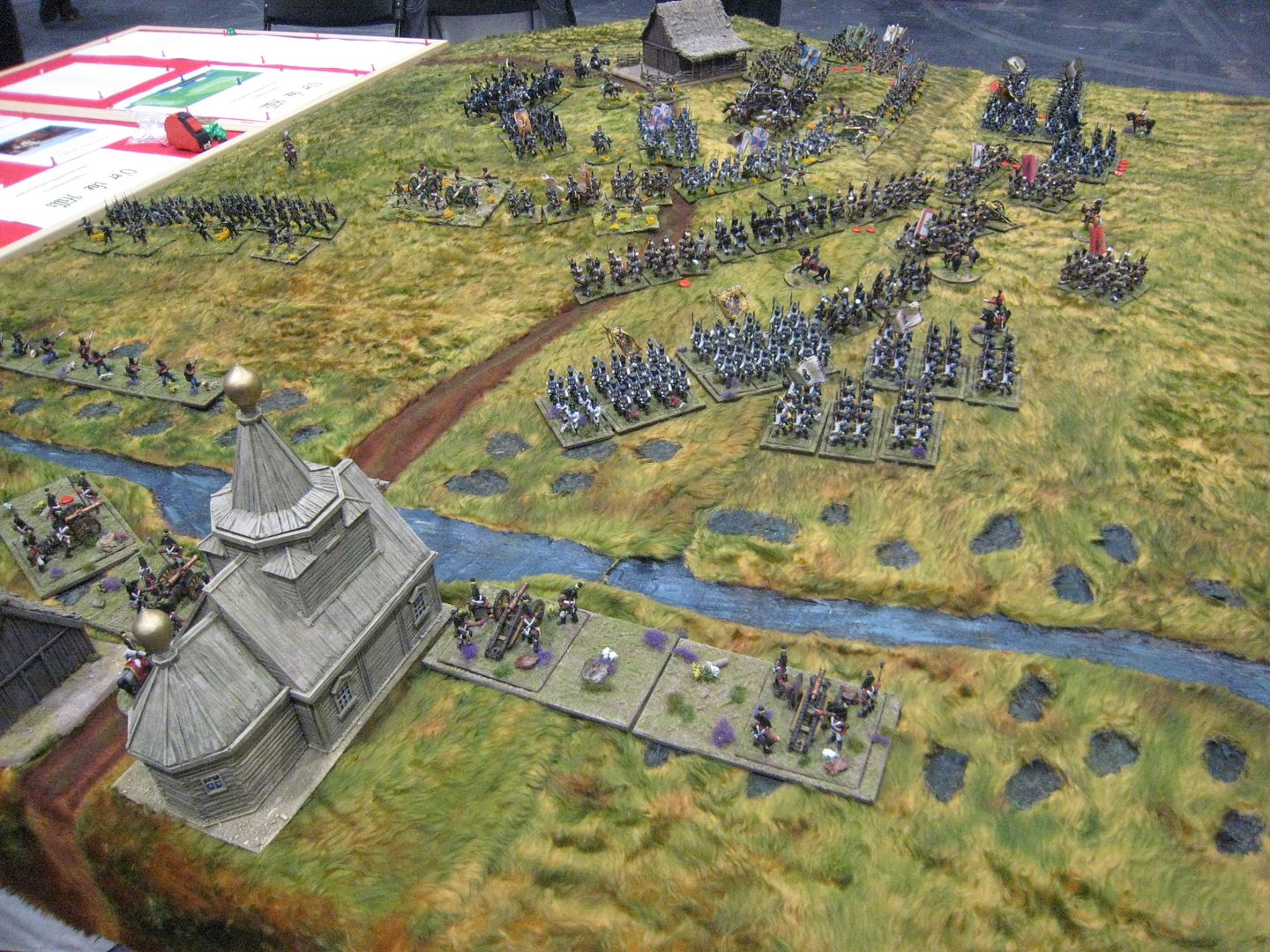


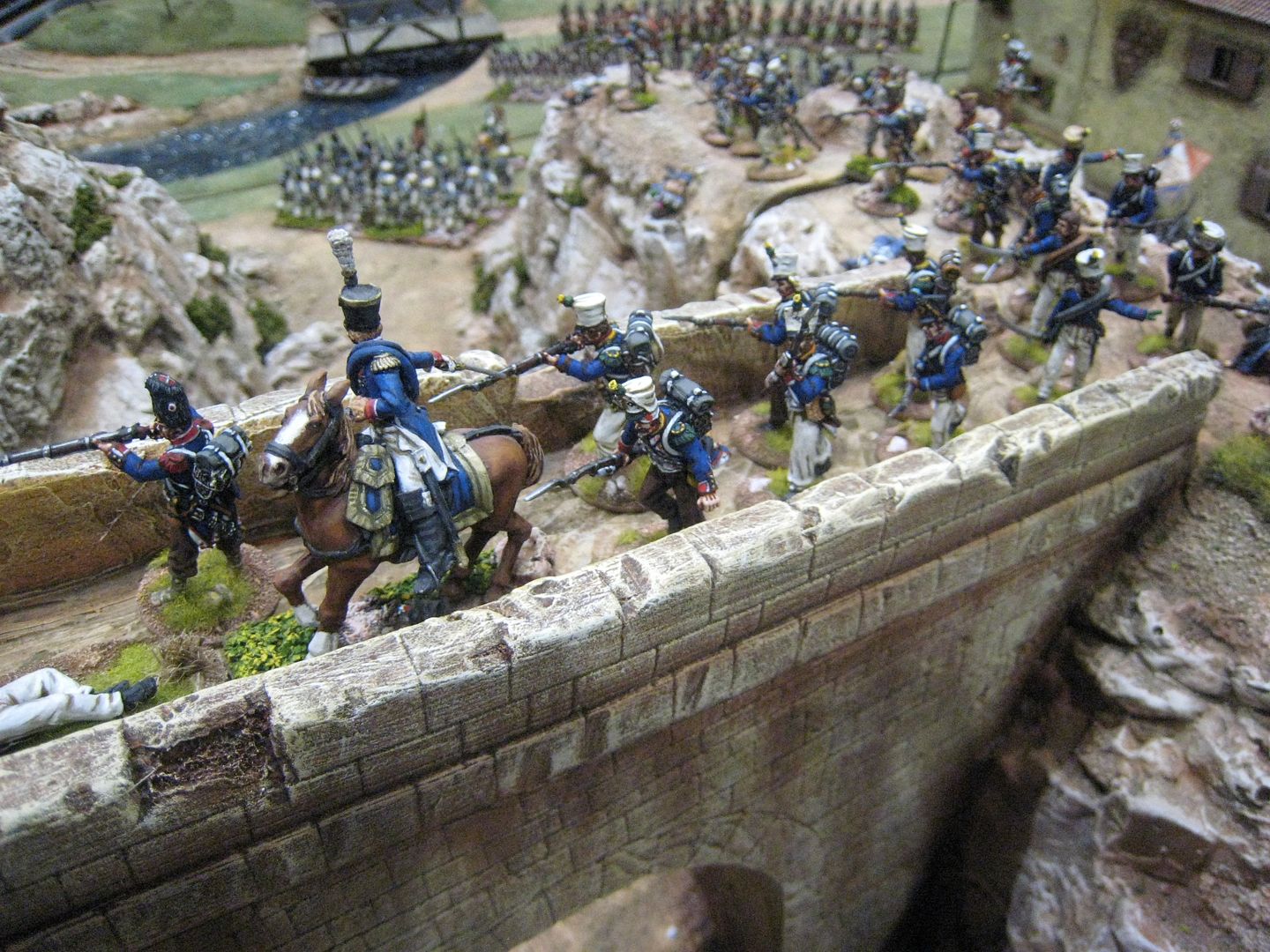
Ian Smith had a 40mm Napoleonic game (mainly Perry figures, I think), based on the fictional Battle of Adrados from Cornwell's novel "Sharpe's Enemy".  For me this caught the balance between spectacle and playability perfectly.
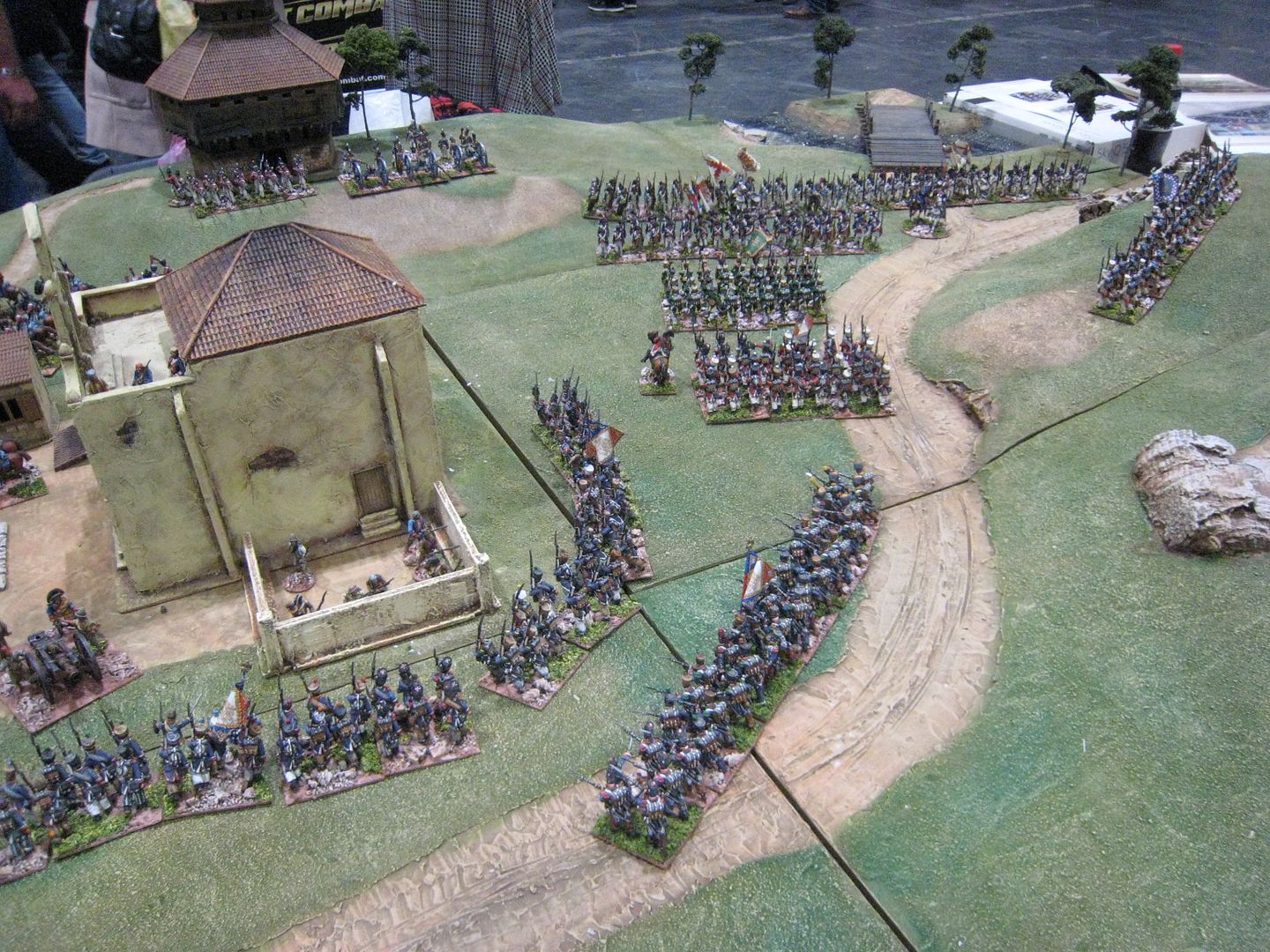


The Sons of Simon de Montfort had this North-West Frontier game, based on the Kenneth More film of the same name.
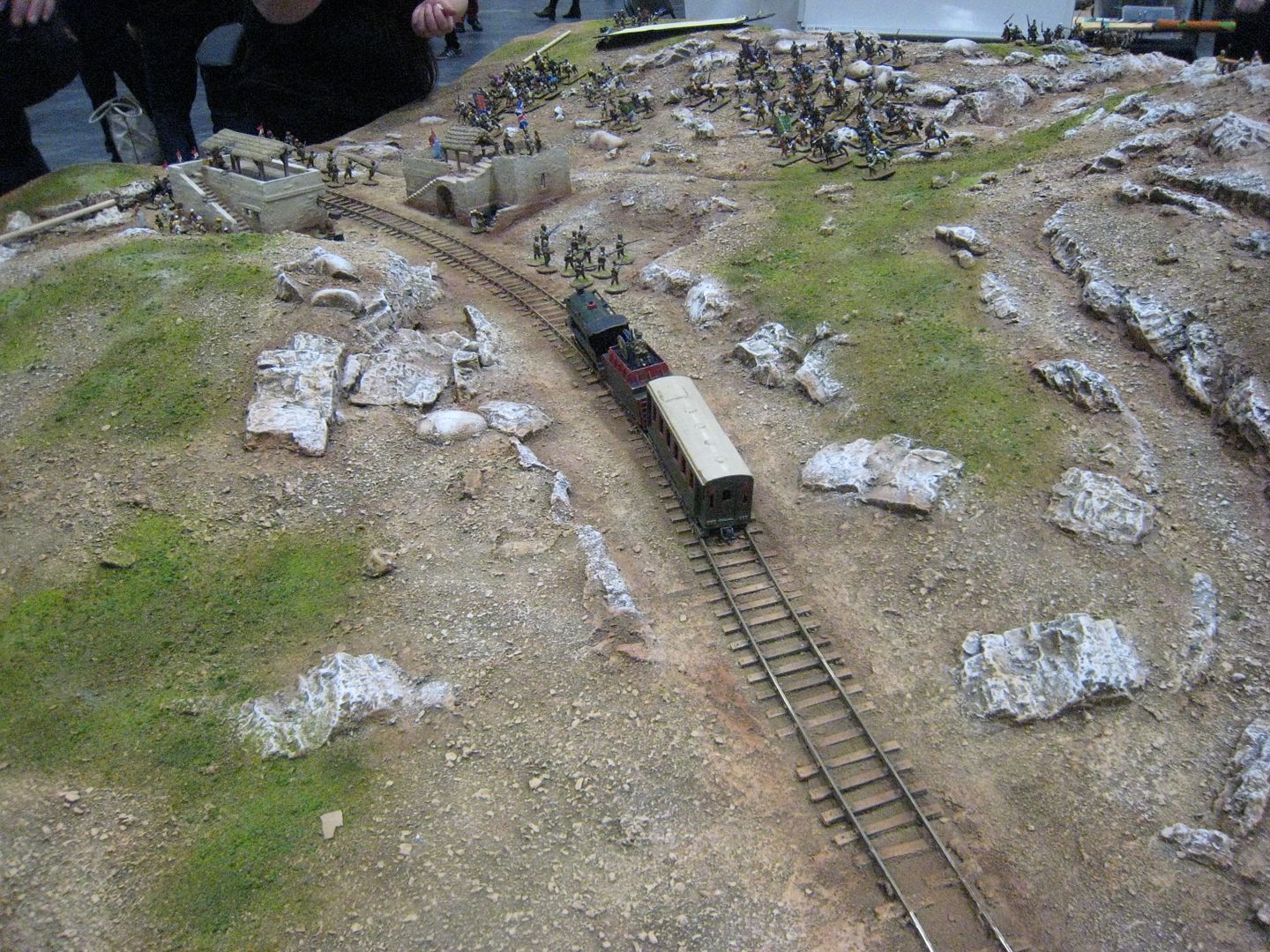
 
 
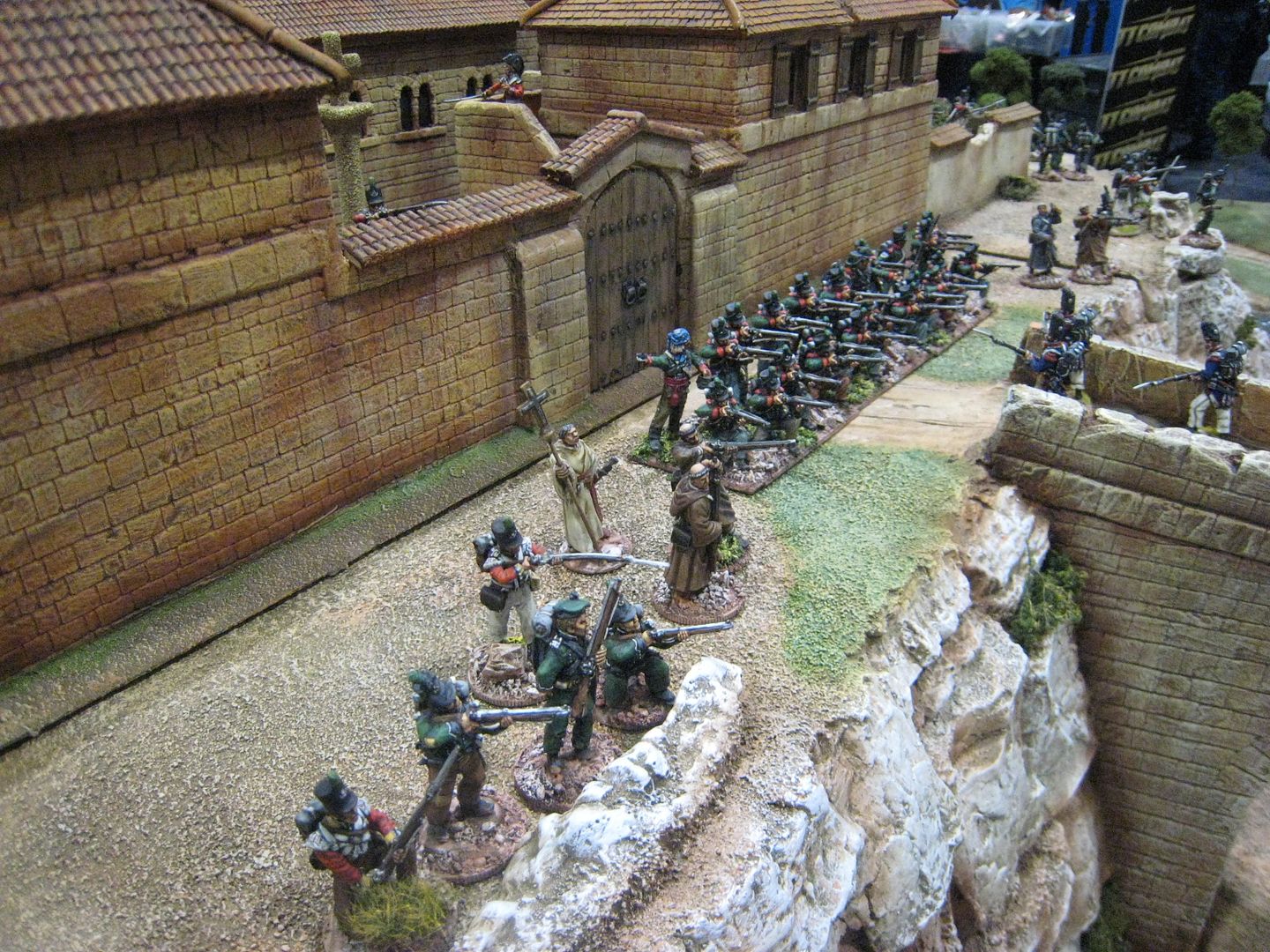
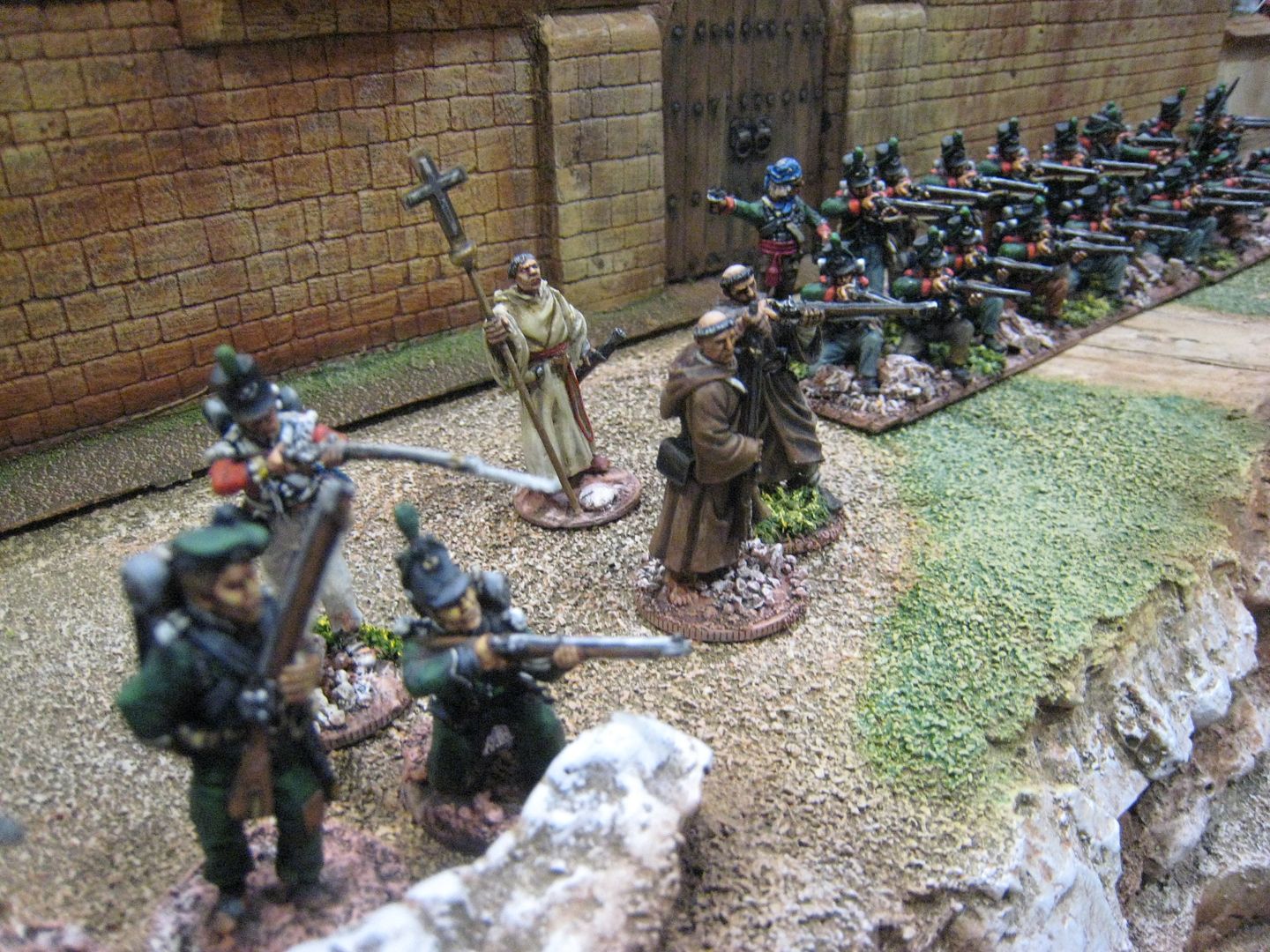
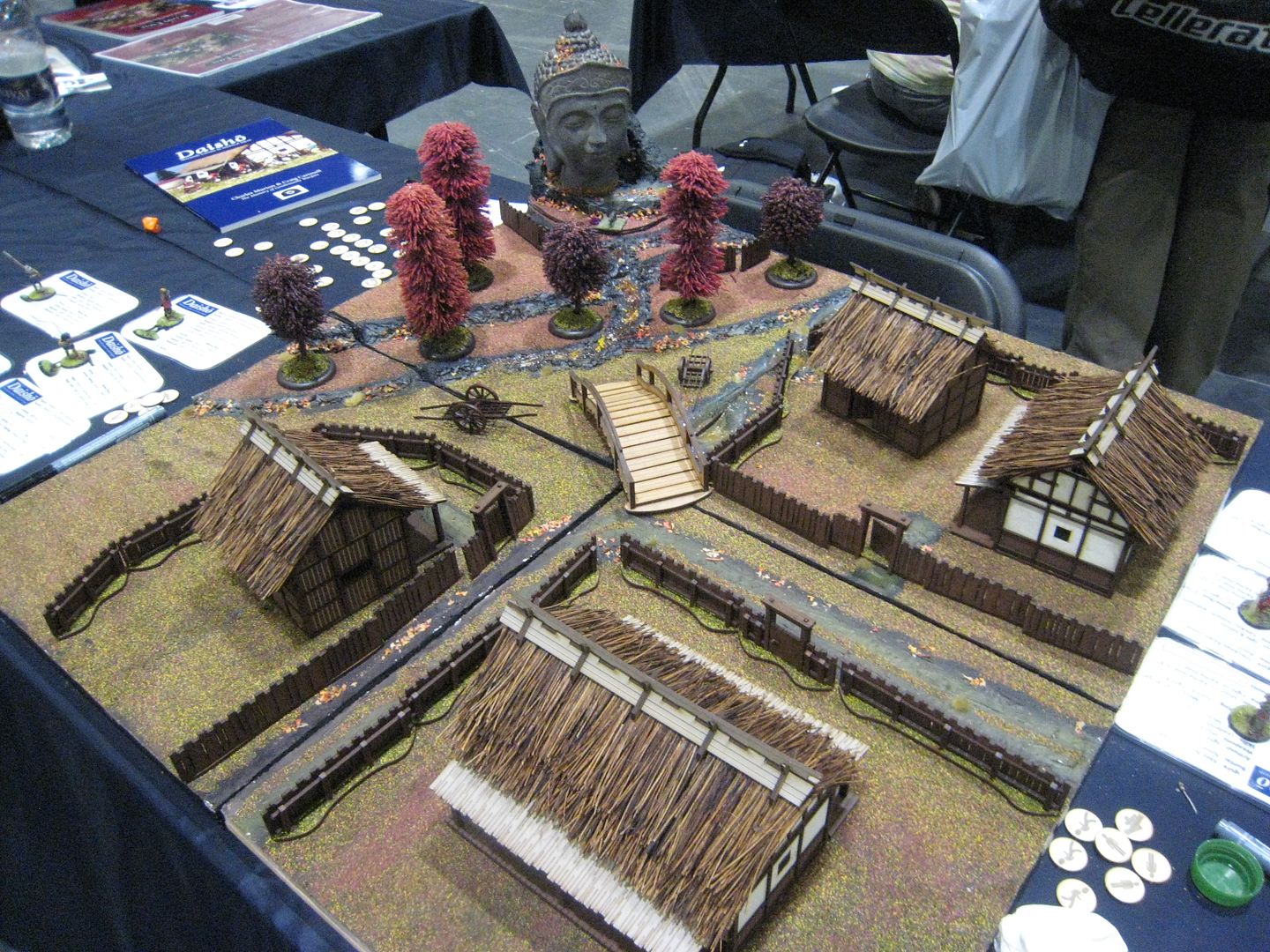
I missed the names of these, but the scenic effects were very pretty.
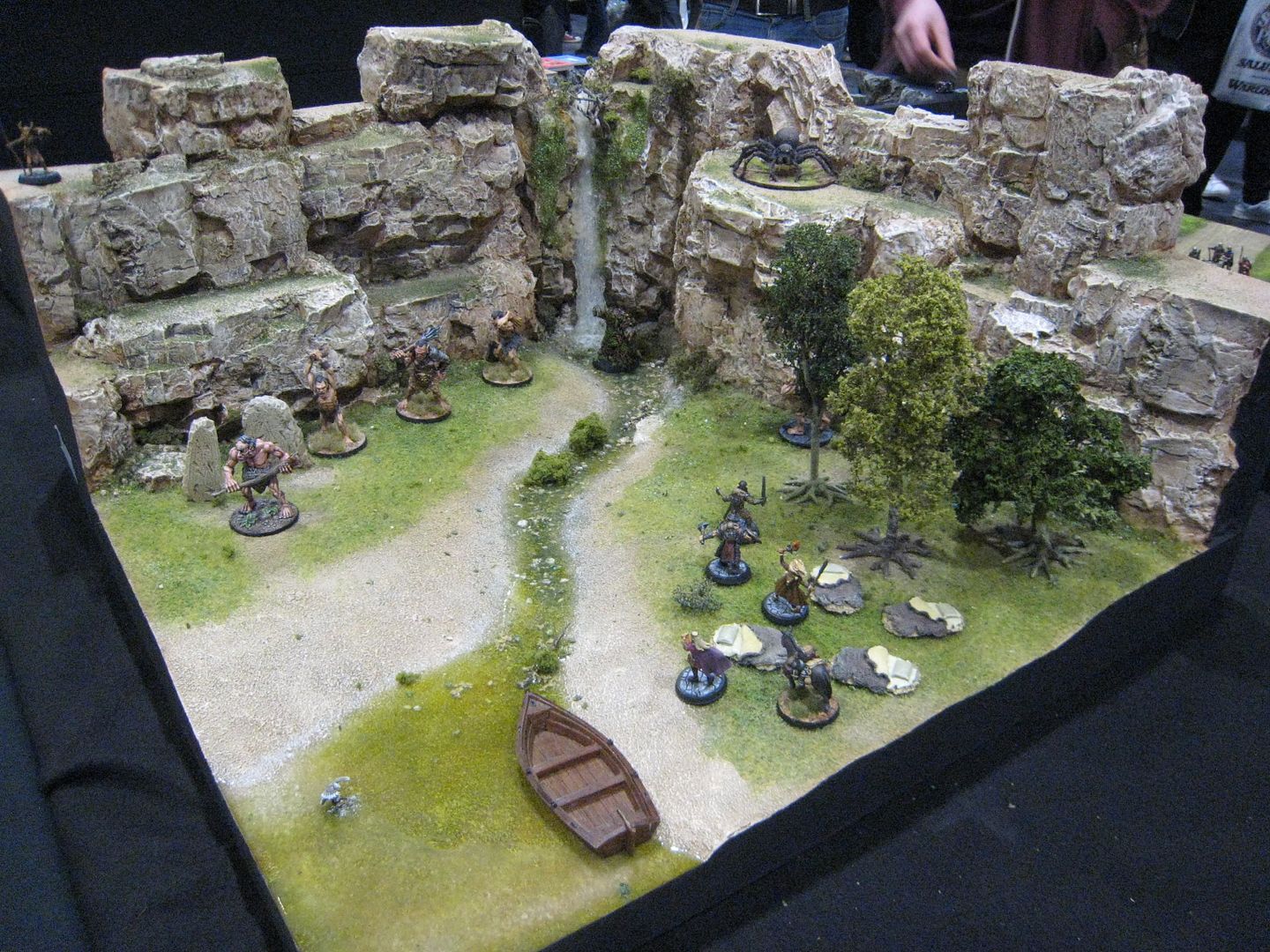


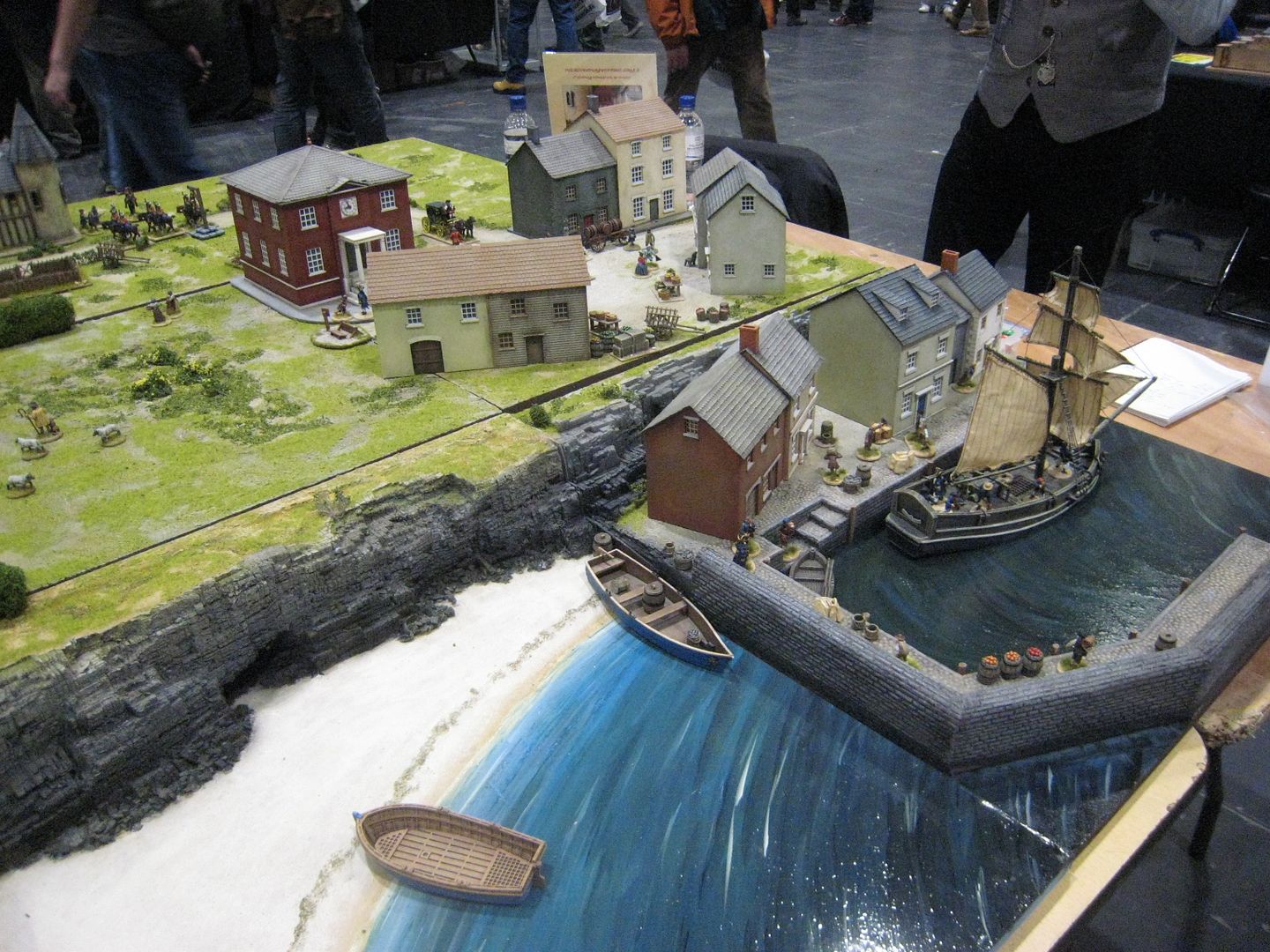
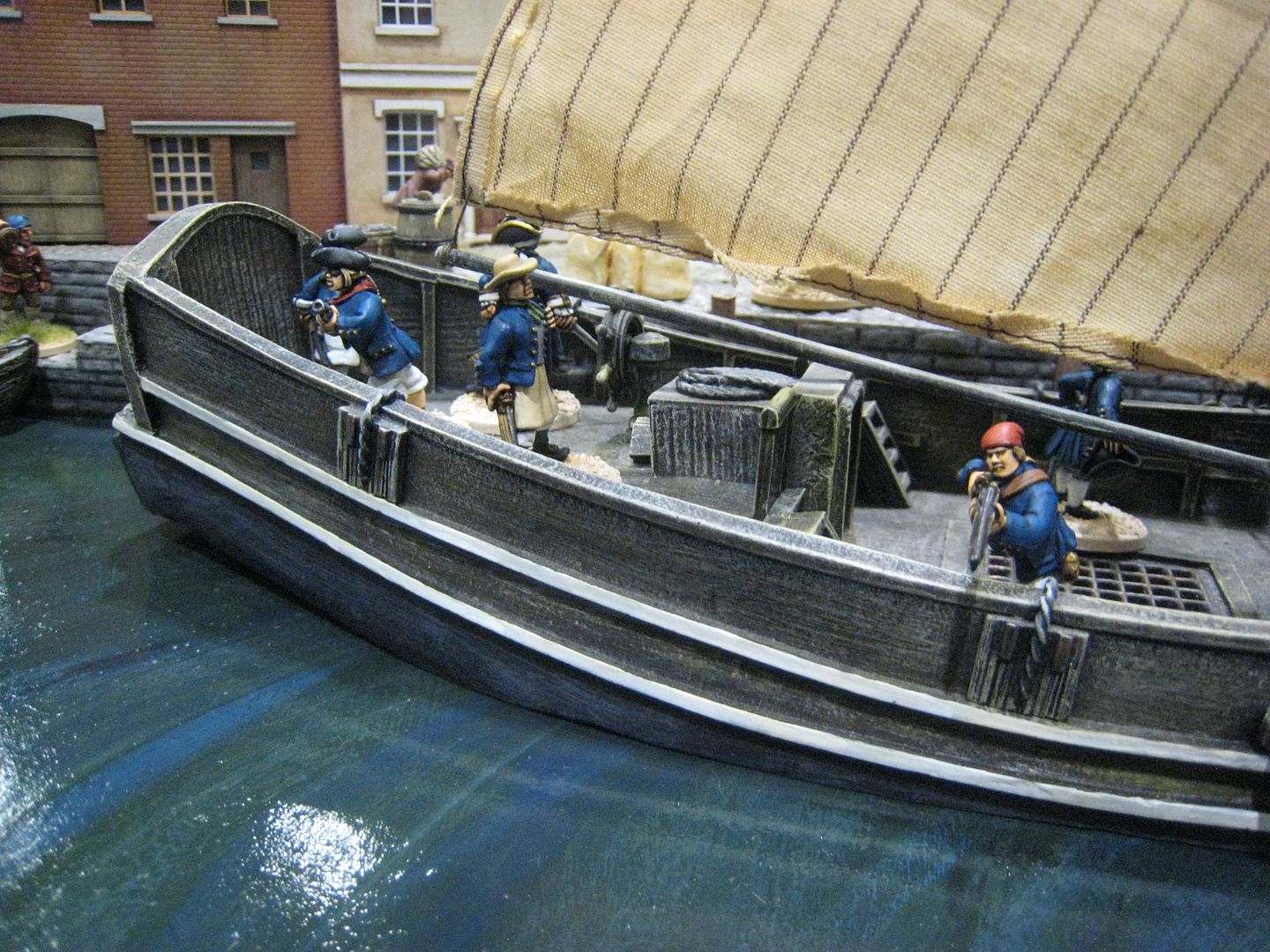
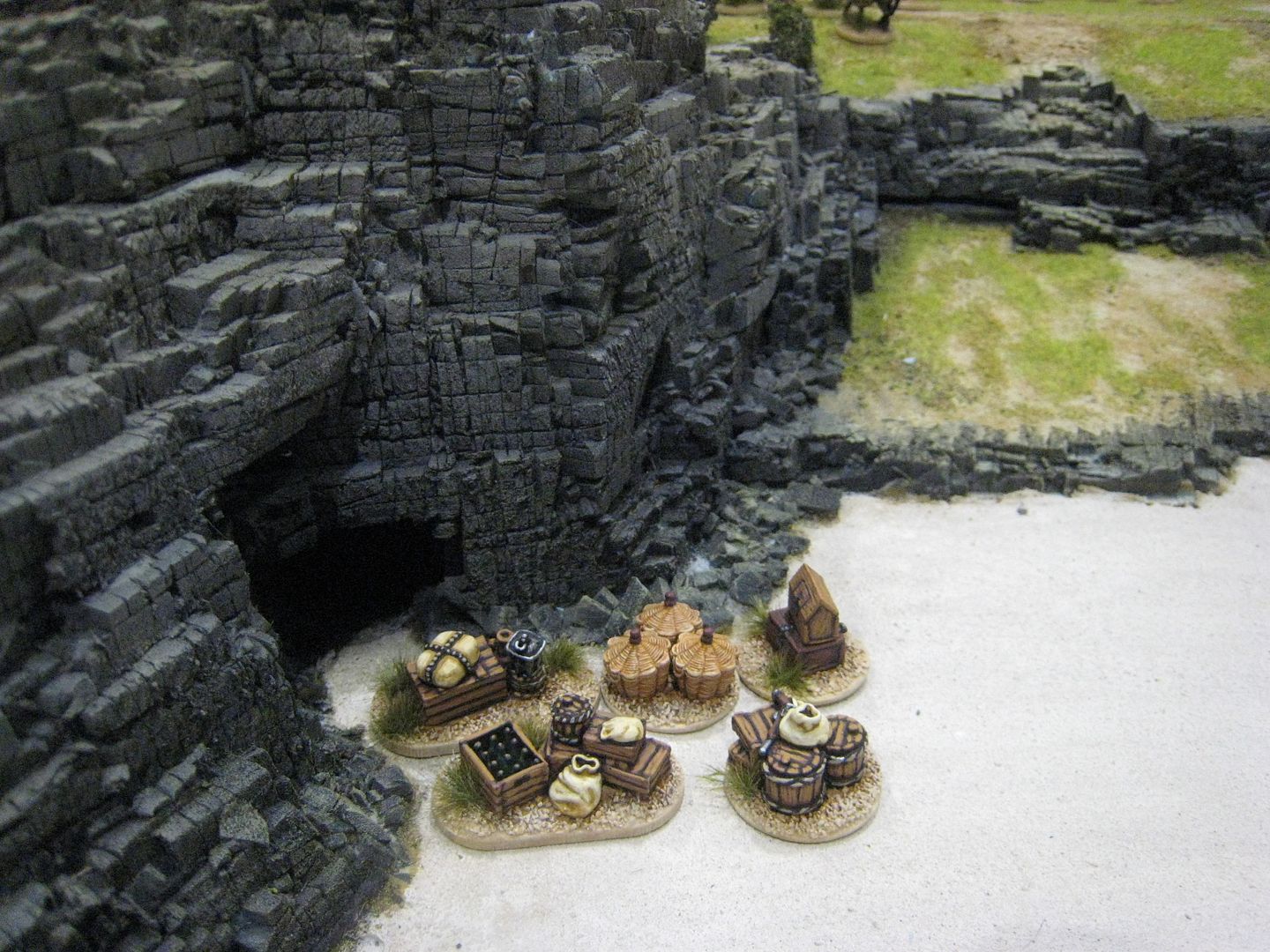
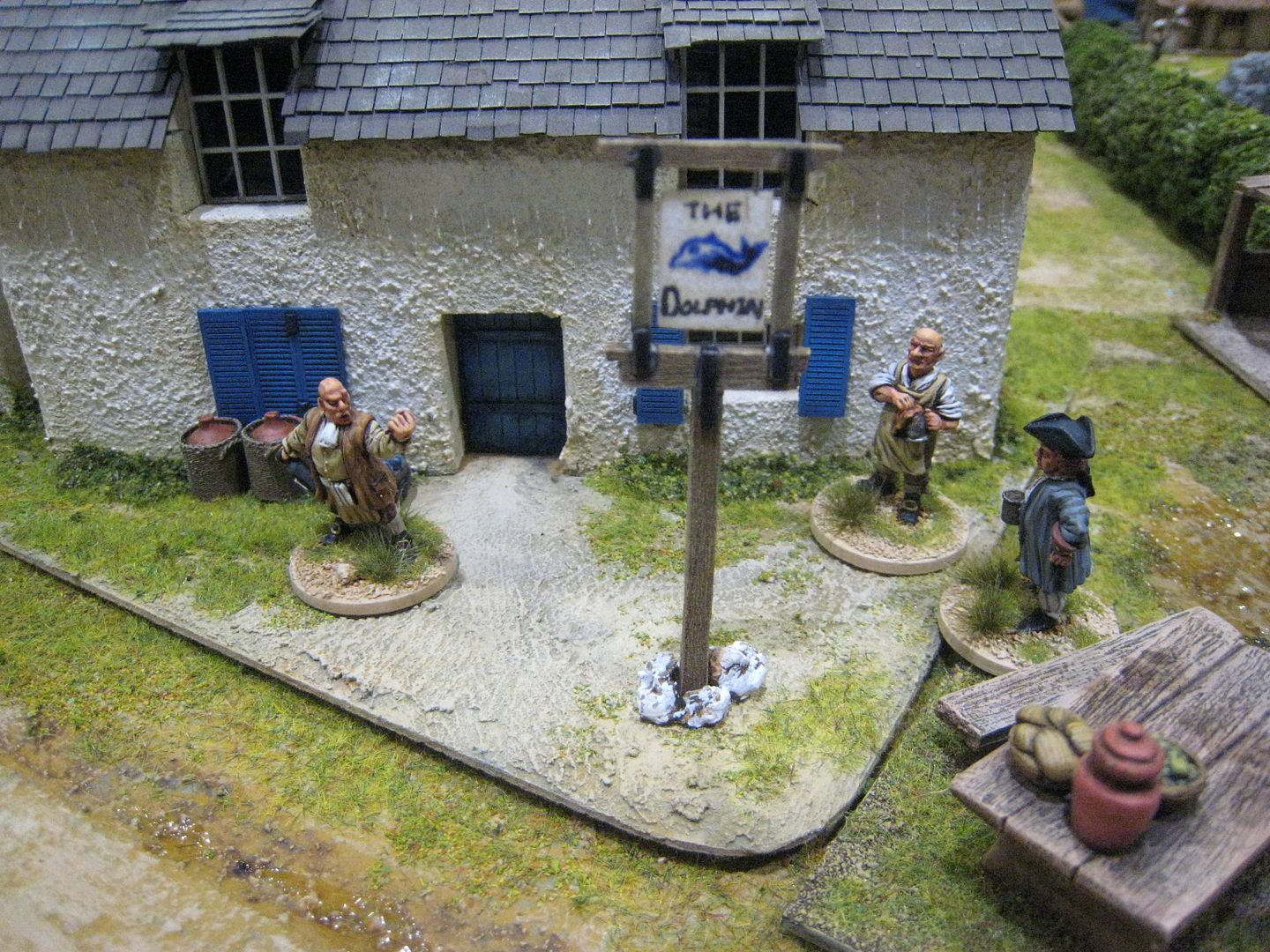
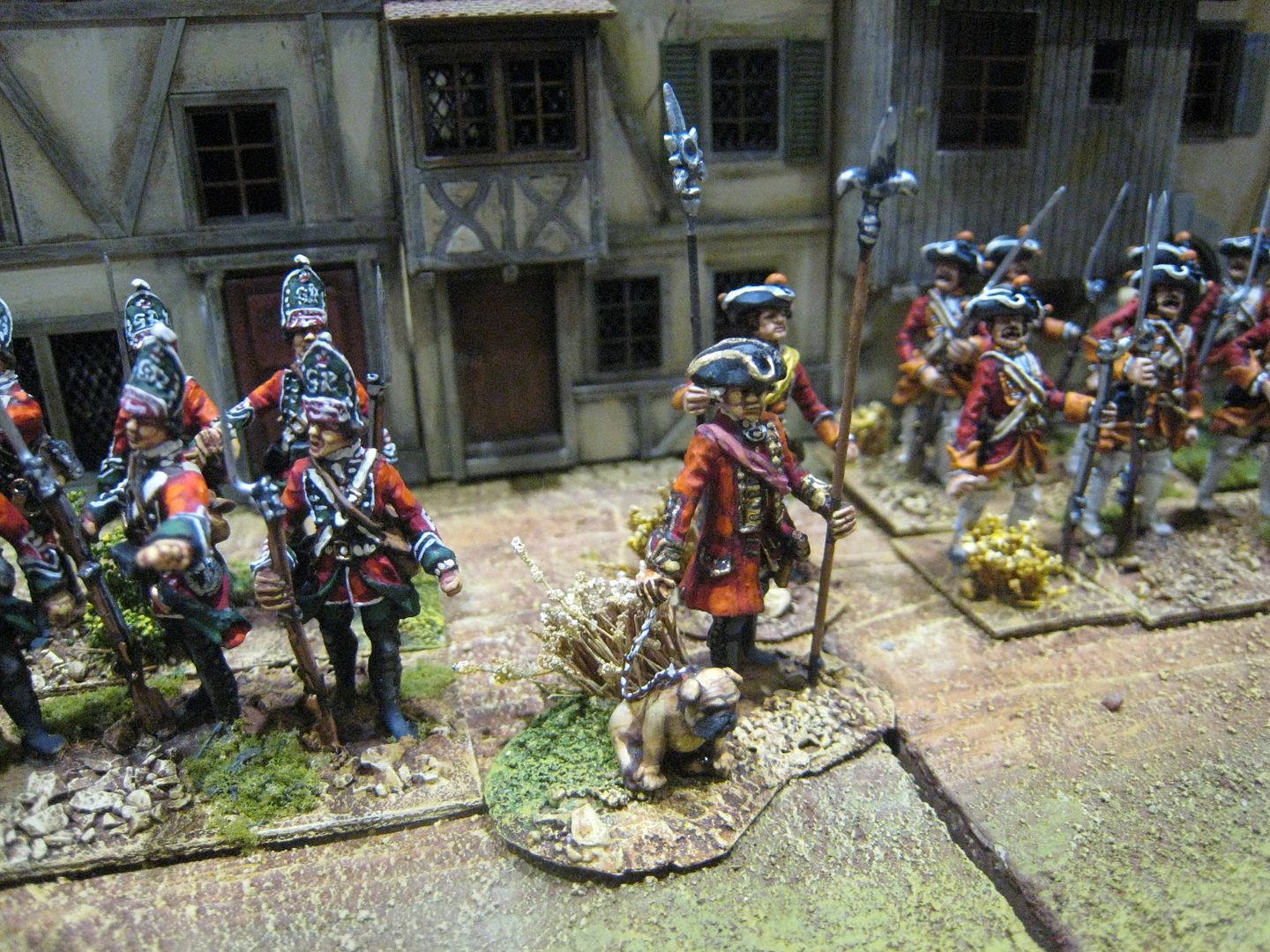
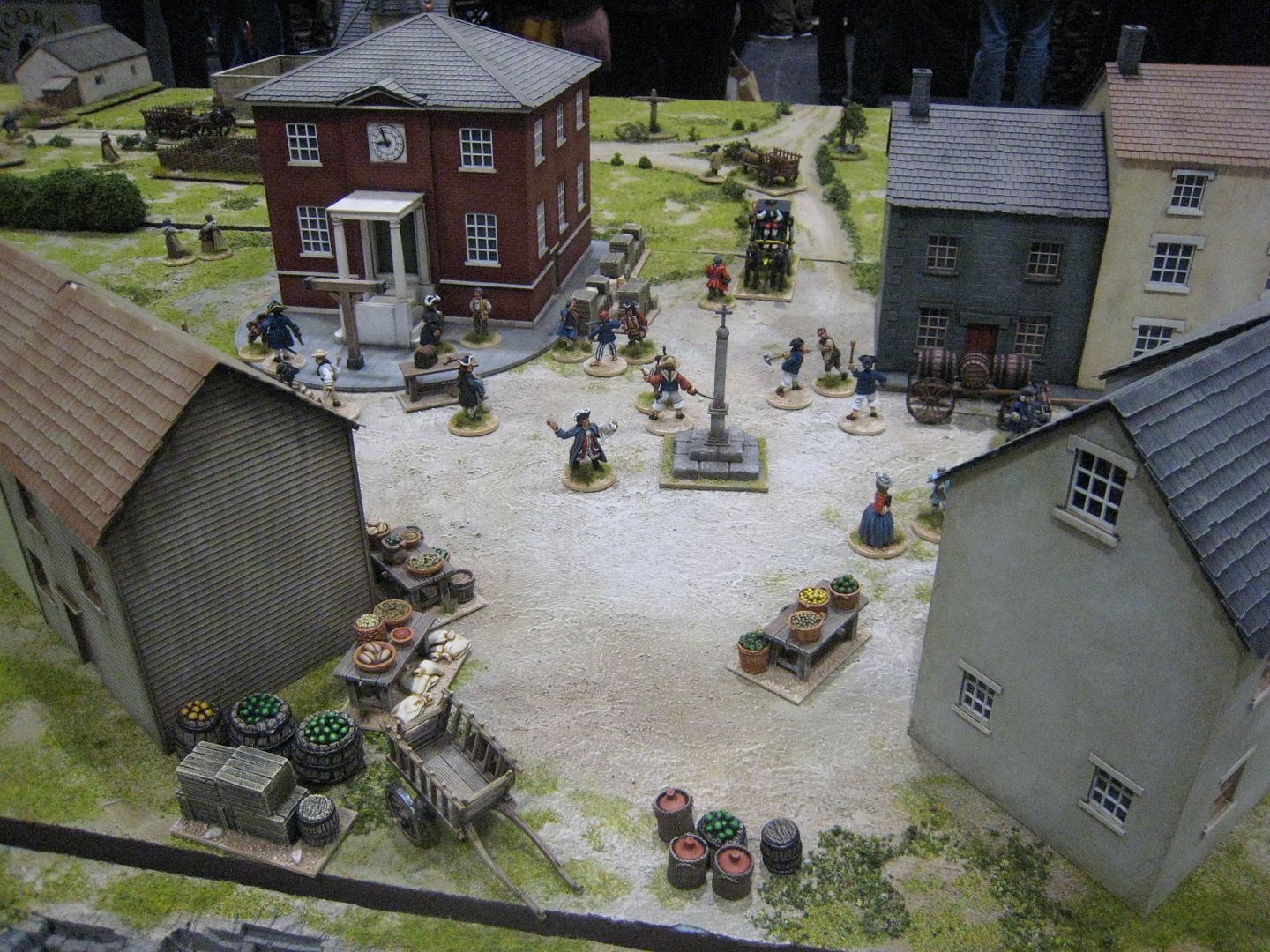
This was one of my favourites -"The Adventures of Paul Drake" from Oshiro Model Terrain. The game used pretty much every 25mm 18th century civilian figure available.  


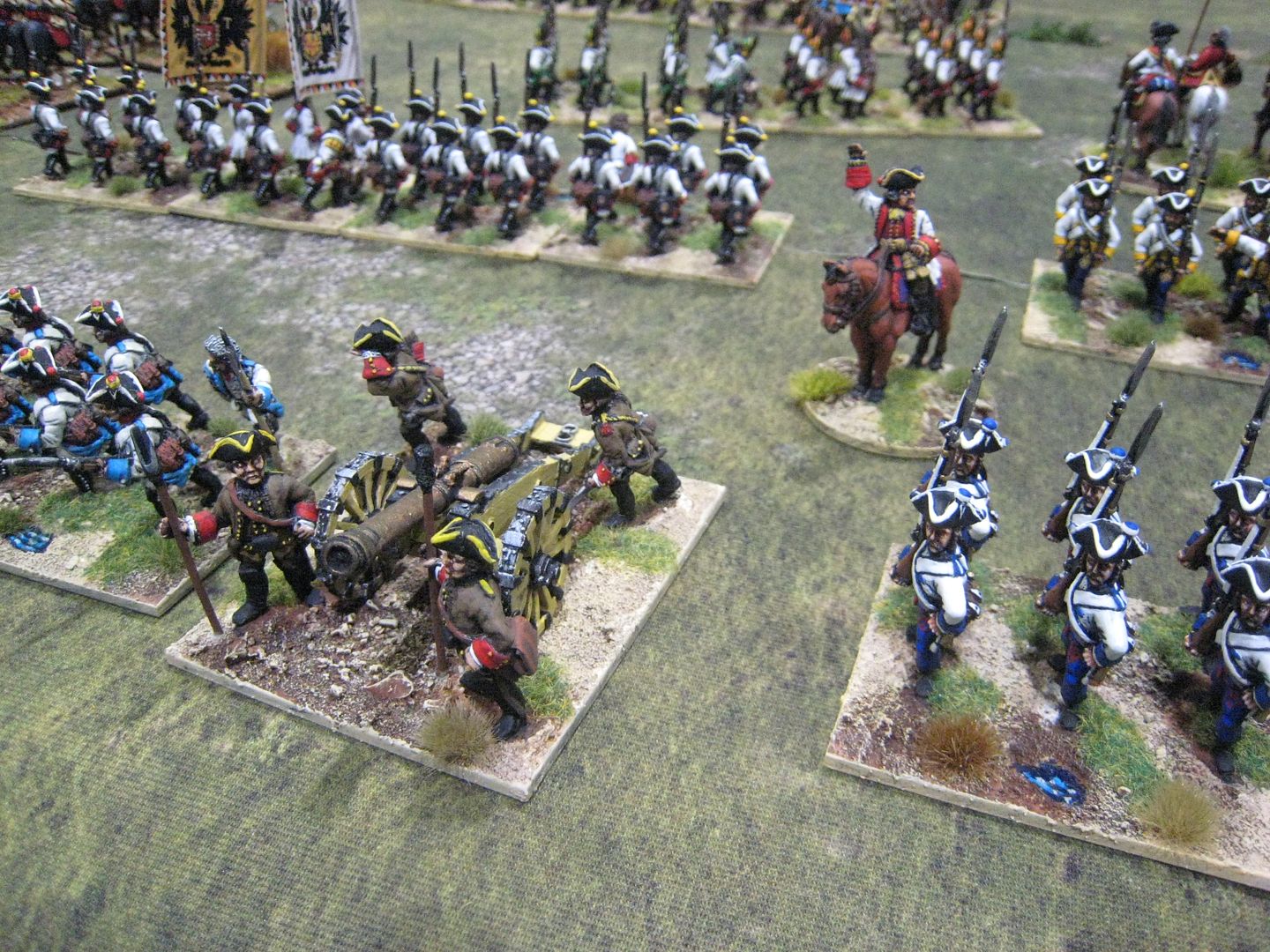
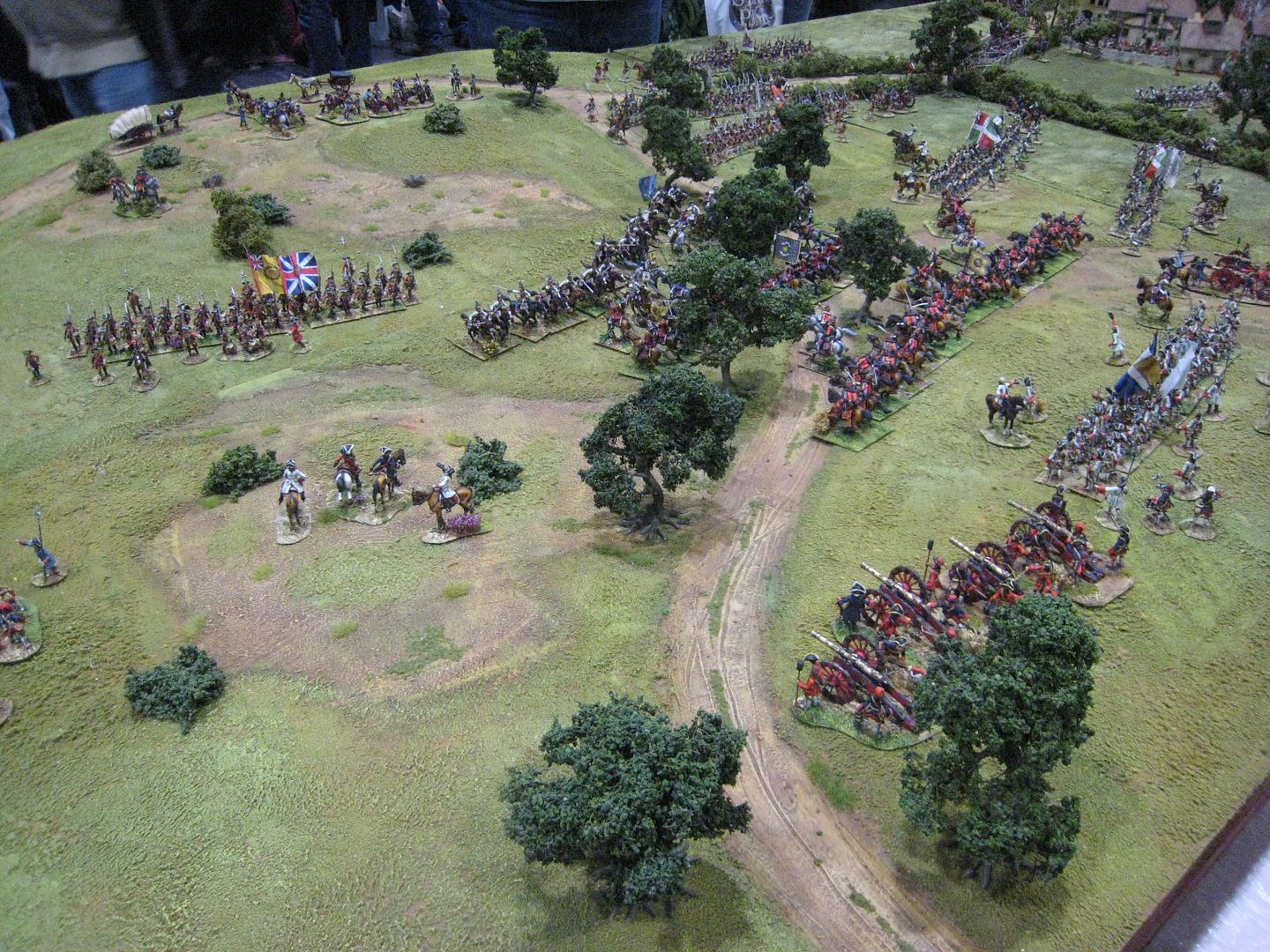
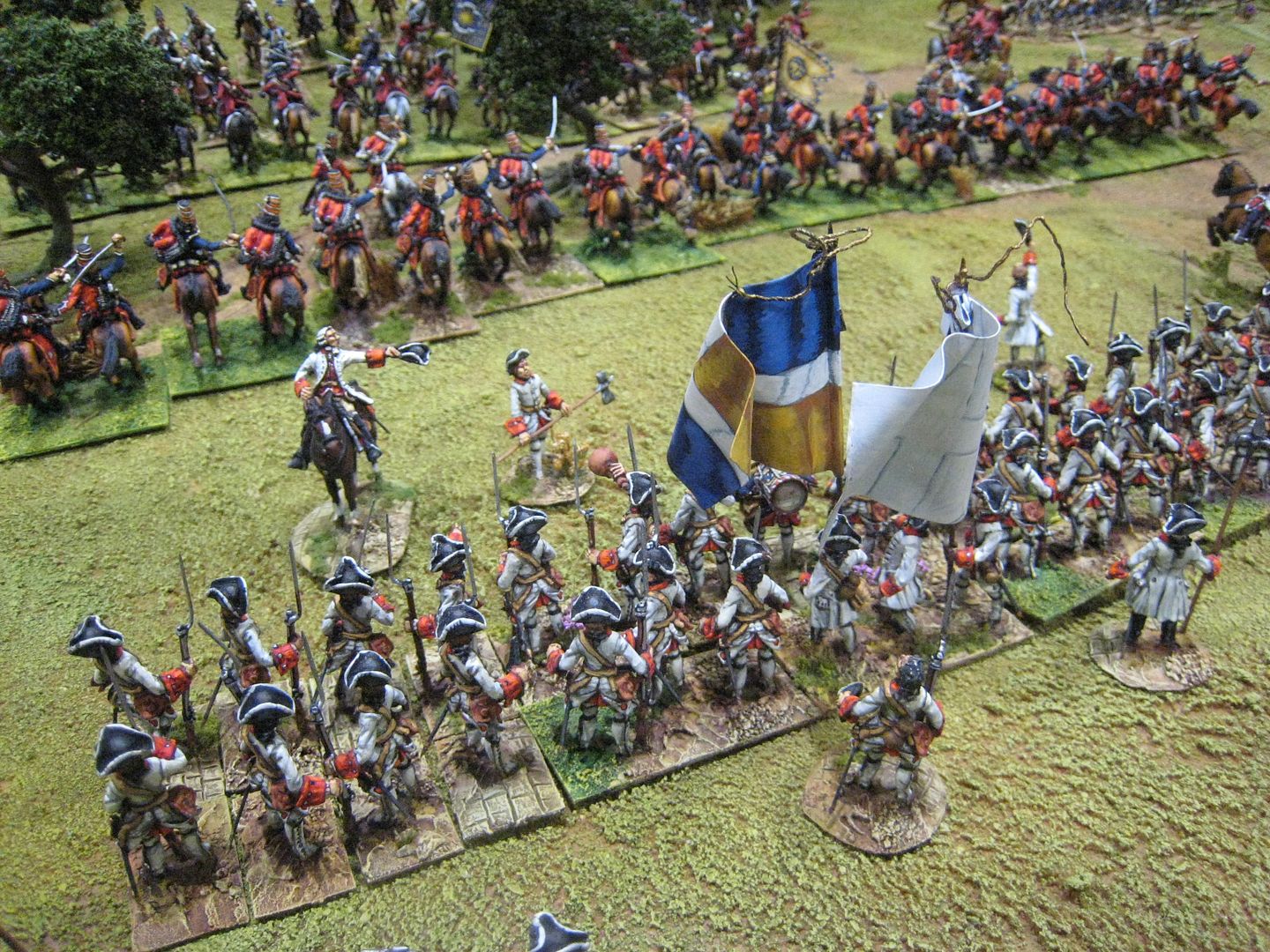
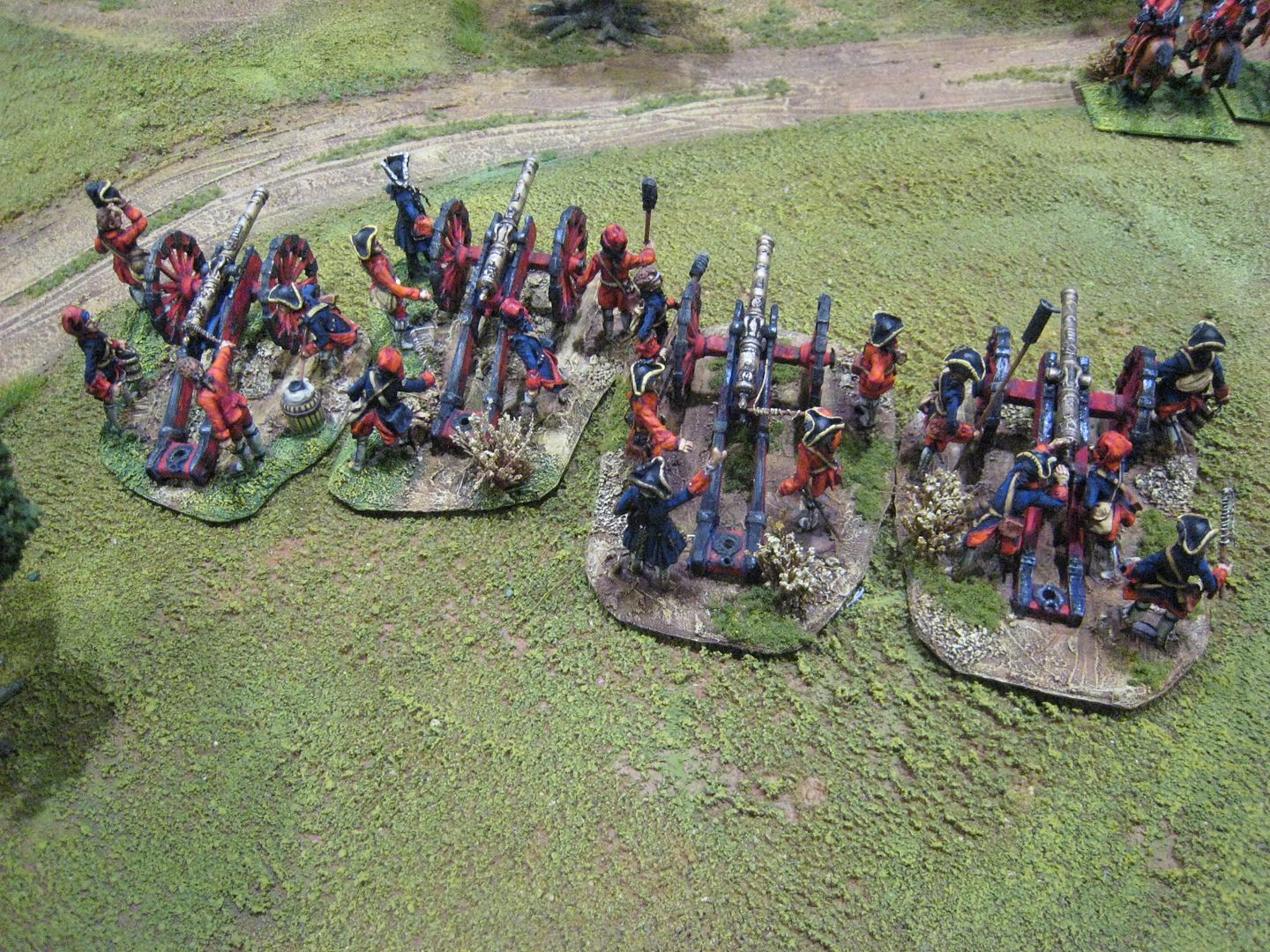
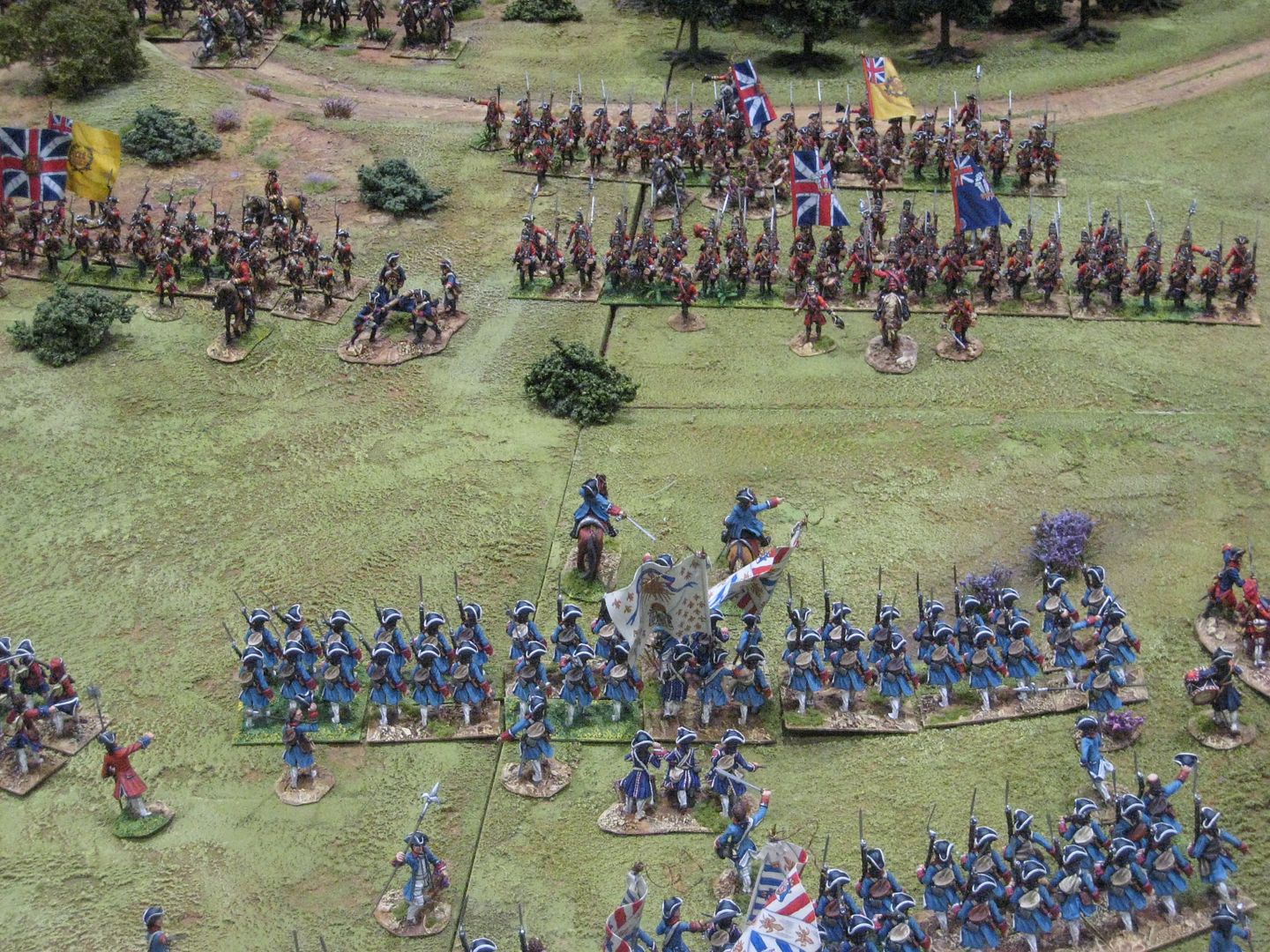
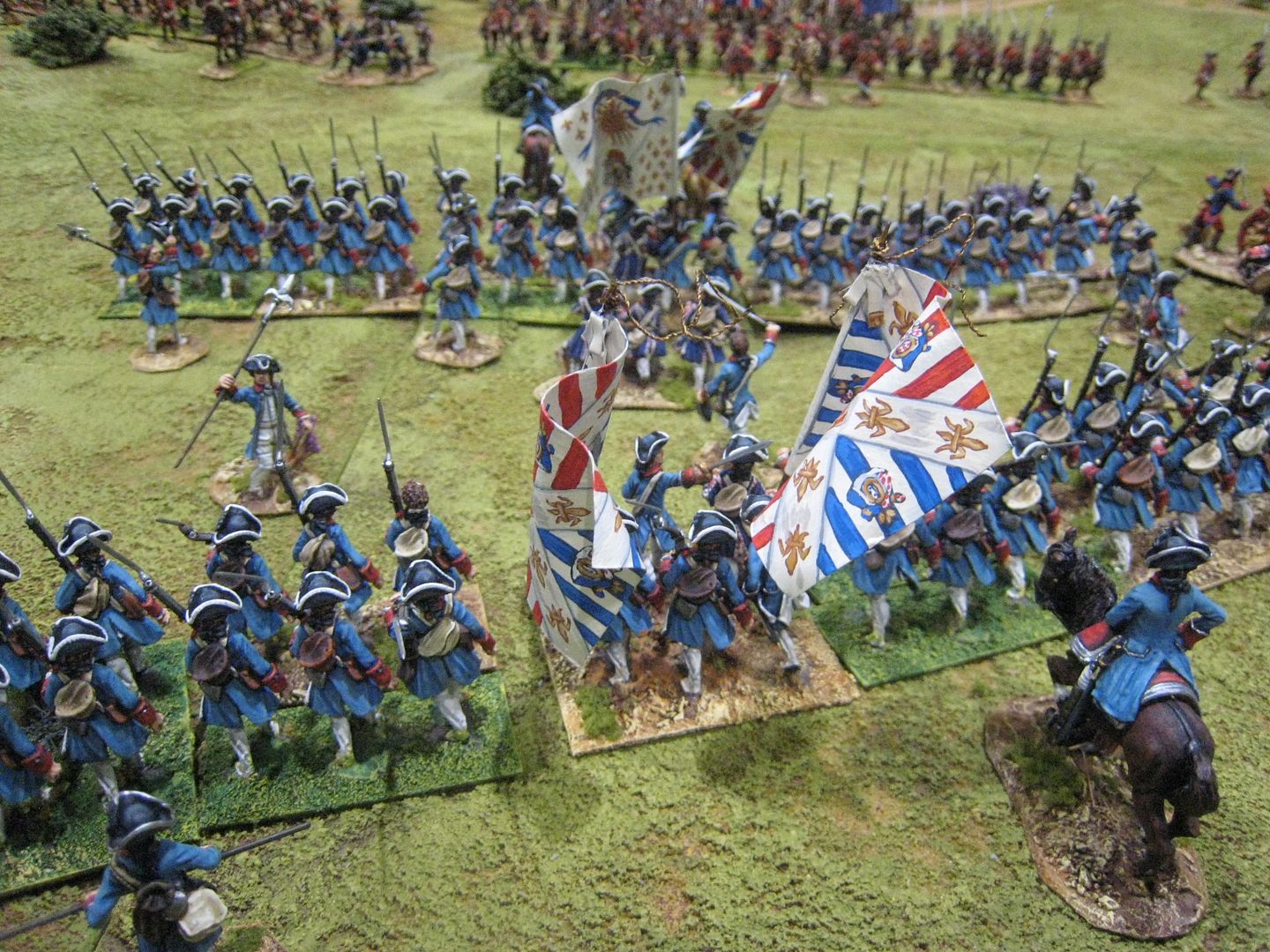
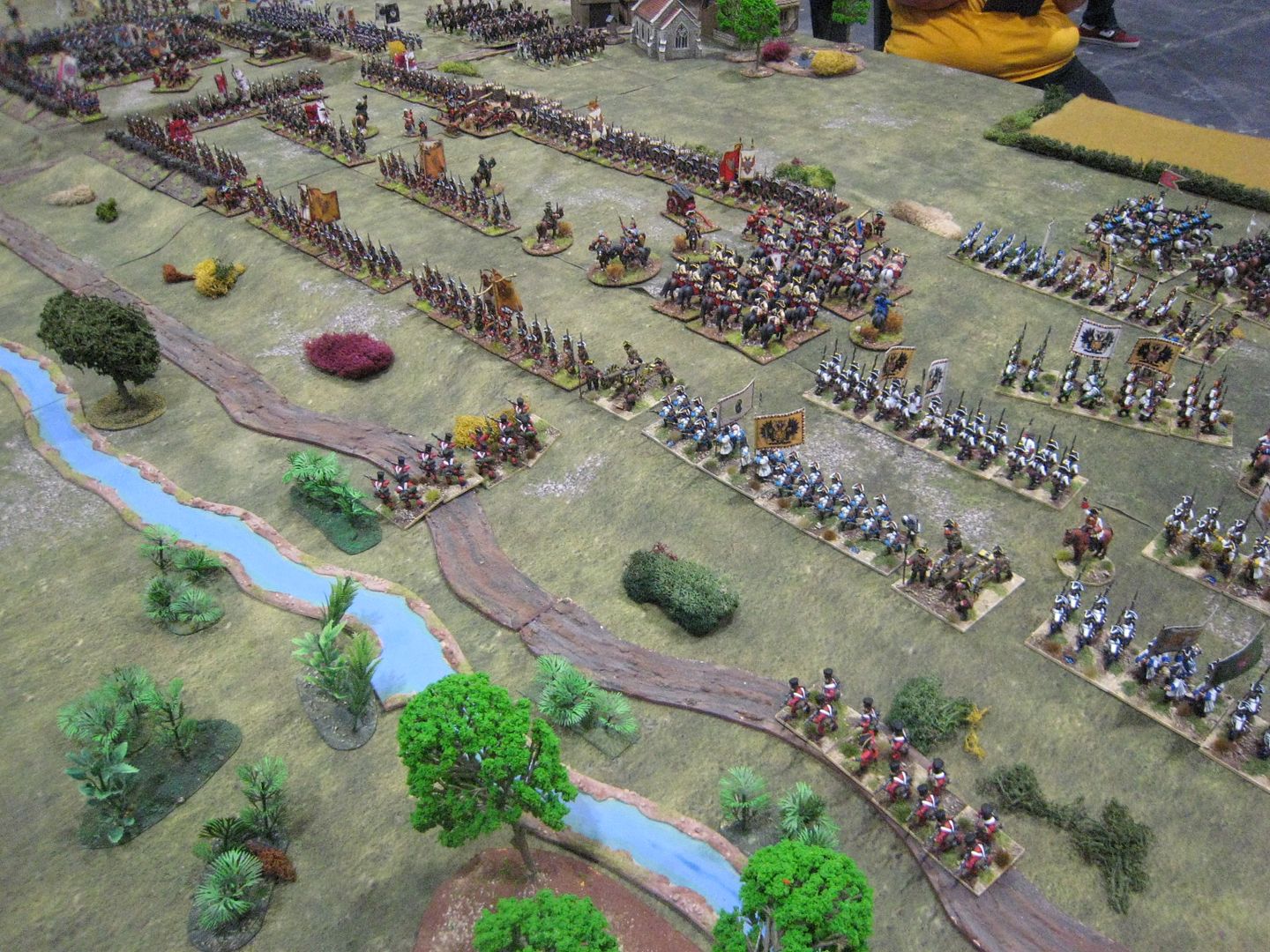
There was lots of Seven Years War action this year.  This is Kunersdorf in 25mm from the Essex Warriors.


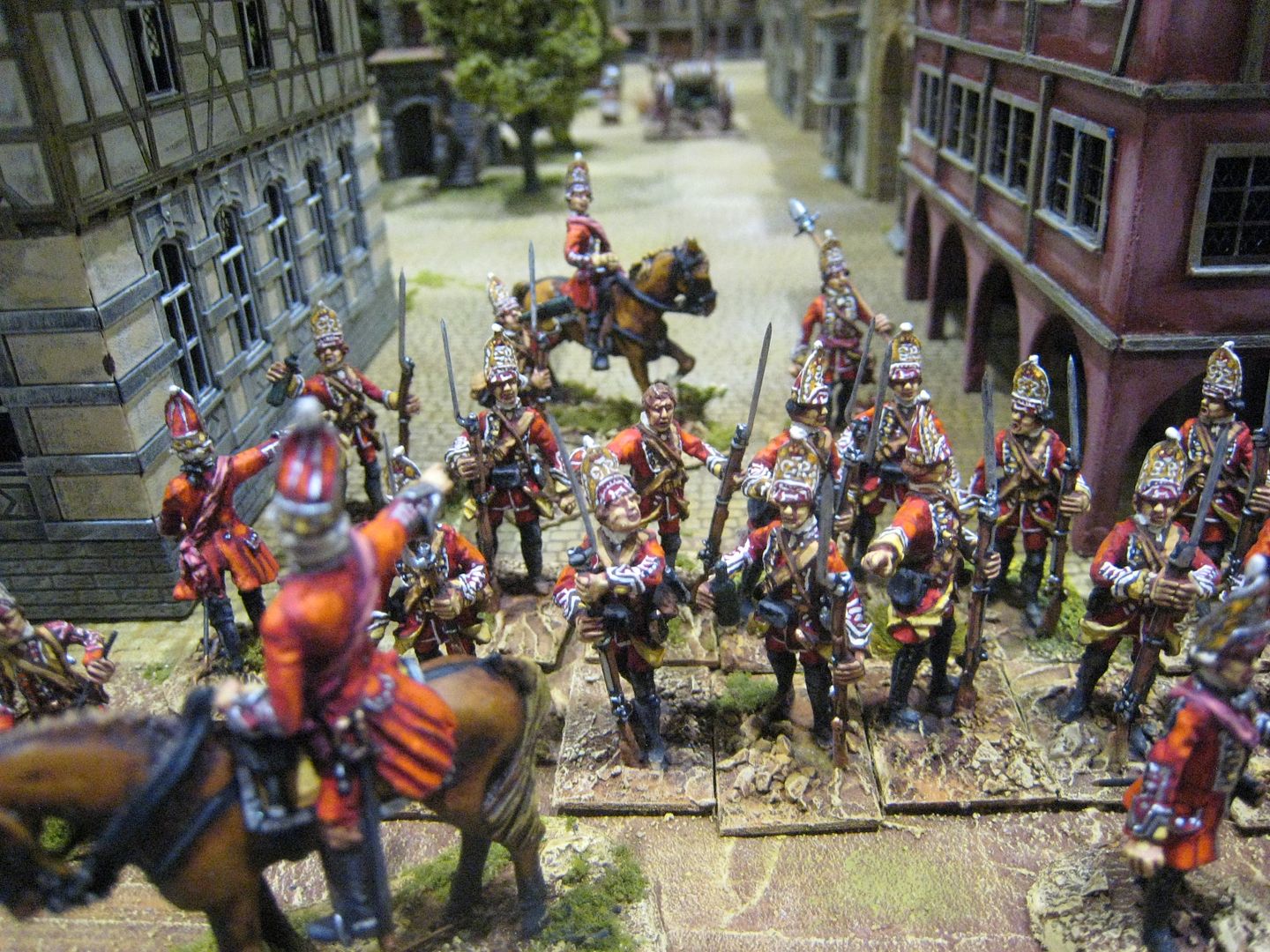
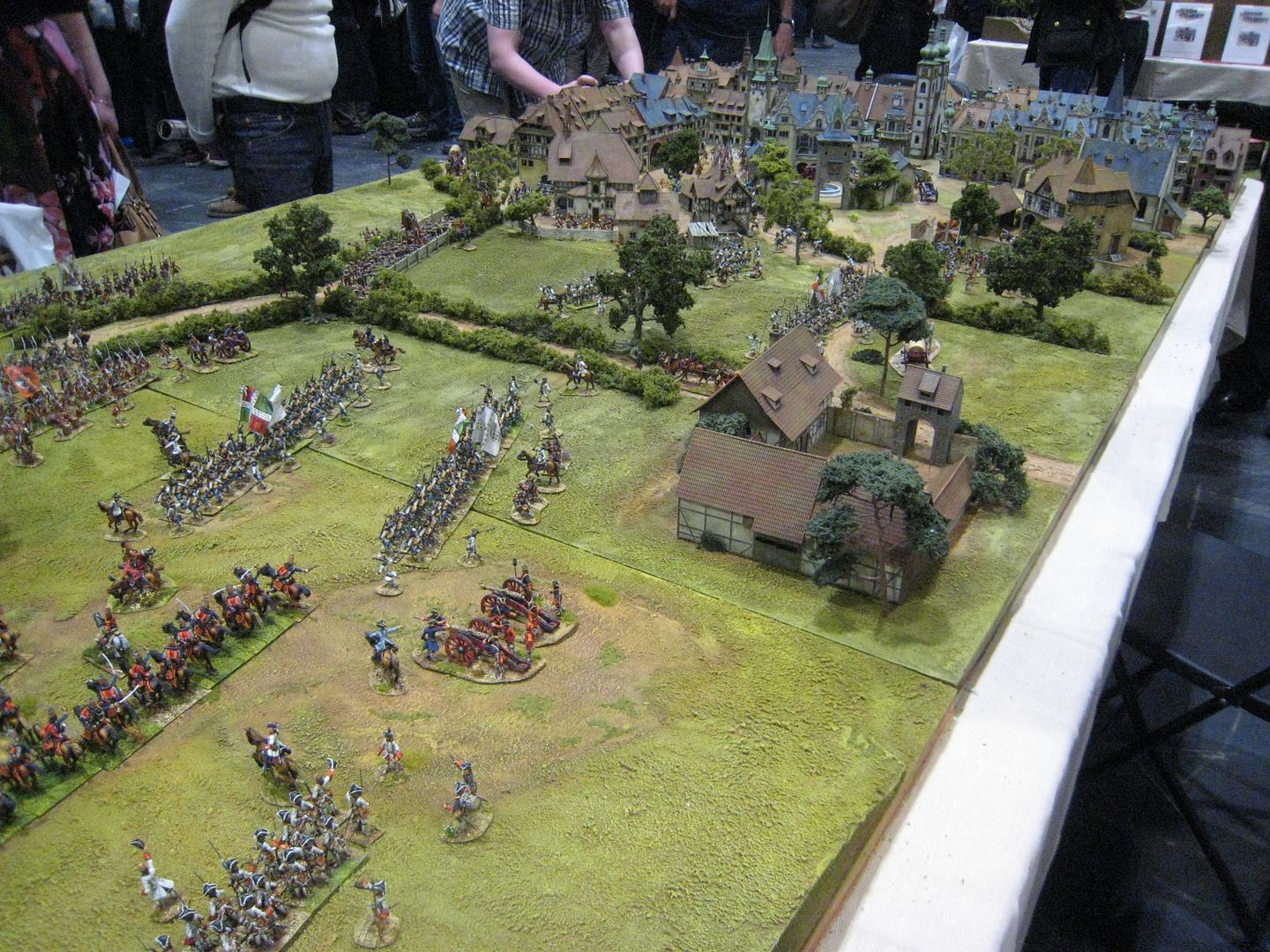
Bill Gaskin's SYW set-up was much praised.  There's no denying the spectacle and Bill's hand-sculpted figures were beautiful.  I'm told that they did start playing the game at some stage.


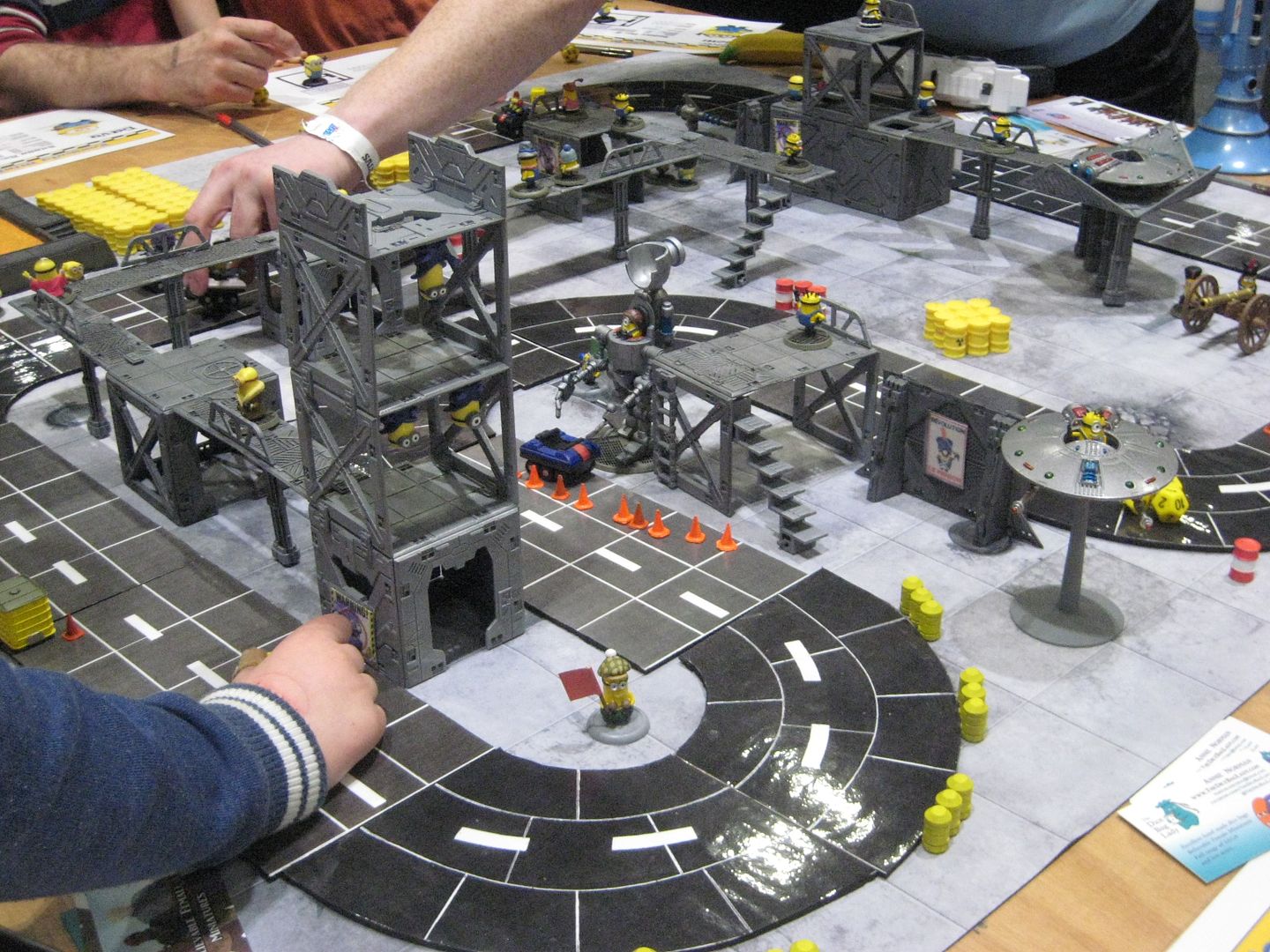
An award for the most inventive game would have gone to the RAF's "Formula Minion" game.  Lots of kids having fun with this one.
 
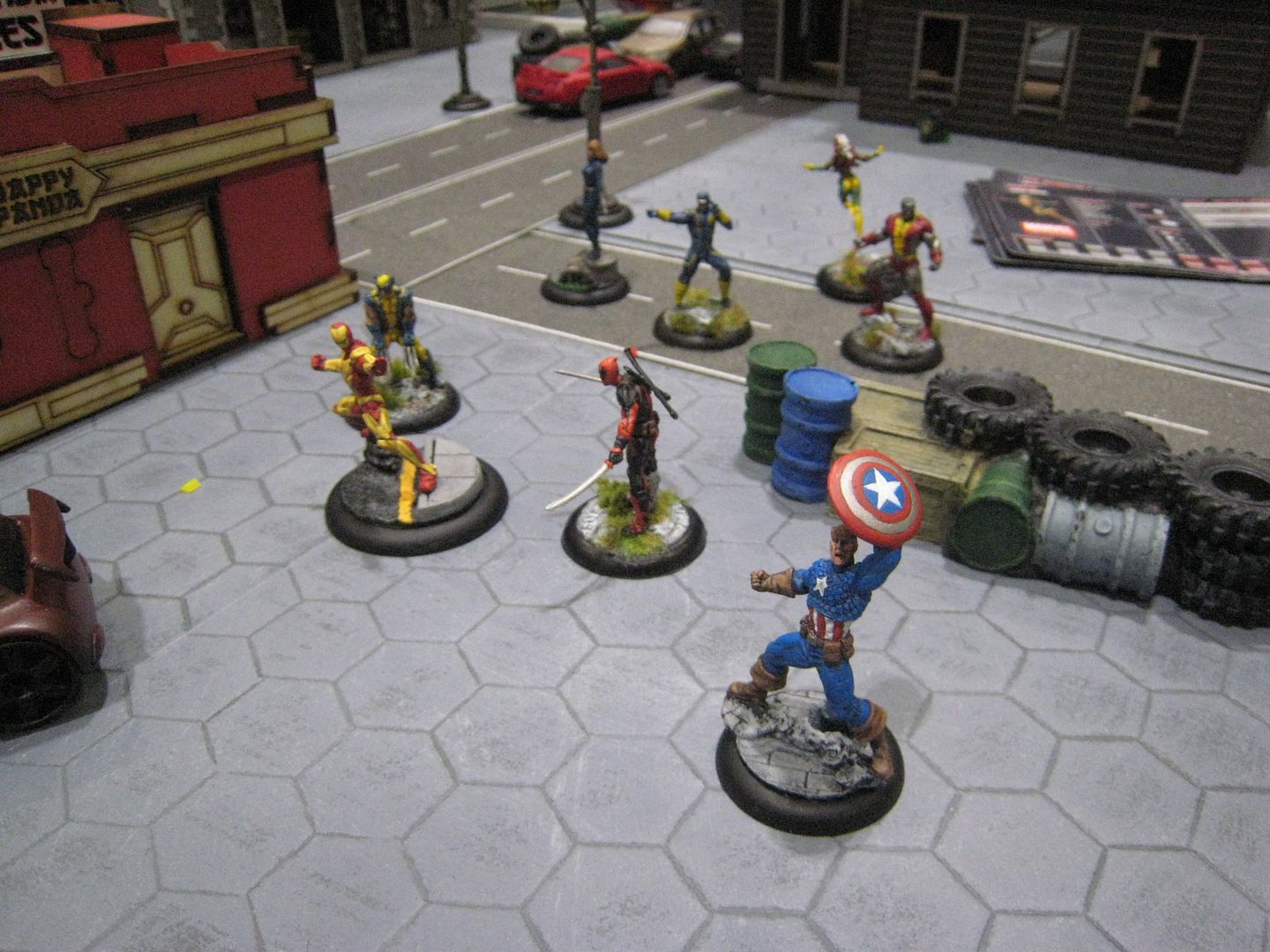
And my boys would have loved this superhero game from Simple Miniatures Games. 
 
 
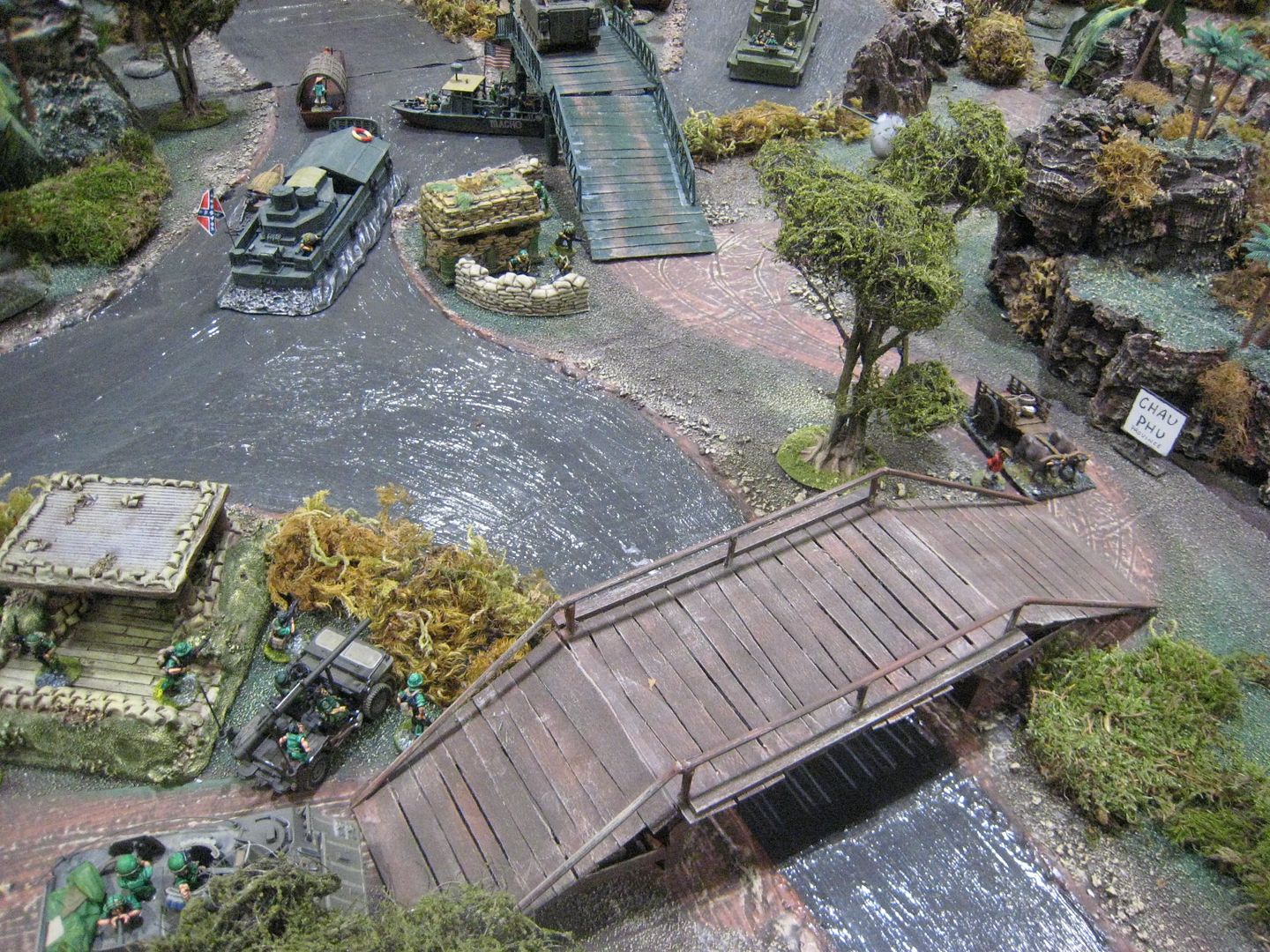
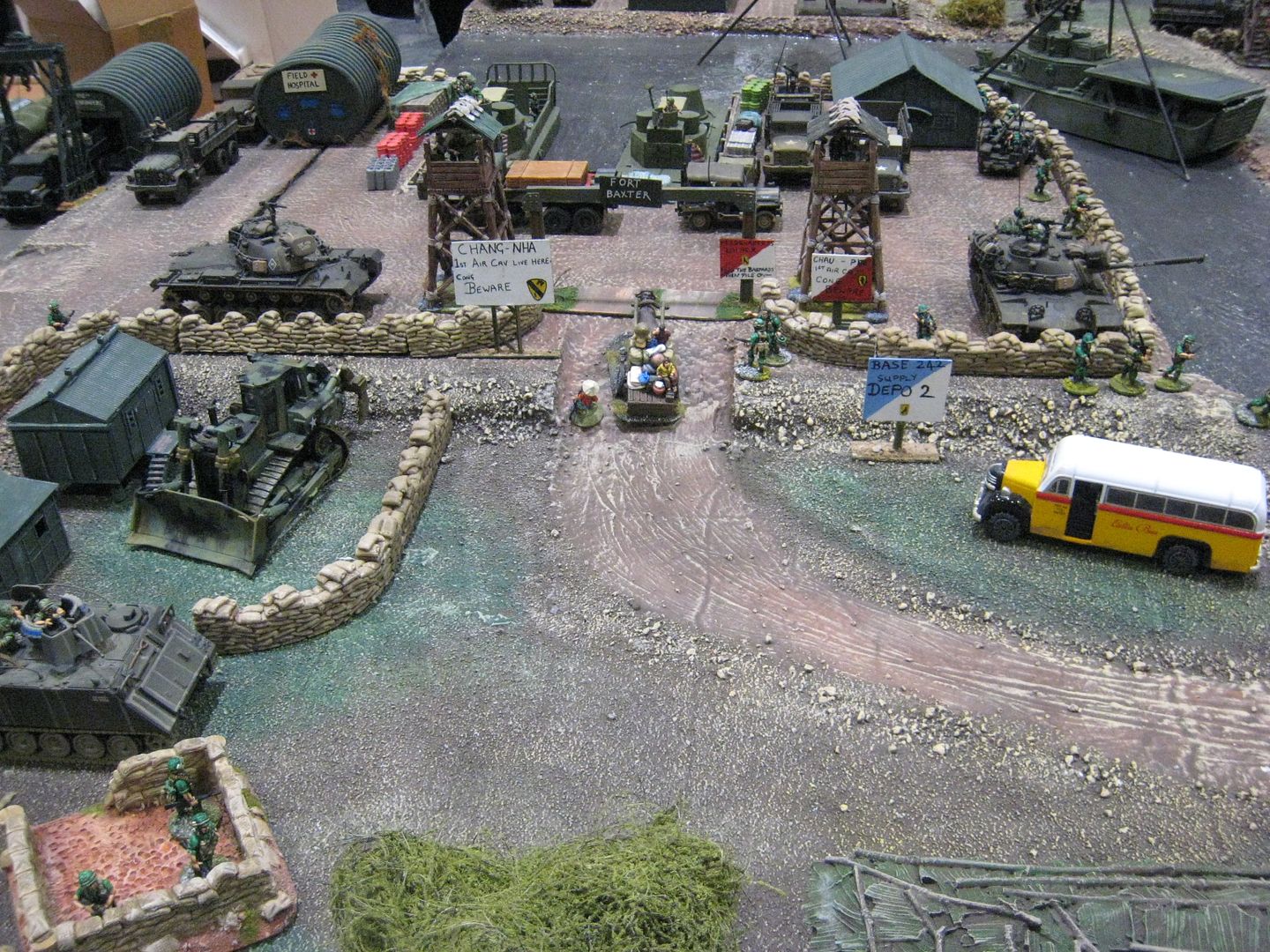
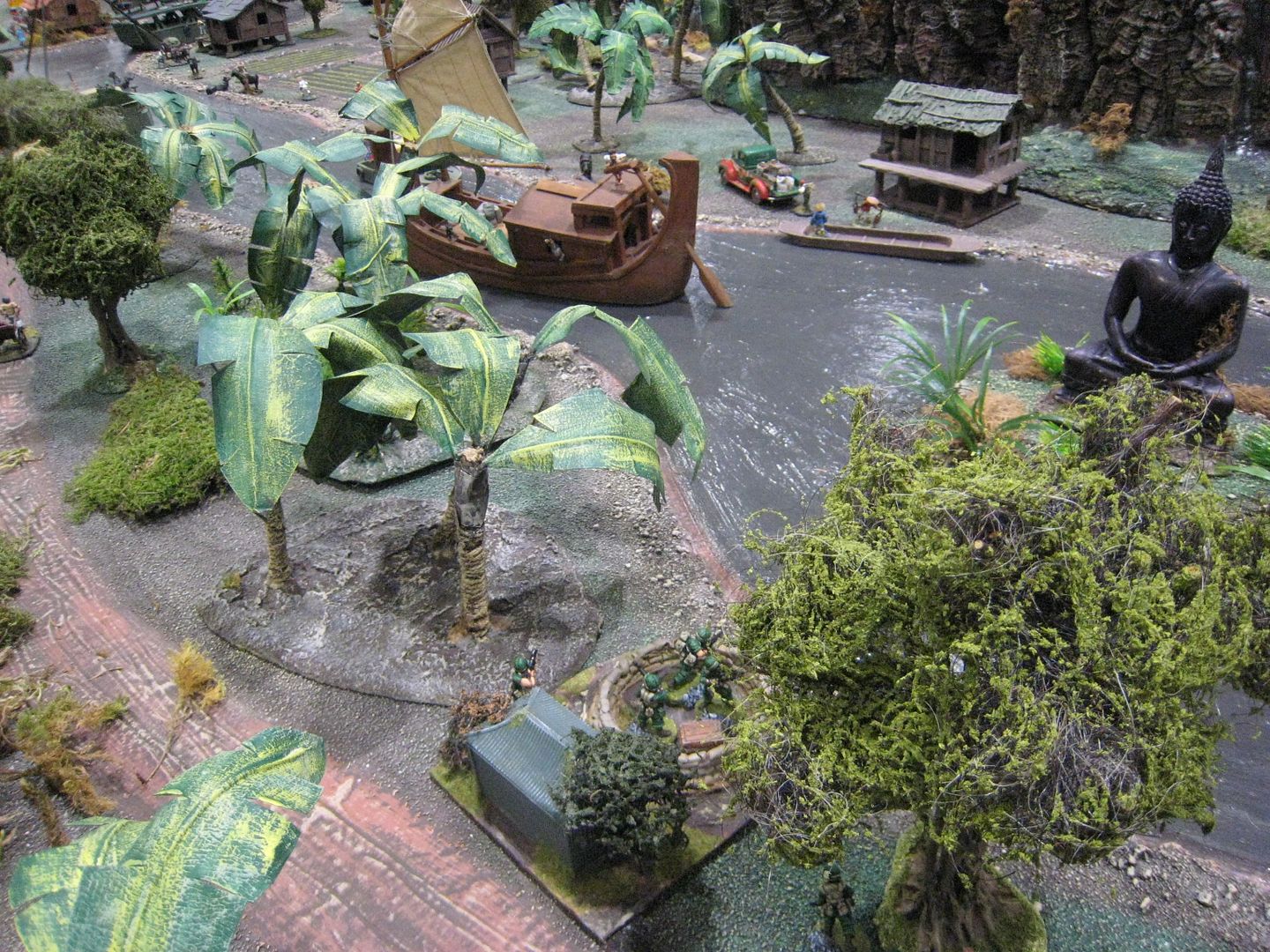
Finally, the Essex Gamesters had a customarily large game, Vietnam in 20mm.  Again, I'm not sure if this was being played, but it did look good.


So that's it for another year.  The blog's been a bit quiet of late, mainly because I have loads of stuff that's either being based or is near to completion.  On the painting desk at the moment are lots of AWI British infantry and Pulaski's Legion (both mounted and dismounted).  So lots of AWI to come over the next few weeks.  

Friday, 1 April 2016

George Washington (2)

The title of this post is perhaps a bit naughty, but it does set the scene for a fascinating little episode from the very end of the war.  While working on my loyalist East Florida Rangers and King's Carolina Rangers I researched the life of those units' commander, Thomas Brown.  As I explained in those earlier posts, Brown became a staunch supporter of the royalist cause in Georgia and raised troops to fight for the King.  At the end of the war, in late 1782, Brown and several thousand other loyalist refugees found themselves in St Augustine in Florida.  St Augustine had been founded by the Spanish in the 1560s but was ceded to the British in 1763 under the Treaty of Paris that concluded the Seven Years' War (the Spanish received Havana in return).  Another Treaty of Paris, the one of September 1783 that finally settled American independence, returned St Augustine to Spanish rule (Florida remained a Spanish possession until it was, in effect, conquered by Andrew Jackson's US forces in 1821).

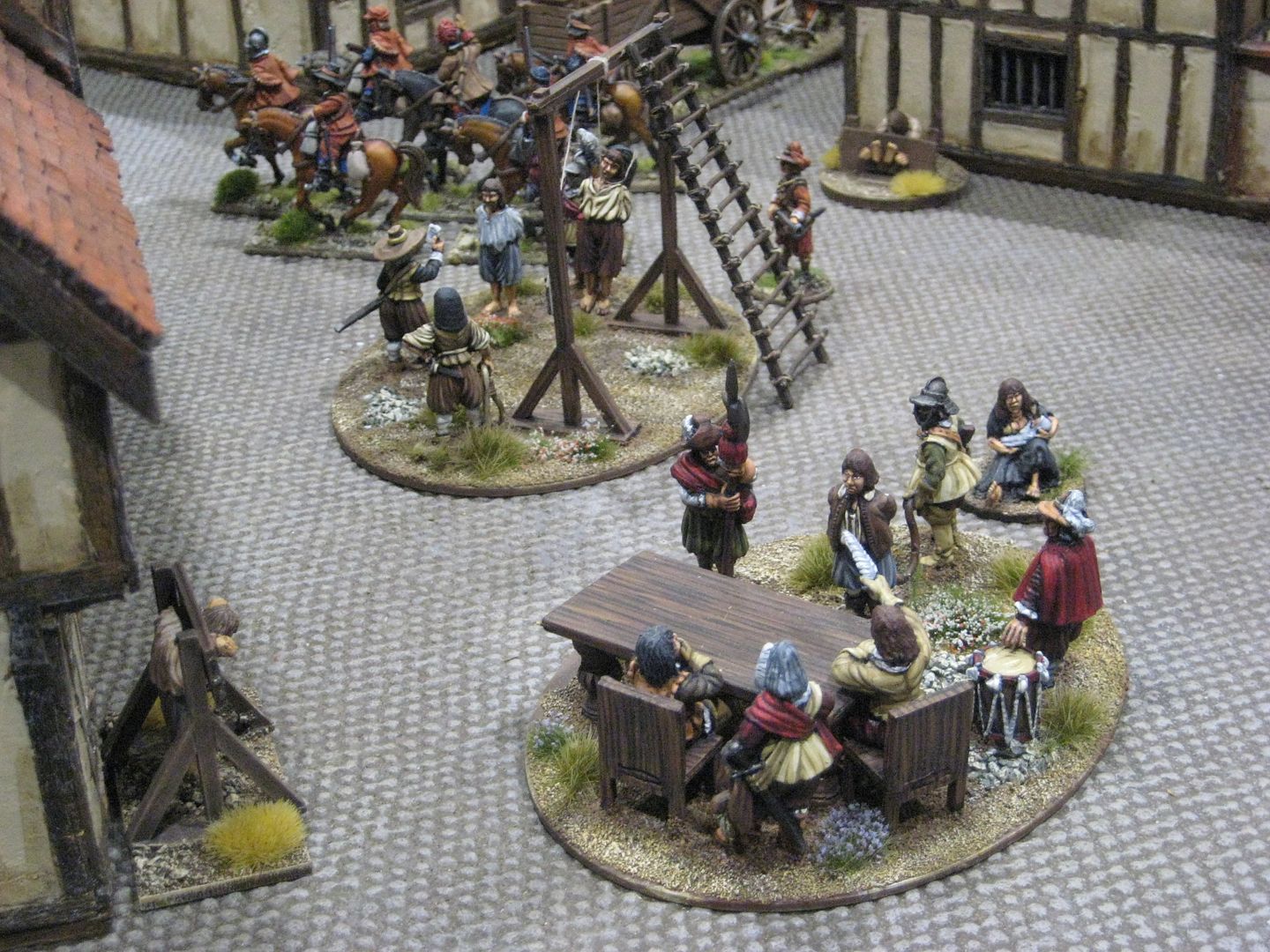
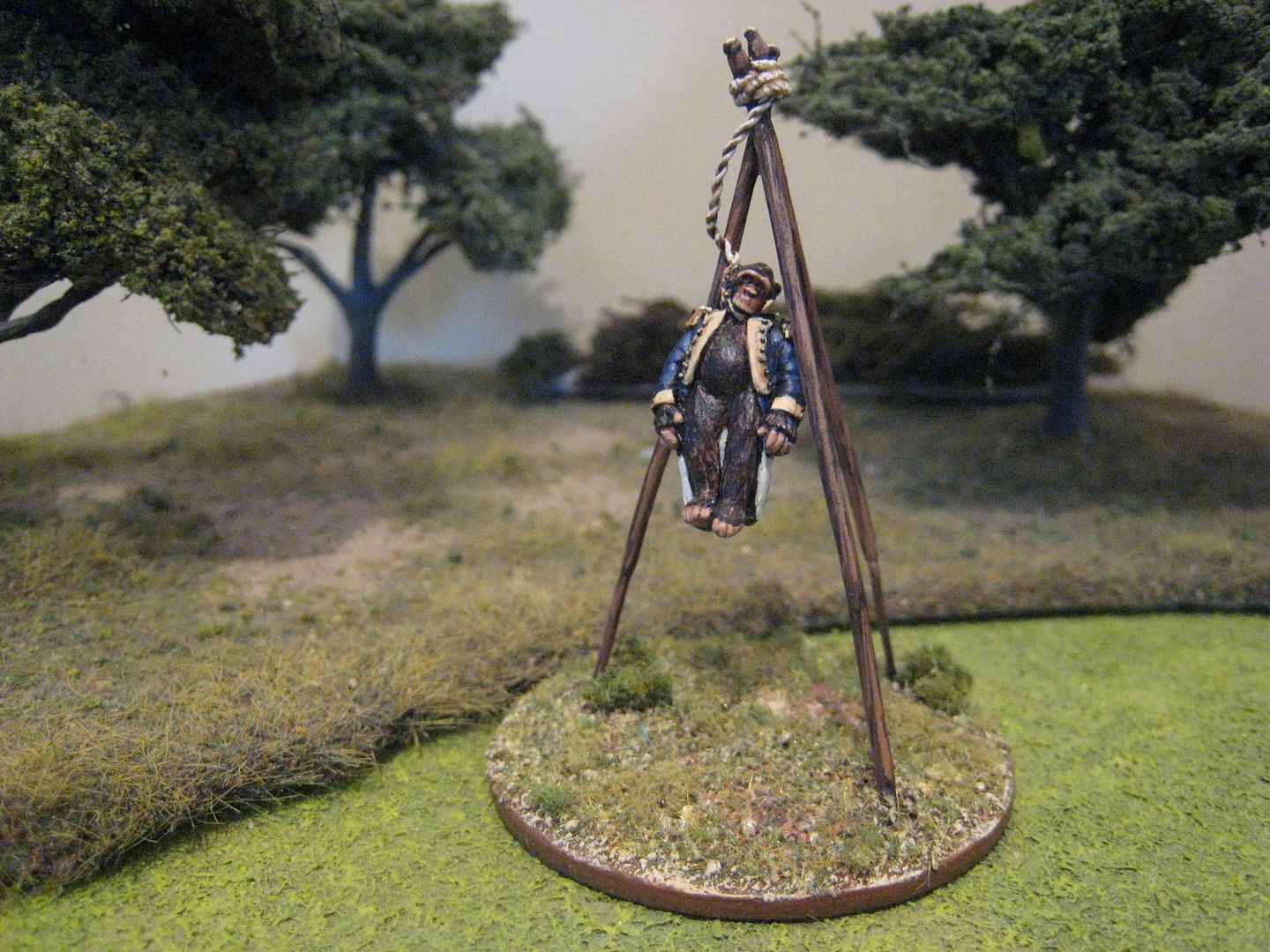
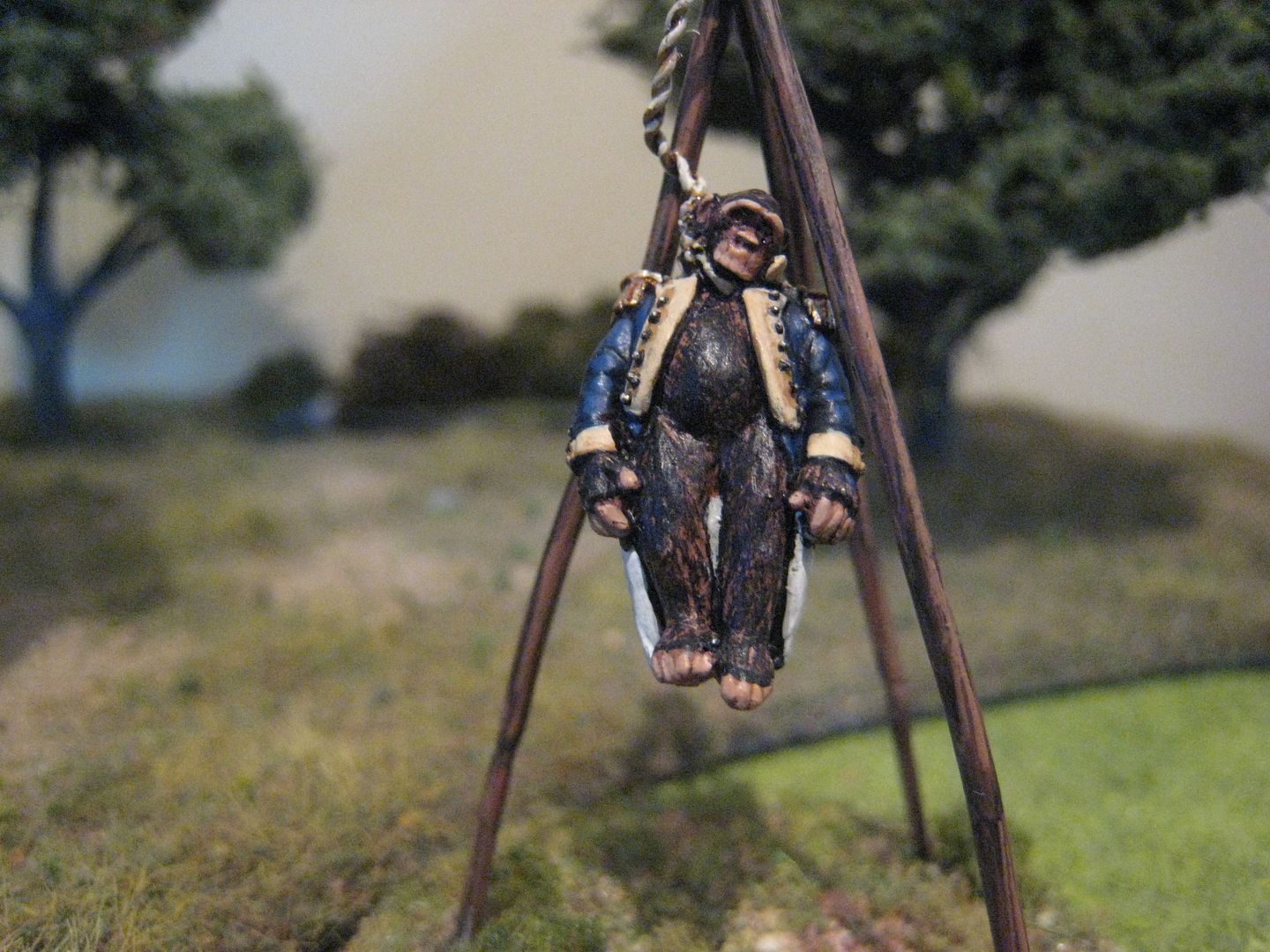
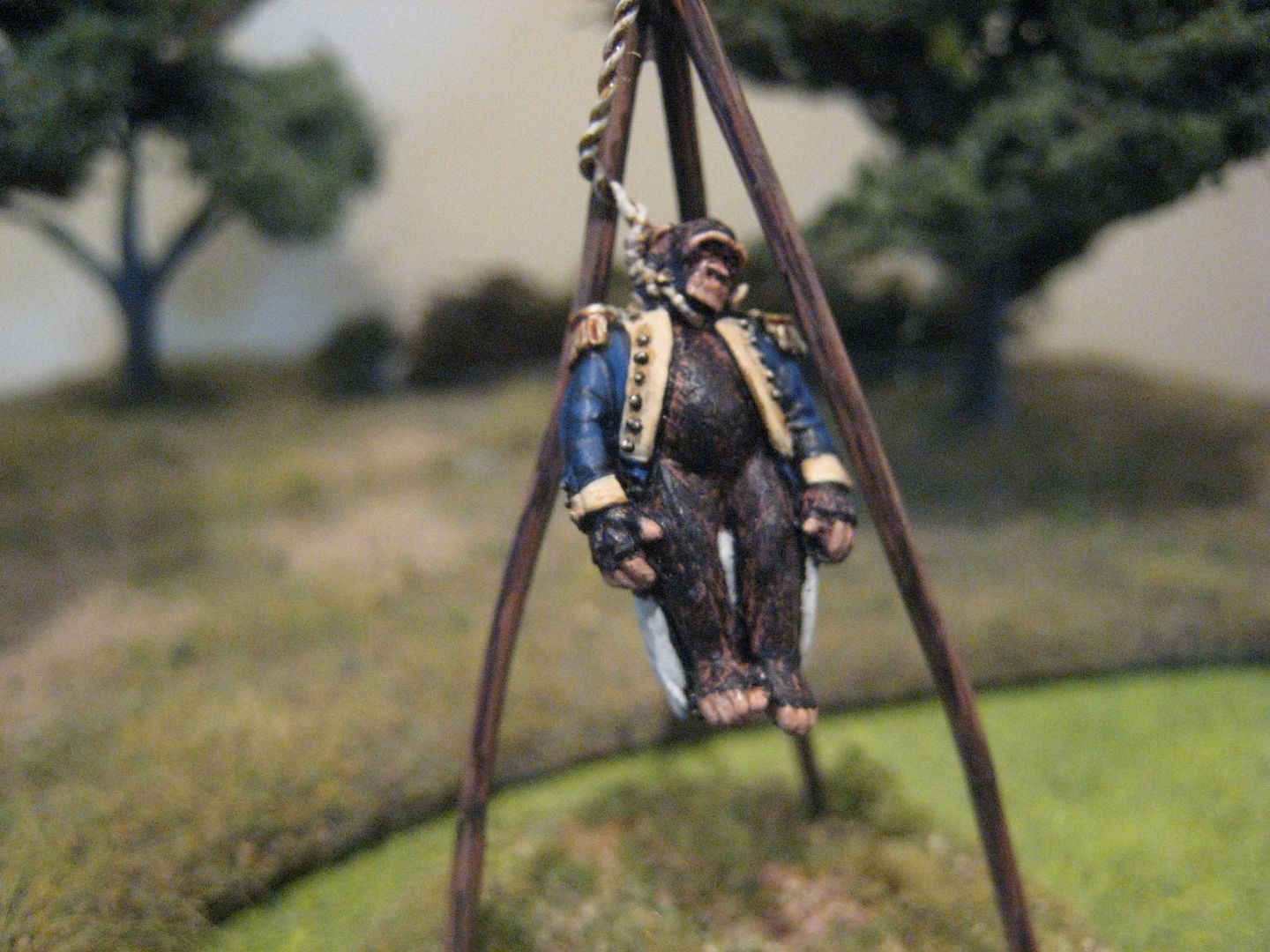
The second Treaty of Paris was a disaster for those loyalists who had sought sanctuary within the British Empire but now found themselves on Spanish territory.  In time, most were transported to other areas, principally England, Canada and the Caribbean, but it's not difficult to imagine their consternation in the meantime.  And that is the background to how a bunch of loyalists in St Augustine vented their frustration at events by dressing up a monkey as George Washington and stringing it up from an improvised gallows just outside the town.  This bizarre incident is referred to in a letter from General Patrick Tonyn, who was the last British governor of East Florida and had commissioned Brown to raise his Rangers, to the Home Office in London.

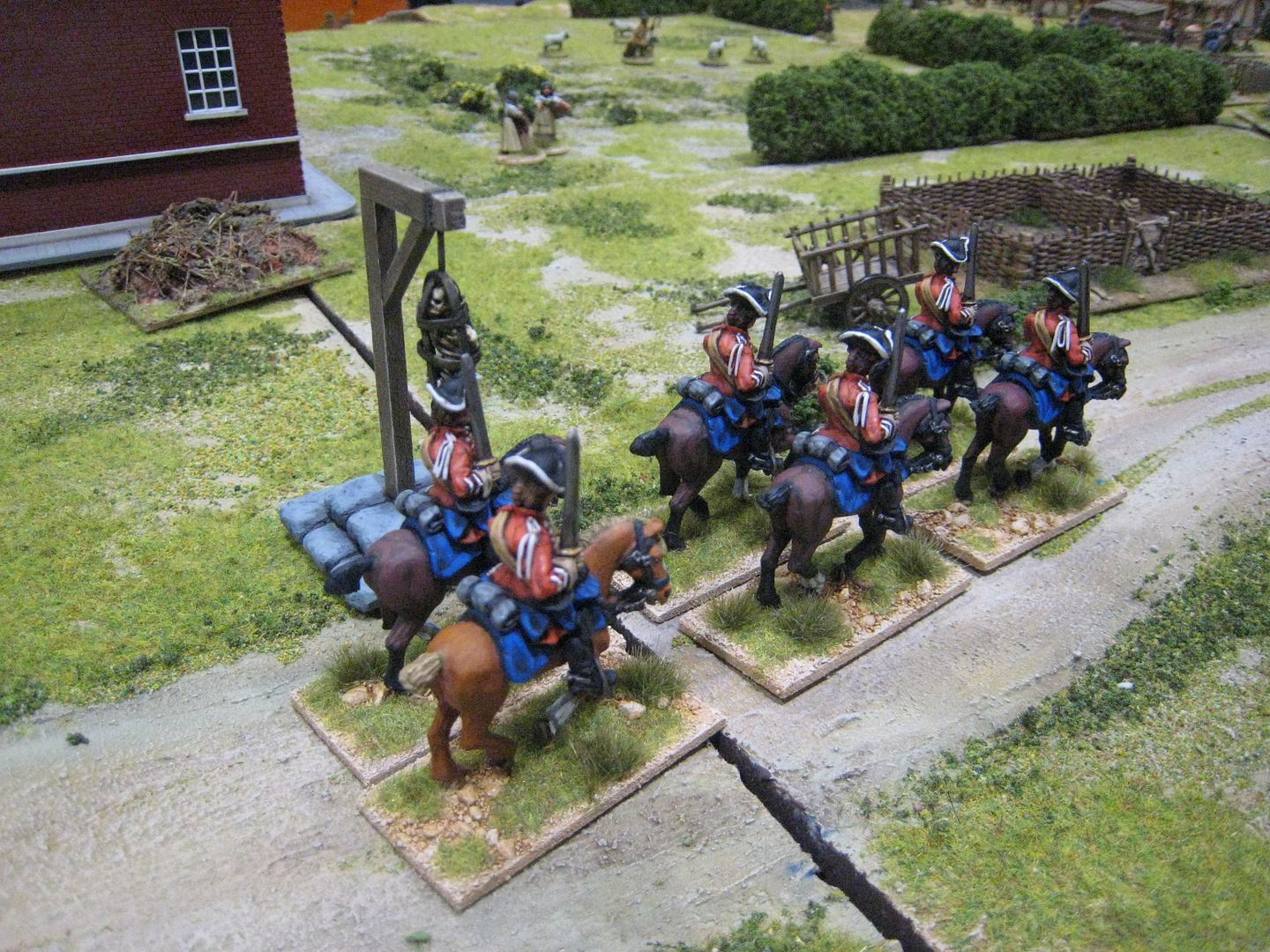
The set here is from Eureka Miniatures.  Tonyn simply referred to "a large ape dressed as if Mister Washington" (clearly even at the end of the war some British generals continued to refuse to acknowledge George Washington as being of similar rank).  Monkeys are not indigenous to north America but they had arrived in the Caribbean at least by the early 18th century, and probably earlier, by hitching rides in slaver ships from West Africa.  Presumably the unfortunate monkey appropriated by St Augustine's irate loyalists in 1783 was similarly from a slaver ship (the initial Spanish rulers of Florida had been reasonably liberal in their attitude towards slavery, but the number of slaves soared once the British took control after 1763).  I did try to find out what particular species of monkeys may have been around the east coast of America in the 1780s, but Eureka's figure lends itself well to the common chimpanzee and so that's how I painted it.  I had planned to paint it black and then dry-brush it grey to highlight the fur; but looking at some photos I realised that you can see the pink skin quite clearly underneath the monkey's fur, and of course the hands, feet and face are pink-ish as well.  So I painted the whole body using Foundry "South American Flesh 119B", then carefully dry-brushed it with black paint to suggest the fur, and finally highlighted the relevant areas with "South American Flesh 119C".  Who knows whether the ape was supposed to represent Washington himself or the Continental army and America's new masters in general.  I thought it probably unlikely that the residents of St Augustine would have access to a proper Continental general's uniform, so I painted an approximation with the deliberate mistake of having the lining and turn-backs white instead of buff.    

This was a fun little set to do, if a tad gruesome.  I can see its use in games as a bit of decoration at the edge of the table (like my duellists, who always make an appearance somewhere on the table).  Incidentally, my original George Washington command stand is here.  Painted over 10 years ago, it's not my best work, to be honest, and the great man deserves better.  I have at least 3 other George Washingtons is my leadpile (the Perry freebie, the Wargames Illustrated subscription freebie and Eureka's "young George Washington" in his F&IW uniform.  On my list of things to do at some stage is re-visit all my command figures (for both sides) and do some more personalities.  I've made a start on the British side; I've compiled a list of all the brigade, division and army commanders required in the "British Grenadier!" scenarios and have begun to allocate figures to personalities.  I hadn't realised, until I'd finished this list, that so many of the "commanders" in the scenarios are lieutenant-colonels and majors as opposed to brigadiers and major-generals; the traditional general in a red-faced-dark blue coat figure doesn't work for those offices.

Painted March 2016.

Wednesday, 30 March 2016

Civilians (13)

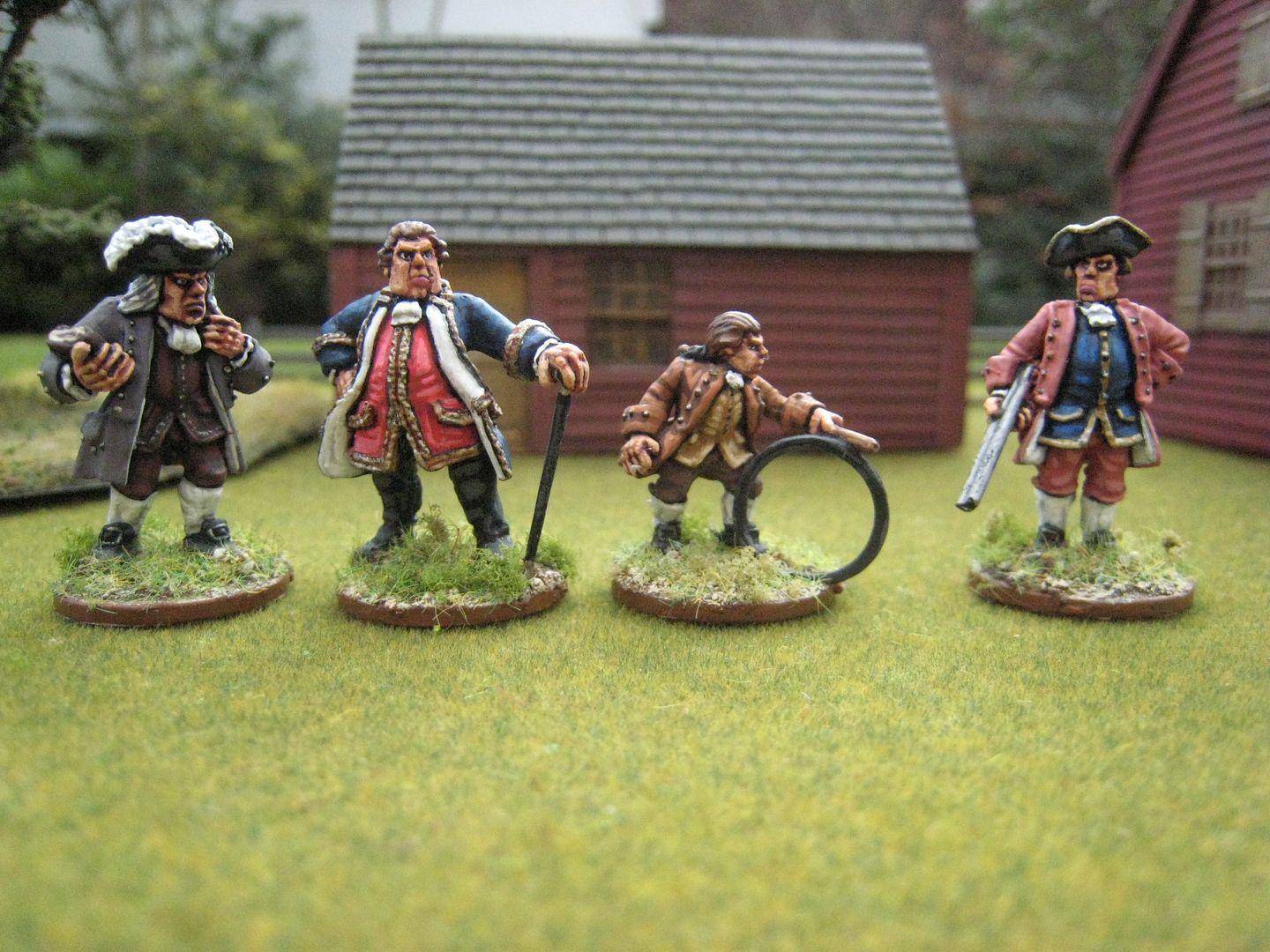
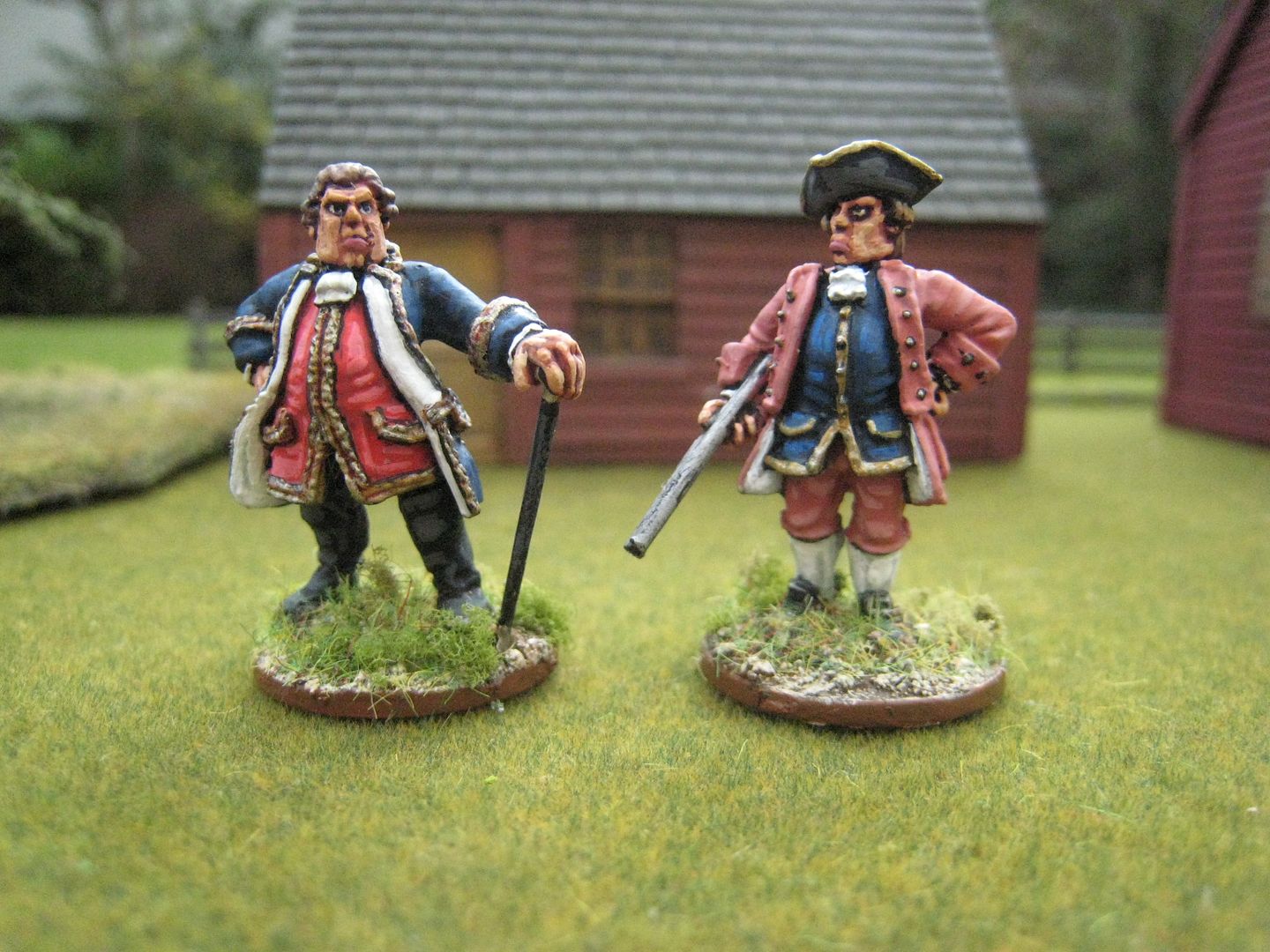
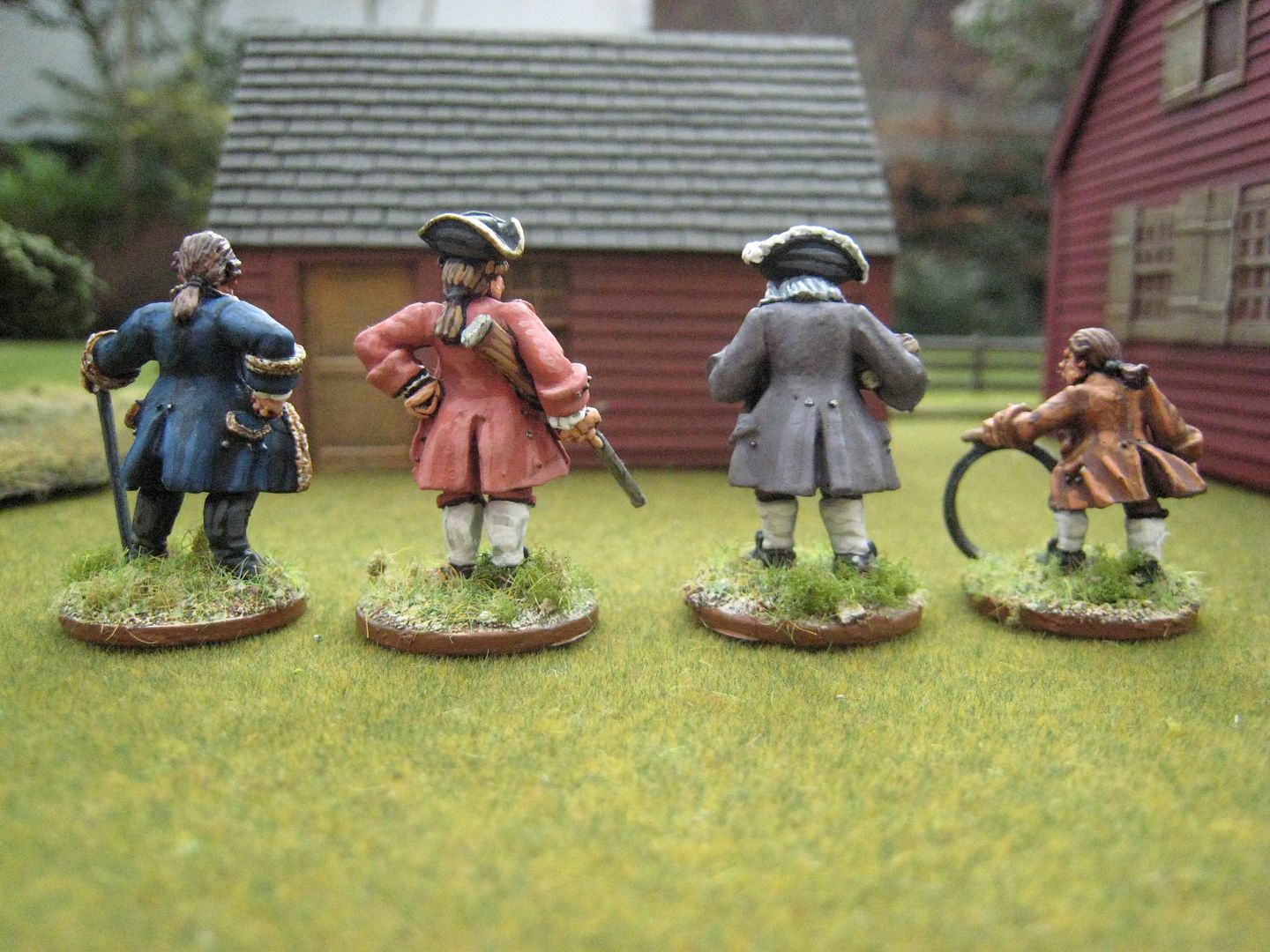
A few weeks ago I found a pack of Foundry 18th century civilians in my AWI leadpile box (actually a large Pampers nappy/diaper box) and thought I'd paint them up.  I must have had this pack for years, because I recall buying a few of these civilian packs at Salute when they were brand new releases - that was some time ago.  These figures are from pack CIV3, which contains 2 very smart ladies, a finely-dressed "gent" with a cane, a "notary" (as per Foundry's description), a chap who looks like a "gamekeeper" or bodyguard, and a kid with a wooden hoop.  I've only painted the males at this stage, and here the are.  The figures, sculpted by Rob Baker, are quite large and chunky and characteristicly square-jawed.  The "gamekeeper" would make a good militia officer, while the "gent" is wearing clothing that would closely resemble an admiral's uniform were it not for the large boots that he's wearing.  Nonetheless, the outfit does look rather military and I these two chaps would go well together on a militia command stand.

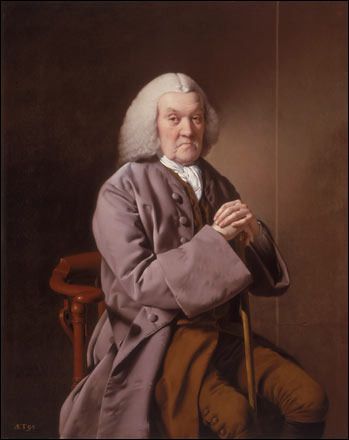
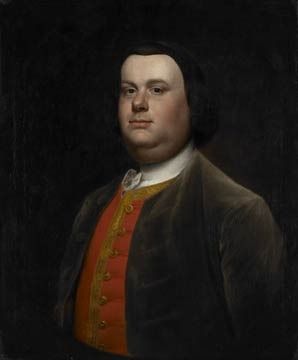
As I've mentioned in previous posts (see here, for example), when I paint civilians for the AWI I like to draw inspiration from contemporary artwork.  I choose one of my various exhibition catalogues of later 18th century artists and pick out suitable "models".  This approach only really works when painting up "aristocrats" and civilians in top-draw outfits like these figures, as surviving portraits are invariably of the well-to-do types who could afford to commission the leading artists of the day.  Buut contemporary paintings do give you an idea of the fashions of the day.  So I thought I'd put up pictures of the various paintings I followed for these figures.  These were painted, with one exception as detailed below, by the English artist Joseph Wright, usually styled "Joseph Wright of Derby", who lived between 1734 and 1797.  Wright went to Liverpool in 1768 and spent 3 years there mainly painting portraits of the local gentry and (usually slave-owning) merchants.  His subjects included a certain John Tarleton, businessman and major of Liverpool in 1764, and his wife Jane; their second son joined the 1st Dragoon Guards in 1775....The book I used is the catalogue of an exhibition of the work Wright produced during his time in Liverpool.

The "gamekeeper", with his madder red coat and breeches and royal blue waistcoat is modelled on Wright's portrait of  Fleetwood Hesketh, dating from 1769.  The Hesketh family were Lancashire landowners with business interests in Liverpool.  Hesketh is shown here in his hunting outfit (complete with powder horn and gun).
     
Fleetwood Hesketh

The "notary" is based on a 1766 portrait of Richard Gildart (1671-1770), a businessman specialising in shipping, tobacco and rock salt. He was mayor of Liverpool three times and then served as Member of Parliament for the city from 1734 to 1754.  Gildart became one of the leading Liverpool slave traders, sending ships to West Africa to barter tobacco for slaves that were then shipped to the West Indies.  I used the Foundry "Quagmire 63" palette for the coat.  The catalogue states that at the time of painting the coat has "a slightly outmoded, deep-cuffed style", which isn't really out of place for a man who was 95 at the time of sitting.

Richard Gildart

Nothing of Wright's own work jumped out at me for the "gent", but one of the introductory essays in the catalogue featured a 1755 portrait by George Stubbs of James Stanley.  Stubbs is nowadays revered as a painter of horses, particularly racehorses.  Nothing is known about James Stanley other than that he was a cousin of the 11th Earl of Derby, was 33 at the time of this painting, and was probably a fried of Stubbs' during the latter's childhood in Liverpool.  I saw this picture and thought a dark blue coat, red waistcoat, and white lining would be suitable for the "gent".   This painting is actually the earliest surviving painting by Stubbs (he was 31 at the time).  He may have sensed that portraiture wasn't his forte.

James Stanley
 
No "model" was used for the little boy.  Hoop rolling has been a children's game since the earliest times - the ancient Greeks even turned it into an adult sport.  By the 1840s it was a real problem in the streets of London and newspapers led calls for the activity to be banned.  At this time many hoops were made of iron and so often caused injury to pedestrians.  Maybe I should have painted the "gent" as an admiral - not quite sure how I would have used him, though.  The "gamekeeper", on the other hand, may well see militia service at some stage.  

Four figures.  Painted December 2015.


Saturday, 26 March 2016

Dabney's Virginia State Legion

This unit appears to have been formed by Charles Dabney in 1777 or 1778.  Dabney was from a prominent Virginian family and joined the patriot cause as soon as war broke out in 1775.  He quickly rose through the ranks and by the end of 1776 was a major in the 3rd Virginia Continental Regiment.  In 1778 he become lieutenant colonel of the 2nd Virginia and was present with that regiment at the battle of Monmouth.  Later that year he appears to have transferred from the Continental Army to command of the 2nd Virginian State Regiment, although Dabney's unit served with the Continental army and Dabney fought at Stony Point in July 1779.  From 1781 Dabney's regiment was part of Lafayette's force in Virginia and it saw out the siege of Yorktown.   It seems that in early 1782 most, if not all, of Virginia's state troops were merged into Dabney's regiment, which was renamed Dabney's Second State Legion.  The unit consisted of infantry, cavalry and artillery and became known simply as "Dabney's Legion".  The Legion remained on duty in Virginia throughout 1782.  Dabney must have become rather bored as apparently he tried to persuade the government to let him take his Legion off to invade Bermuda. The Legion was disbanded in April 1783.

Dabney's Legion appears in only one published "British Grenadier!" scenario to date, the cavalry action at Gloucester in volume 3.  This is the skirmish on 3 October 1781 primarily between Tarleton's British Legion and Lauzun's Legion, otherwise known as the "Battle of the Hook".  This scenario requires a uniquely large number of cavalry figures: 36 from the British Legion, 16 Queen's Rangers, 4 Light Dragoons and 60 from Lauzun's Legion.  Not many AWI gamers are going to have access to those kind of resources by themselves, I suspect.  Dabney's Legion appears in the orbat as part of American reinforcements that arrive on Turn 10 (the unit is clearly cavalry, even though the battle took place in 1781 prior to the "merger").  So not only does this unit make it's sole appearance in one of the most unlikeliest of AWI games to be staged, but also it appears right at the end, if one even gets that far.  So Dabney's Legion ranks high, if not at the very top, of my list of units that are unlikely ever to appear on the tabletop.  Actually, I can use a couple of bases to bulk out militia cavalry units for other large-scale southern scenarios, but I'm sure you see my point.

Which is a shame as I really like the look of this unit.  I remembered seeing a painting by Don Troiani of an American cavalryman in a dark blue hunting shirt and a Tarleton helmet, and I knew I wanted to model a unit like that.  The Osprey MAA "General Washington's Army (2)" describes the uniform of Dabney's Legion as "green sailor's jacket and blue overalls", but the illustration in the book is clearly an infantryman.  Troiani's "Soldiers of the American Revolution" refers to the purchase by the Virginia government in 1782 of a consignment of "royal blue coats with blue facings" that were used for Dabney's Legion and the Illinois Regiment.  Even though that uniform may well have been worn after the Gloucester action took place, I decided to go with that and paint a unit that contained a mix of hunting shirts and coats.  I kept the hunting shirts in various shades of blue, so the uniforms as a whole would all blend in.  As with my other recent American and loyalist cavalry units, this one utilises the fantastic Eureka Miniatures "ragged Continentals" figures.   The flag is home made; a simple design to reflect the unit's Virginian identity.

10 figures.  Painted January-February 2016.


Wednesday, 23 March 2016

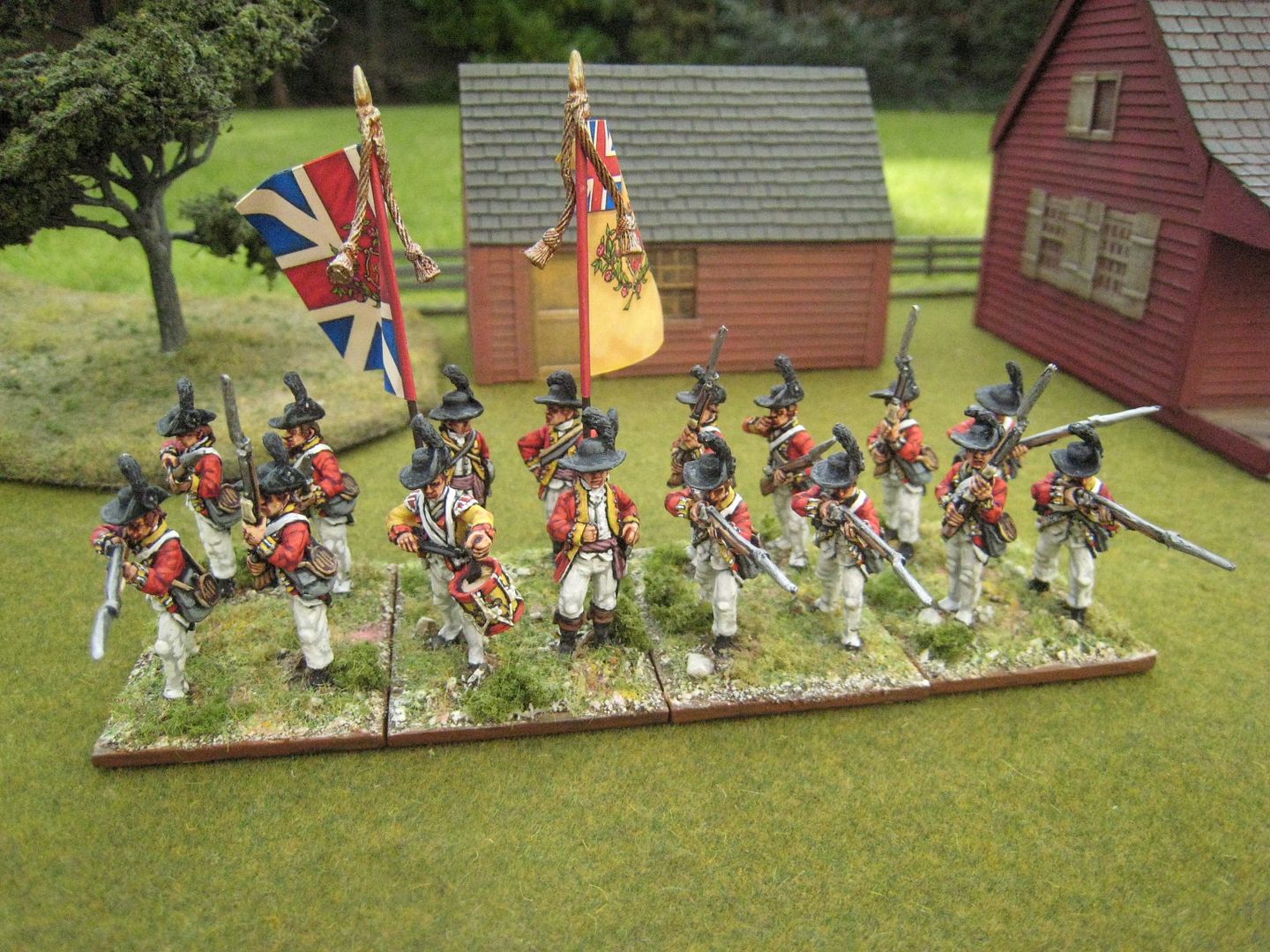
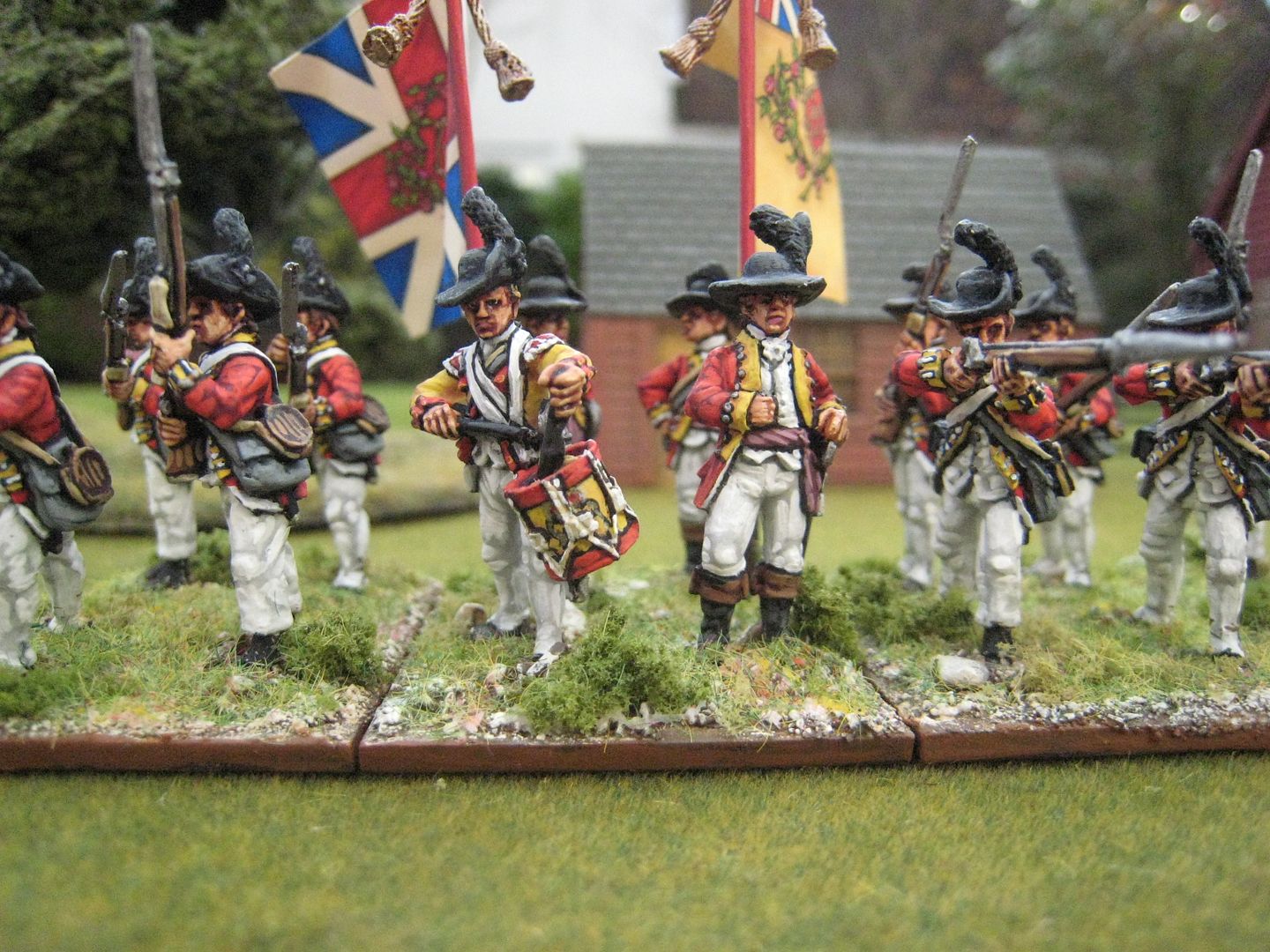
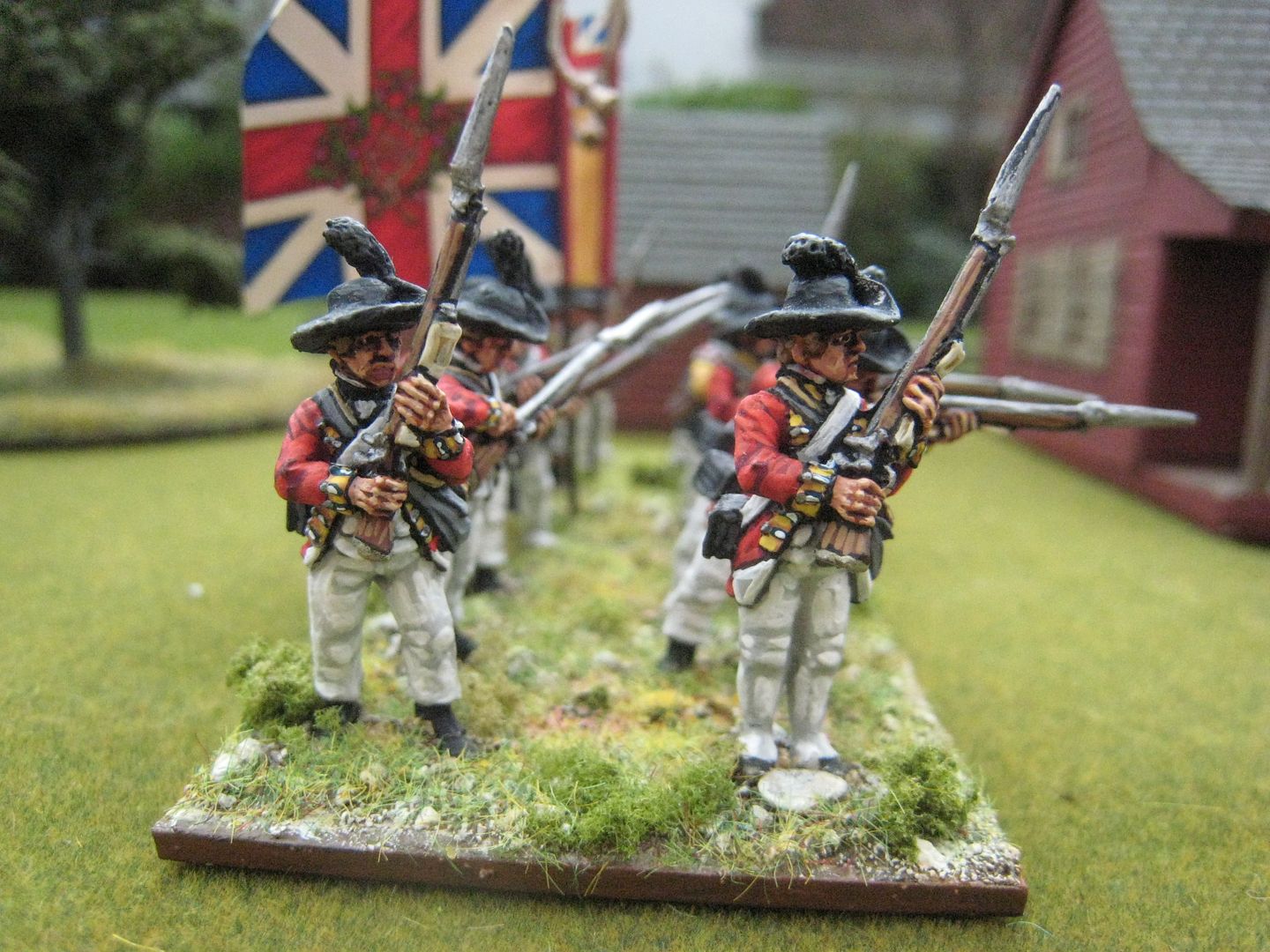
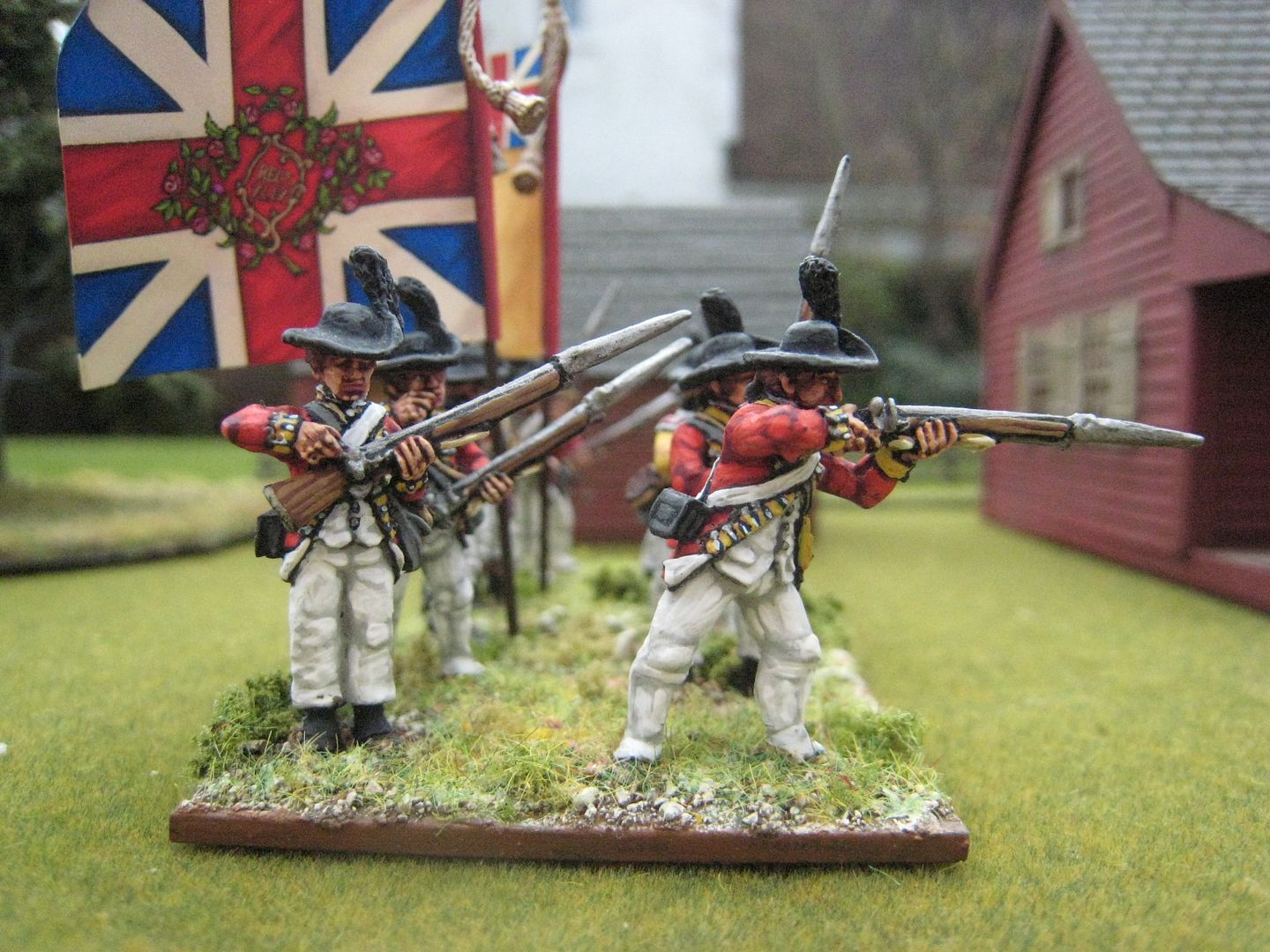
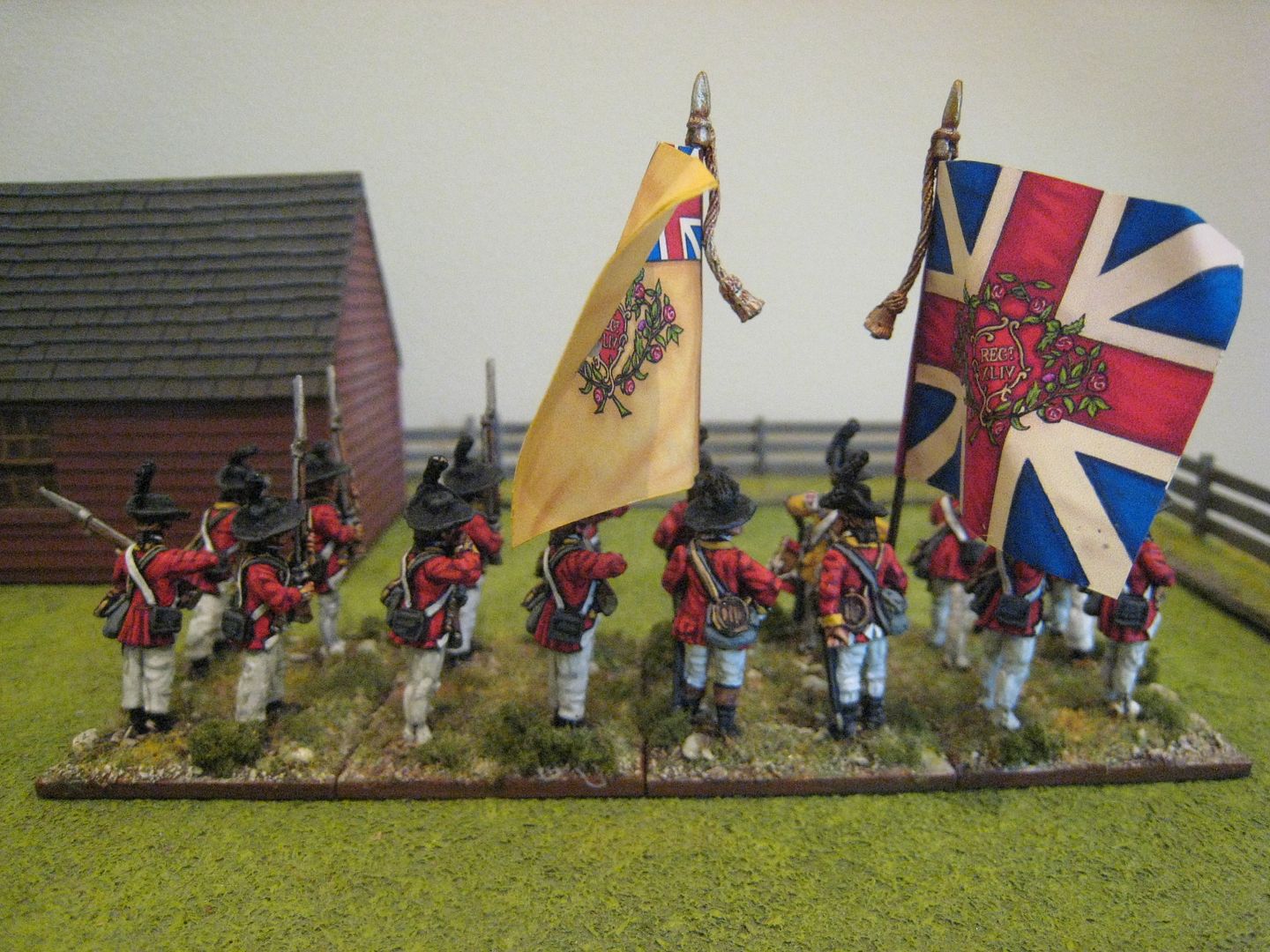
44th Foot

The 44th was raised in 1741 (as "Long's Regiment of Foot") and fought in the '45.  It then became 44th Foot and in 1782 was given the country name "East Essex".  I'm not entirely sure what constitutes "East Essex" these days, but as I now live in Essex this was a regiment I have wanted to paint for a while.  The 44th first visited America in 1755 and took heavy casualties during the Braddock Expedition and the battle on the Monongahela.  It saw further action in the F&IW and remained stationed in Canada until 1765.  After 10 years in Ireland the regiment returned to American in July 1775.  As part of Howe's army, the 44th participated in the major battles of 1776-78.  In 1779 it returned to Canada and finally went home to Britain in 1786.
The 44th was often in the thick of things.  The second battalion captured a French eagle at Salamanca and the first battalion fought in the War of 1812.  The regiment made the famous "last stand" at Gandamak at the close of the disastrous First Anglo-Afghan War and then fought in all the major actions of the Crimean War.  It amalgamated with the 56th (West Essex) Regiment in 1881 to become the Essex Regiment and now survives as C Company of the 1st battalion of the Royal Anglian Regiment. 

The 44th is quite a handy battalion to have for the AWI.  It appears in the Dorchester scenario as an 18-figure unit and then as 16 figures in Long Island, Brandywine, Germantown, Whitemarsh and Monmouth.  Like many battalions that fought in the AWI, it has yellow facings.
 
I was surprised to see that, apart from a couple of units of KMM highlanders, this is my first battalion of British line in almost five years.  This is also the first time I've painted the Perry cut-down coat firing line figures, which come in a mix of trousers and overalls.  I've been trying to paint up my unpainted AWI lead and this is one of two British battalions that were lurking in the pile.  I haven't started the second one yet; instead I'm currently painting more plastic British infantry as the 46th Foot.  I'm not quite at the stage when the only units of British line left to do are those which appear just once in the scenarios, but I'm not far off.  The 15th (five scenario appearances), the 37th (seven) and the 64th (five) will be next on the list.  Then there are the "one-offs", some of which are quite large, like the 80th Foot which appears in the Gloucester Point scenario as 32 figures.  I also need to "beef-up" some battalions that I painted a while ago and which have increased in strength as further "British Grenadier!" scenario books have been released (for example, back in 2009 I painted the 7th Foot as a 16-figure unit, but the Hudson Forts scenario now requires 20 figures, and the strengths for the Guilford Courthouse scenario have changed significantly since I painted up the relevant units).  Of course I could just stop painting AWI and do something else instead...

I've been rather remiss with posting at last, but I'll catch up over Easter with more civilians, some British casualties, Dabney's Virginian Legion and one or two other things.  On the painting desk at the moment are Pulaski's Legion cavalry and the 46th Foot.  

16 figures.  Painted November-December 2015.  Flags by GMB. 


Sunday, 13 March 2016

Eureka Miniatures AWI Cavalry

I've been snowed under at work recently - hence the lack of posts in almost a month.  But today the sun was shining, the boys were pretending to be Jedi Knights out in the garden, and I thought I'd get the troops and camera out.  I've been meaning to set out the cavalry units I've put together using the Eureka Miniatures "Continental" cavalry range for a while, and I was prompted to do so today for two reasons: (1) I've just finished basing Dabney's Virginia Legion, and (2) Eureka are coming to Salute and the last day for show pre-orders is Wednesday.


You don't need much cavalry for the AWI.  One of the features of the period is that there are a lot of units which appear in the scenarios, but (by and large) do so only once or twice.  This is particularly true of American and Loyalist cavalry.  On the Patriot side, the 3rd Continental Dragoons top the list with 6 appearances (with a top strength of 8 figures), while Lee's Legion appear in 5 scenarios (with a top strength of 10).  Other units have fleeting appearances, and a "southern militia" unit of 8 figures will get you through most other scenarios.  But the Eureka range, with its separate hat system and its mix of figures of uniform coats and hunting shirts, can be used to model all those small units of state and militia cavalry that appear in the scenarios.  This is what I've been trying to do over the past couple of years, and have painted up some figures as Loyalists as well.  So here's a chance to see them all out in the open - the individual unit entries are on the Eureka label.   I bought all these figures in two batches, the first in Australia back in 2011, the second at Salute a couple of years later.   I always felt guilty that having raved about these figures when first released, I then didn't really paint them as quickly as I might have done (I had over 50 of them, which seemed quite daunting).  But now they are all finished and I need to buy some more to finish off Pulaski's Legion and more southern militia.  I love these figures and can't recommend them too highly.

Armand's Legion

2nd Continental Dragoons, with Dabney's Virginians behind them

South Carolina militia/dragoons

More South Carolina state/militia troops

Some of the Loyalists - the East Florida Rangers

A trio of hand-made flags.  Dabney's Virginians, on the left, will be in a future post.

They mix fine with Perry/Foundry figures

Coming next - Pulaski's Legion


Monday, 1 February 2016

Captain Kennedy Clark and Corporal Francis Stiles

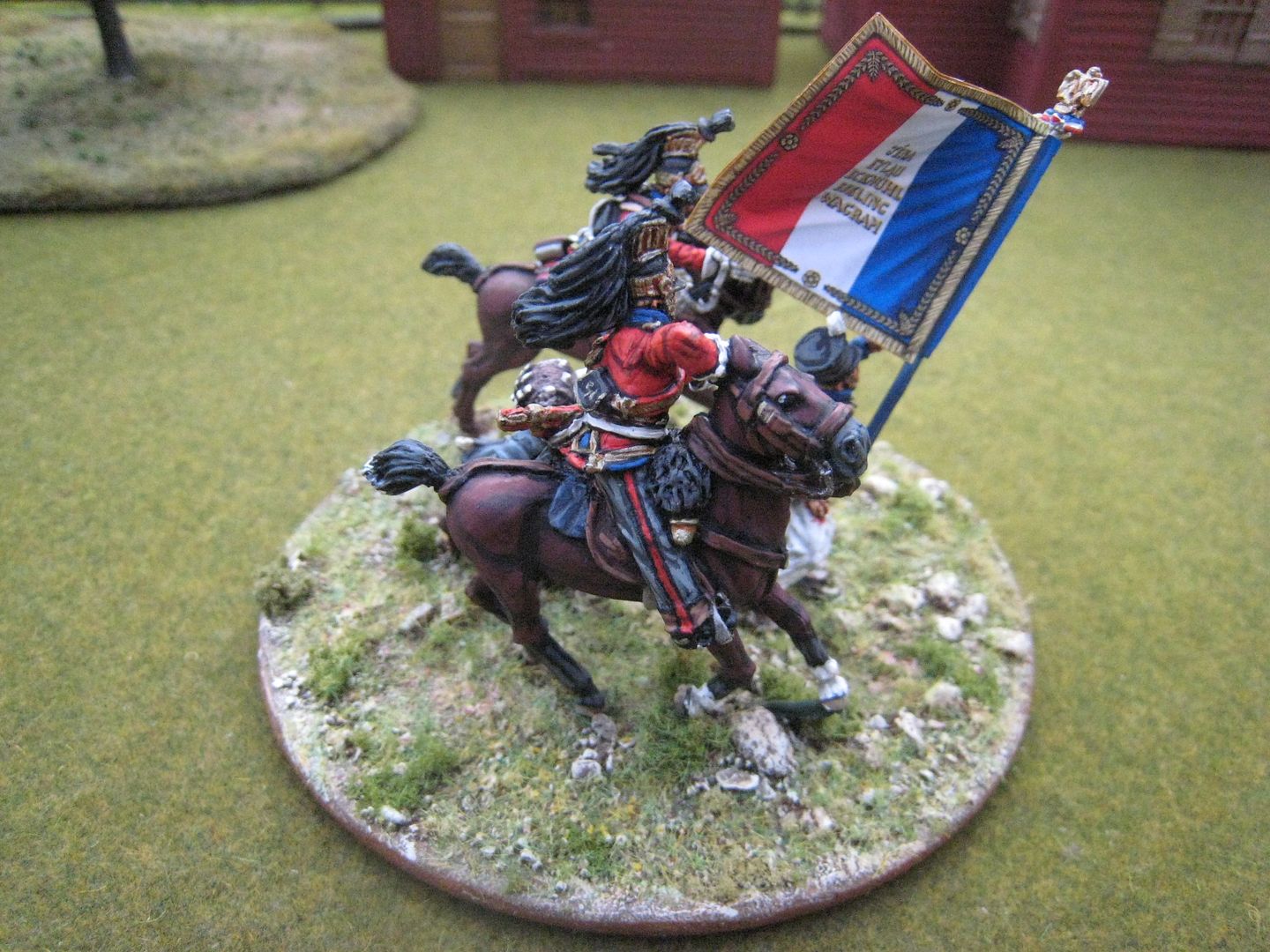
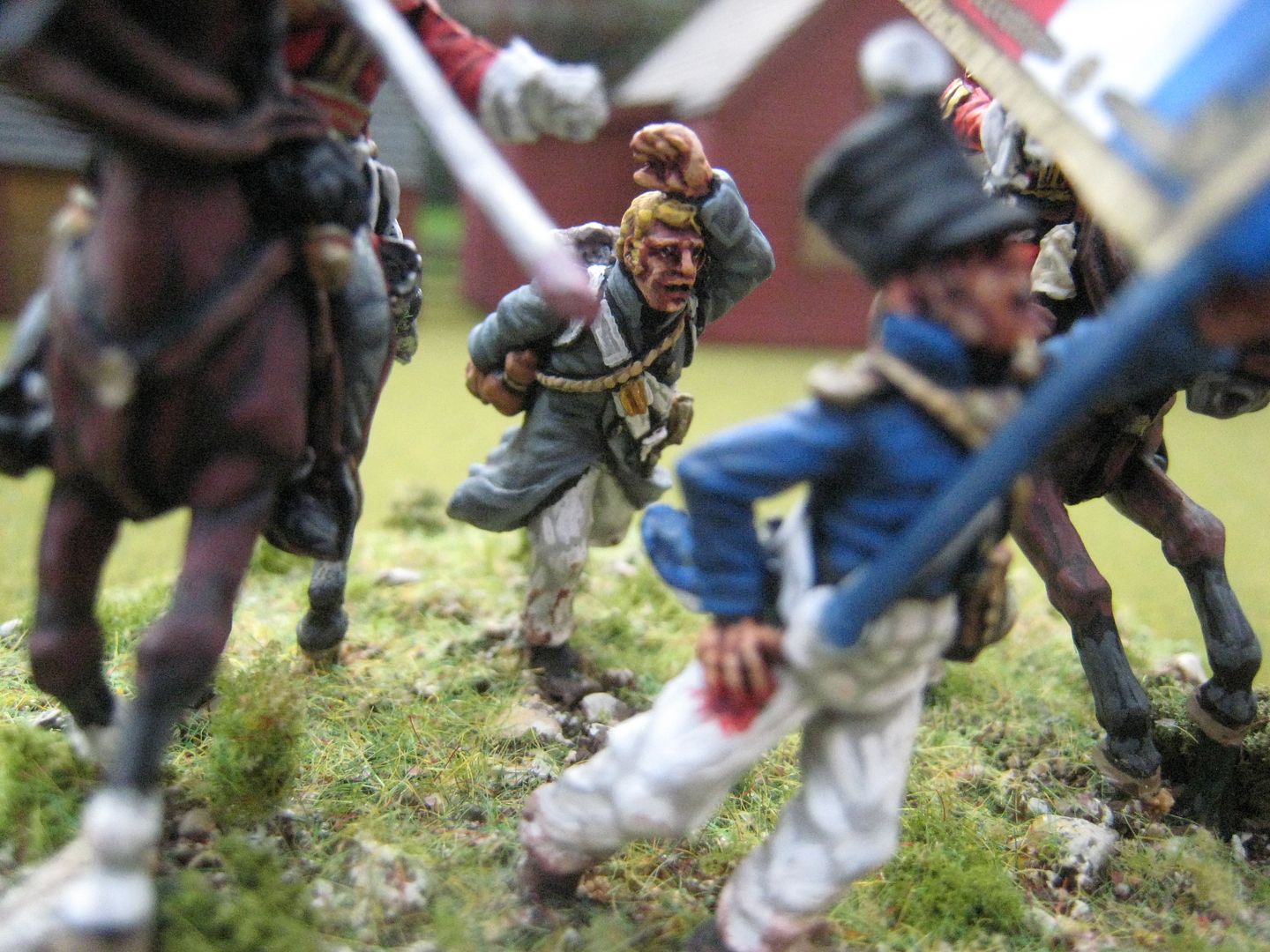
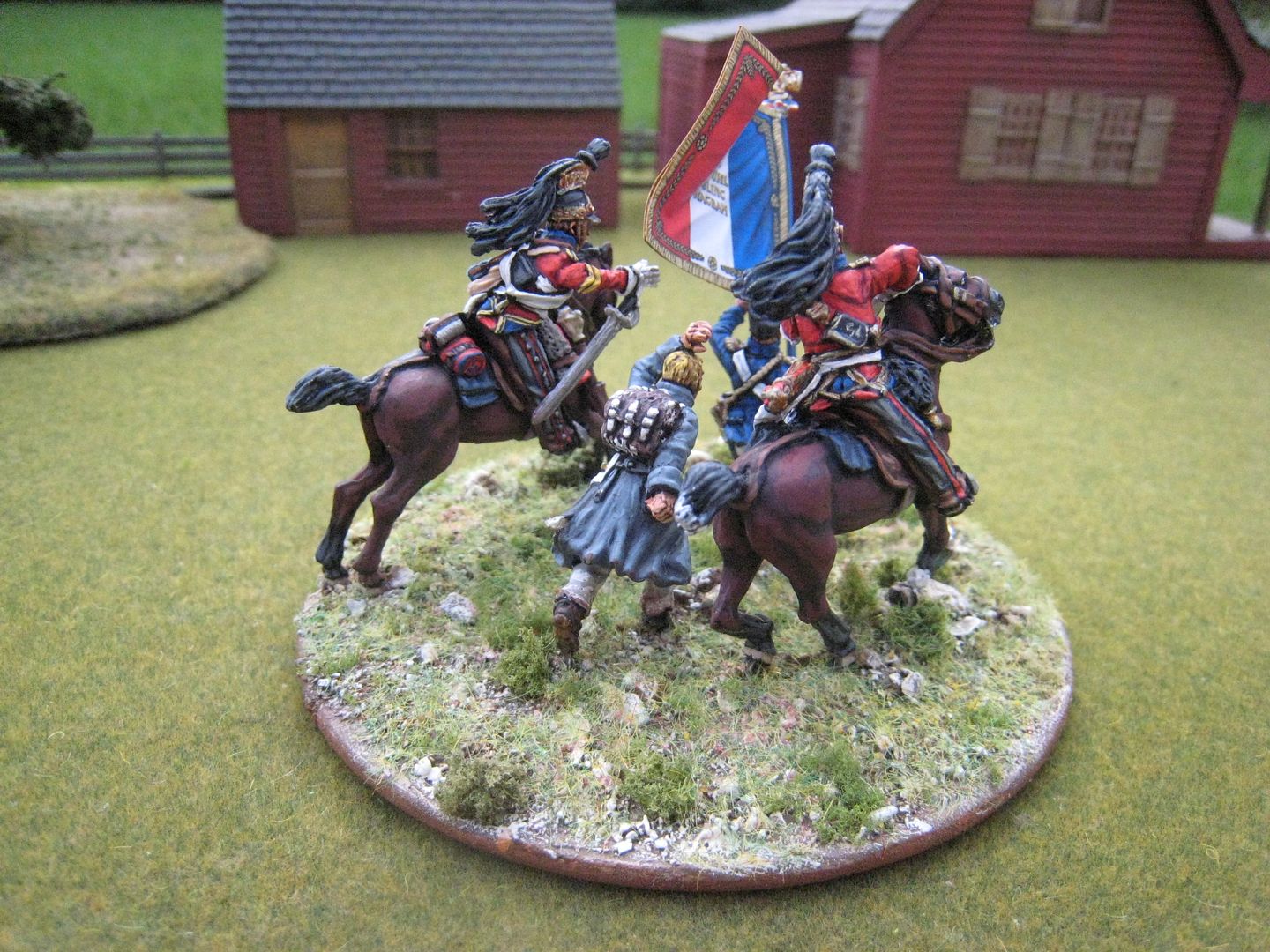
This is the second Perry Miniatures 1815 vignette, the capture of the eagle of the 105st Line infantry regiment by Captain Alexander Kennedy Clark and/or Corporal Francis Stiles (or "Styles"), both of the 1st (Royal) Regiment of Dragoons (the "Royals").  Precisely what happened is disputed, and there is a good account of the controversy in Adkin's "Waterloo Companion".  The 105th formed part of the 2nd Brigade, 1st Division of d'Erlon's I Corps, which was involved in the big early afternoon attack on Wellington's centre.  When the attack faltered, the brigade was charged by the Royals and 6th (Inniskilling) Dragoons (part of the general charge of the Union Brigade, which saw the 45th Line's eagle captured by Sergeant Ewart).  Captain Clark initially took credit for the eagle's capture, saying that he saw a party carrying the eagle, attacked it and struck down the French officer who was carrying the flag.  But he couldn't quite reach the flag as it fell, his fingers only touching the fringe, and so he shouted at the nearby Corporal Stiles to pick it up and take it to the rear.  However, Stiles' version of events was different - he said that he was ordered to attack the colour party by his troop commander.

Clark was wounded at Waterloo and while he was recovering he became concerned that his capture of the eagle would not be recognised.  He wasn't aware that the regiment's colonel had already written to his superiors recommending Clark (and two other officers) for promotion.  Clark wrote to another colonel for help in having his achievement recognised and a regimental investigation began into what happened.  Statements were taken from soldiers who were in the vicinity at the time.  Private Anderson said that he saw Clark wound the French officer and the flag then fell across the heads of his and Clark's horses and towards Corporal Stiles.  Clark shouted out "secure the colour!" and Stiles managed to grab it before it fell on the ground.  Private Wilson corroborated this account, also saying that after Clark stabbed the officer the colour fell against the neck of Stiles' horse and Stiles carried it off to the rear.  Stiles asked his troop commander, Lieutenant Gunning, to provide his testimony of the incident.  Gunning stated that he spotted the colour party and ordered Stiles and others to attack.  Gunning further claimed (I think much later) to have been the person who wounded the officer holding the colour.  The result of the investigation appears to have been that Stiles received the immediate credit for the eagle's capture.  He was promoted to sergeant and eventually received a commission as ensign in the 6th West India Regiment.  Clark seems to have spent the rest of his life feeling aggrieved at what had happened, writing to the authorities (including Lord Uxbridge) some ten times to claim credit for the colour's capture.  Clark never received any formal recognition and the quick promotion he had sought to obtain on the back of the colour's capture eluded him.  He was promoted to major in 1825 and made lieutenant-general rank five years later.   In 1835 Clark was still claiming credit for the eagle's capture, in letters he wrote to William Siborne to assist the latter with his history of the Waterloo campaign.

Who's the chap with the flag?
 
Another mystery is the identity of the French officer who was carrying the colour.  The "porte-aigle" of the 105th was Jean Chantelat, who survived Waterloo but was wounded by a gunshot in the leg.  So at some stage some other officer must have taken charge of the eagle (one of the testimonies of the cavalrymen suggested that this was the 105th's commanding officer).  A further issue was raised in the 1830s, when Private Penfold of the Inniskilling Dragoons claimed that he capture an eagle which he then dropped and was picked up by a man from the Royals.   Who knows what really happened?  Maybe it's best remembered as a team effort - in 1838 the Royals were given the distinction of carrying the eagle on their guidons and I gather the Blues and Royals still wear an eagle badge on the left of their tunics.   

I think this is a terrific vignette.  It has more immediacy than the corresponding Ewart set, and you really sense the cavalrymen desperately reaching out trying to grab the colour before it hits the gound (if you'll pardon a Classical allusion, the set reminds me of that rather gory bit in Book II of the Aeneid when, during the sack of Troy, the Greek Pyrrhus is pursuing Priam's son, Polites, and eventually cuts him down right in front of Priam: "iam iamque manu tenet et premit hasta" - "now, even now, he holds him with his hand and presses him with his spear").  The drummer figure is a great touch - he suggests how terrifying it must have been to be ridden down by cavalry.  I found some conflicting sources on the dragoons' uniforms.  The stripe on Captain Clark's trousers is either yellow or red, depending on what source you use.  Apparently the Royals' horses were supposed to be blacks, but they had supply problems in 1814/15 and so I think it's legitimate to use bays.  I see that I forgot to add golden "N"s to the French officer's turnbacks, and I didn't bother trying to replicate the muddy/cornfield look of the Waterloo battlefield on the base - never mind!  

4 figures.  Painted November-December 2015.  Flag from GMB.