Tuesday, 2 August 2011

Regiment Gatinais


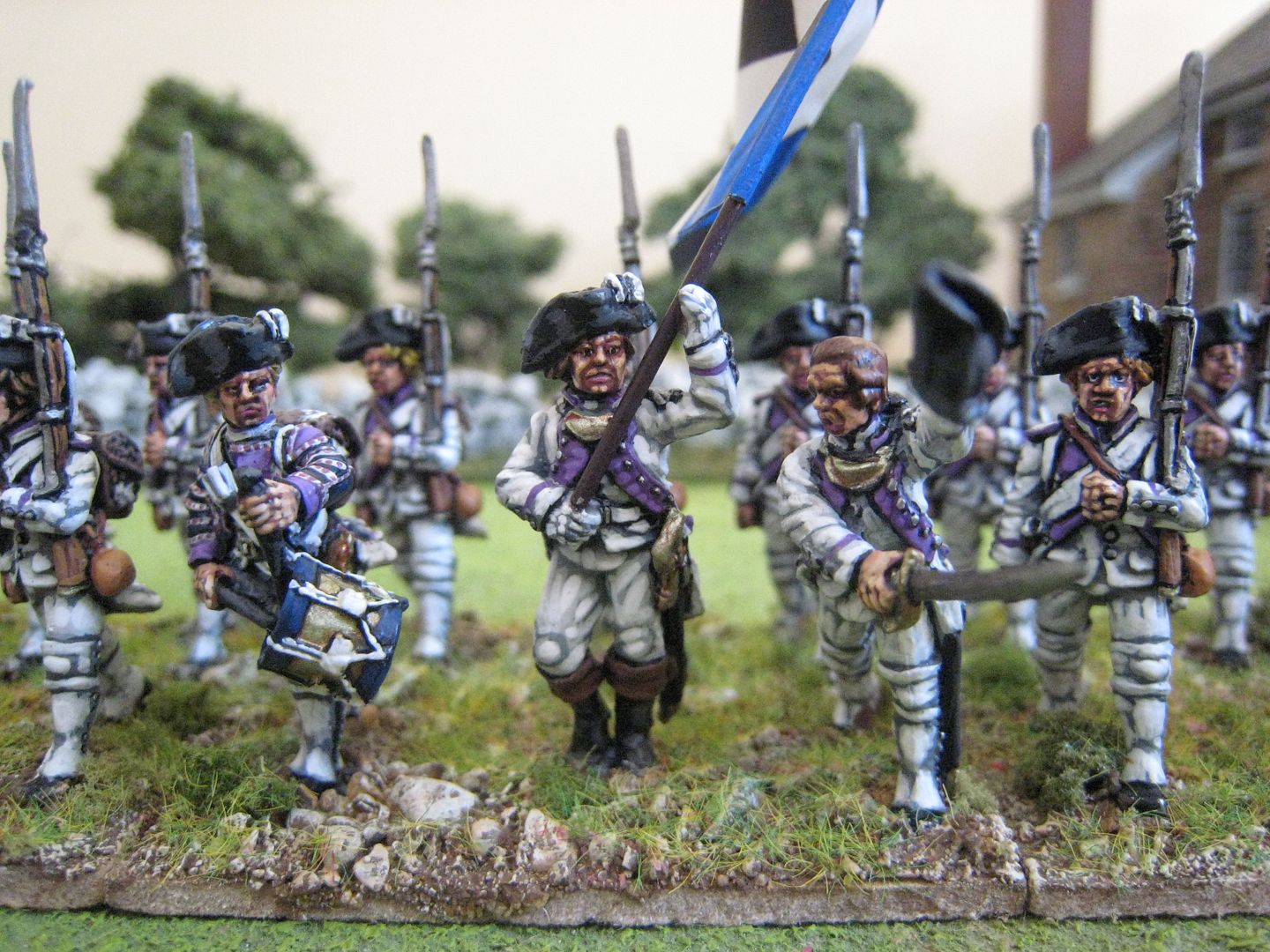
In addition to the Regiment Dillon, the Savannah scenario (in the second "British Grenadier!" scenario book) requires composite fusilier battalions of 16 and 18 figures respectively. This reflects the way in which elements from various regiments were formed together into ad hoc detachments. The notes to the Savannah scenario state that these detachments contained troops from the Cambresis, Champagne, Agenois, Gatinais and Auxerrois regiments. Therefore, when modelling these units you could paint up 1 or more stands from each of these regiments to recreate what happened in practice, or ignore that and field units of identically uniformed figures. I decided that for various reasons I wanted my collection to have several full regiments of French fusiliers, essentially to keep a large degree of flexibility in how I could field them. I intend to paint up 3-4 of the regiments mentioned above and then use various bases from those to form the composite untis required for Savannah (and other scenarios). I can then use the full regiments for "what if" games or larger scenarios.


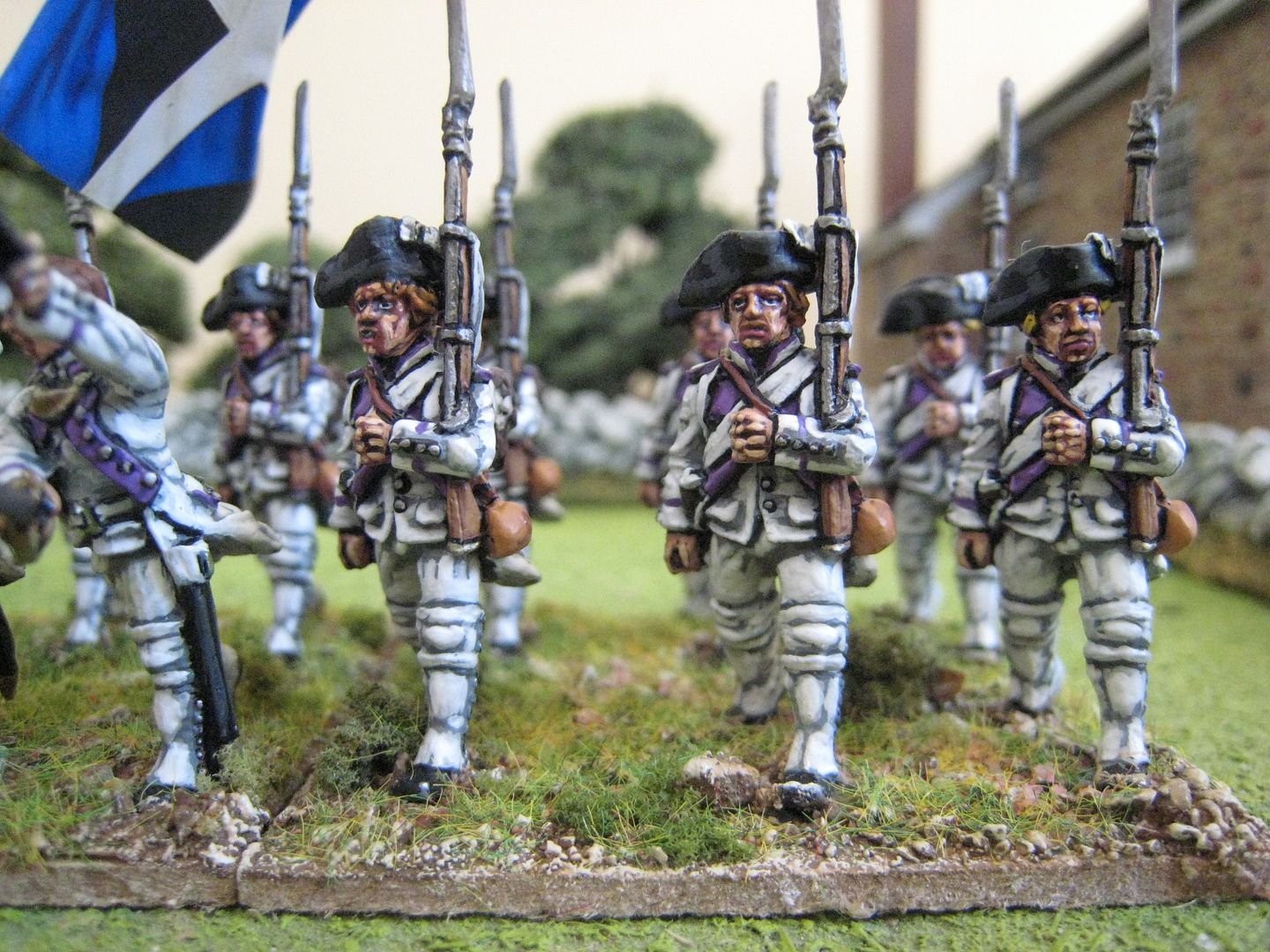
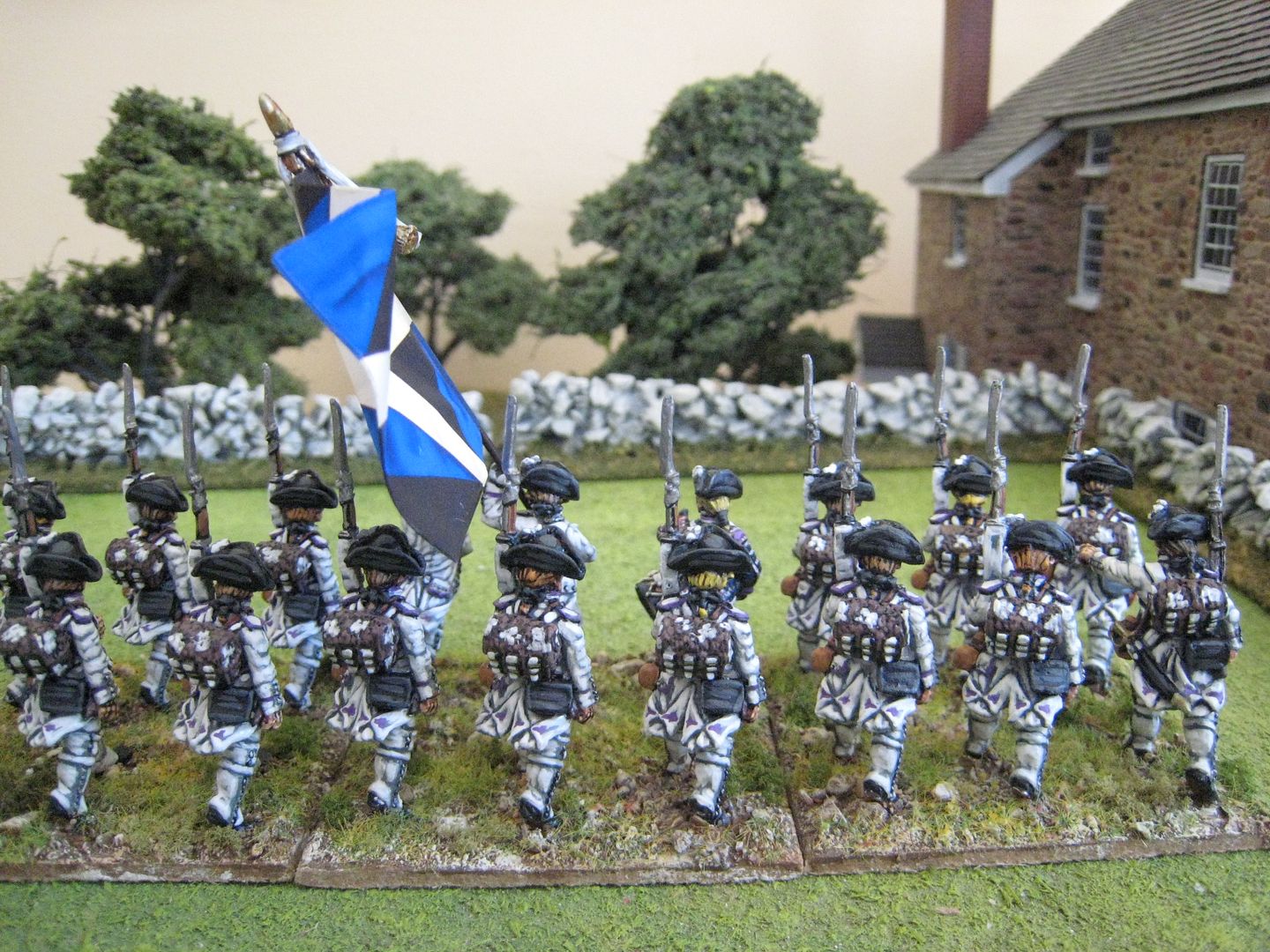
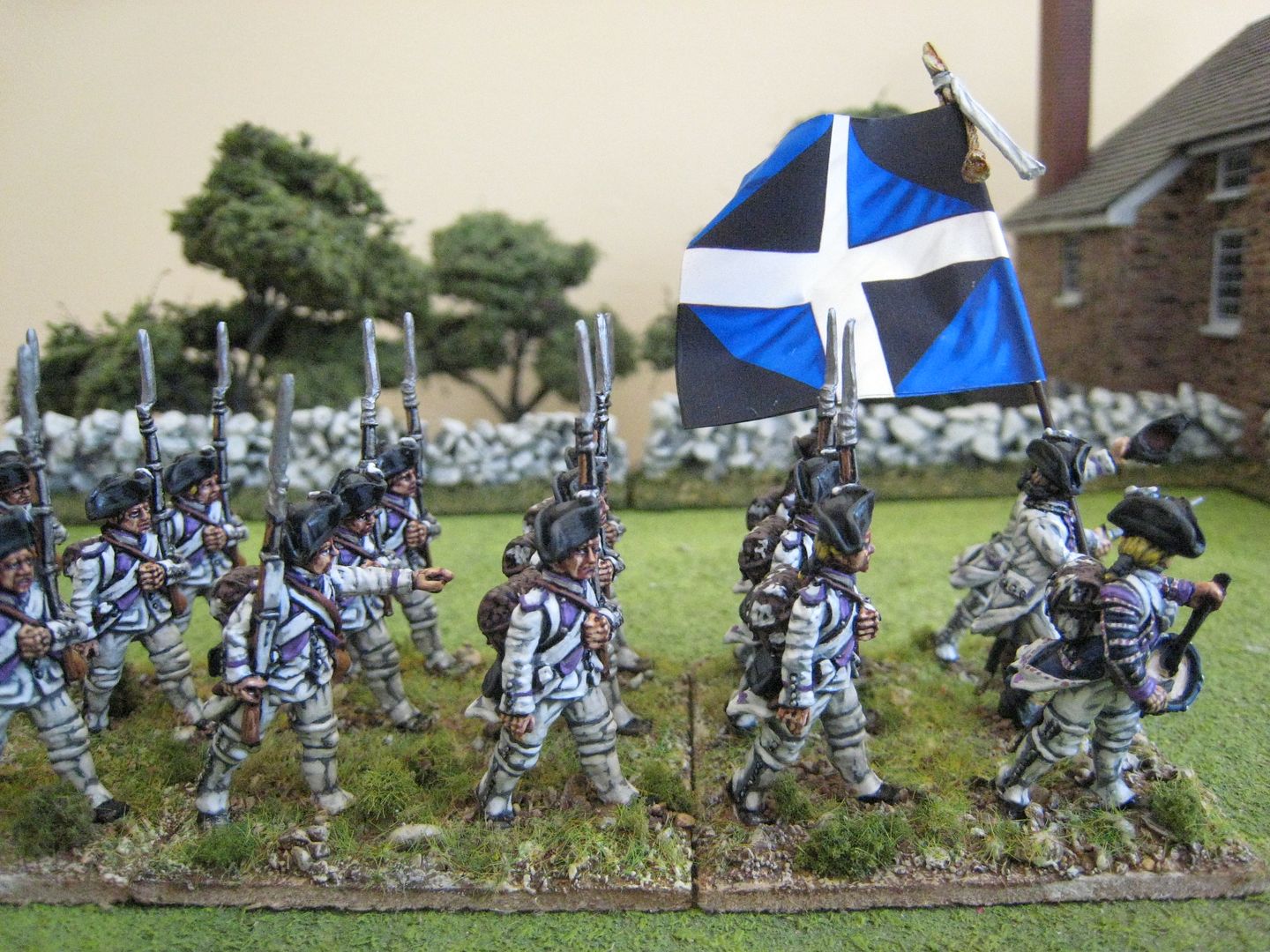
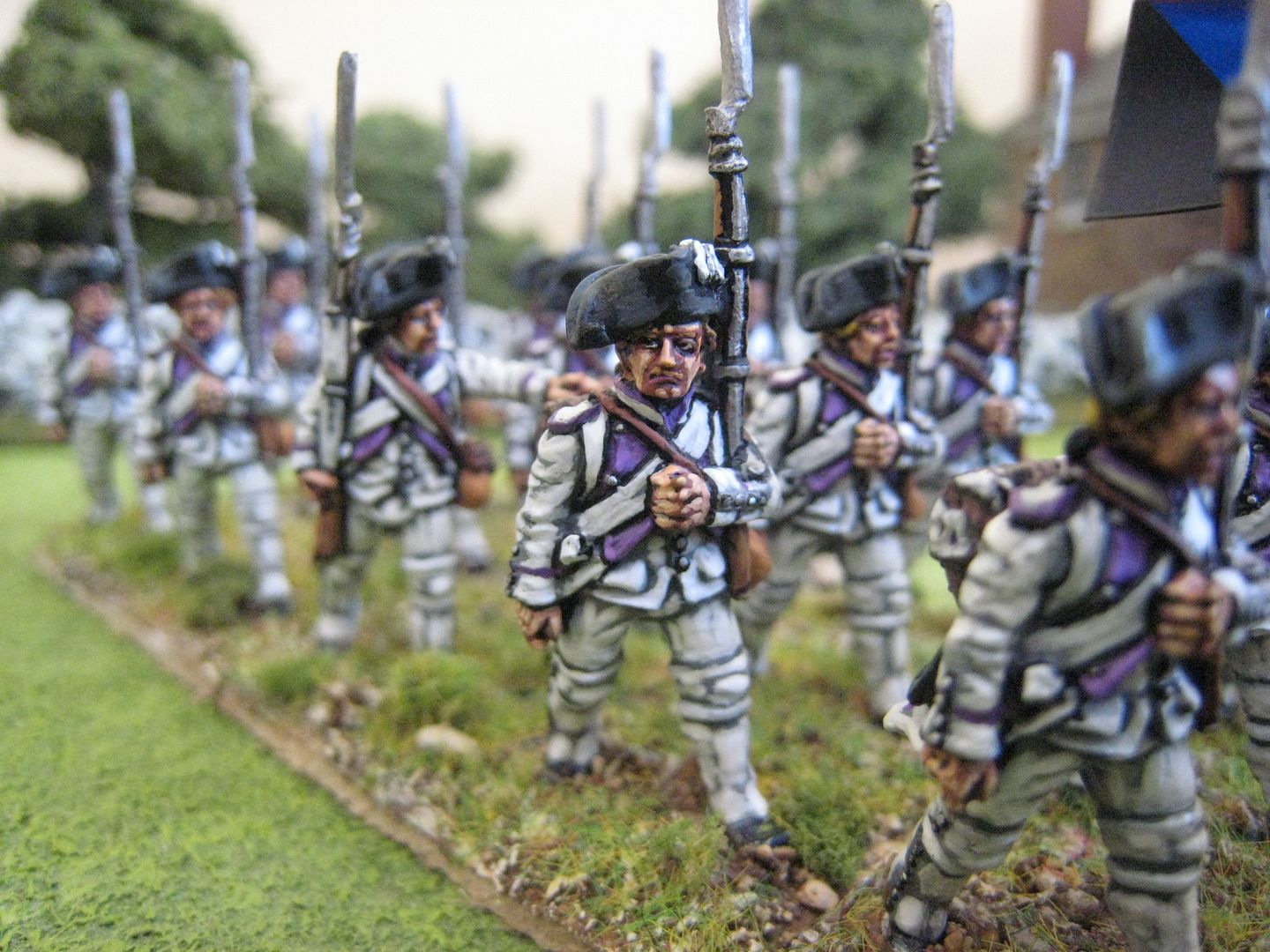
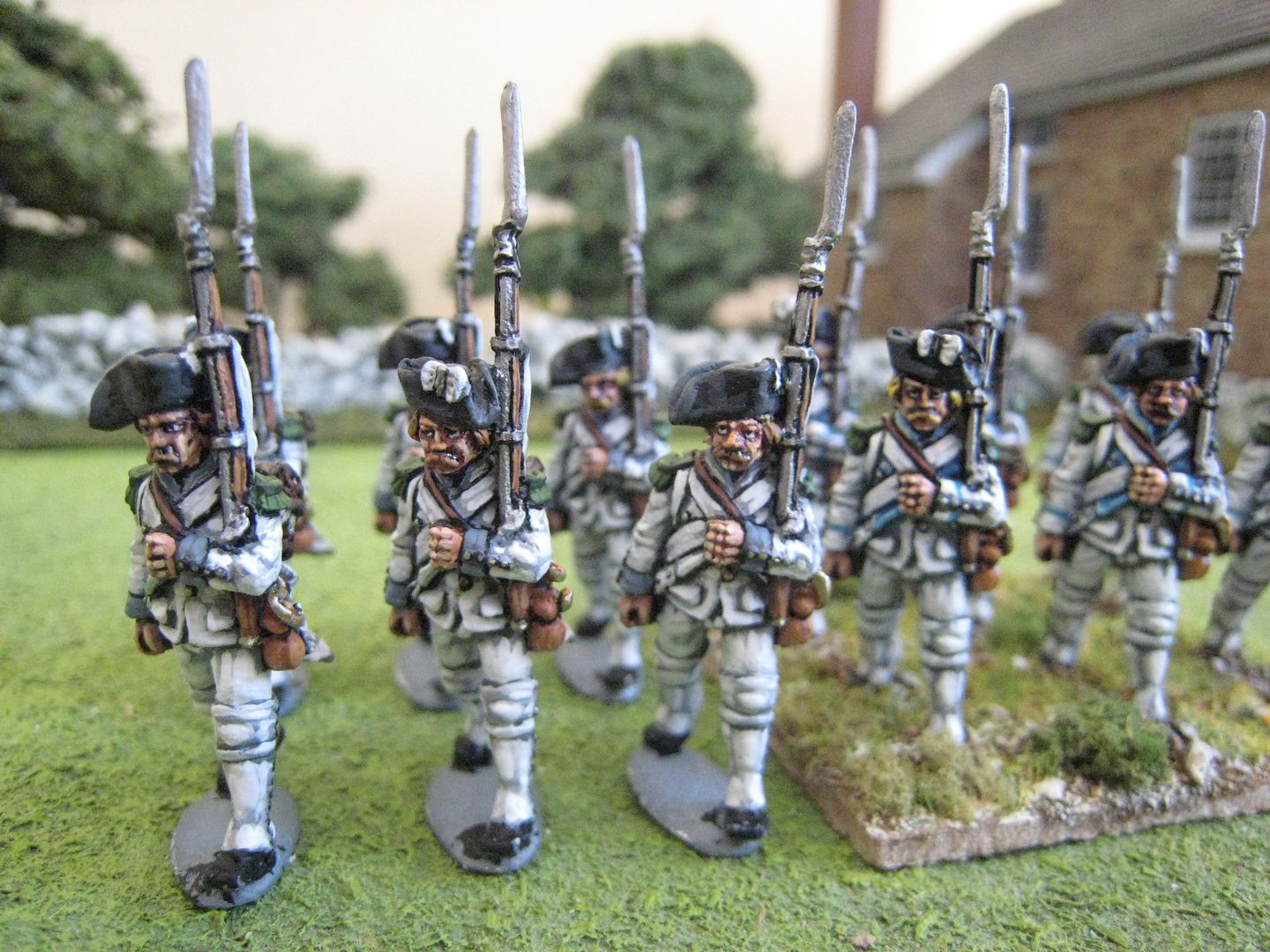
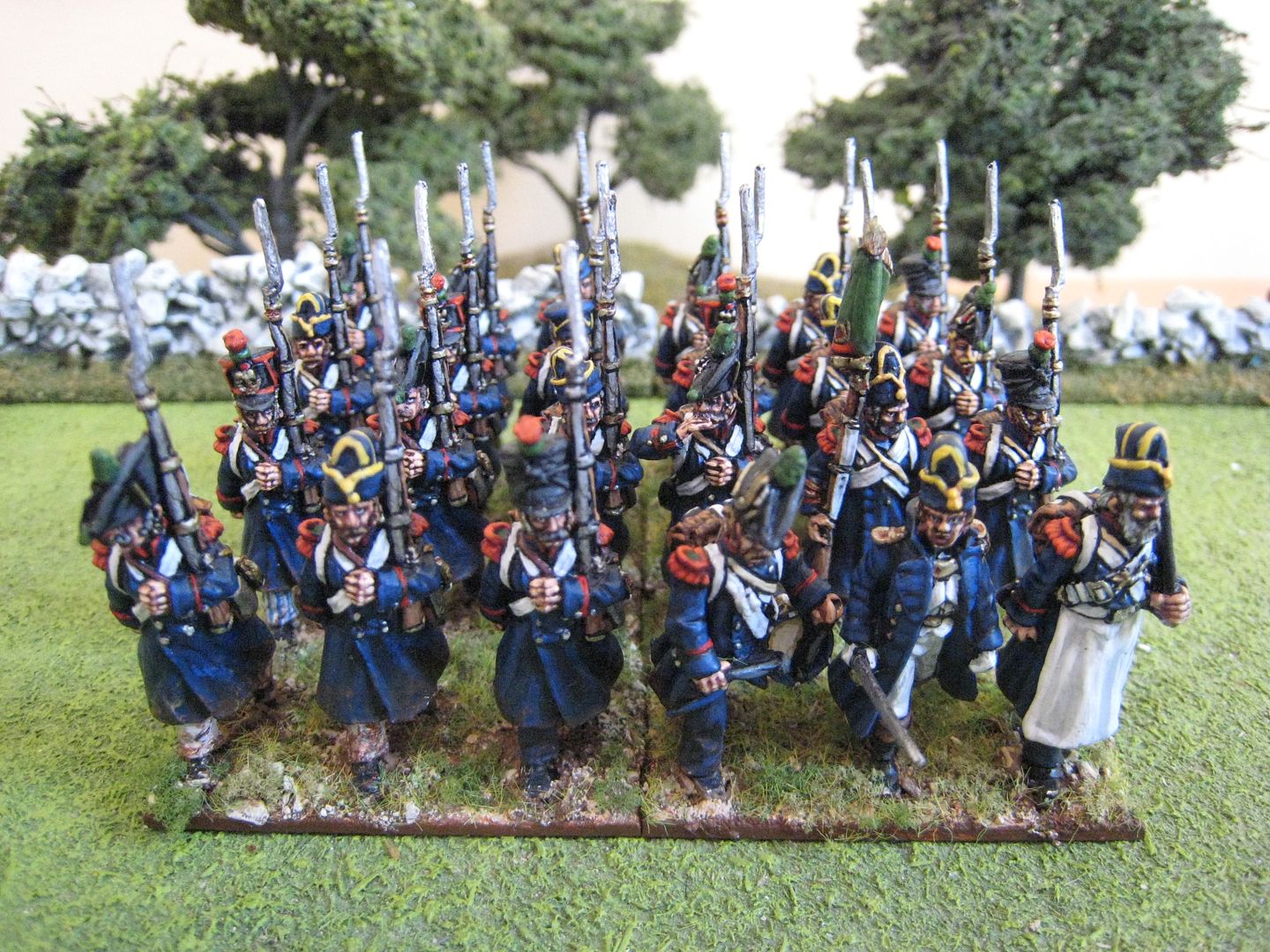
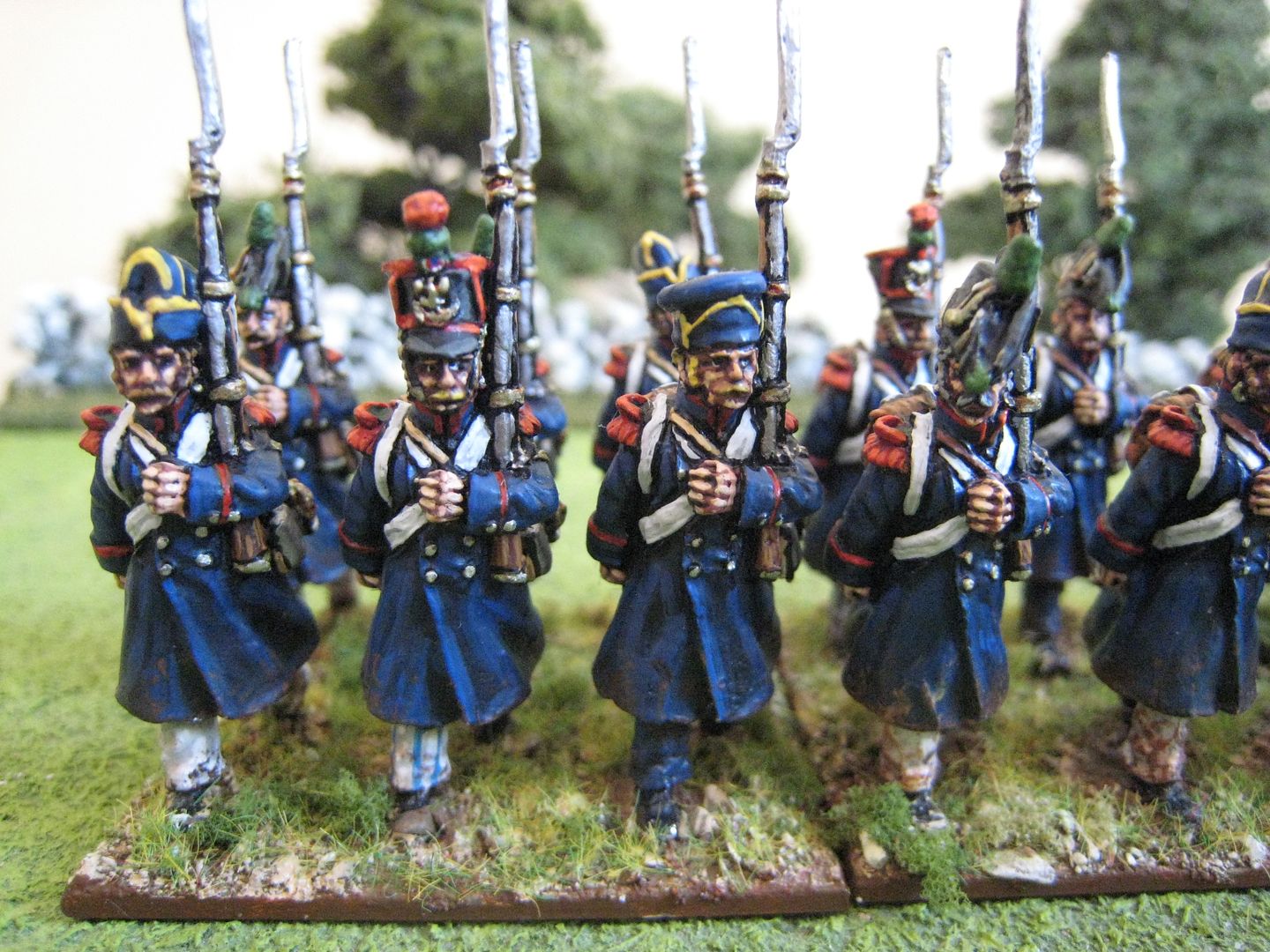
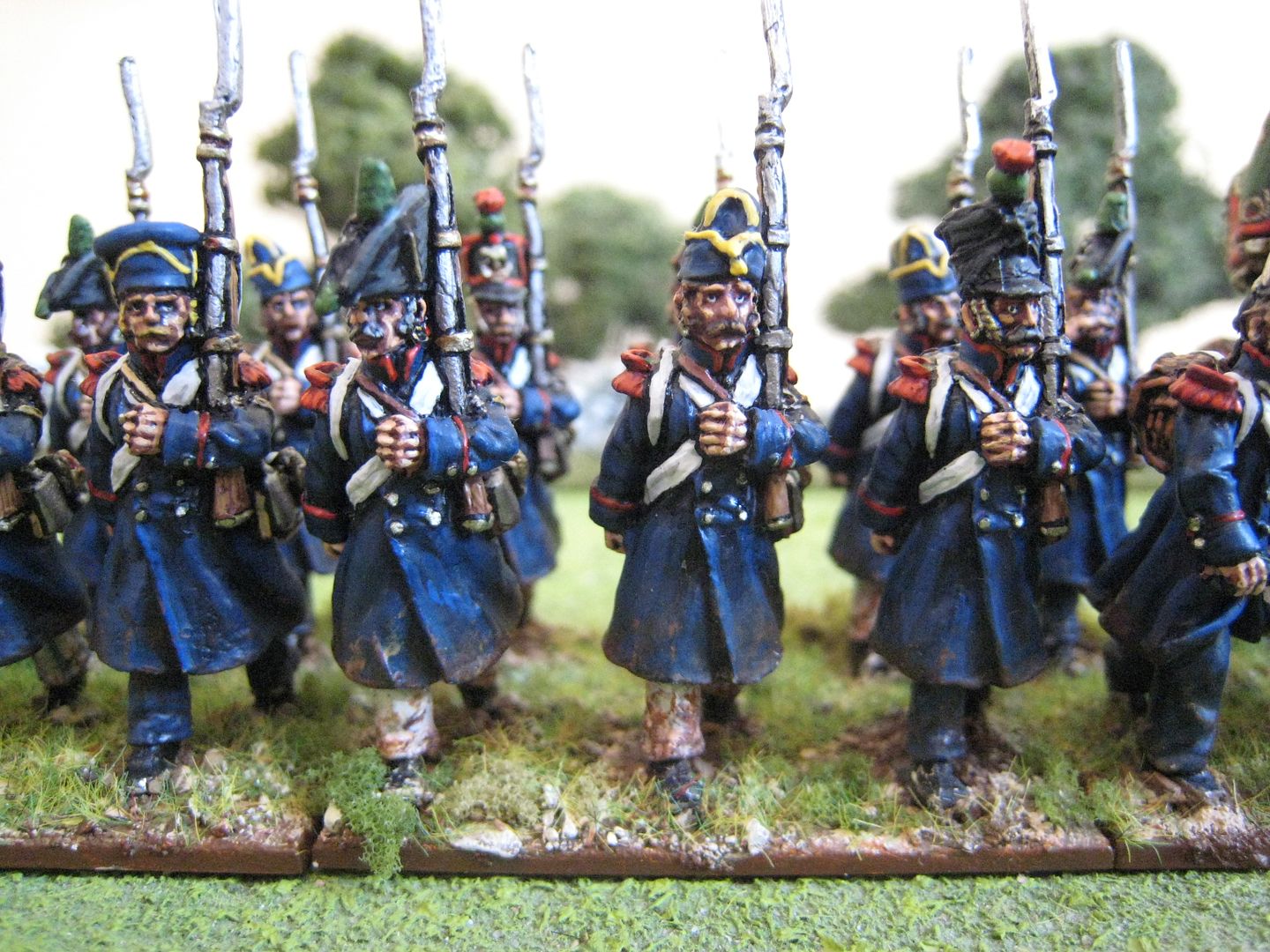
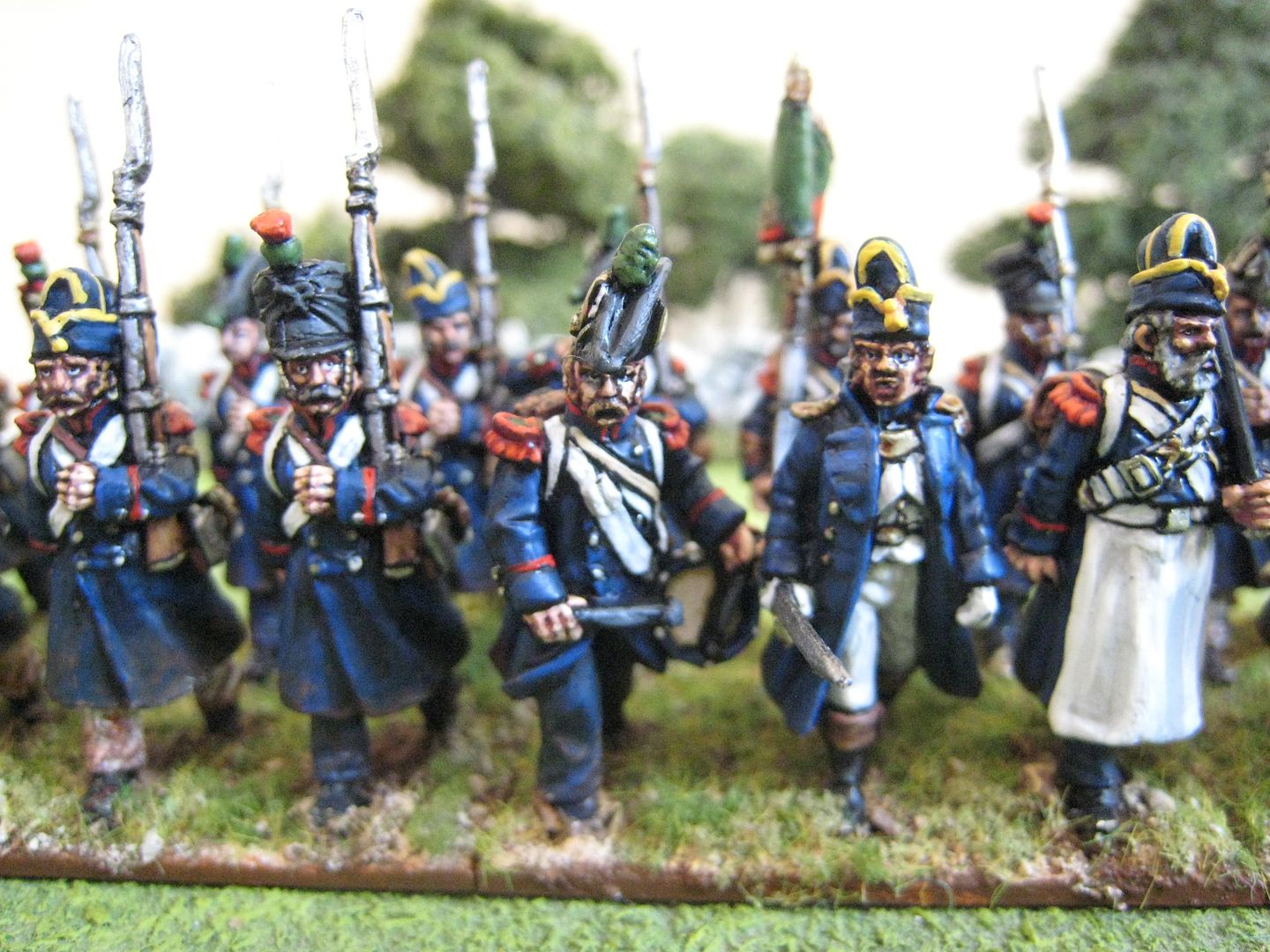
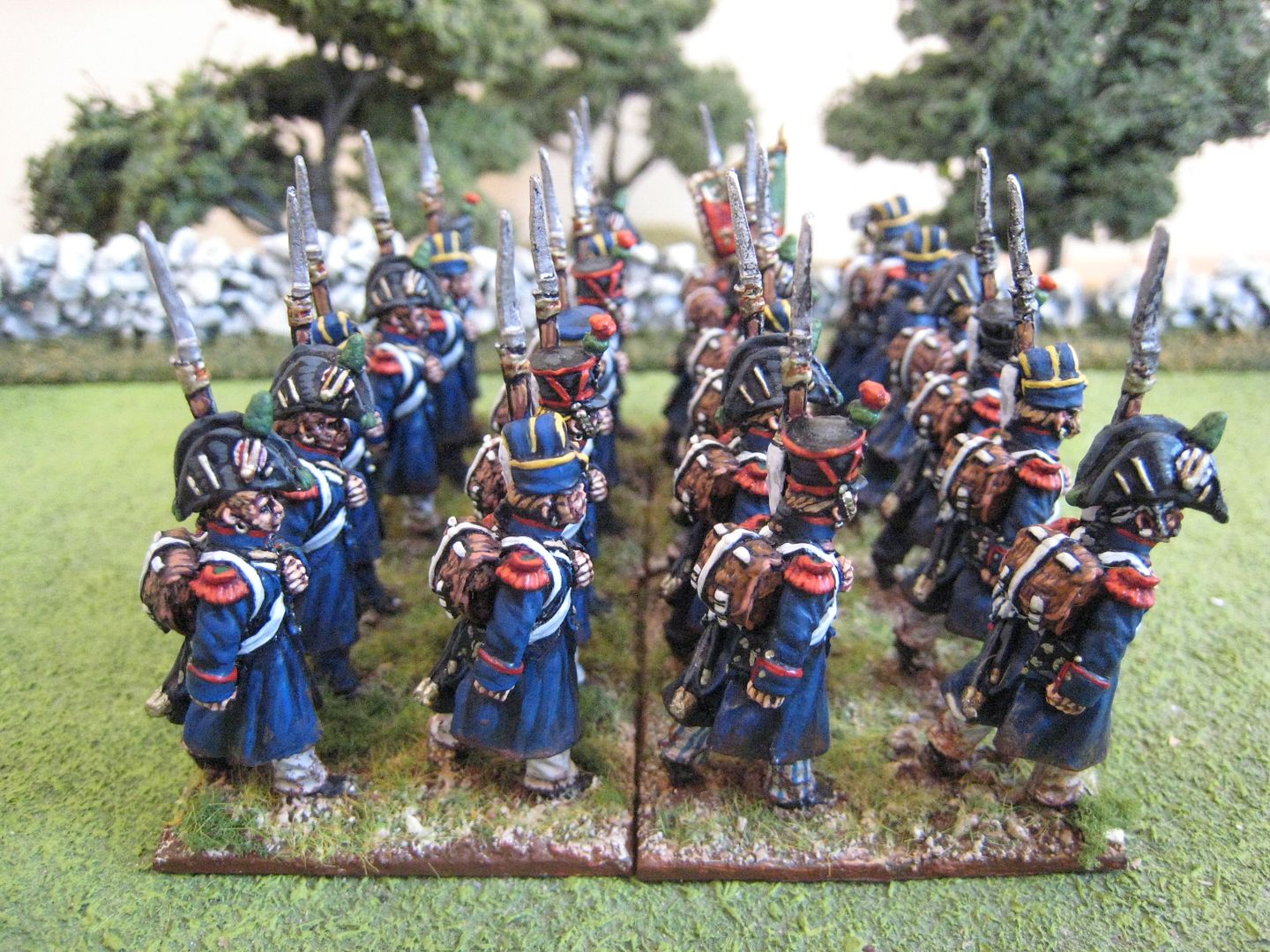
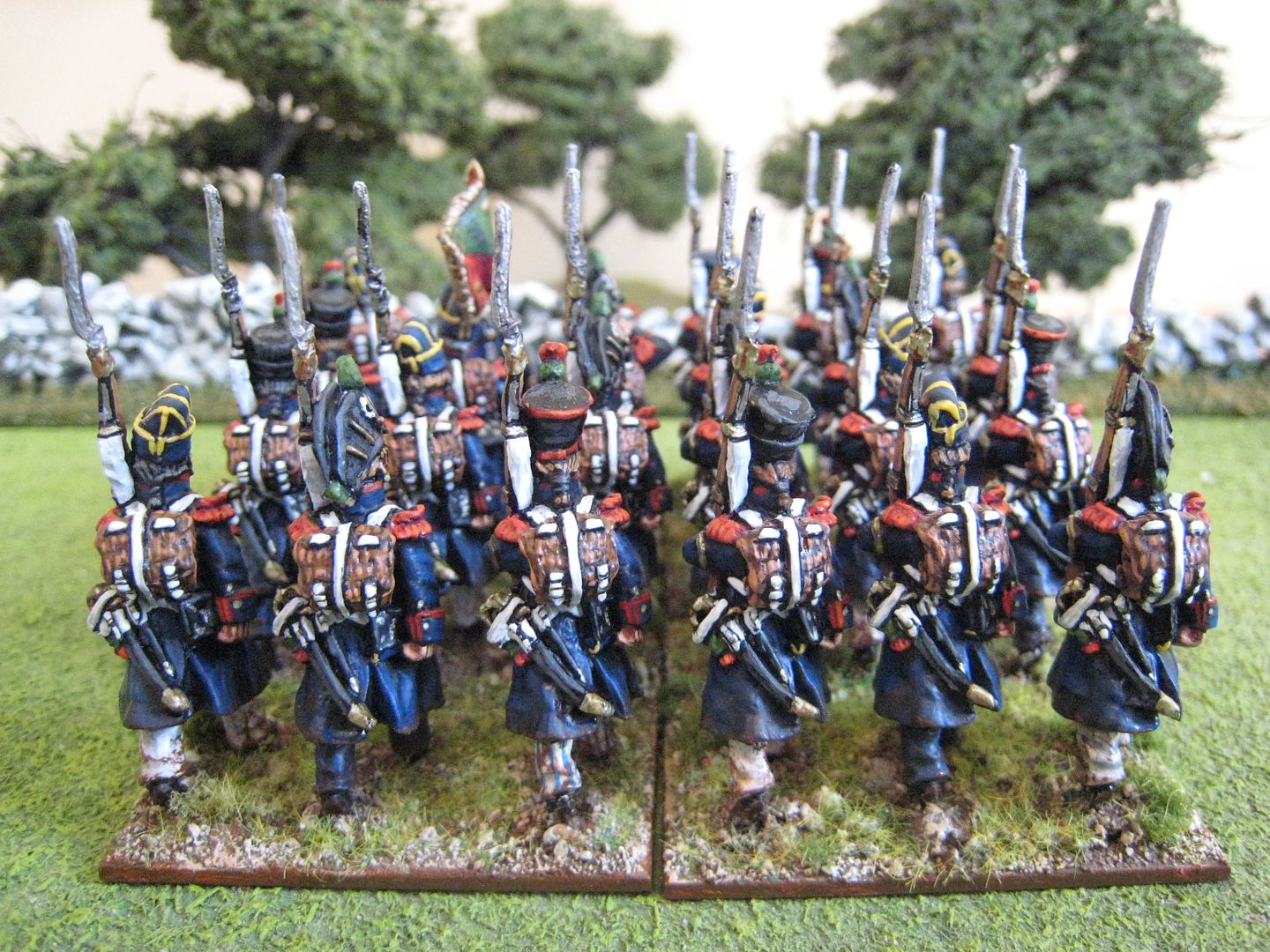
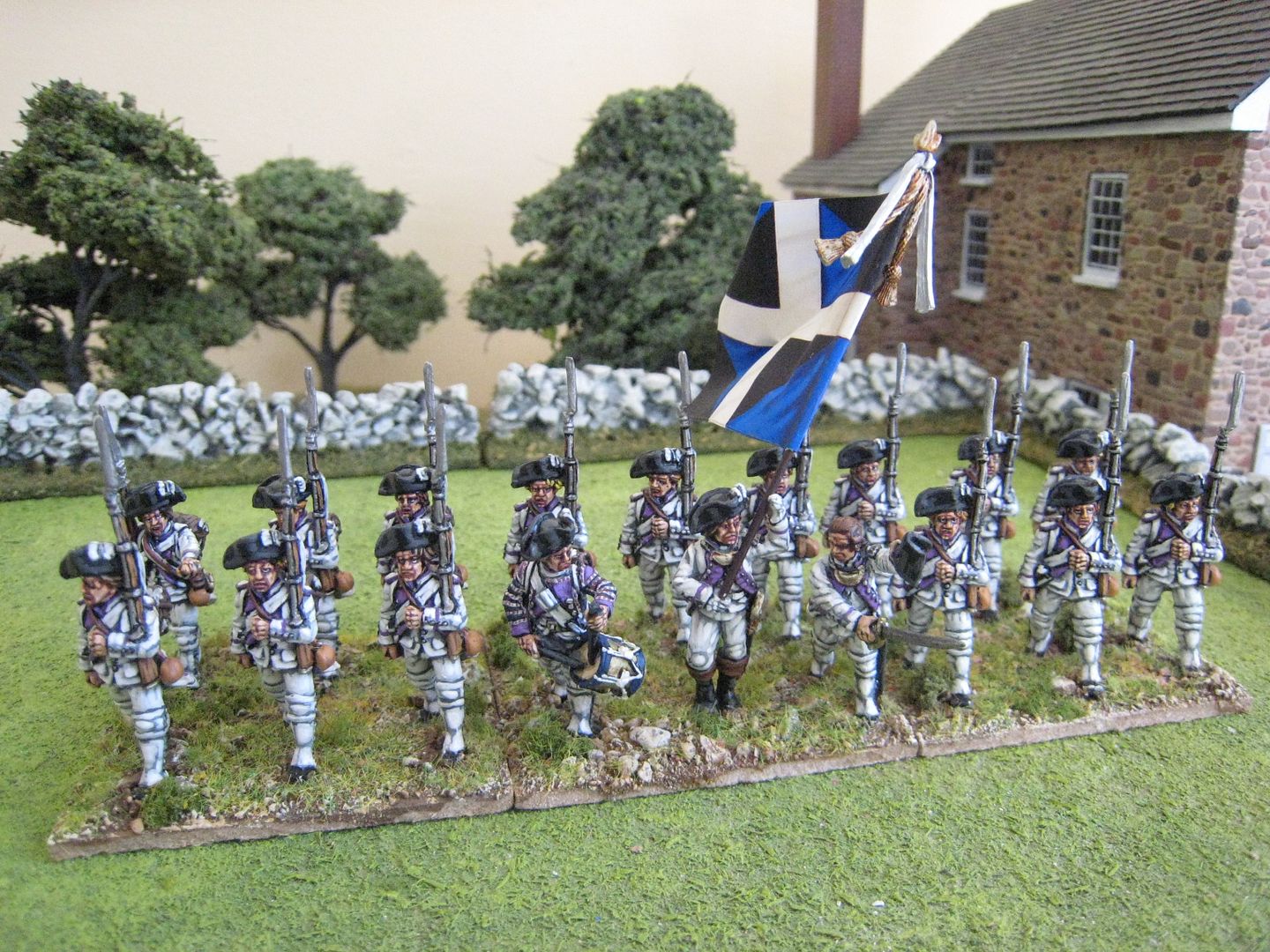
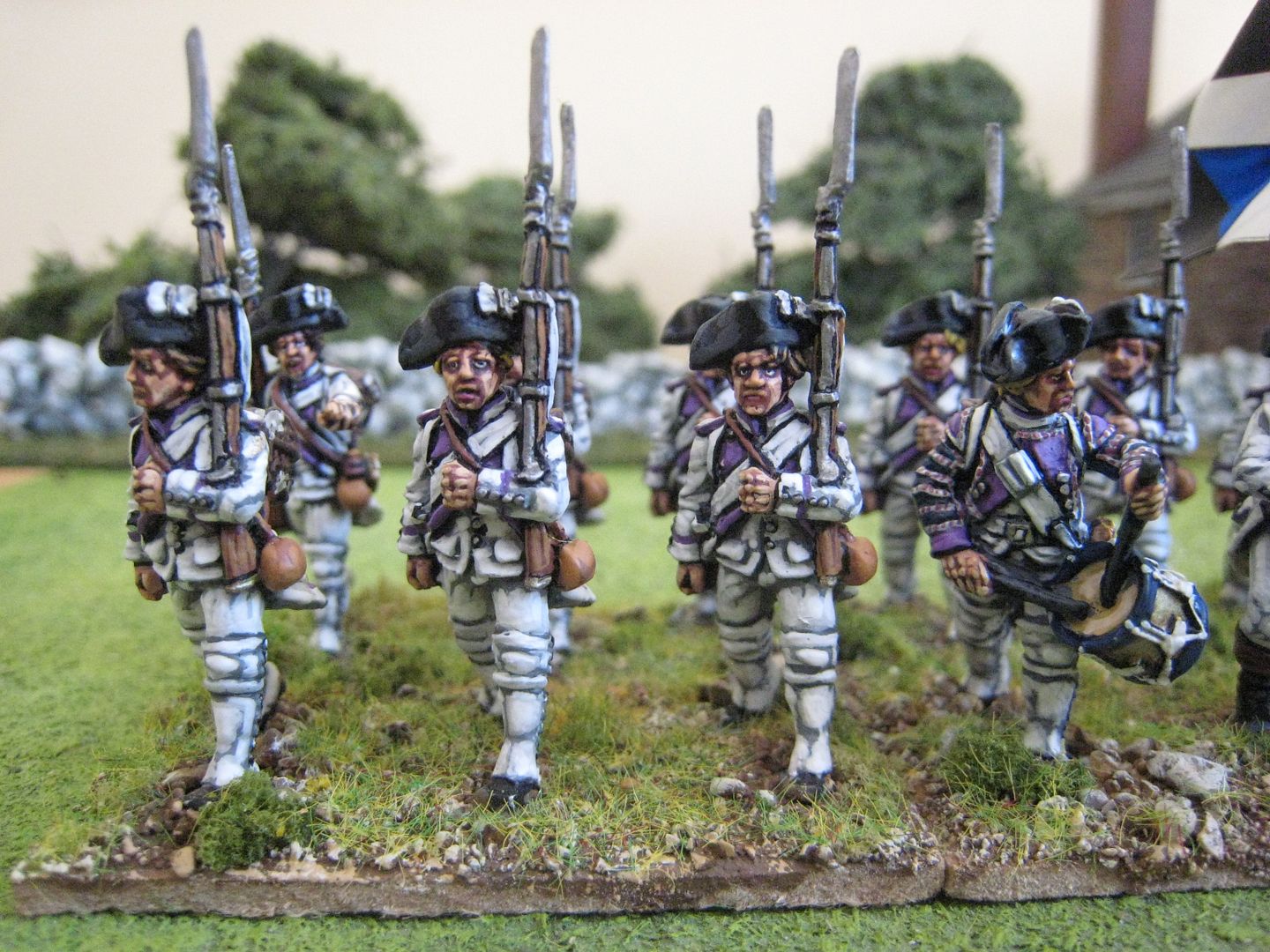
So here is a battalion from the Gatinais regiment. The flag is the more colourful second battalion flag. I understand that the regiment had been stationed in the Caribbean since 1775 and a detachment went to America in 1779 with d'Estaing. The chasseur company in particular distinguished itself at Savannah, with most of its officers becoming casualties. The remainder of the regiment arrived in 1781 with Saint-Simon. The regiment again distinguished itself in the attack on Redoubt 9 at Yorktown, which the regiment's grenadiers captured with men from the Royal Deux-Points regiment. Apparently, Washington expressed his admiration of and gratitude to the French units by presenting the two regiments with the cannon which they had captured from the redoubt.


The flag is from GMB. I have seen references to the Gatinais flag being black and violet rather than the black and blue as shown here. I gather that Richardson in his Standards and Colors of the American Revolution states that the colours were black and marine blue, and presumably GMB followed this source. The figures are in the 1779 ordonnance uniforms, which is certainly wrong for Savannah and probably still wrong for Yorktown. However, Perry Miniatures only offer standing figures in the 1776 dress and I wanted more active poses for Savannah and Yorktown.


18 figures. Painted February-May 2011. Flag from GMB.


Saturday, 16 July 2011

French chasseurs (1)


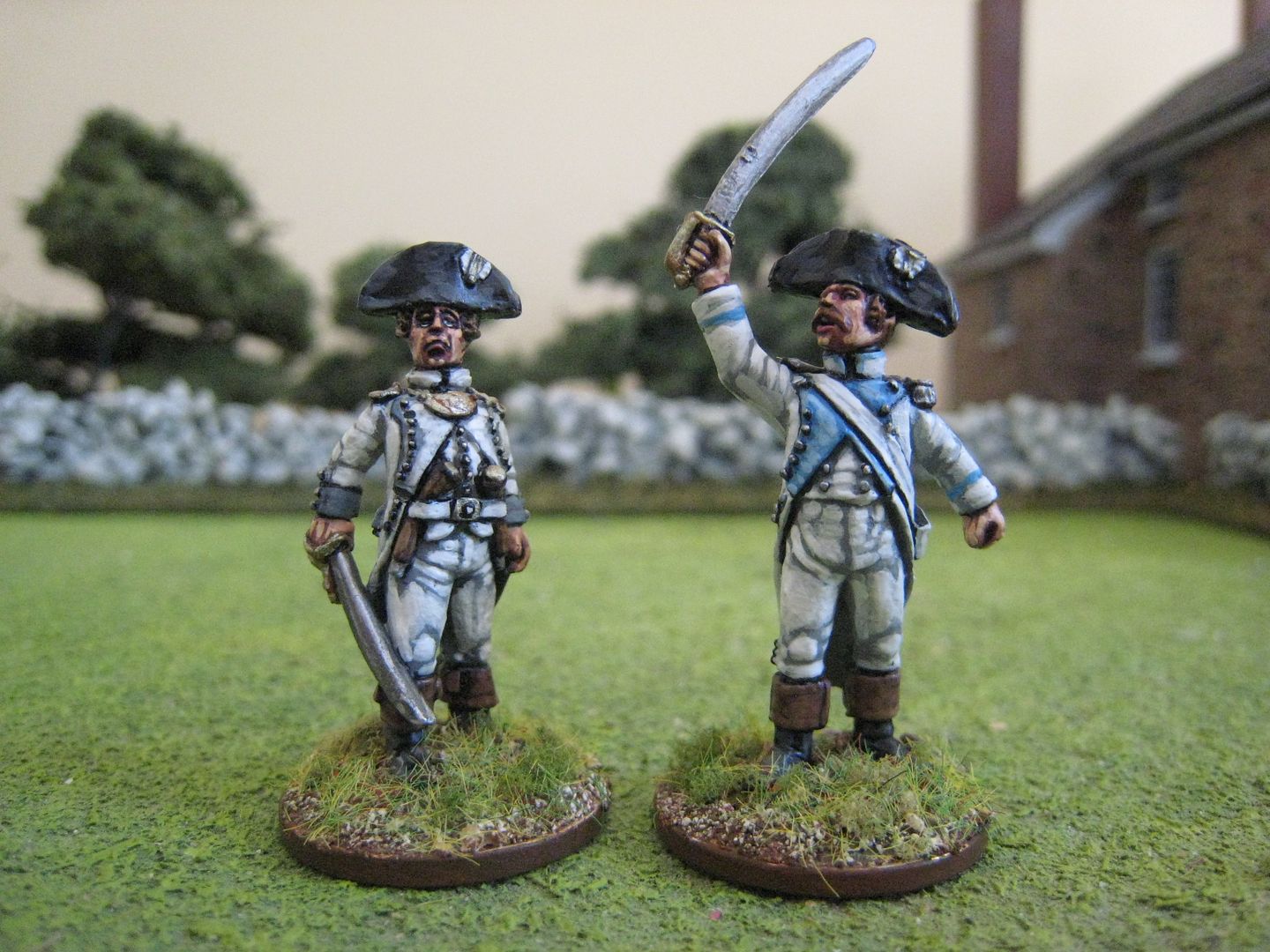
I promise to make more of an effort with this blog, which I have neglected of late. As an hors d'oeuvre to some more substantial posts on AWI French units I offer this trio of figures from Eureka Miniatures' Revolutionary Wars range. I think this range is useful to the 25mm AWI gamer, although there are issues with the uniforms, principally the shape of the hats and the absence of water bottles. The coats of the figures are long, but that suits the 1779 ordinance and Chartrand in his Osprey refers to the "ample and generous" cut of the 1779 coats; so this point isn't too much of a worry. The hats are another thing, although I think the hats here are ok and I will shortly post about some chasseur skirmishers which really do require a leap of faith re their headgear.


The two officer figures here are listed in the Eureka range as "officer encouraging skirmishers" (the chap brandishing the sword) and "artillery officer" (the chap with the brace of pistols). I think they are very characterful sculpts and look pretty good in AWI white rather than 1790s blue. I am working on a 24-figure unit of chasseurs which will have 4 bases of 6 figures, all of which will be rank and file (for reasons I'll explain when I do a post on the unit itself). The purpose of the two Eureka officer figures is to provide some visual command for this 24-figure unit, which otherwise will lack any command figures. I expect I'll place them in front of the unit or one figure at each end. They can also act as command for the 8-figure chasseur skirmish unit I've just finished. The chap waving the sword is from the Armagnac regiment and the other is from the Viennois regiment (in 1779 dress).


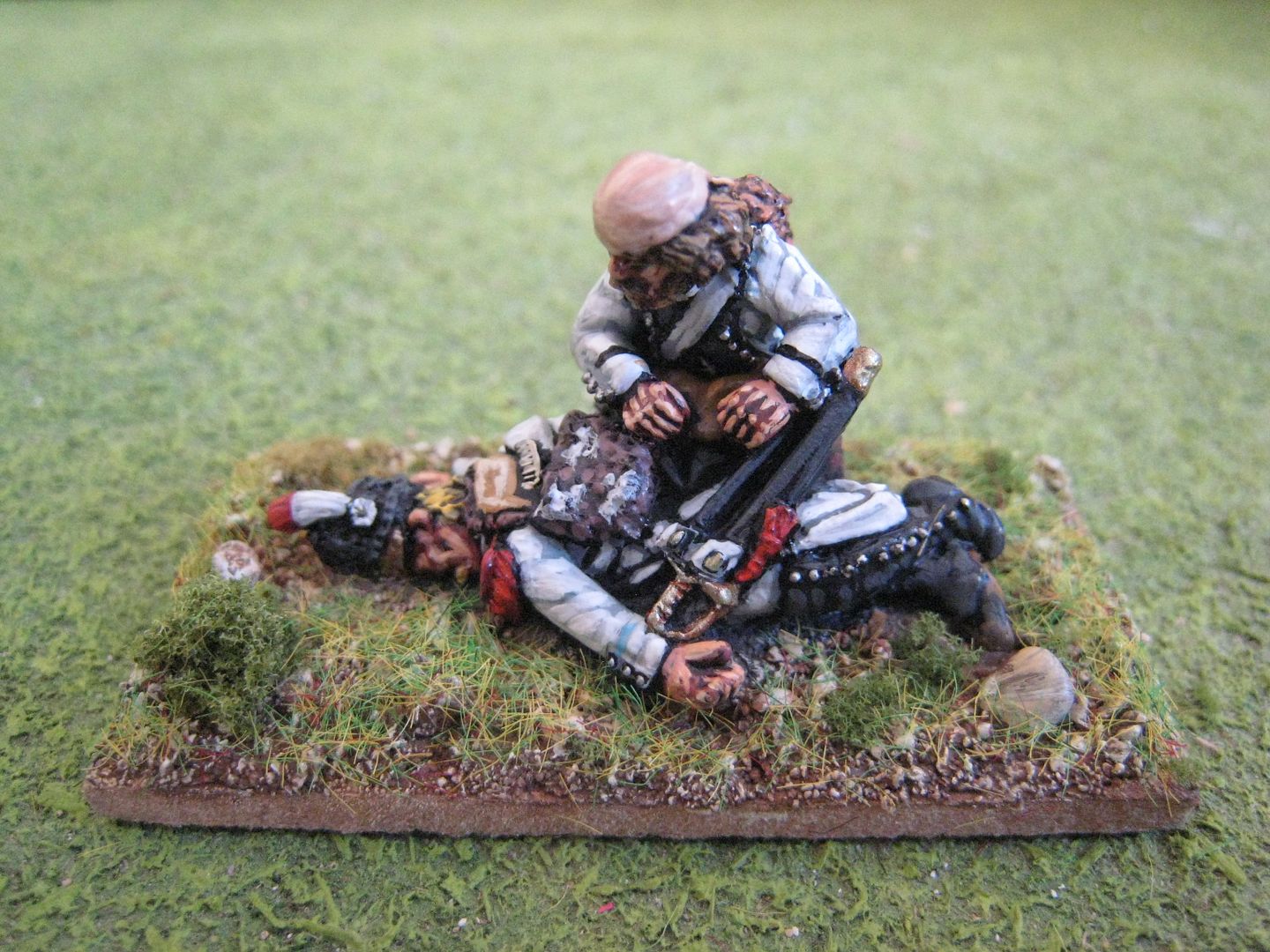
The looter vignette took some time to plan. My original idea was to have a Hessian plundering a Frenchman - as the plunderer has a moustache I couldn't paint him as a British soldier or an American. But then it occured to me that the uniform was wrong and it wouldn't make sense for a Hessian to be outside the lines (of, say, Savannah or Yorktown) nicking stuff off a dead Frenchman. But is also seemed odd that a French soldier, probably recently arrived, would be as badly dressed as the looter is here. In the end, I decided that the looter was a deserter in search of extra provisions, who is still wearing his uniform coat (from the Auxerrois regiment) but has found local trousers and is in search of other items. The dead grenadier is from the Armagnac regiment again. I filed off the grenade on the ammunition box but left the chain on the bearskin, simply not painting it black.


4 figures. Painted June 2011.

Tuesday, 12 July 2011

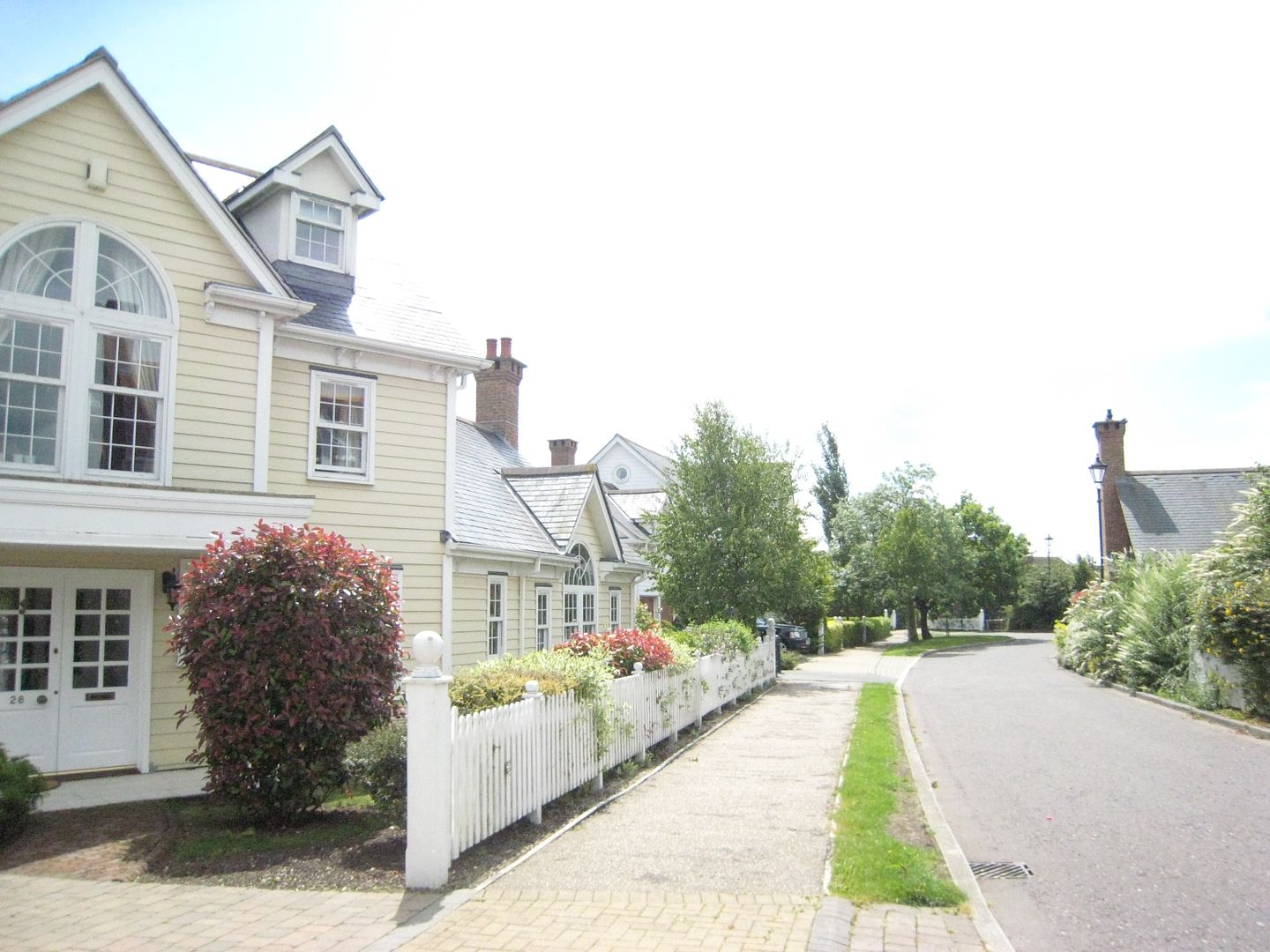
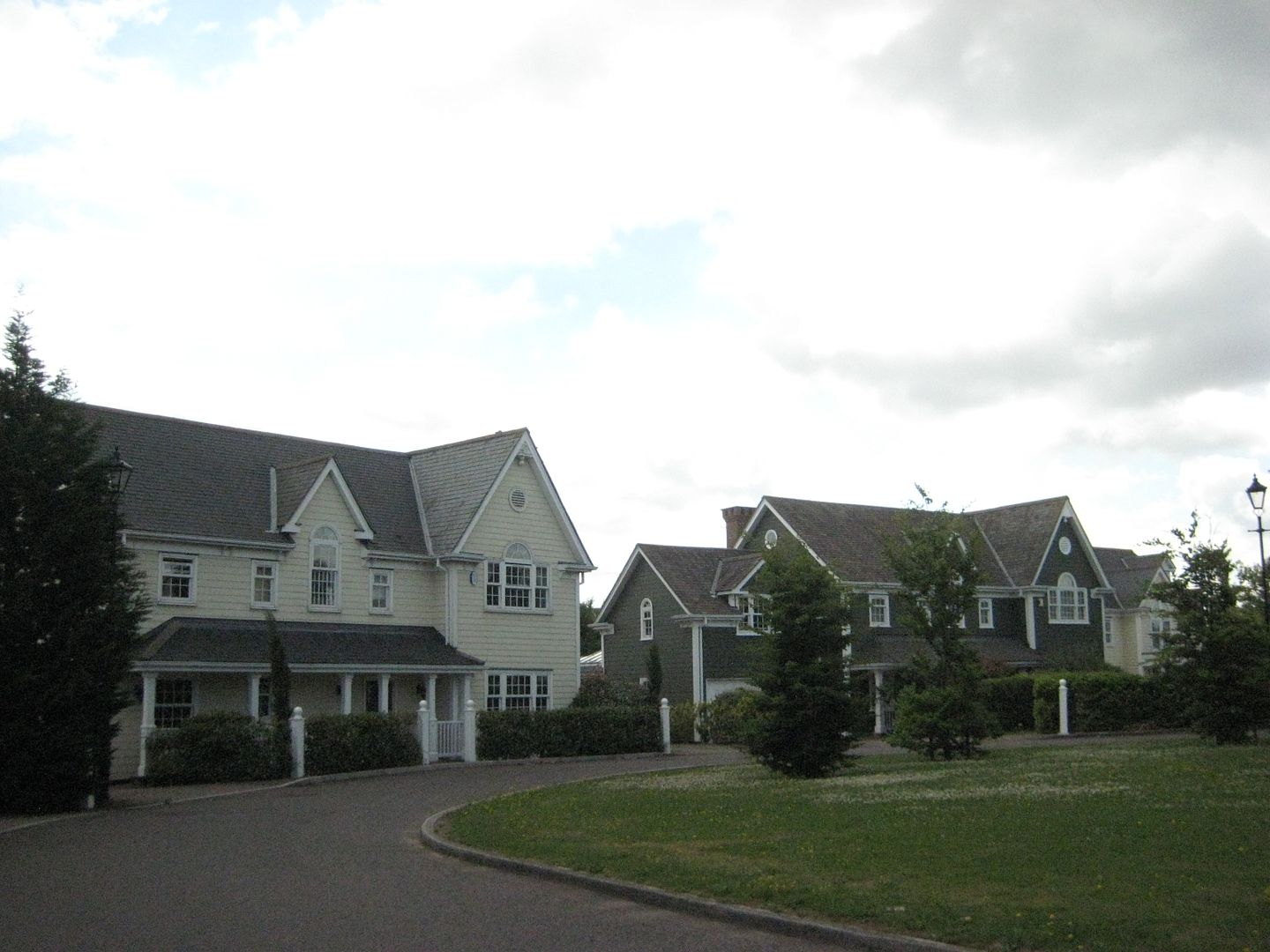
A street in New England...


...or is it? Actually, this is the street around the corner from the house which we are hoping to buy. On Saturday we accepted an offer on our place in Wapping, east London, and had an offer accepted on the house we want to buy in Chelmsford (further east, about 1.25 hours' drive from London). This domestic hooray wouldn't merit a post if it wasn't for the fact that the house we are buying (if all goes well) has been built in the "New England style". When I first saw the area I thought "this looks a bit familiar" and I asked the estate agent whether it was just me or had the houses been built with a New England vibe in mind. He replied that indeed this part of the development was supposed to have a New England, clapboard look and that the house we are now buying was built "to the Stockbridge design". I'm not sure what that means, but it sounds pretty American to me.

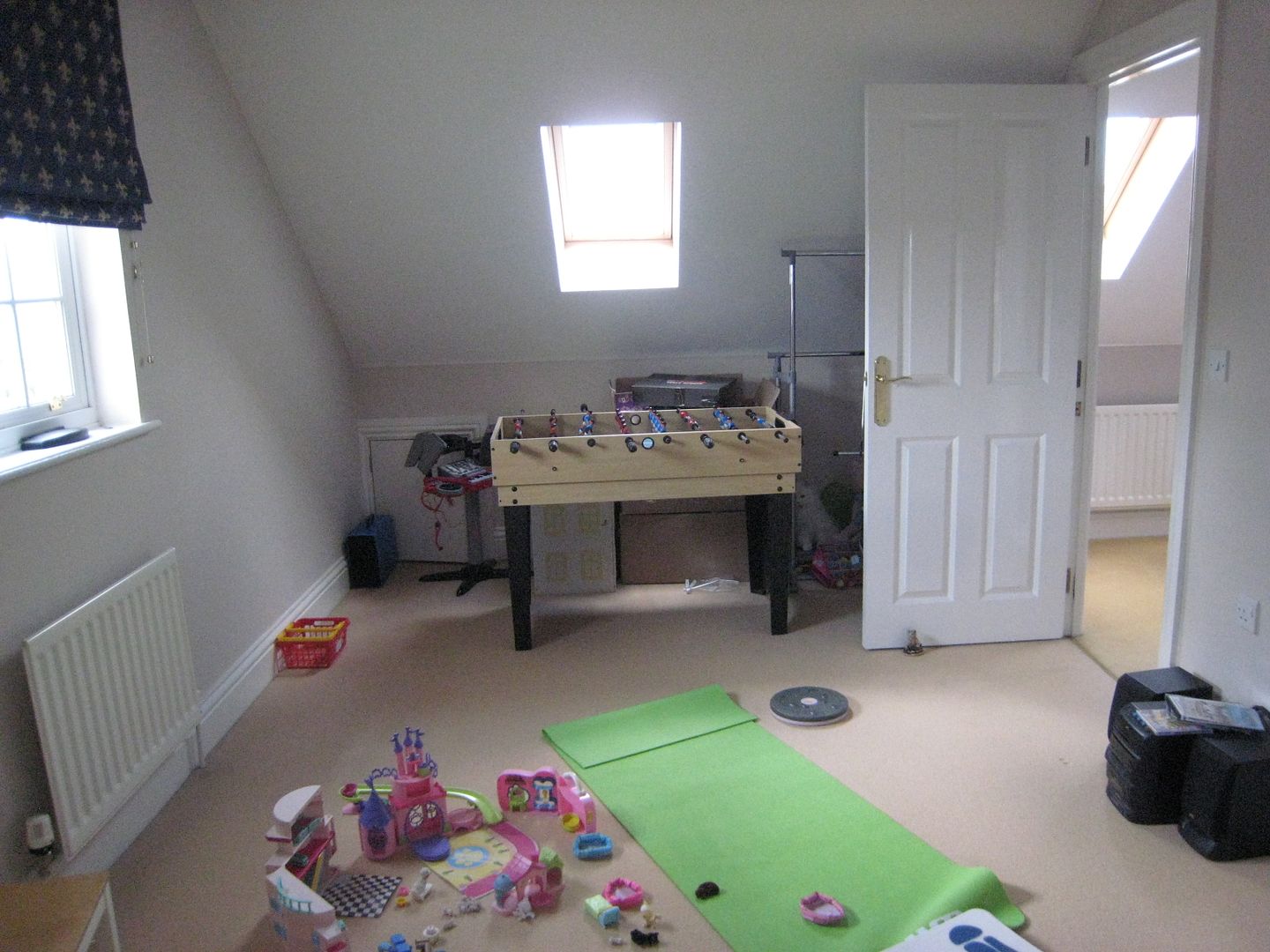
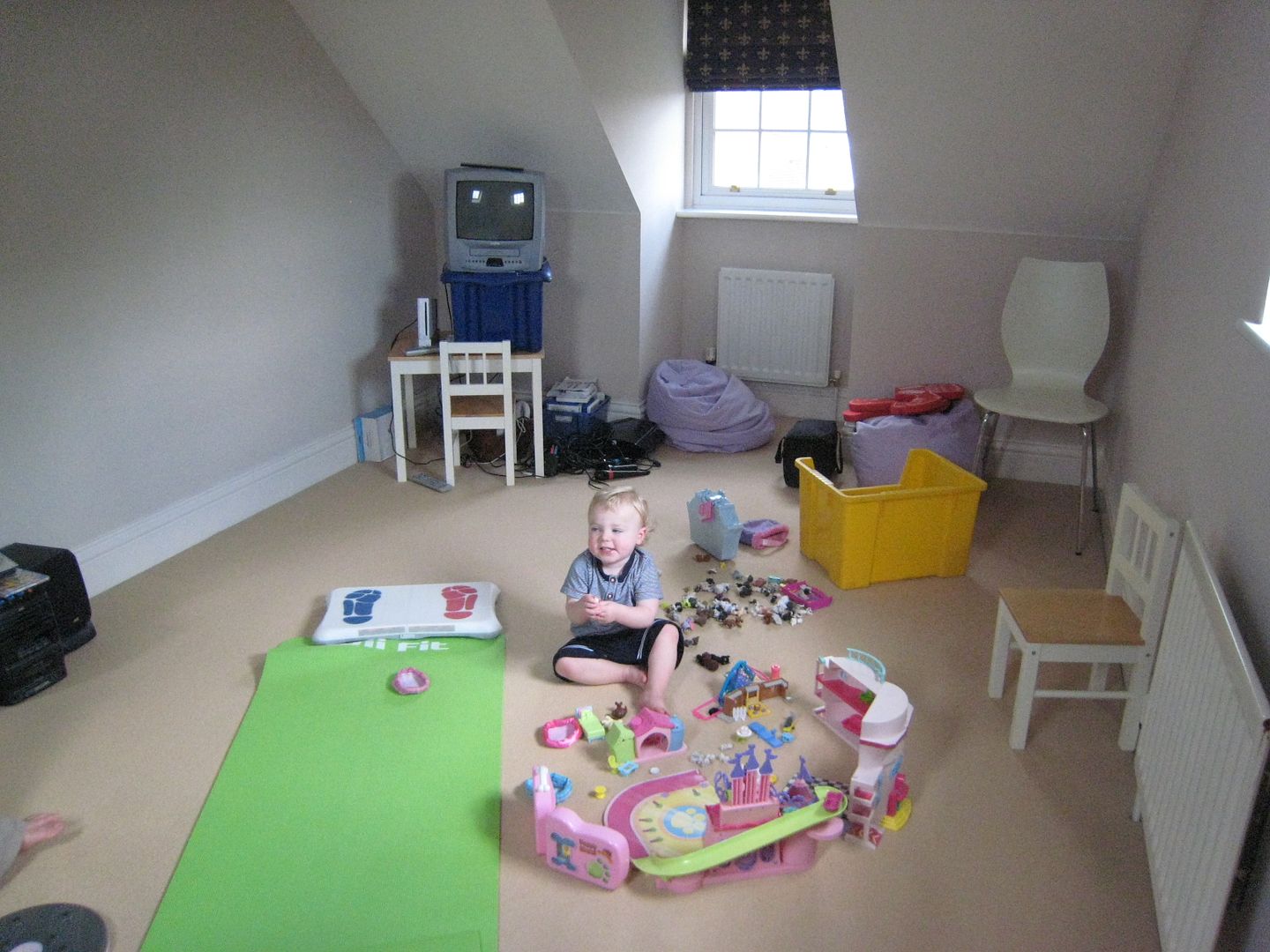
British readers won't be surprised by anything that happens in Essex, but I like to think that we've managed to buy a house that's almost an AWI house. Even better, my new painting room looks large enough to accommodate a gaming table (as per photos below), which will mean that for the first time I will be able to have a permanent set-up. The road from offer to completion is fraught with difficulties, but we are slowly moving along it and I'll have to ensure I maximise painting time before the move.


Monday, 4 July 2011

Apologies...


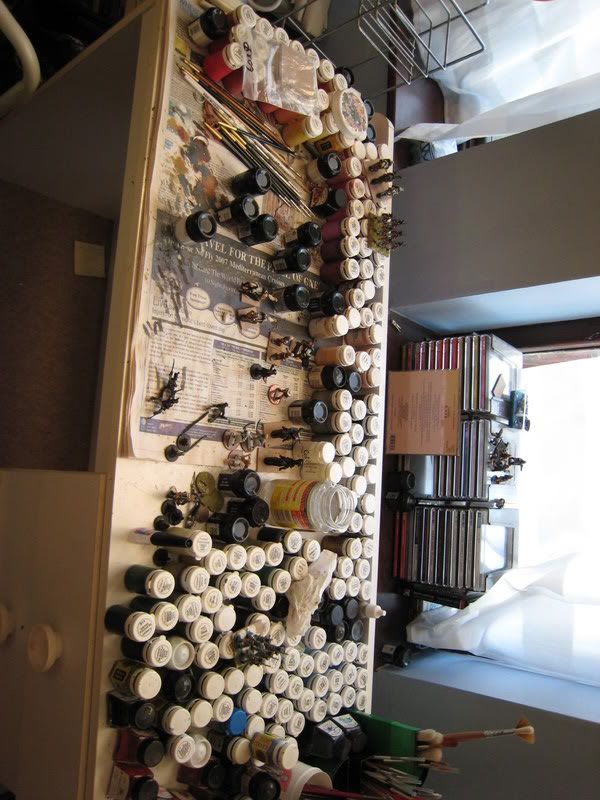
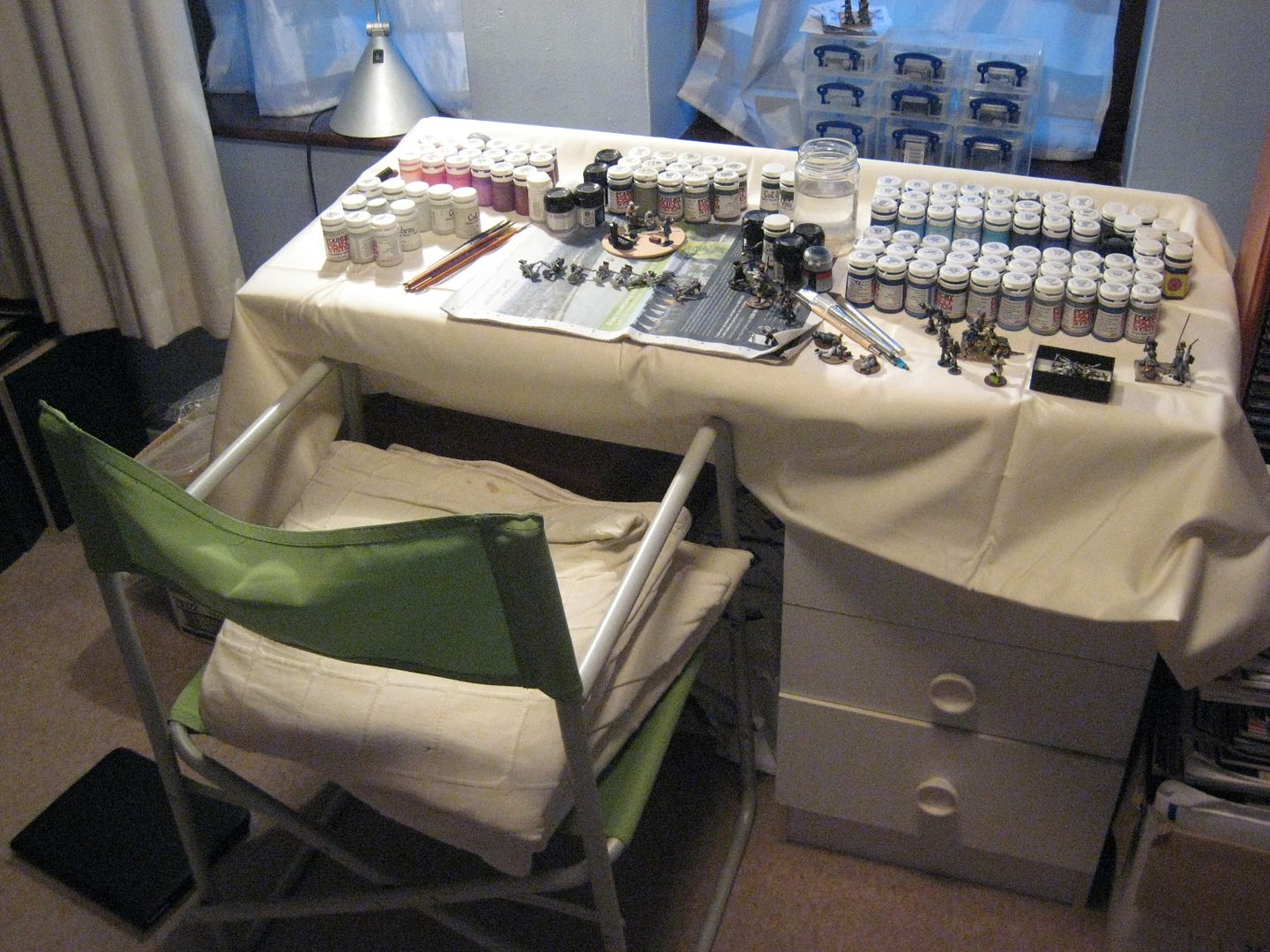
...for the lack of posts recently. I've been hit by the joint effect of a very busy period at work and the need to empty the house prior to it being put on the market. That has now happened and each weekend is now spent travelling around Essex looking at houses, so eroding further on painting and posting time. Tidying-up the house led to the decision about what to do with all my painting stuff: do I put it away completely, or have the essentials only, or stand proud and keep everything out? I realised that I could empty the drawers of my desk and stick most of my paints in them - no longer are they standing on the floor and window-sills in a variety of grubby boxes and I'm much happier for it. Most of the lead-pile is now in storage, and much else besides. Sorting through heaps of boxes filled with figures and various bits and bobs was also wuite cathartic. I have found figures that have been half or part-painted for years and I'm going to finish these off over the next few weeks. I once tried to include at least one such figure in each painting batch but that plan didn't survive more than a week or so. This time I will try harder. Anyway, viewers of the house can't mind my residual painting stuff too much since we had out first offer today, and the house only went on the market last Thursday.


Above is a wip shot of the AWI French chasseur unit I am slowly working on. I'm exactly half-way through, with 12 figures completed. This week I'm painting 8 Eureka Revolutionary Wars French figures as chasseur skirmishers. The Gatinois regiment has now been photographed and I'll try to post on that later this week, together with the 15mm stuff. Below are "before and after" photos of my painting desk!


Finally - a big "Happy 4th of July" to all my American friends, followers and readers!

Friday, 10 June 2011

4th Chasseurs


I painted these figures a while ago but forgot to post pictures. This unit represents the 4th Chasseurs of the Imperial Guard and utilises the 2 special packs of figures that Perry Miniatures released for the 3rd and 4th regiment of Grenadiers and Chasseurs. These Middle Guard units were hastily raised in 1815 and apparently suffered from supply issues - hence the lack of bearskins and the variety of headgear. The 4th Chasseurs formed part of the final attack on the centre of Wellington's line at Waterloo. Losing heavily from artillery fire and volleys from the British Guards, the 4th appears to have been pretty much wiped out.


In the "General de Brigade" orbat I'm using for 1815, the 4th Chasseurs appear as a 24 figure unit in Michel's brigade, with 2 battalions of the 3rd Chasseurs. Perry Miniatures do a very nice Michel personality figure, so it is tempting to work up the rest of the brigade at some point. Perry give you several options for the Guard Chasseurs: standing in full dress, standing in greatcoats, advancing in full dress, advancing in greatcoats, and advancing in greatcoats and funny hats, as used here. For the Waterloo orbat you need 6 battalions of Chasseurs, 2 each for the 2nd and 3rd and then one apiece for the 1st and 4th. I'm thinking that having started with the 4th I could work backwards and progressively "smarten up" each regiment. So whilst the 4th Chasseurs use just the special "ragged" figures, the 3rd Chasseurs' battalions would consist of a mix of hats and a few bearskins. One battalion of the 2nd would have greatcoats and bearskins and then the other and the 1st Chasseurs would be in full dress. That way I could use all the various packs produced by the Perries! I did think about making the 4th ultra scruffy by painting the greatcoats in a variety of different colours, but decided that I want my Guard units to look like the Guard and so all greatcoats will be painted dark blue (I used the Foundry "French Blue 65" palette with some extra highlights of "Deep Blue 20"). However, I did decide to mix up the trousers a little.


On the workbench at the moment is more AWI - French infantry and some civilians. Next week I'll post about my newly-completed 15mm regiment, being the star of a new period!


Blogger update: I still can't post comments on other blogs, it seems, despite fiddling around with cookies, settings and other things. I hope Blogger sort this out because it's getting to be very annoying. I'm very much enjoying what other followers are doing at the moment and it's frustrating not being able to say so!


24 figures. Painted February and March 2011.


Friday, 3 June 2011

Count Casimir Pulaski


Pulaski was born in Poland in 1745 into a well-known noble family. His soldiering began in his early twenties when he joined the Polish groups opposing Russian influence and intervention in their country. That opposition quickly led to armed conflict and Pulaski proved himself to be an excellent commander of men. Outlawed by the Russians in 1771 and accused of trying to kidnap the Polish king, he fled to Turkey and then Paris. There in 1777 he met Benjamin Franklin and Lafayette and agreed to join the struggle for independence, no doubt keen to support another country trying to win its freedom. Franklin introduced Pulaski to George Washington, who appears to have given Pulaski some sort of staff or advisory role. Pulaski's first engagement of the war was at Brandywine, where he led the scouting party that discovered the British flanking movement which threatened the American escape route. He collected whatever cavalry he could and bought time for the American army to withdraw.

Congress rewarded Pulaski with a commission as brigadier general and command of all American cavalry. He spent the winter of 1777-8 training and outfitting the cavalry units but in March he resigned his command due to difficulties with his officers (who appear to have disliked being ordered about by a foreigner who had not mastered English). Pulaski suggested to Washington that he form an independent legion of cavalry and light infantry. This idea was approved by Congress and Pulaski's Legion was born, which became the model for other legions such as Lee's and Armand's. Many of the recruits were German deserters and British PoWs, officered by Polish and French expatriates (apparently thirteen Polish officers served under Pulaski in the legion). In 1779 the legion , then only about 120 men strong, was sent to the south and Pulaski was instrumental is lifting the siege of Charleston. The Americans then moved onto their own siege of Savannah. By this time French forces had arrived and on 9 October 1779 the allies made their disasterous attack on the town. Seeing the French infantry falter, Pulaski galloped forward with his legion to rally the men but was mortally wounded by cannon shot. He died two days later, on 15 October 1779, and was buried at sea. He was 34 years old.


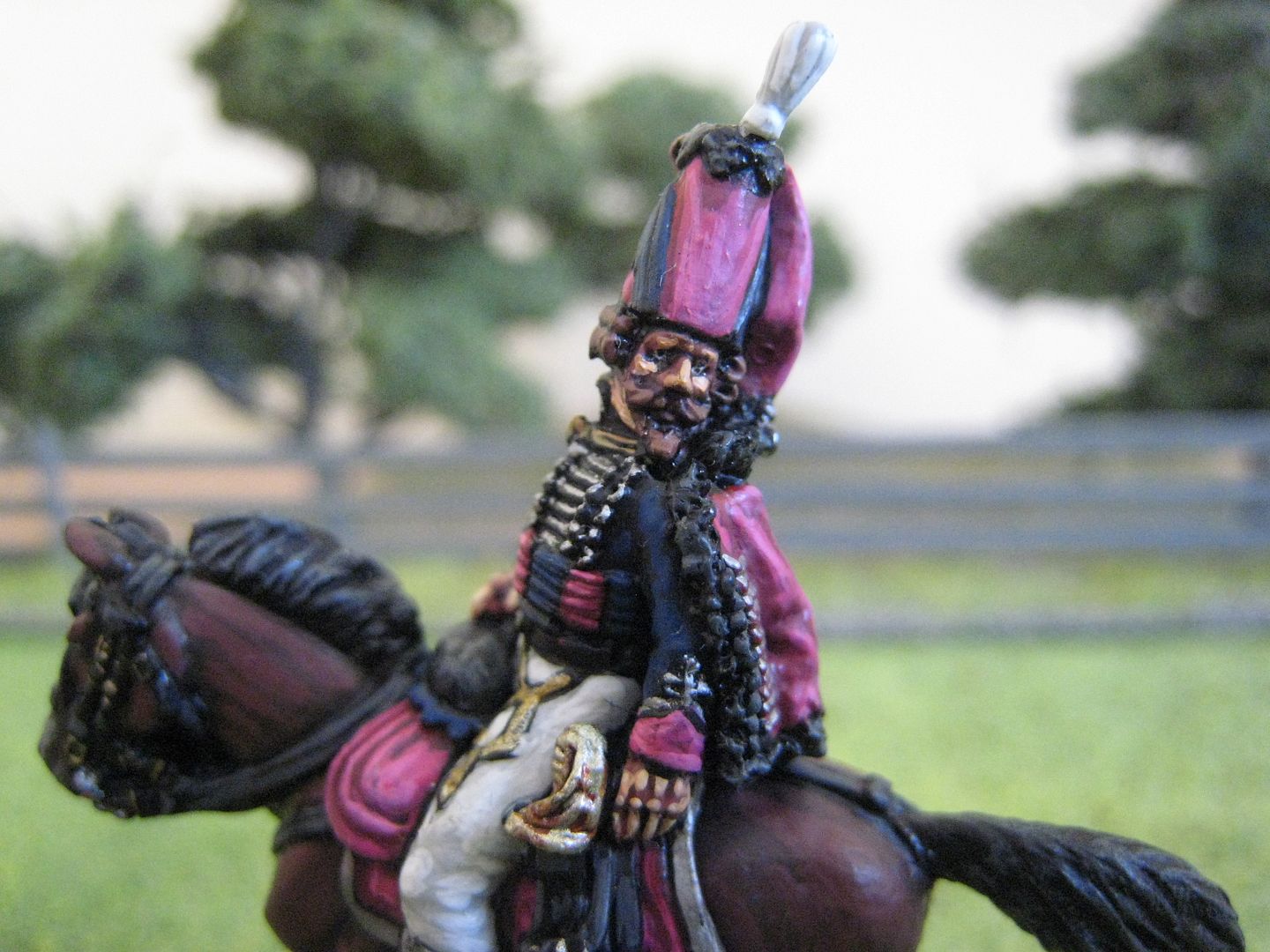
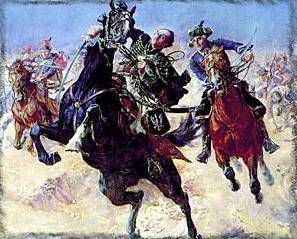
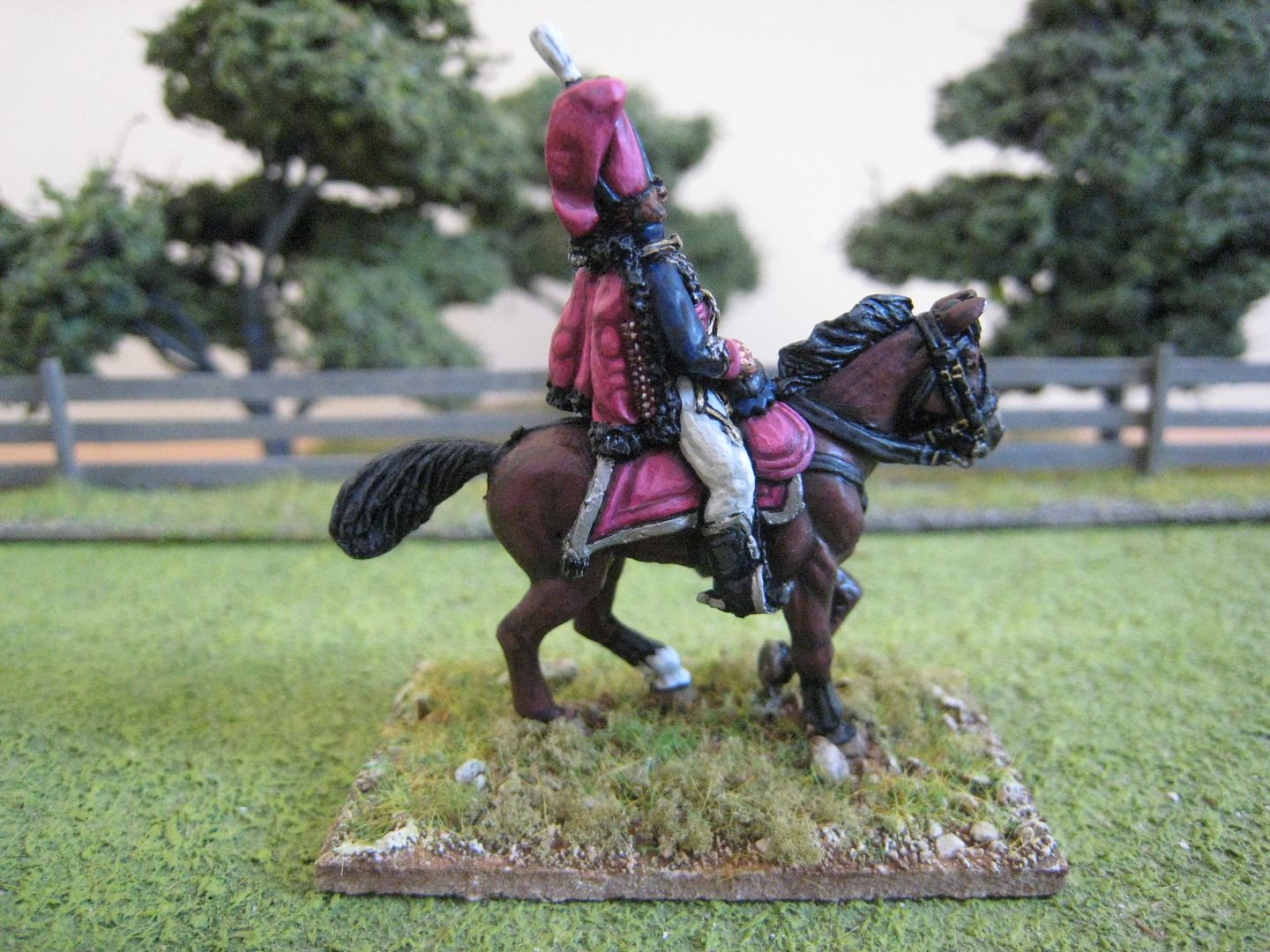
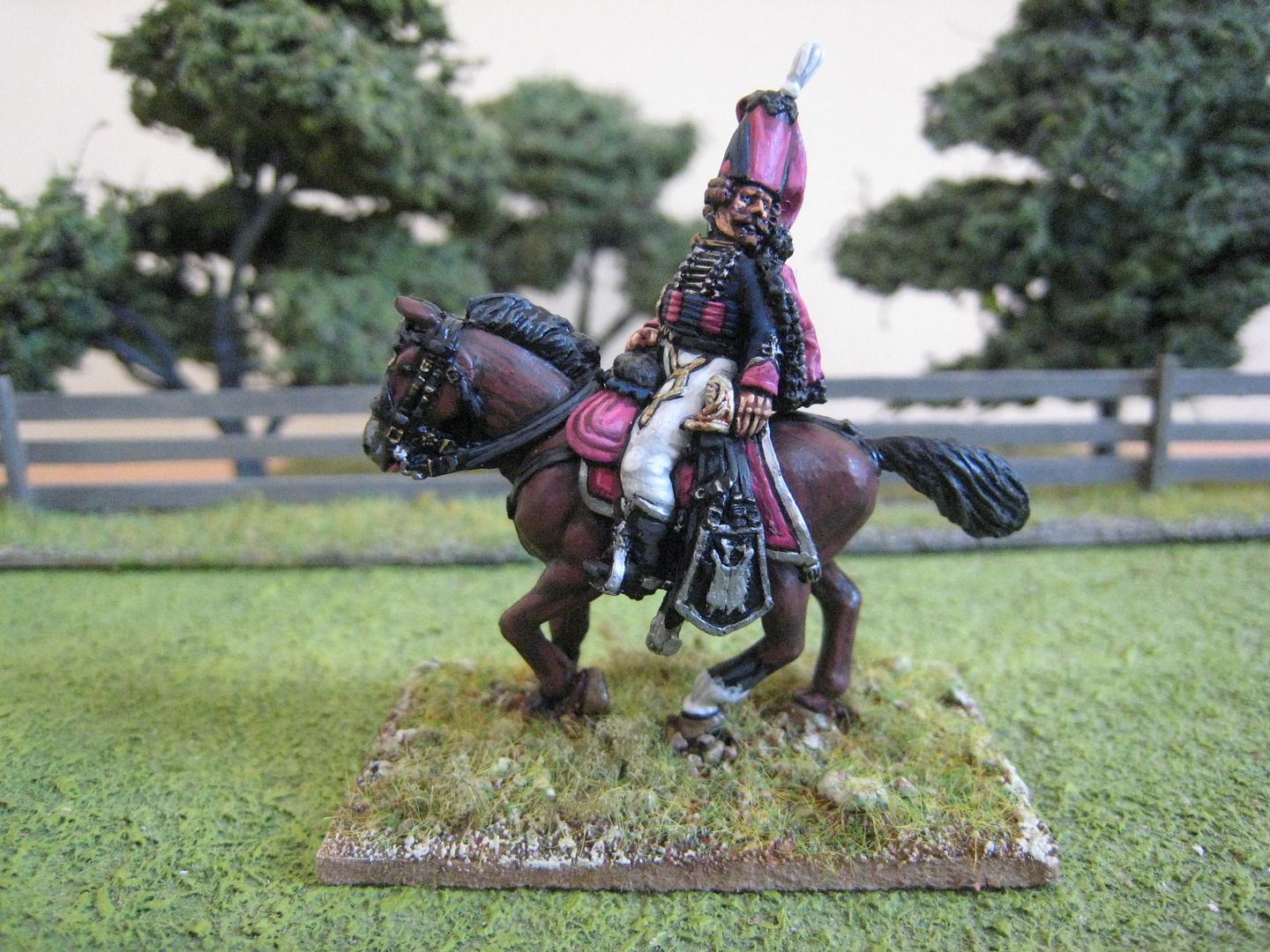
The Pulaski here is the "Baron Munchausen" figure from Eureka Miniatures. This was a kind freebie from Eureka. There is another variant of this set which has the Baron mounted on only half a horse that is drinking from a fountain (see here for an explanation). At first I thought about painting the figure as a German officer or a French cavalry commander but then I realised that it would make a perfect Pulaski. The uniform is light cavalry in style and suitably, while the sabretache has a design that looks vaguely like the white eagle that is emblem of the Polish coat of arms. I took my lead from the painting above, "The Death of General Casimir Pulaski" by S. Batowksi, and you can see that Pulaski's uniform in the painting (admittedly painted in 1932!) is not far off from that of Munchausen. The hat is a bit tall, perhaps (although see the troopers to the left of Pulaski in the painting), but is in keeping with the flamboyant look which seems appropriate for such a larger-than-life character. Following Batowksi, I painted the uniform and horse furniture in the standard Polish colours of crimson and dark blue.

Painted May 2011.

Wednesday, 1 June 2011

Auckland

As a coda to my Flagstaff War posts I thought I would post about the other military exhibits I saw in NZ in February. I first visited the Auckland War Memorial Museum a couple of years ago but I forgot my camera. This time I had a morning to spend wandering around whilst the Kiwi caught up with friends in the park outside. The top floor of the museum is concerned with the country's military history, from the 1820s to modern deployments. The quality of the displays is very high and there are also research areas which have always been busy when I have visited. someone asked about the model of Ruapekapeka I featured in an earlier post. That model is in this museum.

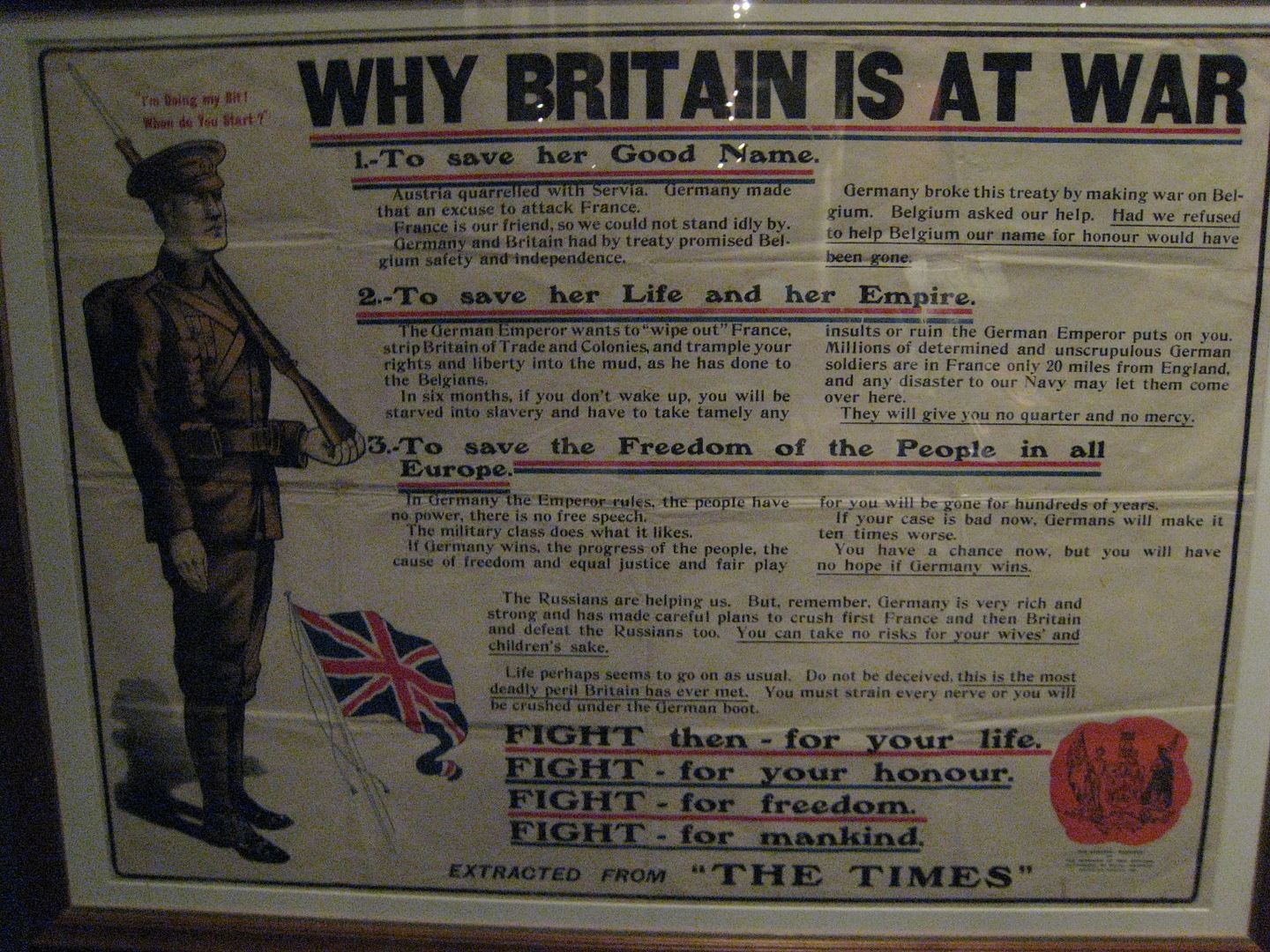
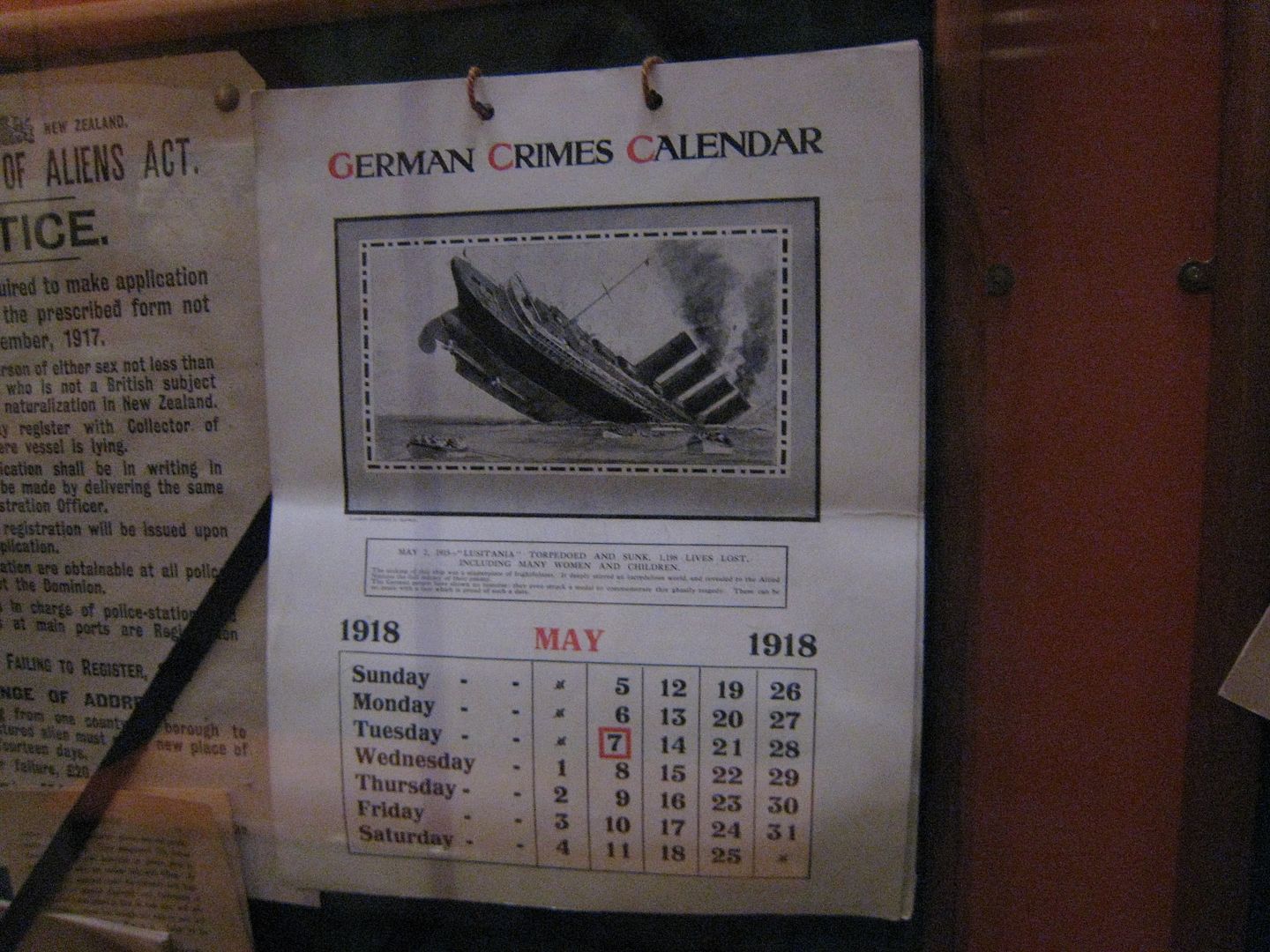
Some WW1 propaganda stuff:


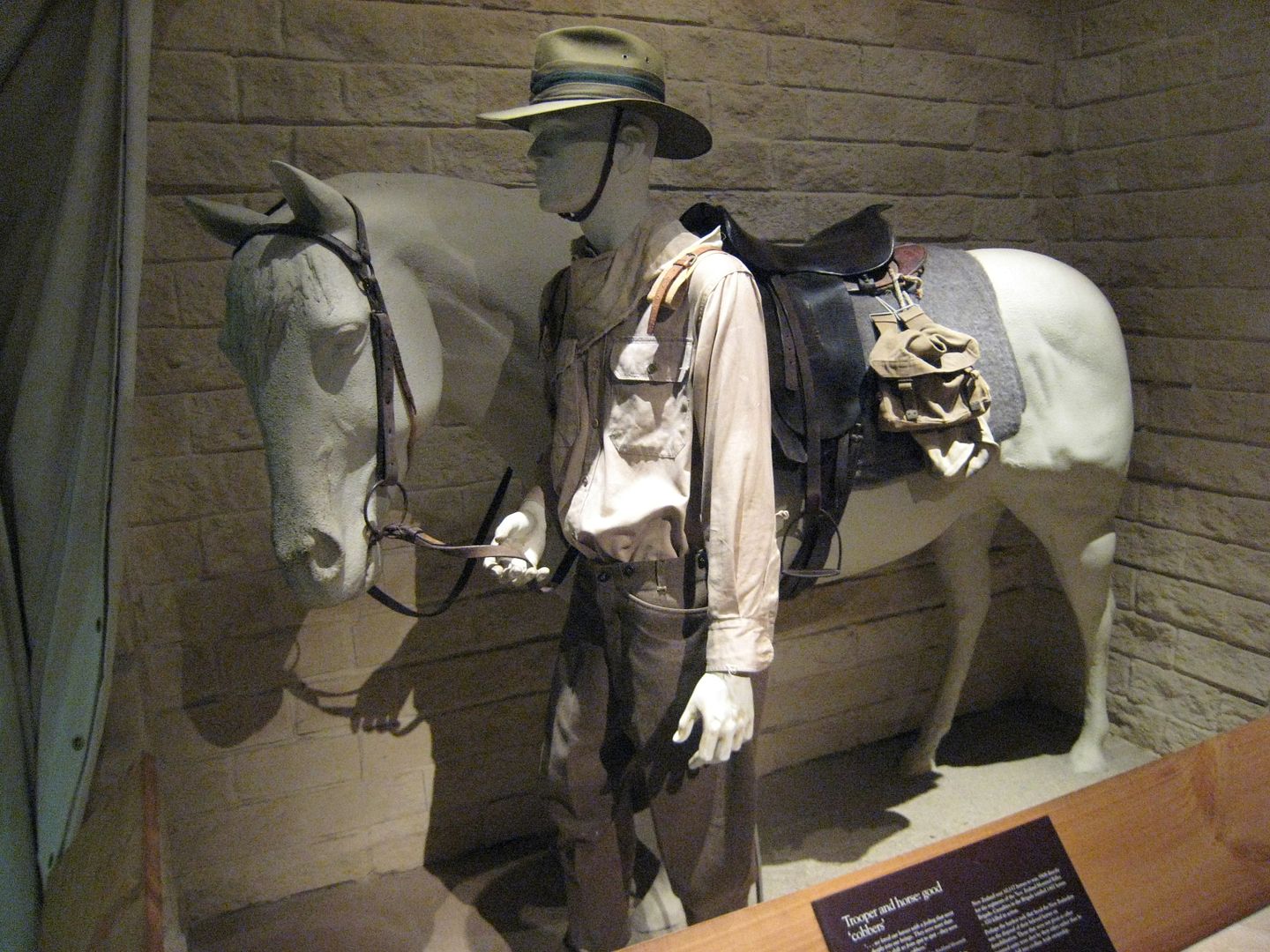
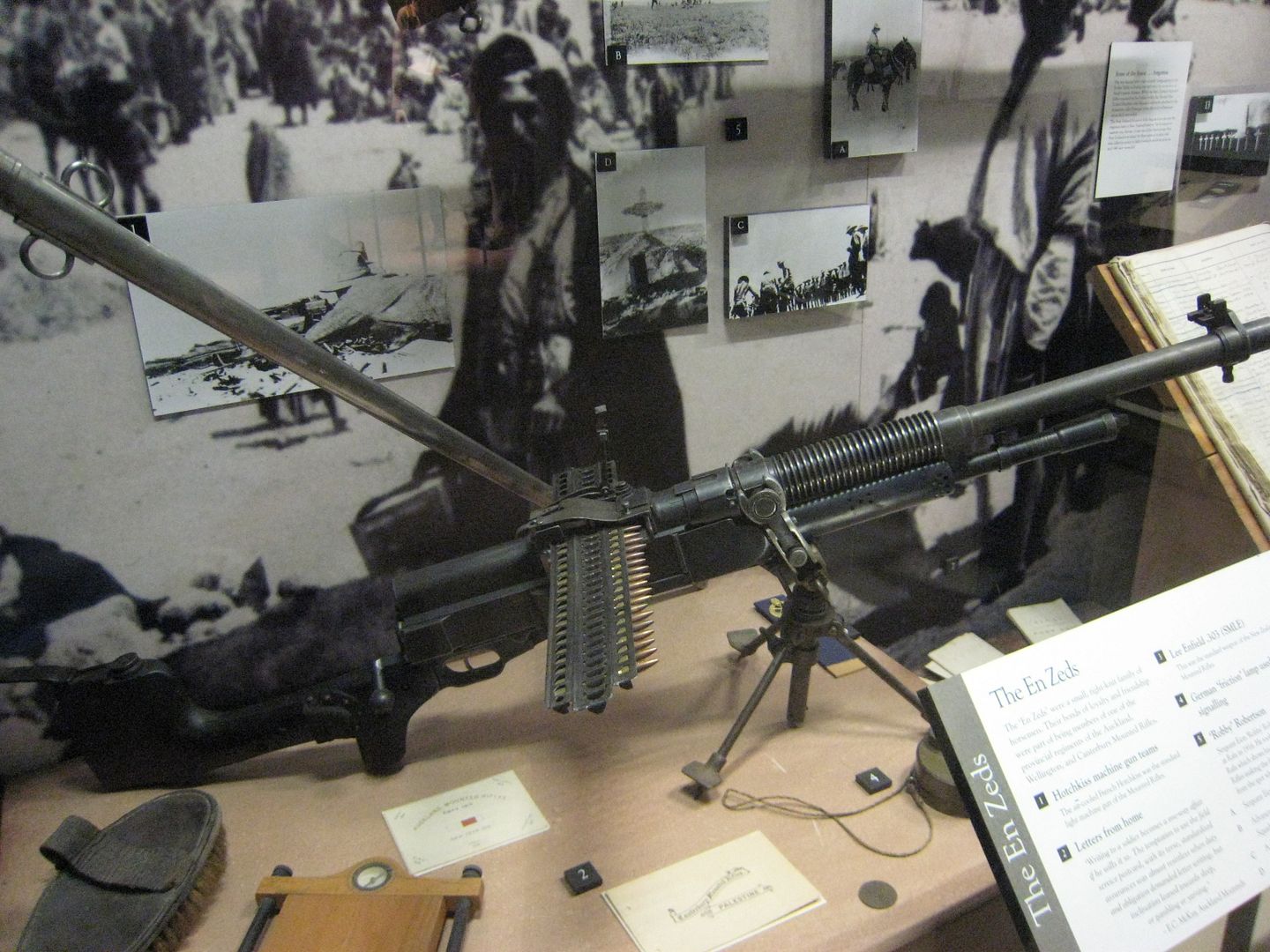
The NZ Mounted Rifles in Palestine and a Hotchkiss machine gun:


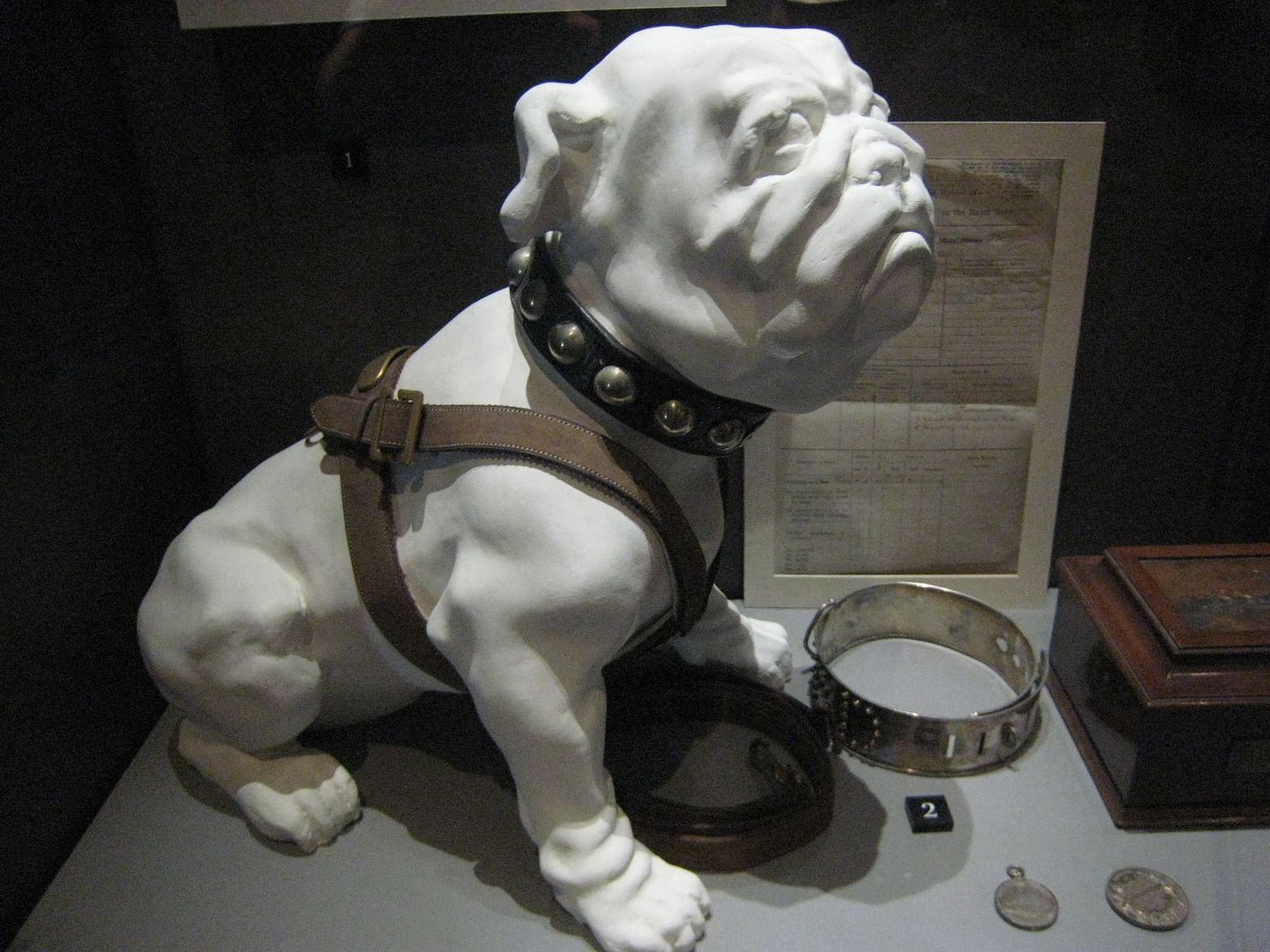
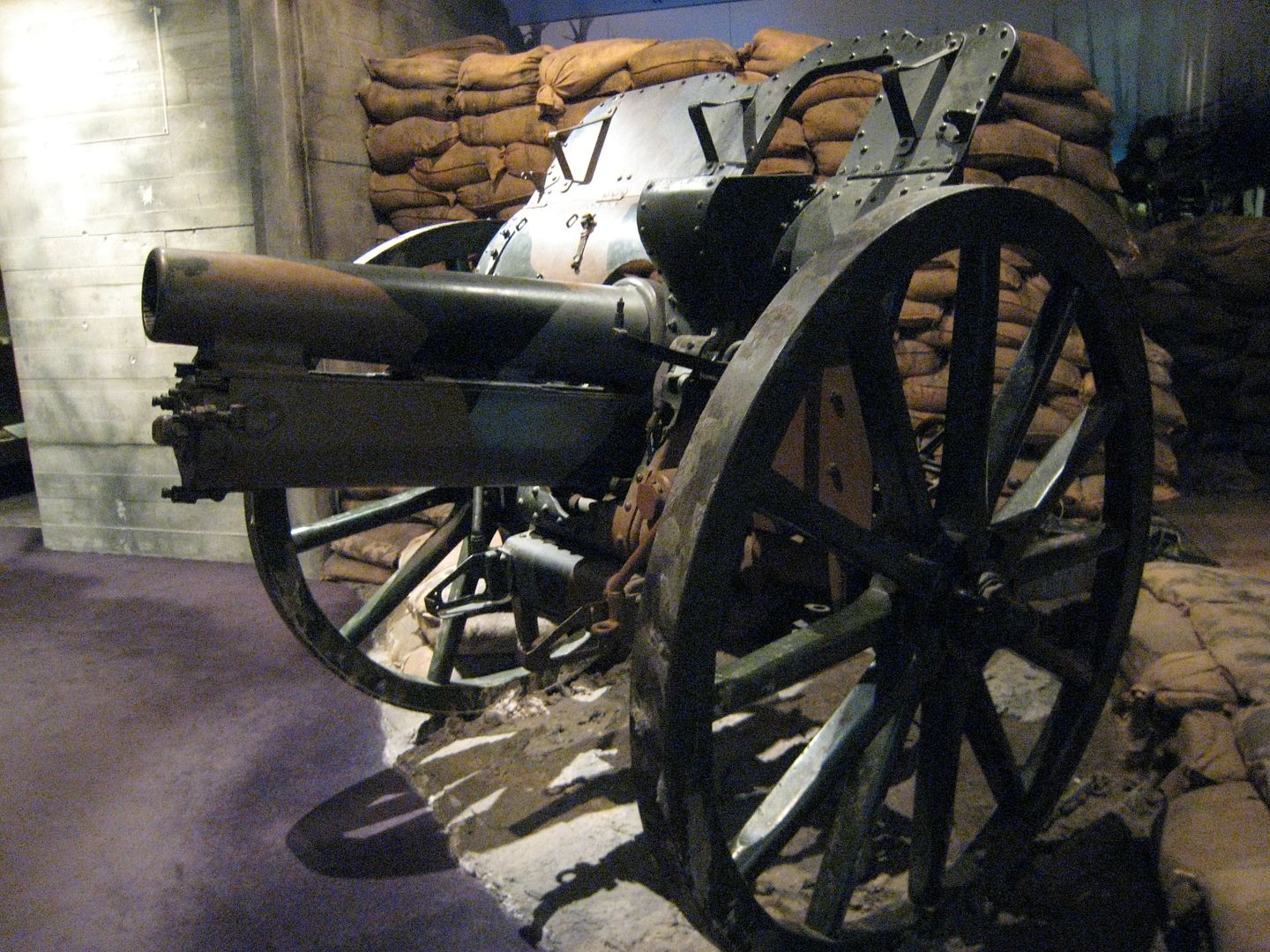
"Pelorus Jack" was the mascot of HMS New Zealand during WW1. The ship was built by New Zealand for service in the Royal Navy in defence of the Empire, and was present at Jutland. Unfortunately Pelorus Jack fell down the forward funnel one day and was declared dead from the navy on 24 April 1916. His will requested that his successor be "a bull pup of honest parentage, clean habits and moral tendencies." His will further requested that "no Dachshund or other dog of Teutonic extraction" be allowed on board". On the right is a WW1 4.5 inch howitzer.


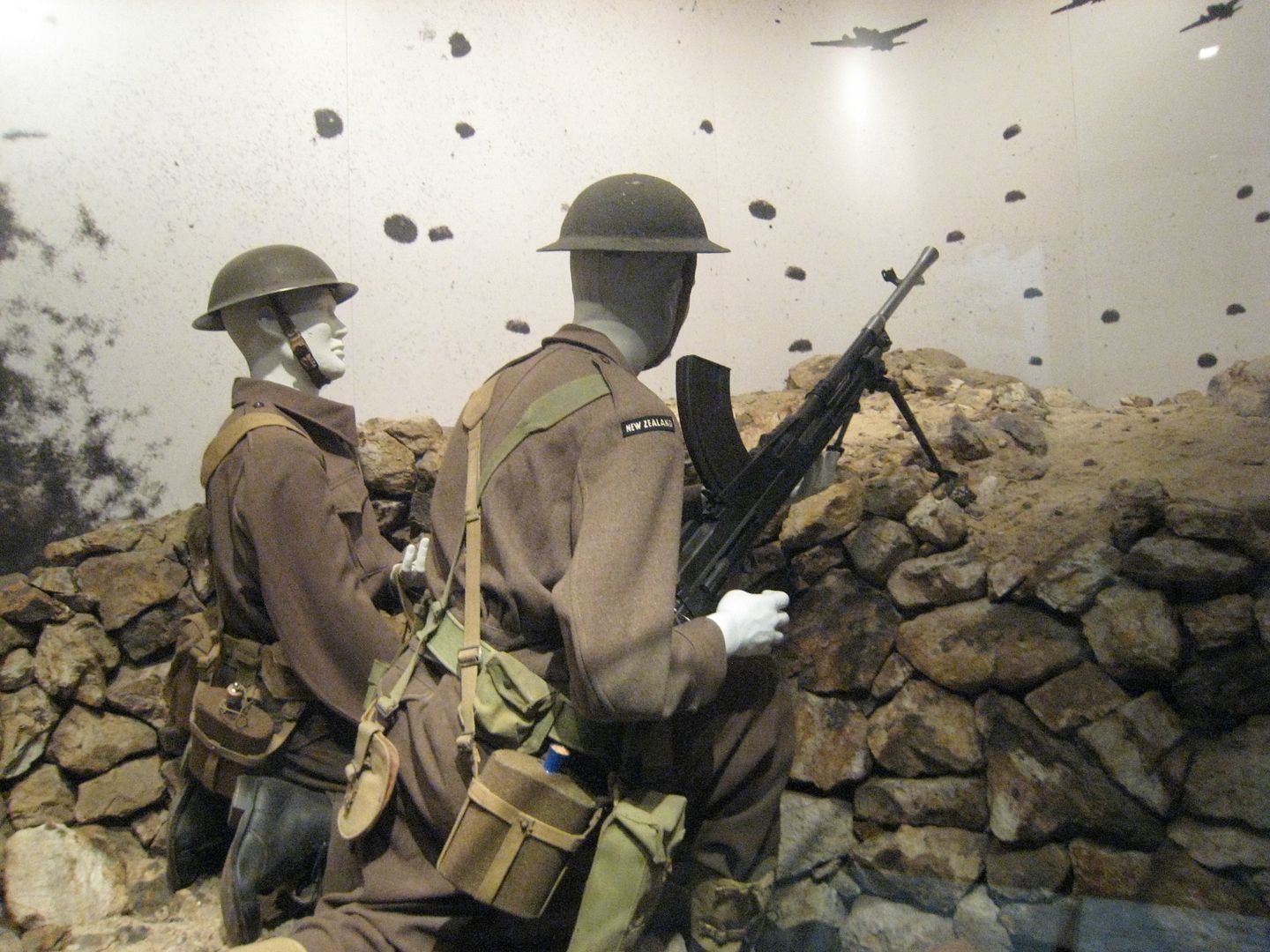
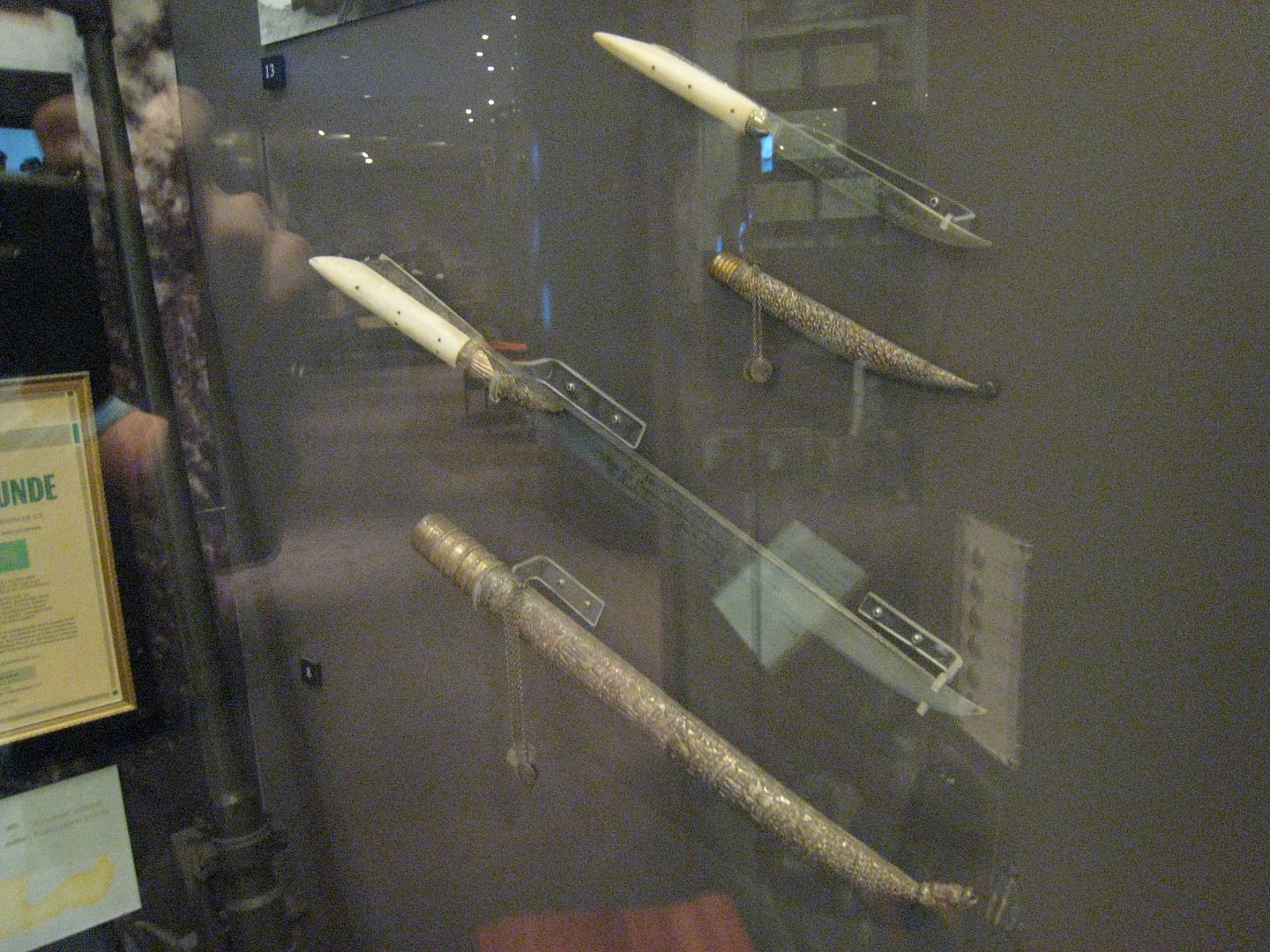
Two exhibits from the WW2 Crete display. On the right are "Cretan winged daggers".


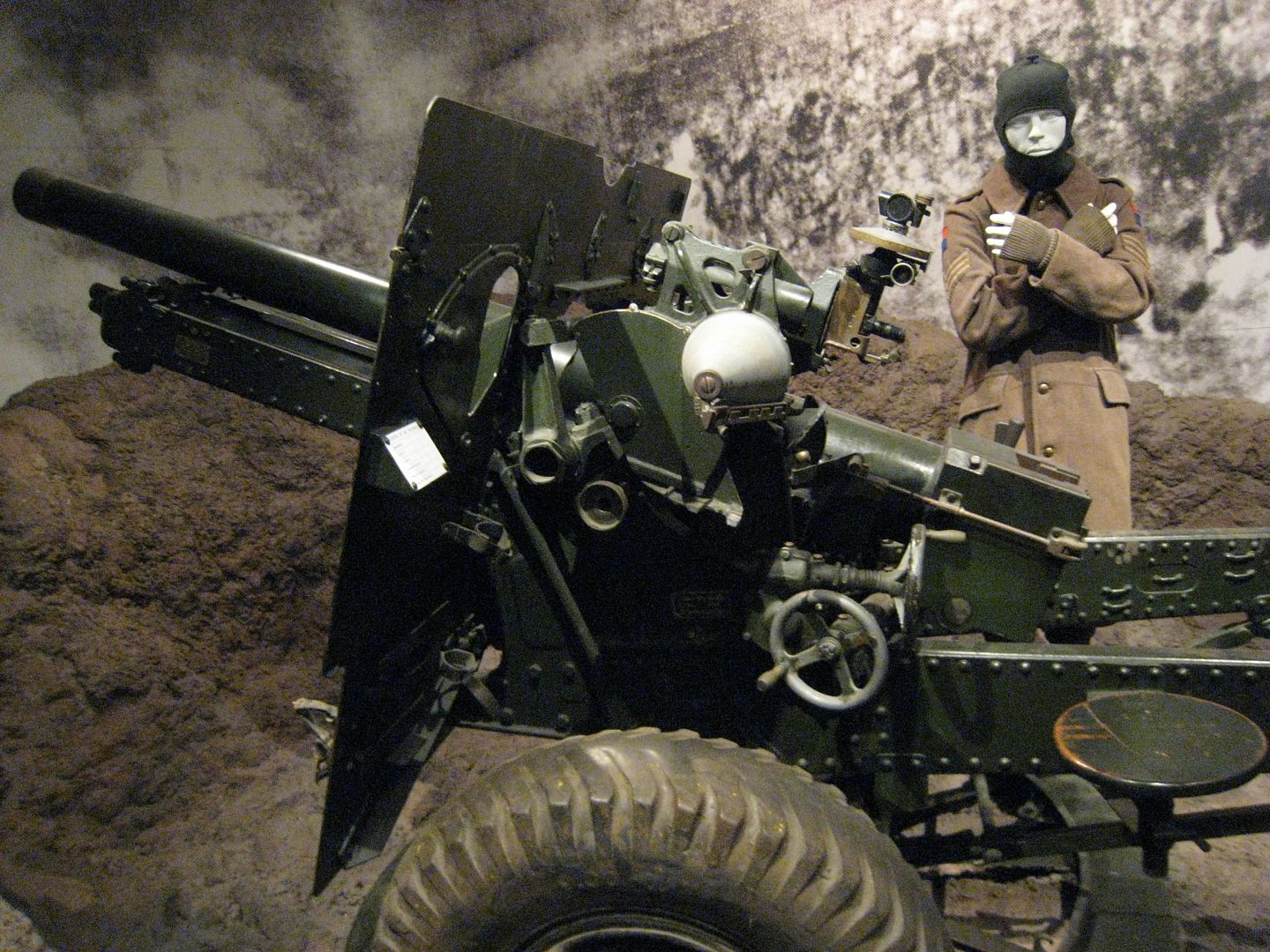
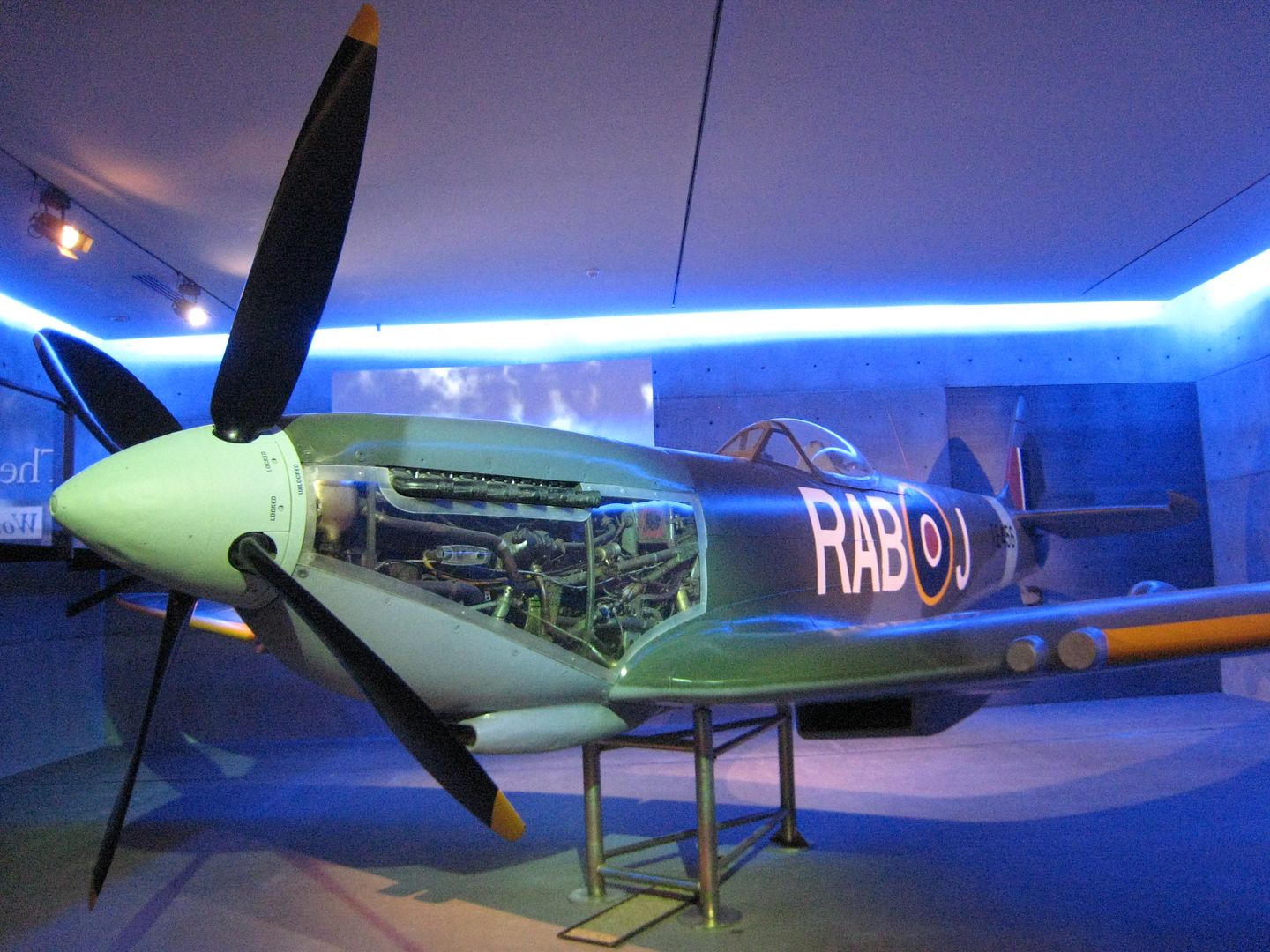
A 25-pounder used at Cassino and the inner workings of a Spitfire:


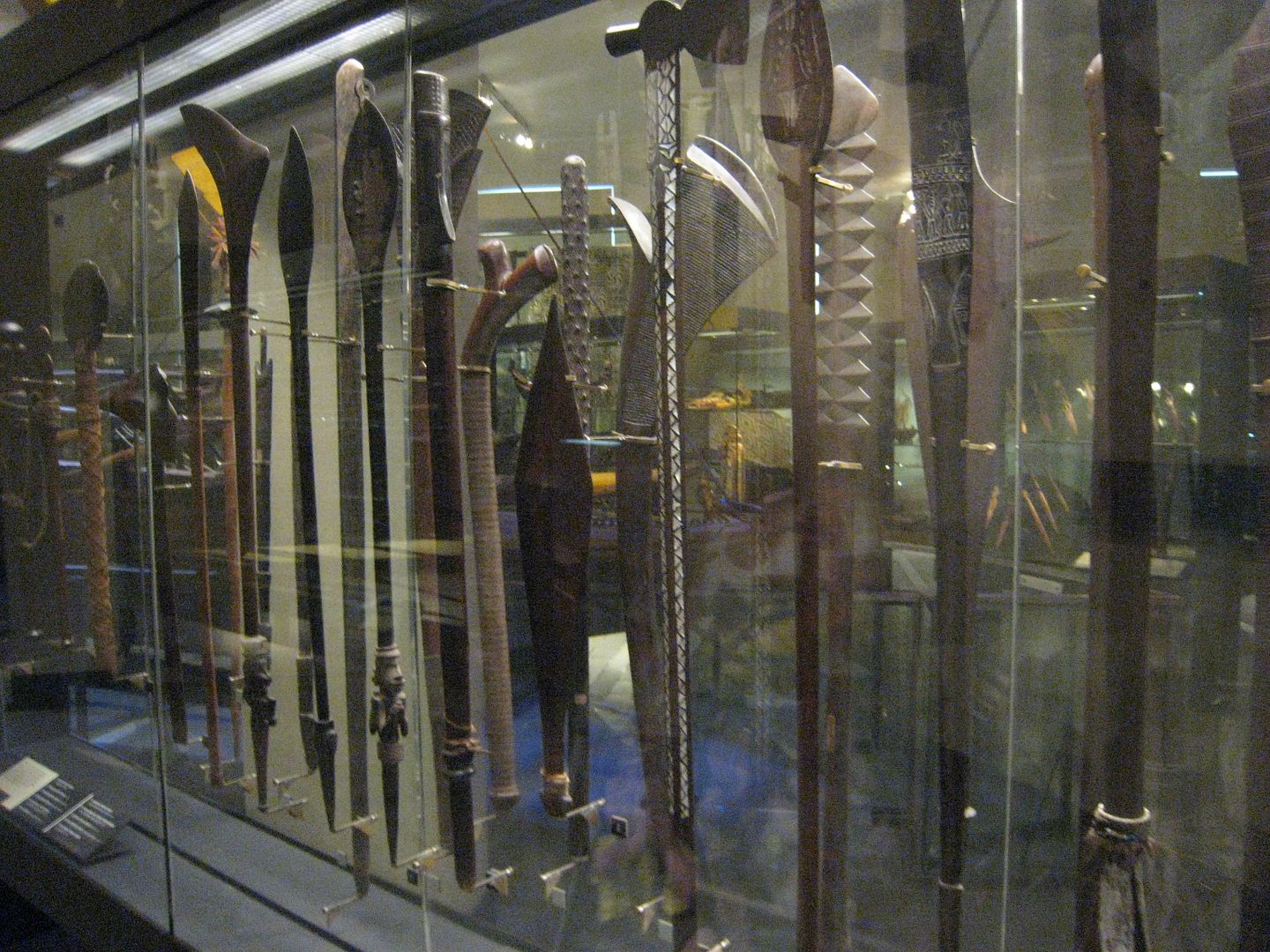
Finally, Hugo conveys his thoughts on the exhibits and some Maori weapons:


On a side note, Blogger seems to be malfunctioning again and I can't leave comments on other blogs. From perusing other sites it appears that I'm not alone. So apologies to all those who have posted recently and on whose blogs I haven't posted comments - please blame Blogger.