Sunday, 13 April 2014

Salute 2014

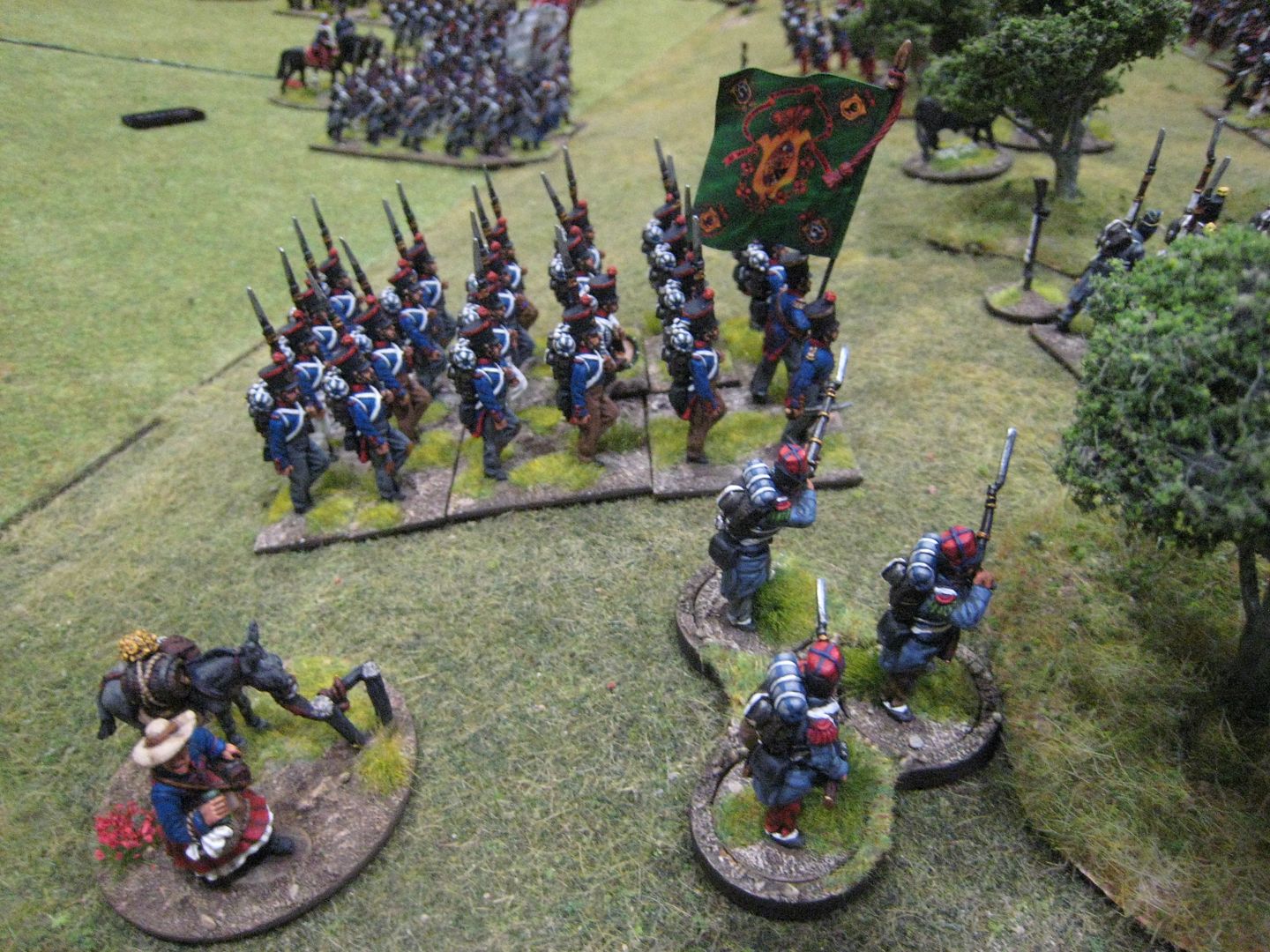
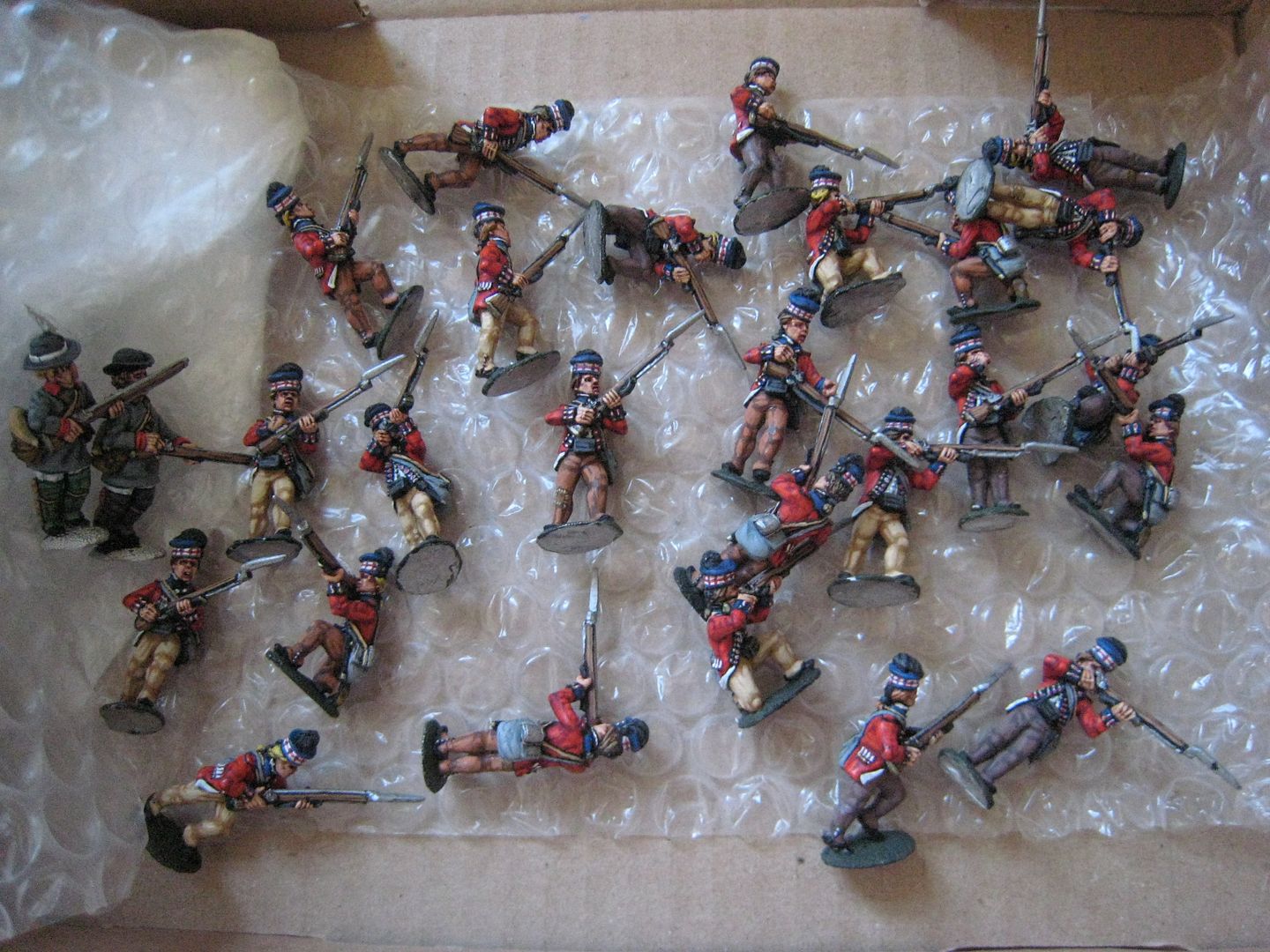
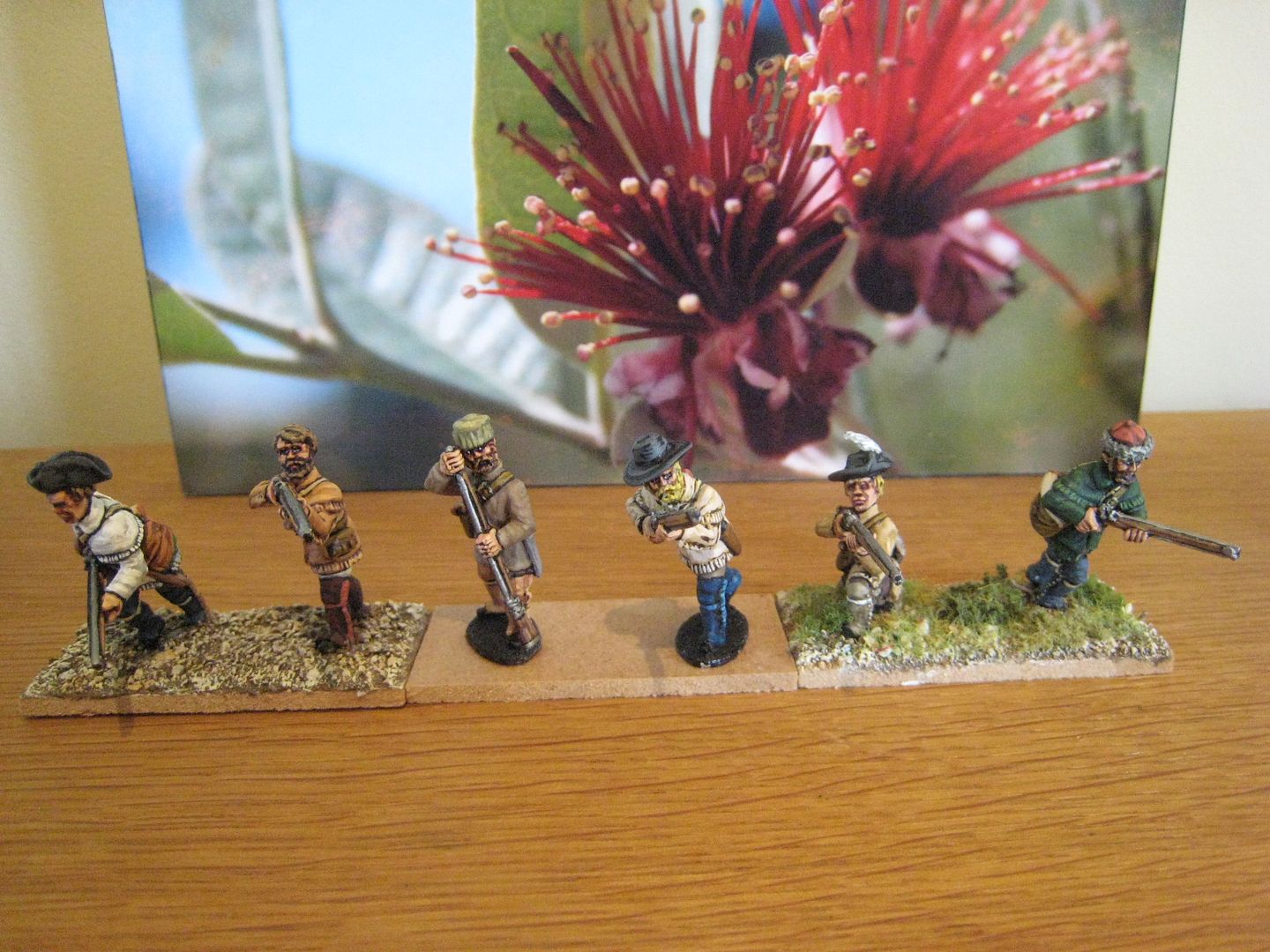
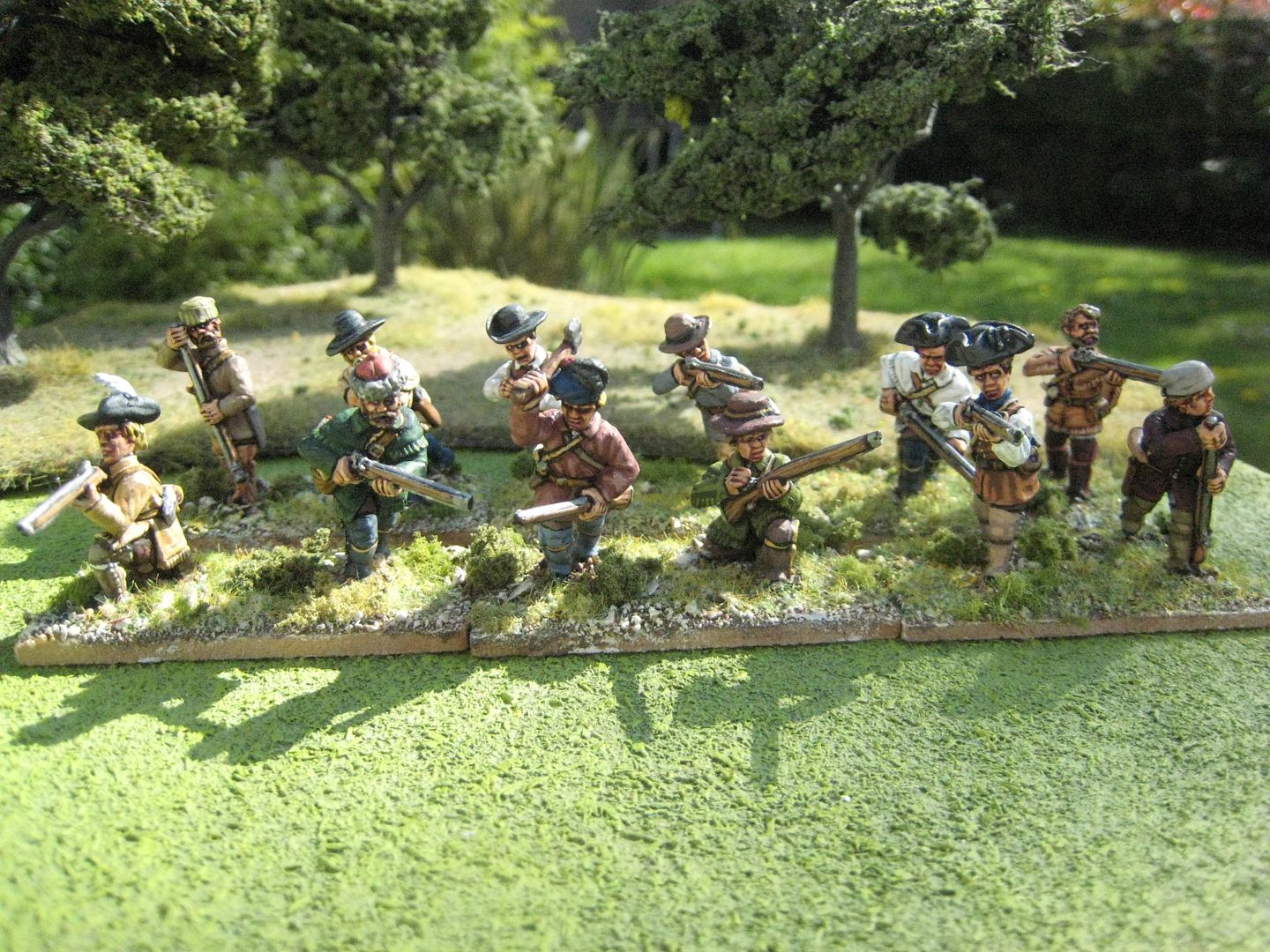
This blog hasn't died; I've just had another protracted episode of "real life".  Painting has progressed in the meantime, and in a couple of days I'll have pics of a completed unit of the new-ish King's Mountain Miniatures "Over Mountain Men" figures.  In the meantime, here's my offering about yesterday's Salute show in London.

My impressions were:
- the venue was darker than usual;
- the quality of the games was much higher than in recent years;
- terrain modelling is getting better and better;
- "eau de wargamer" is being replaced by "eau de MDF buildings" as the defining smell of wargames shows;
- Dark Ages Skirmish must now be an official period in its own right (with a sub-set of all those rules systems that have "Dux" in their name somewhere);
- I really don't see the point of the re-enactors, particularly the sci-fi ones (someone on TMP's got all agitated about them pointing guns at people; I can kind of see his point);
- lots more "foreign" voices heard than before - LT said he'd spoken to a bloke from Finland;
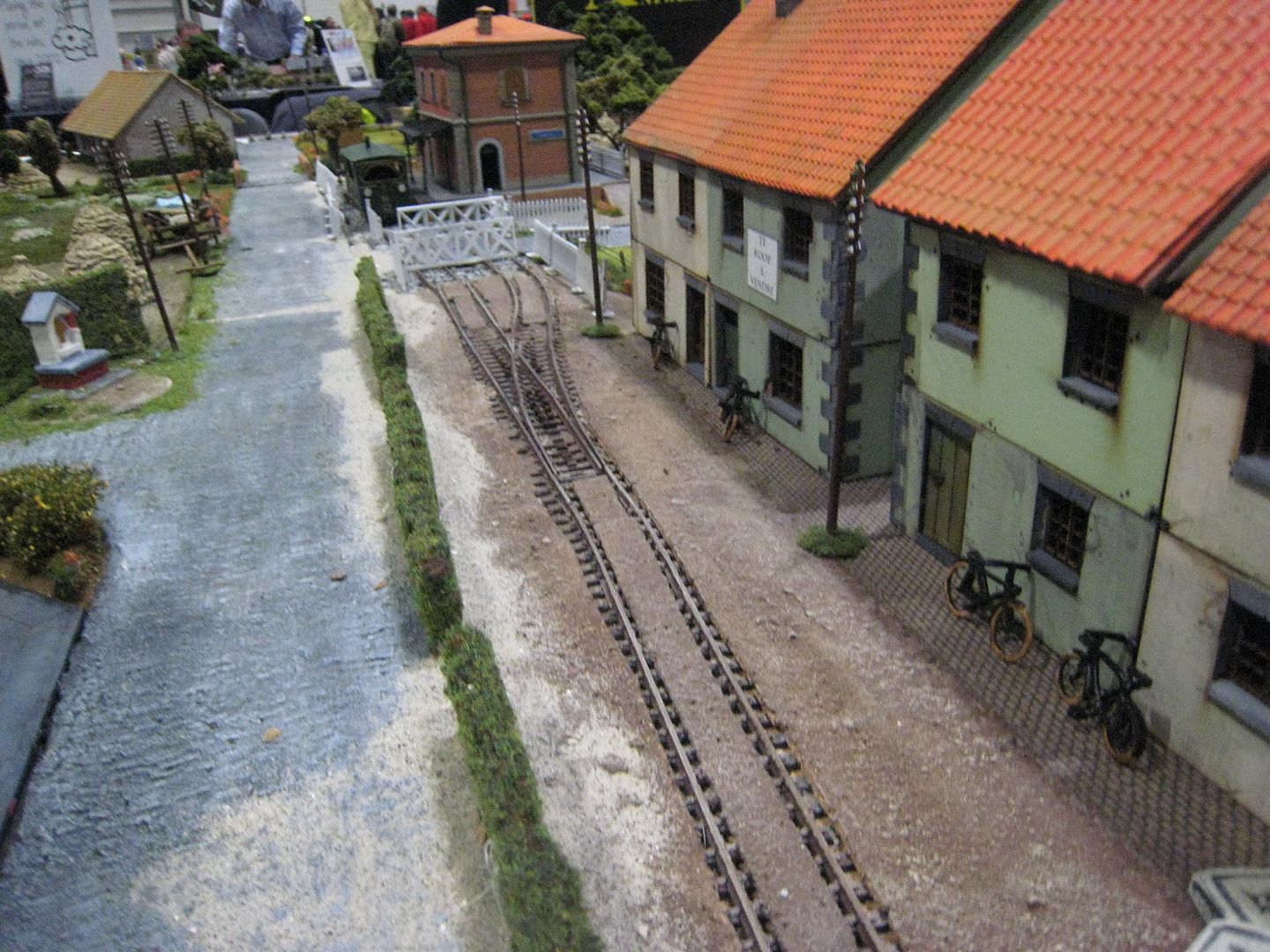
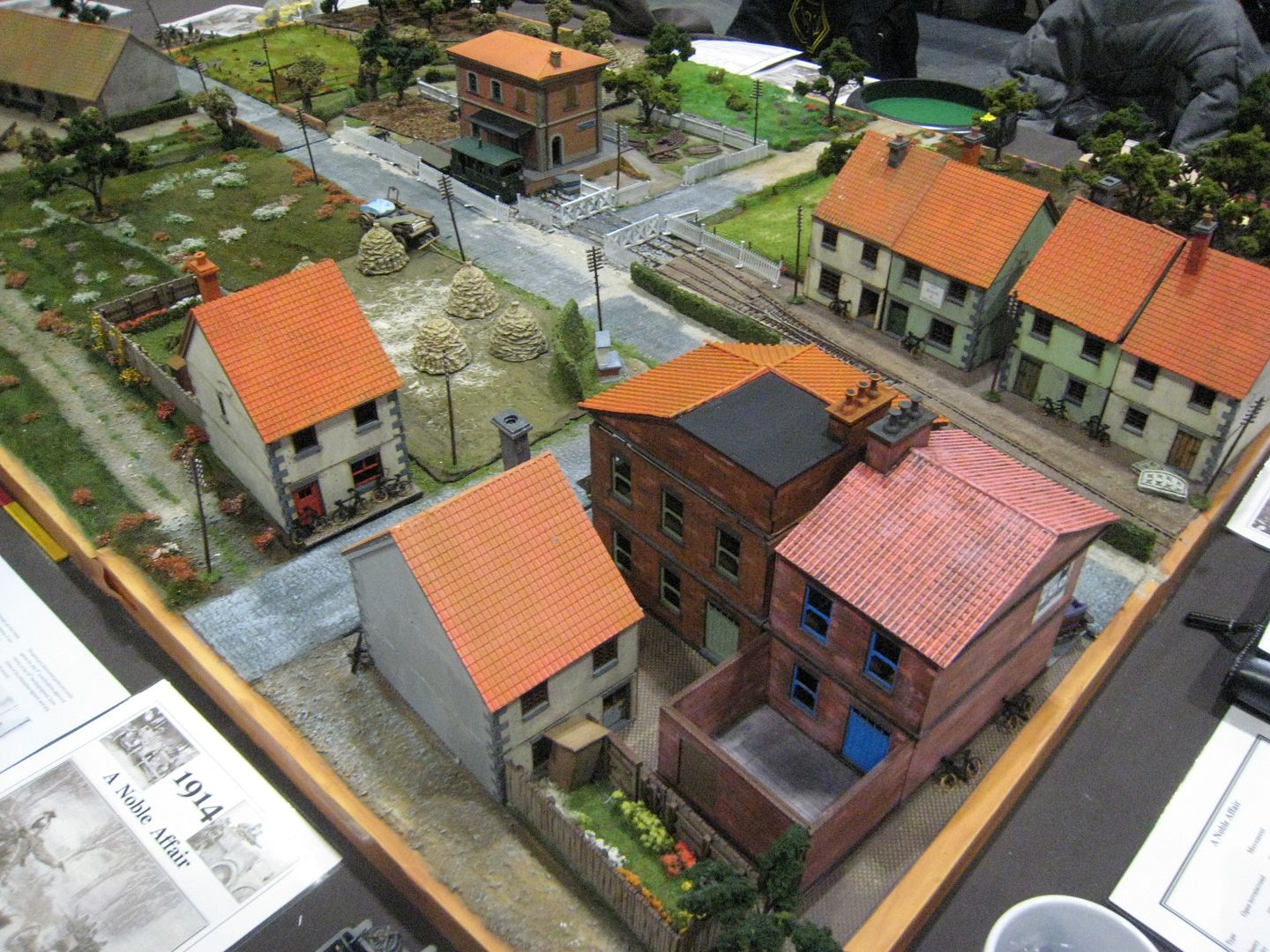
- it's clearly obligatory for any 1914 game to have lots and lots of bicycles;
- Alan Perry didn't have much in the way of forthcoming AWI releases, other than the large cart previously previewed...but his new book is very nice;
- I didn't ever really think they'd actually run out of freebie bags at any stage...but if you arrive after midday apparently they do (I'd had to take Hugo to rugby practice in Chelmsford, so didn't arrive until after lunch).

I managed to met up with most of the people I'd arranged to meet.  Many thanks to Malcolm "Little Armies" Rose for gifting me his freebie figure.

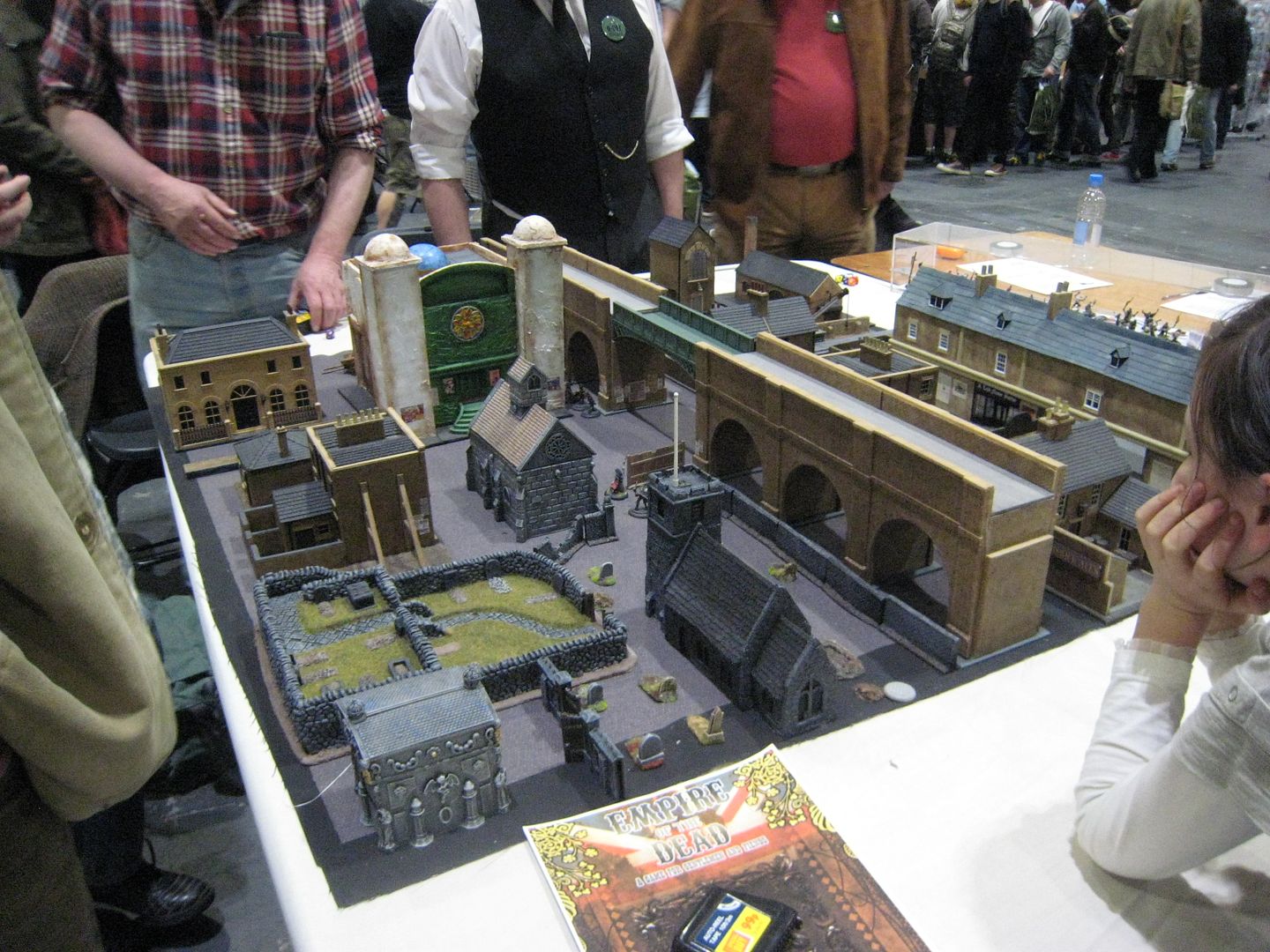
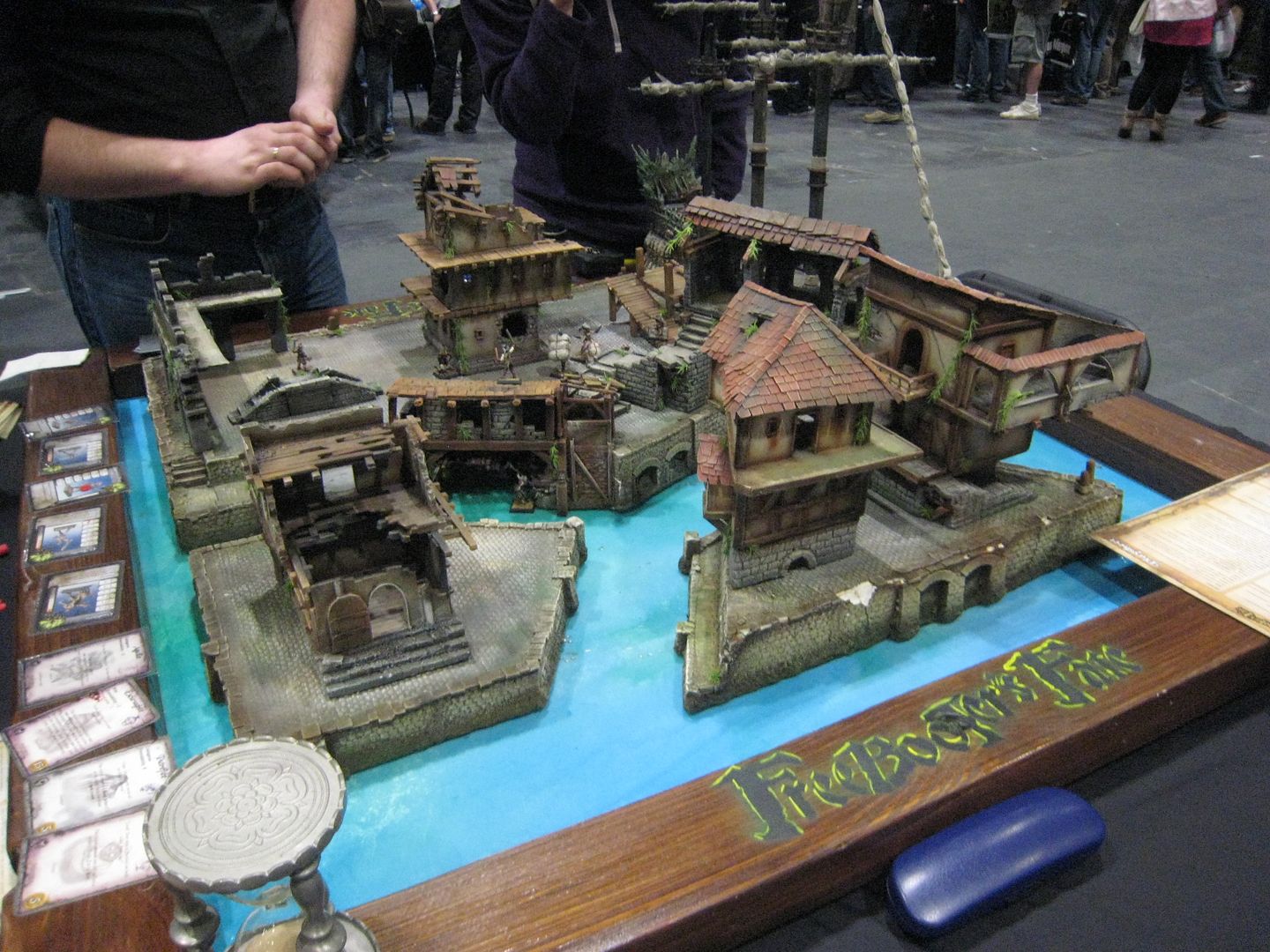
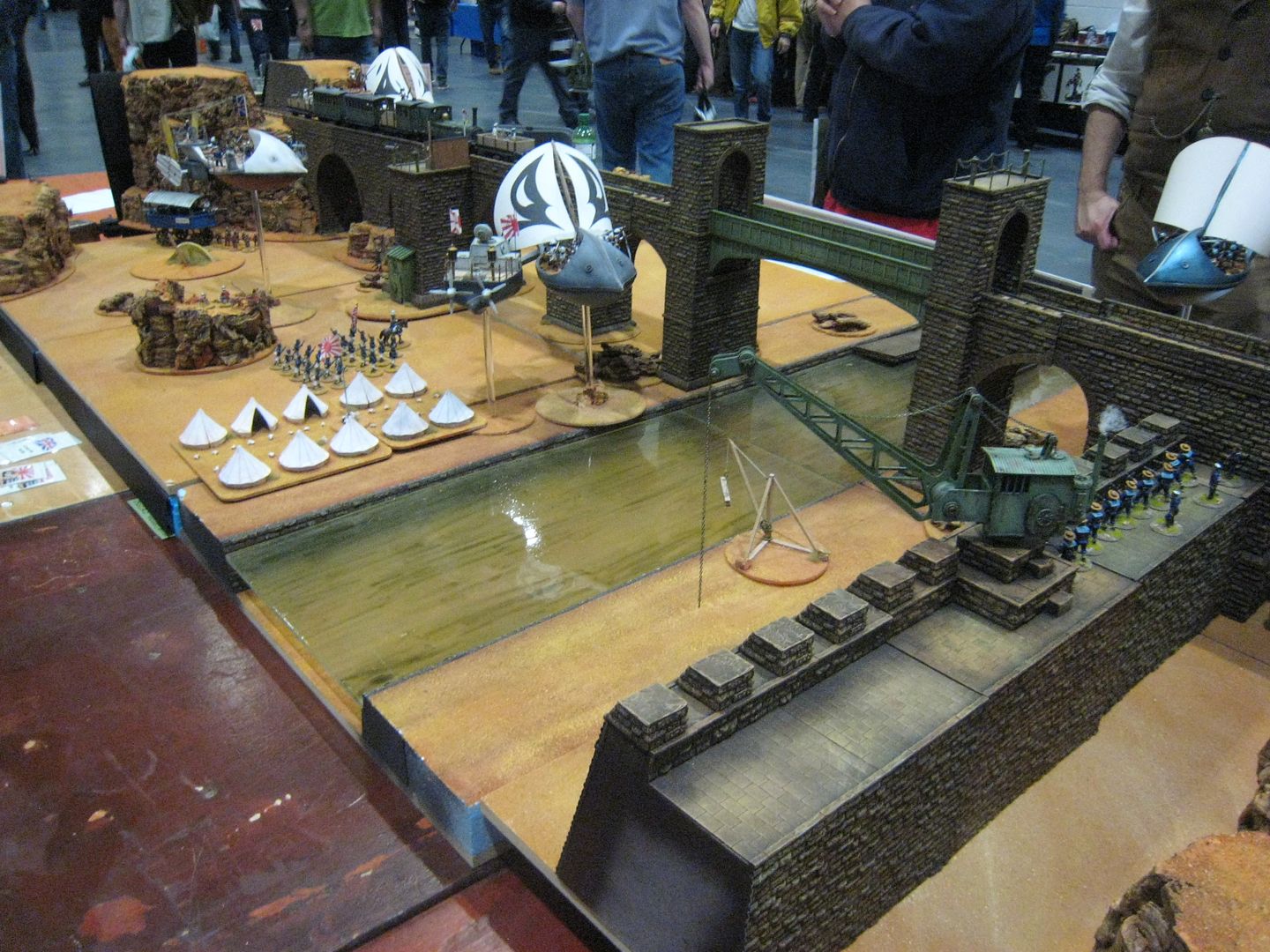
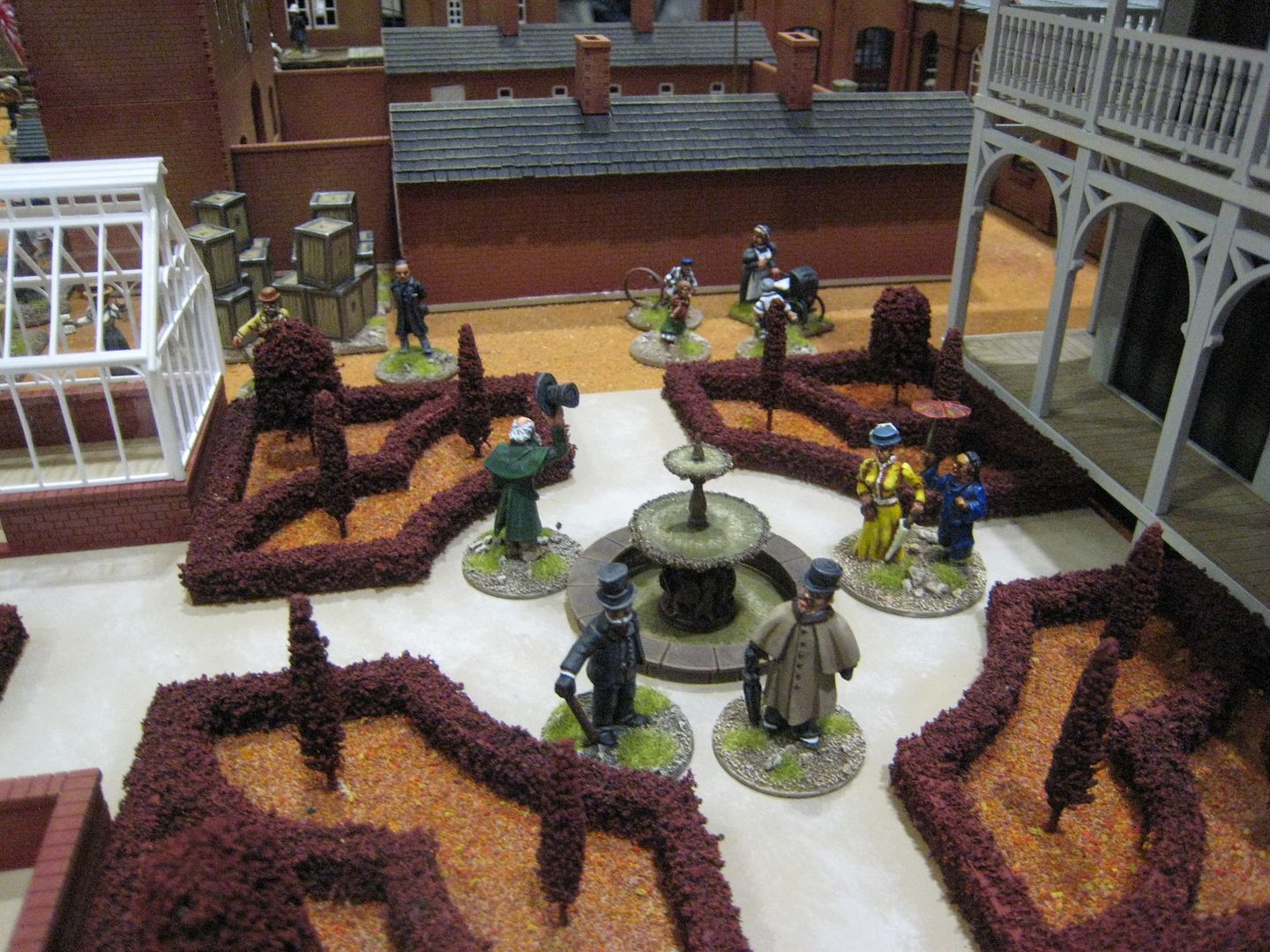
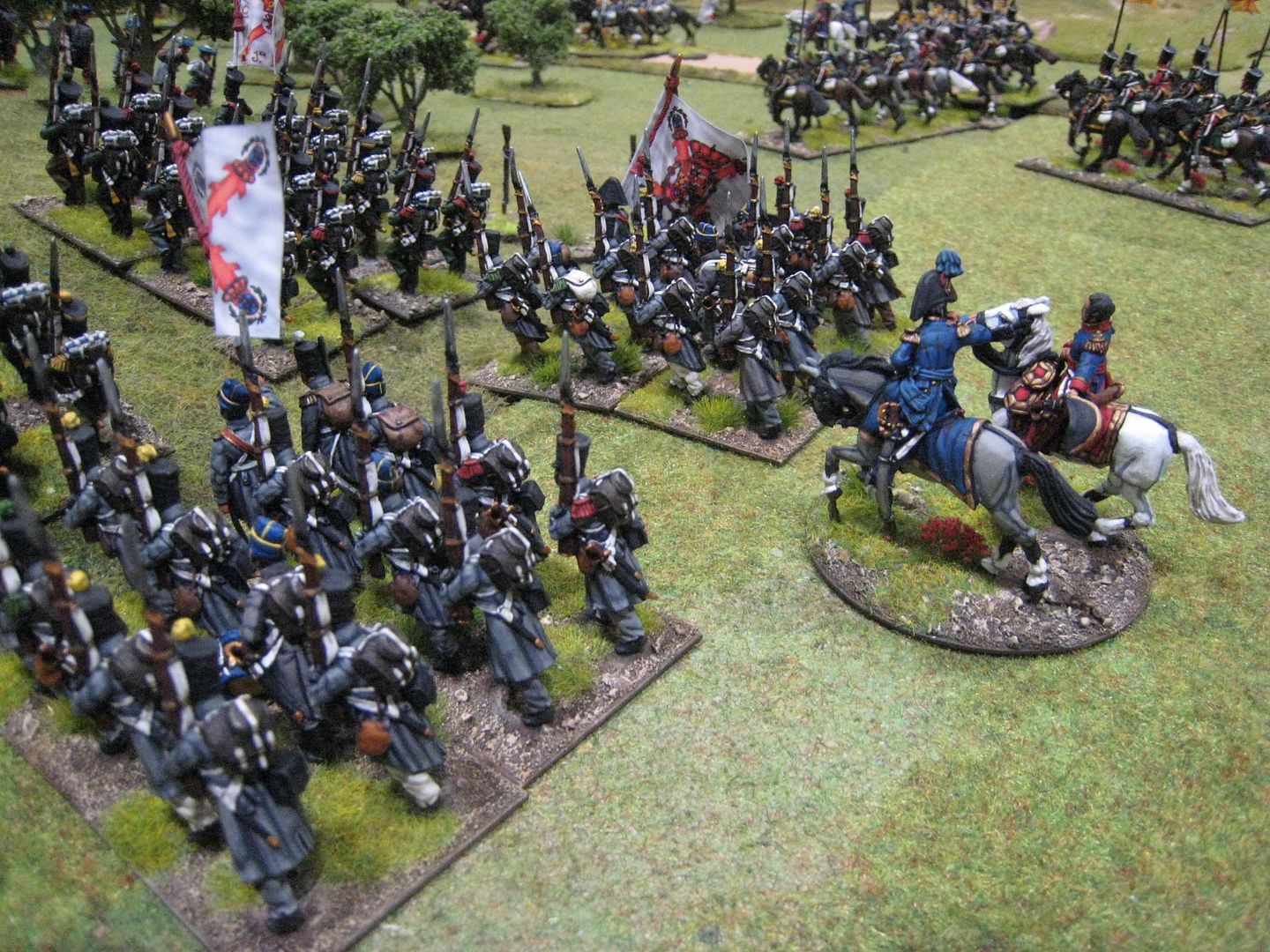
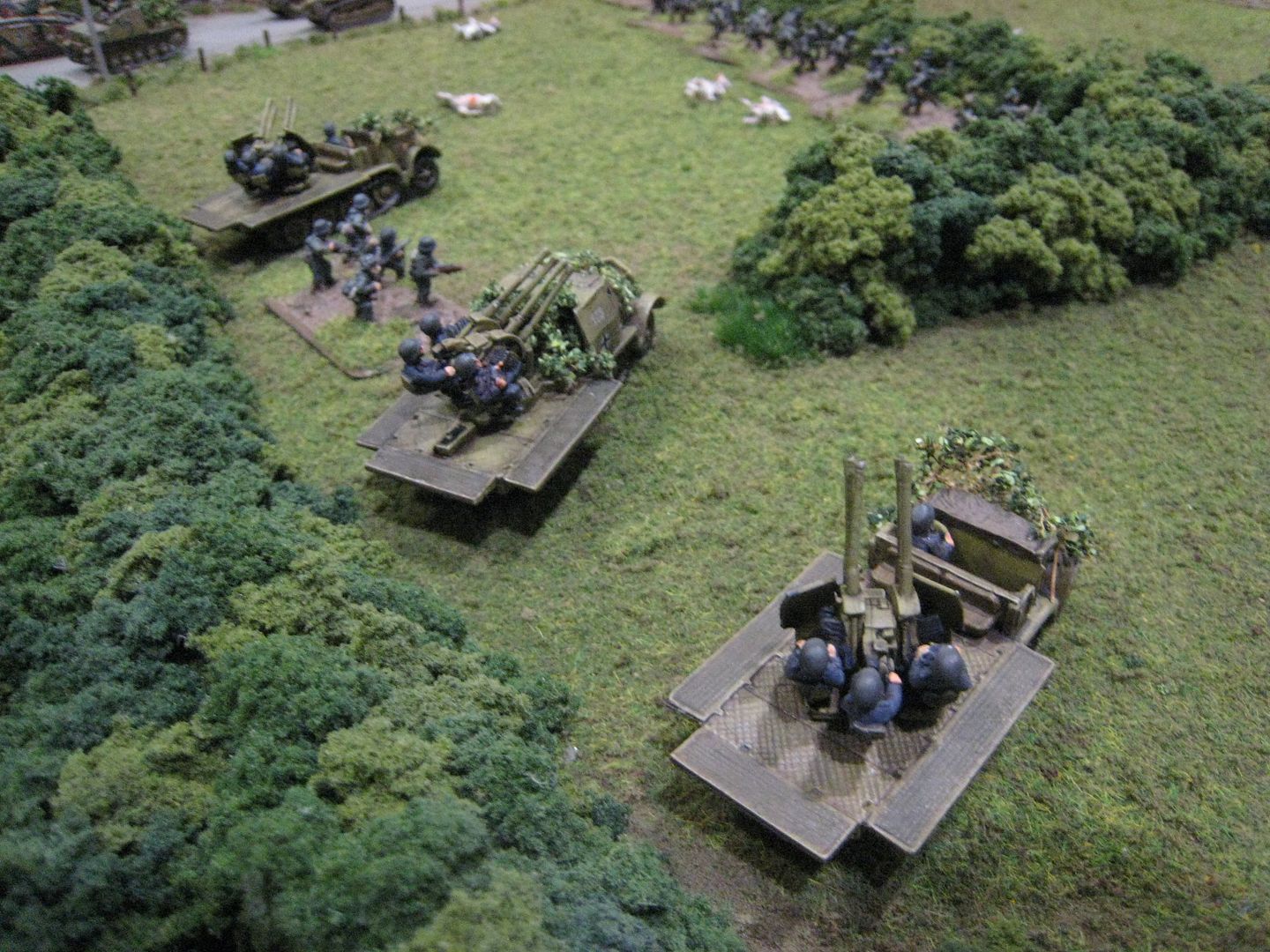
Here are some random pics. As always, there were some games I missed and no doubt I've mis-attributed those I did see.

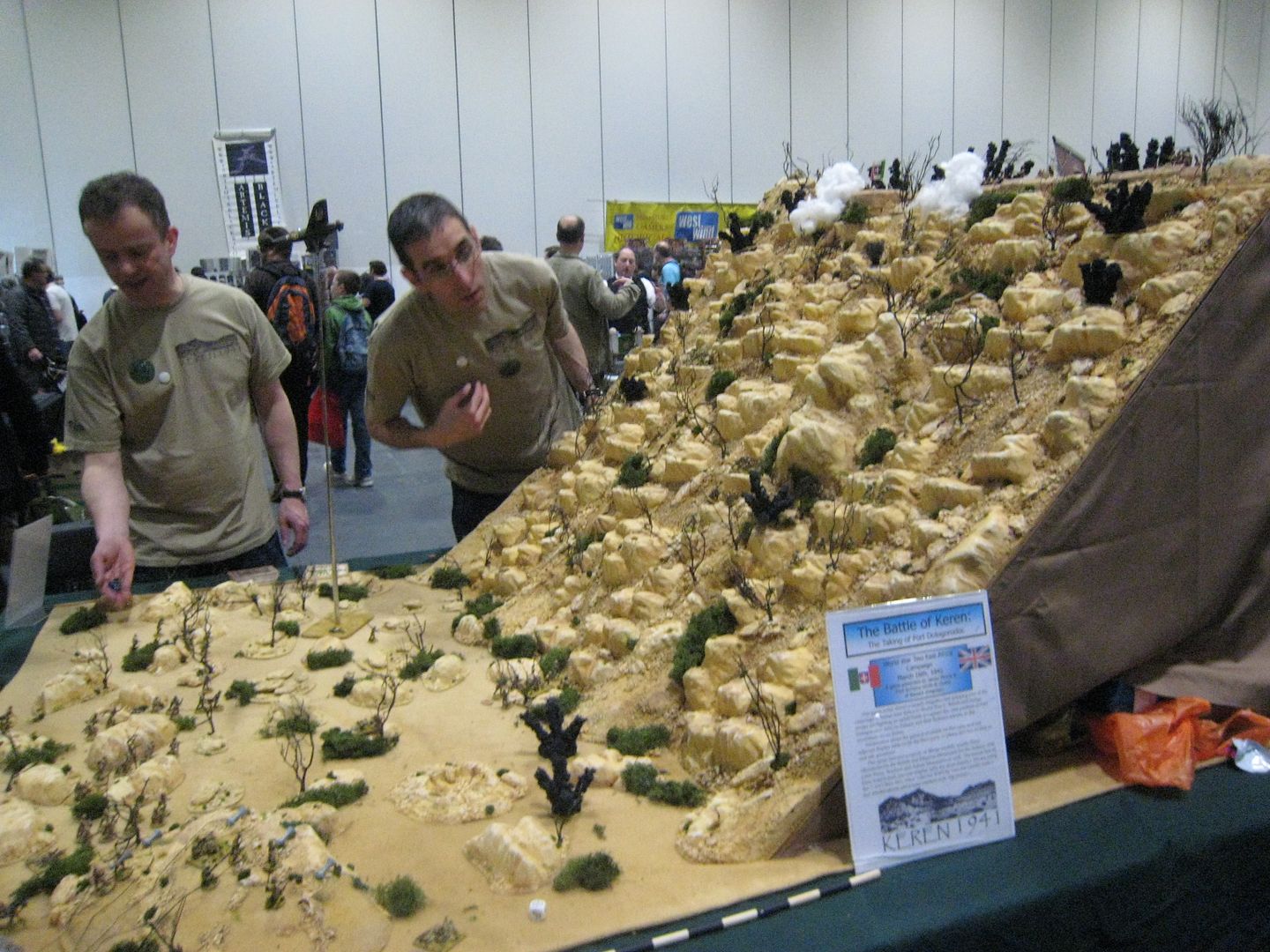
Newark Irregulars' Battle of Keren 1941; amazing terrain:


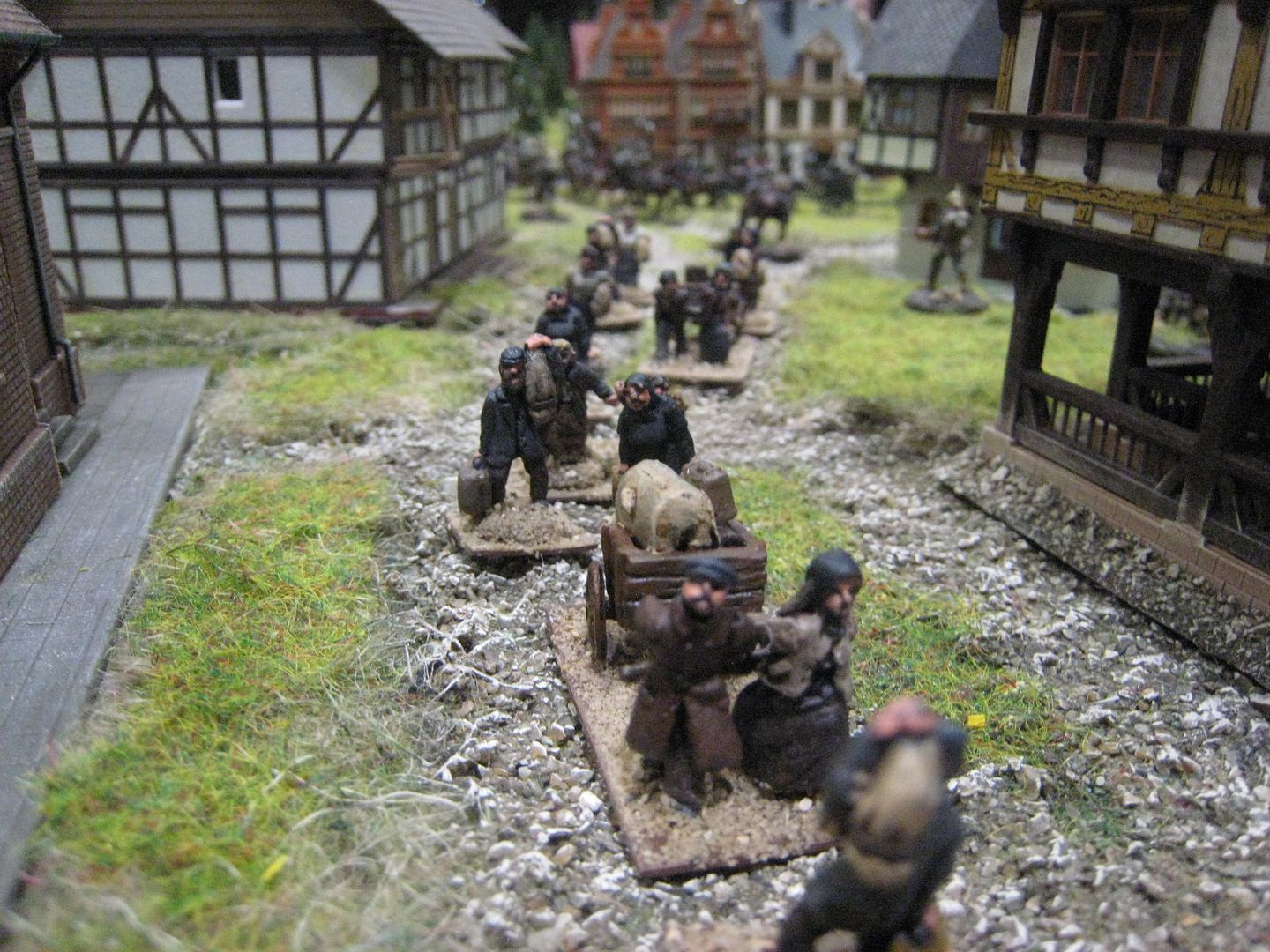
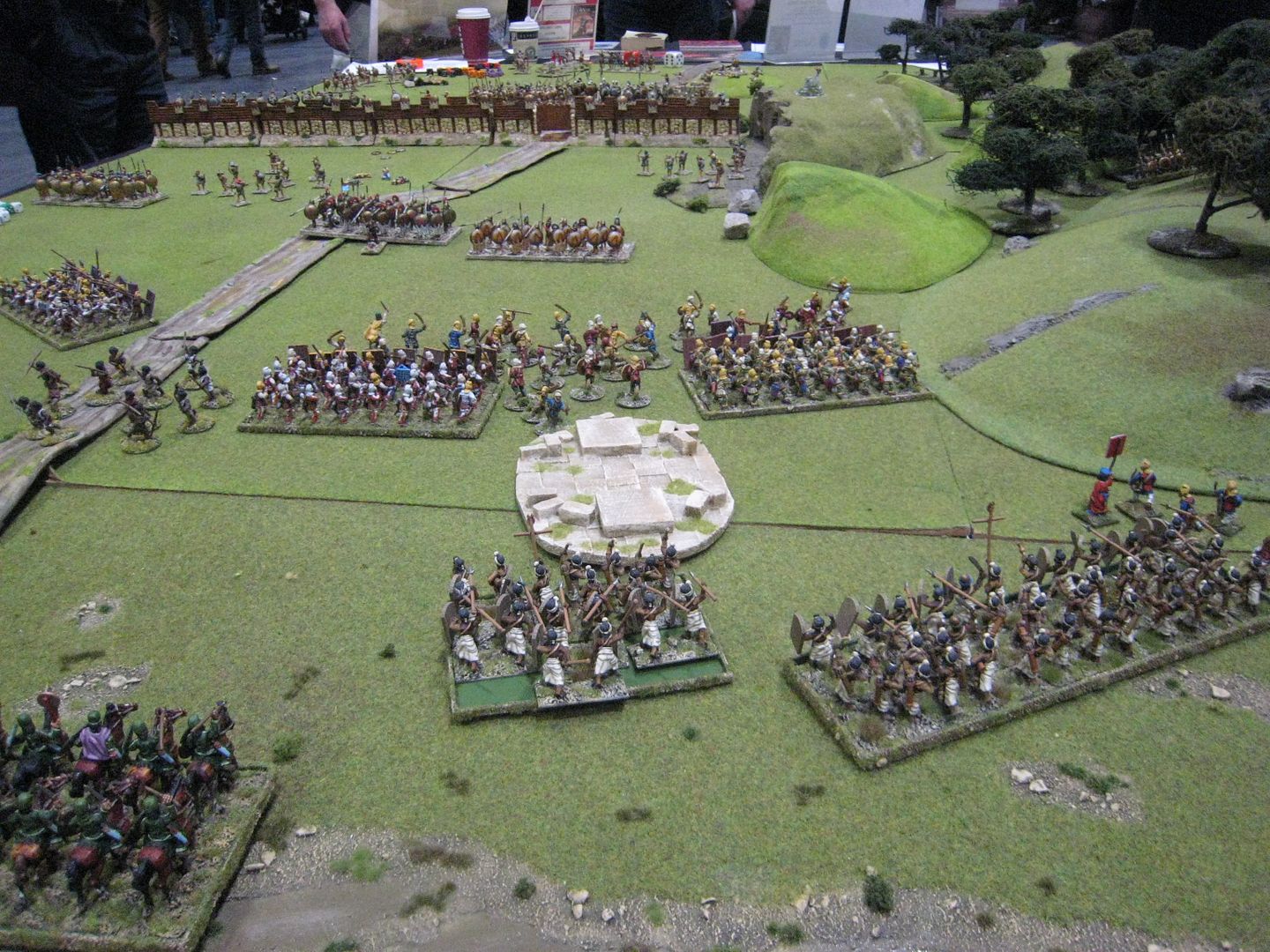
Not sure what these games were, but the terrain again was very good:


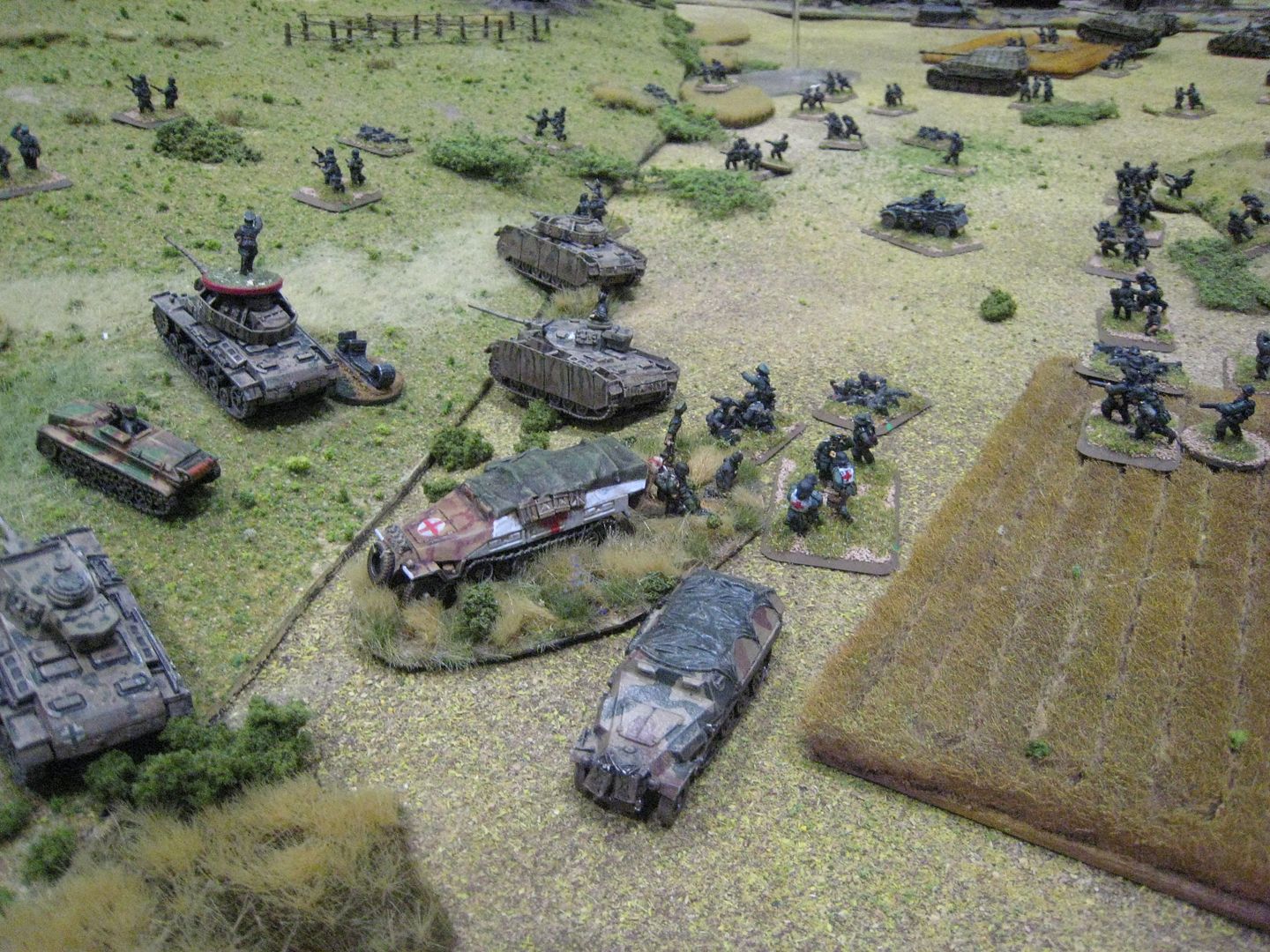
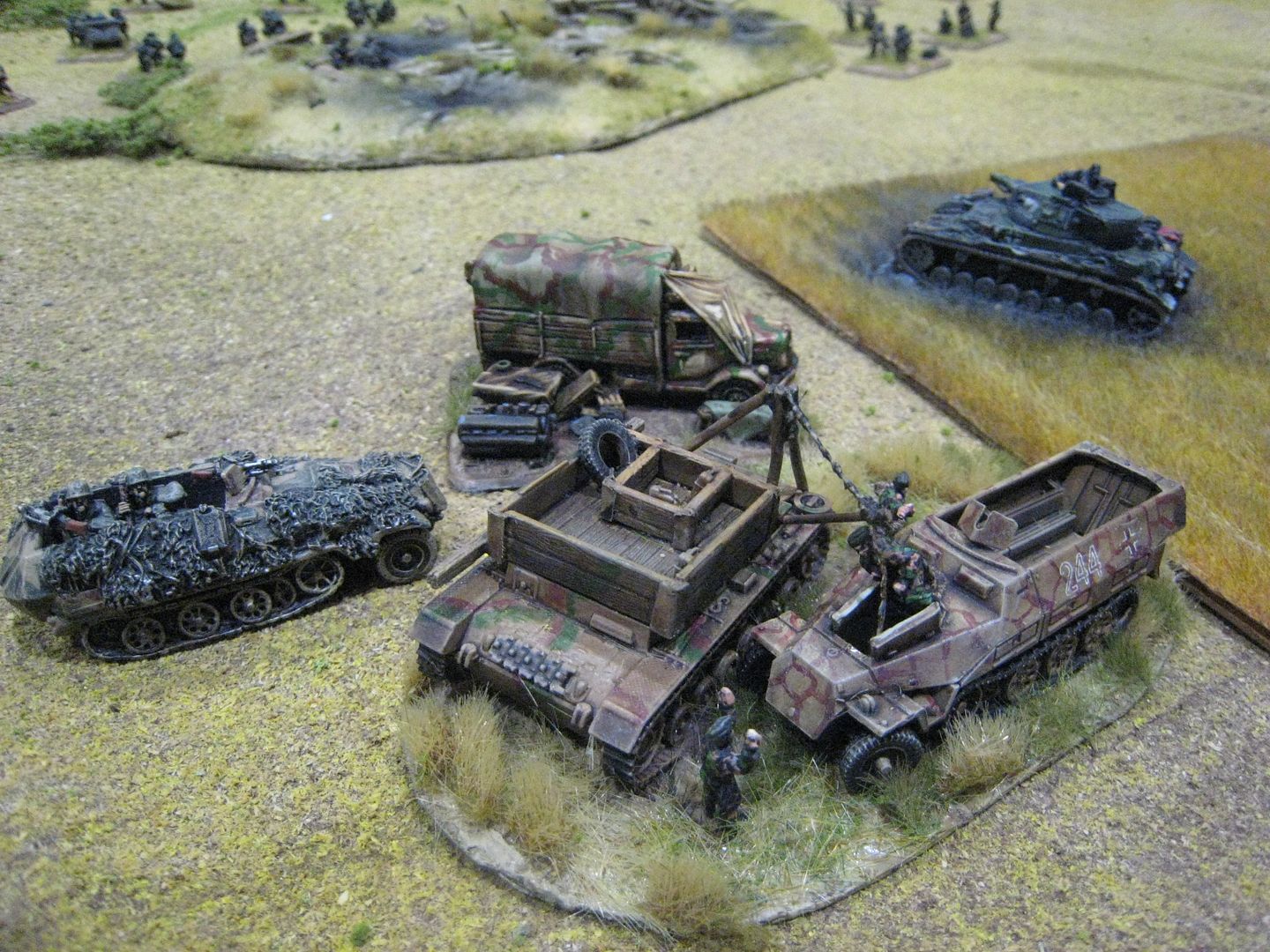
Loughton Strike Force had a Kursk 1943 game, which really evoked the space of the Russian steppe:



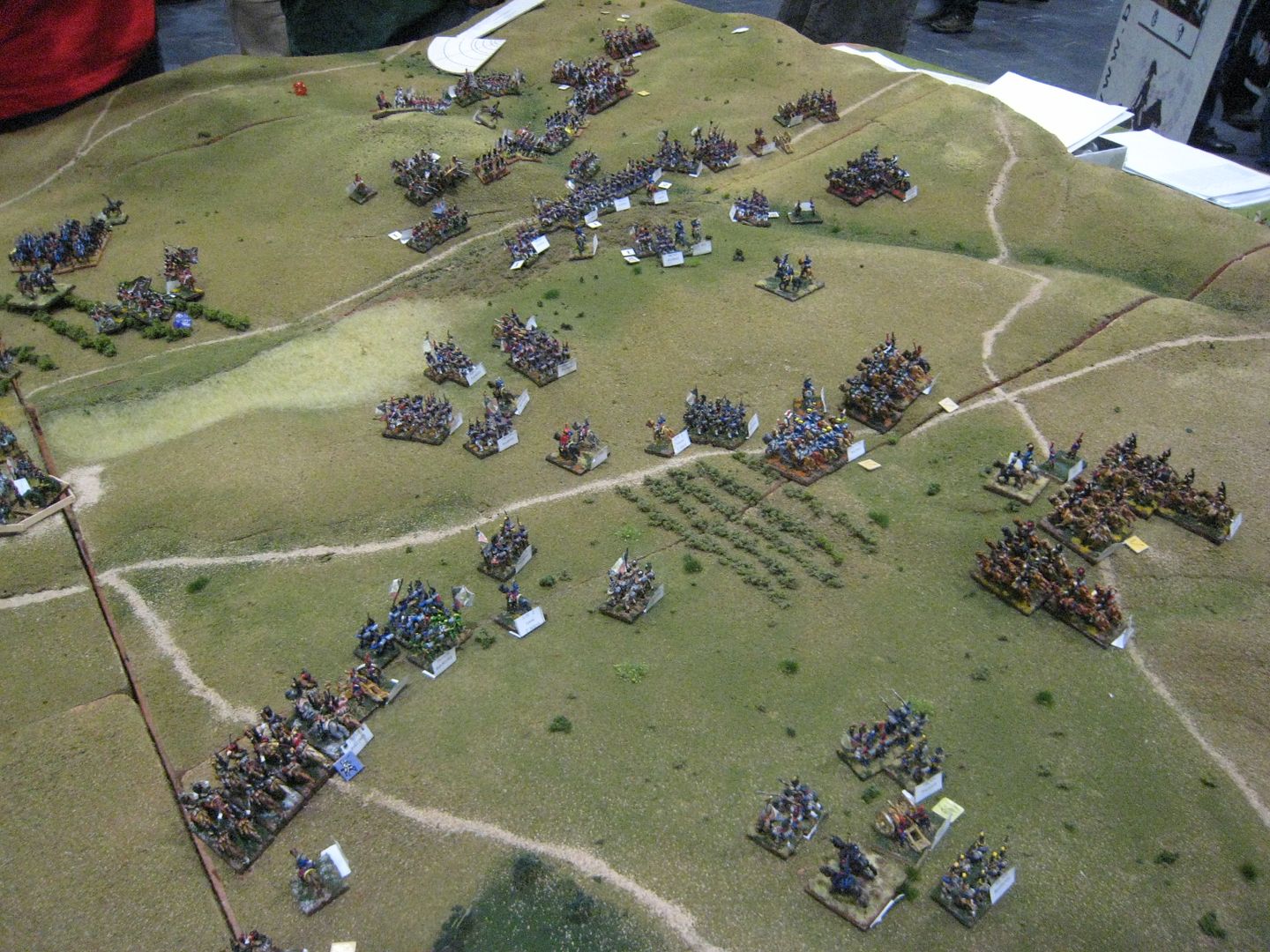
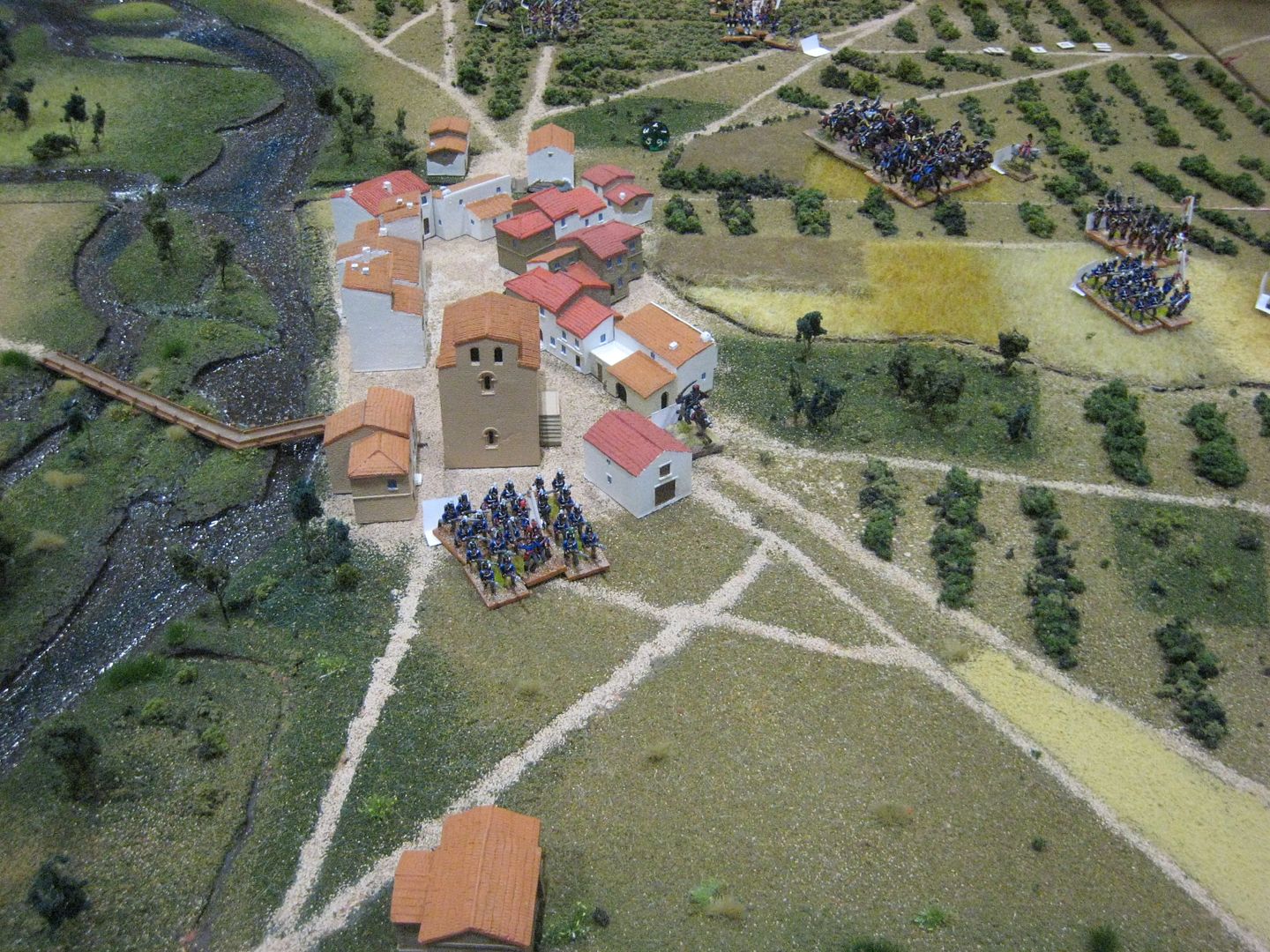
Capitan Games had an excellent Talavera game, with terrain that really evoked Spain and had undulating hills:


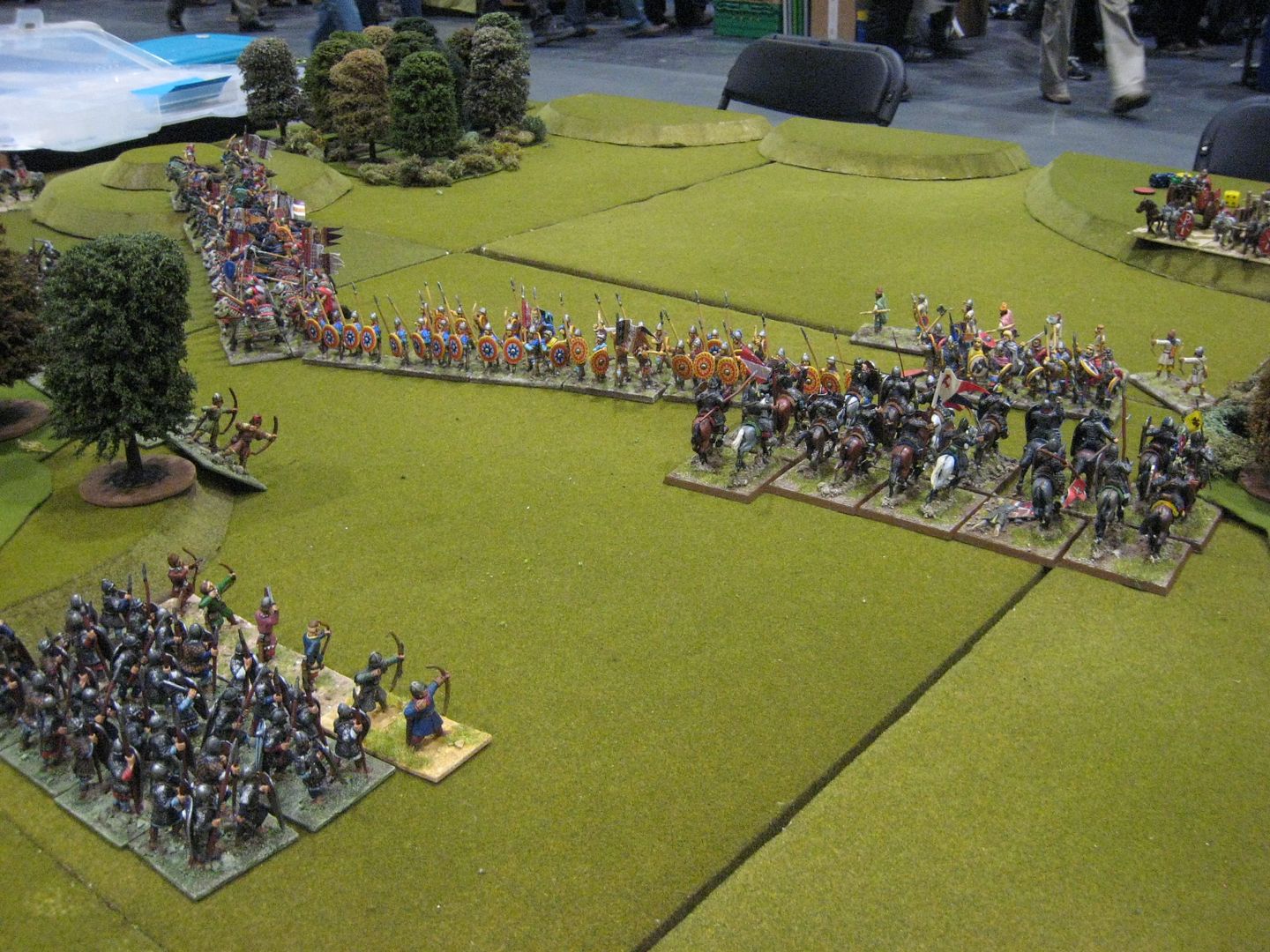
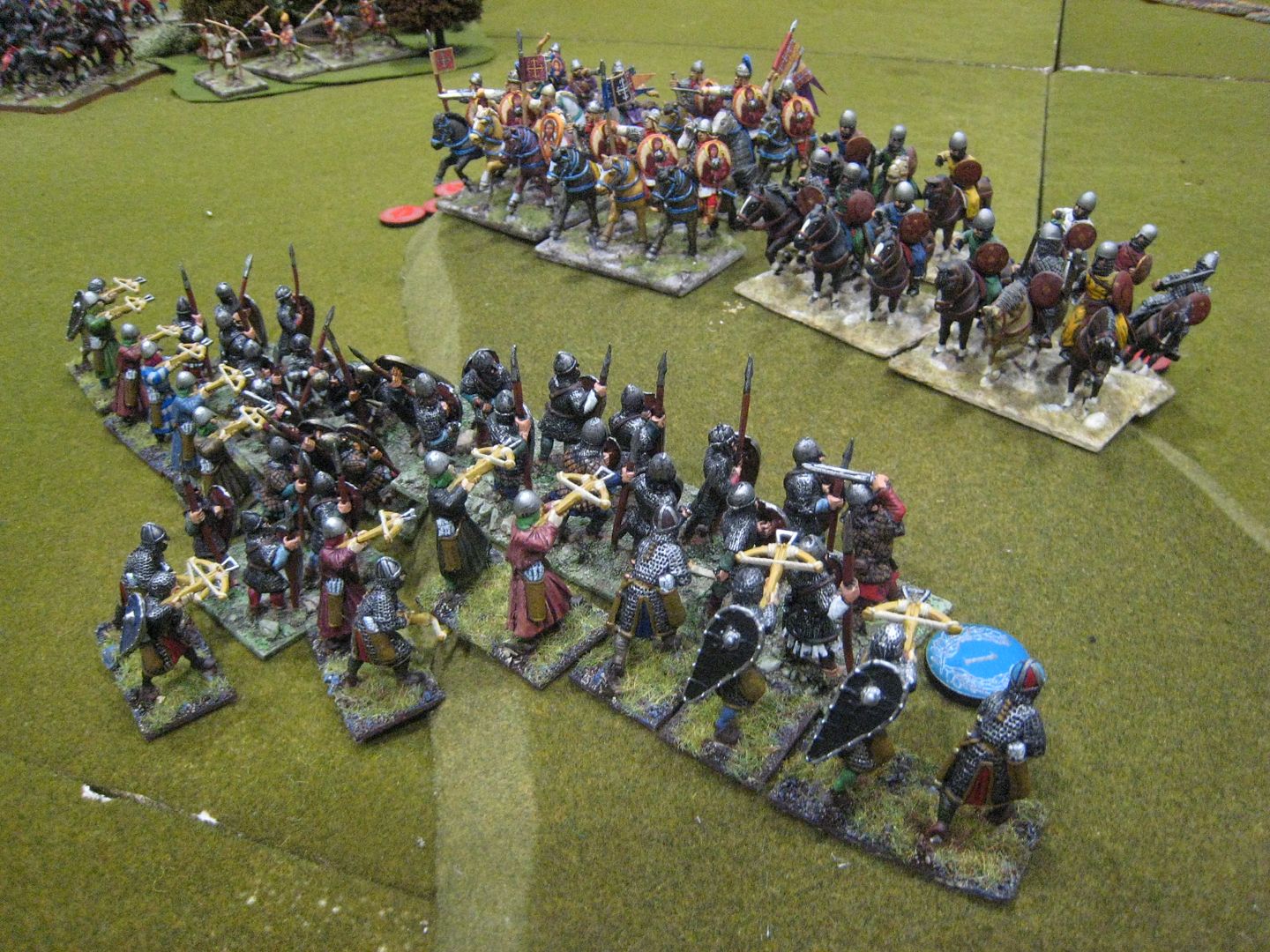
Newbury & Reading Wargames Society had a Normans v Byzantines game, which had very impressive shield walls:

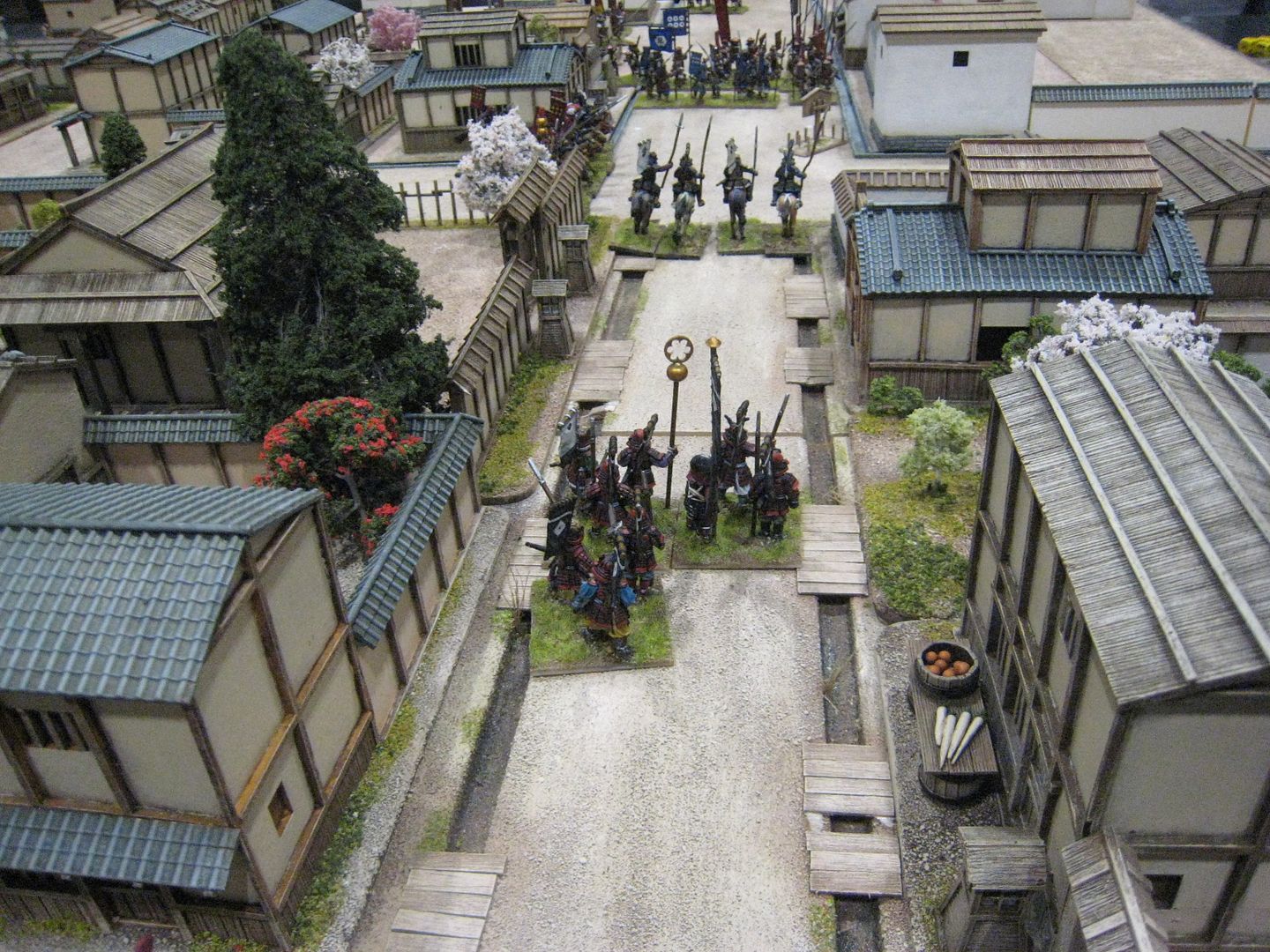
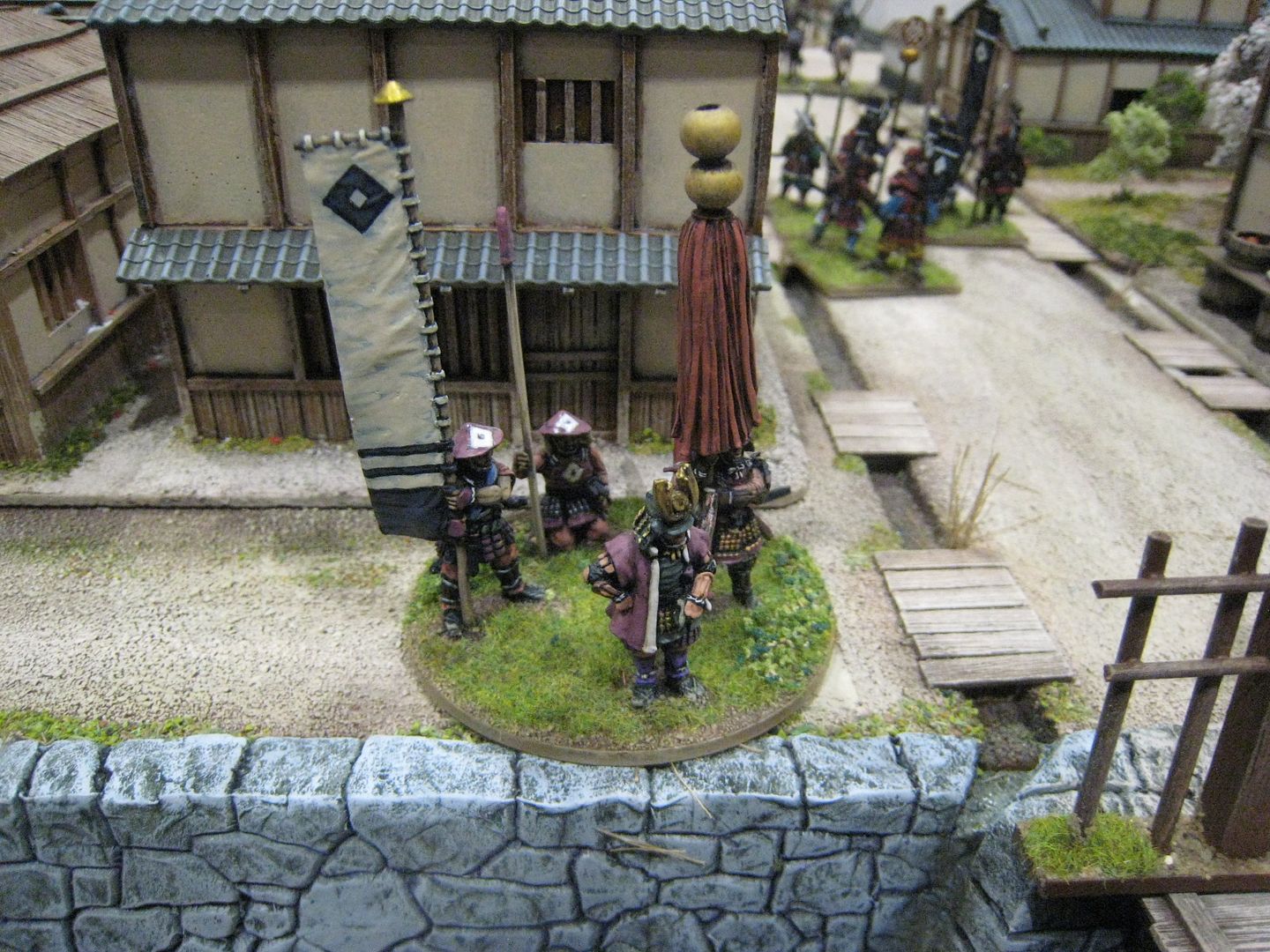
Oshiro Model Terrain presented their usual advertorial, with beautiful buildings for the Samurai era:


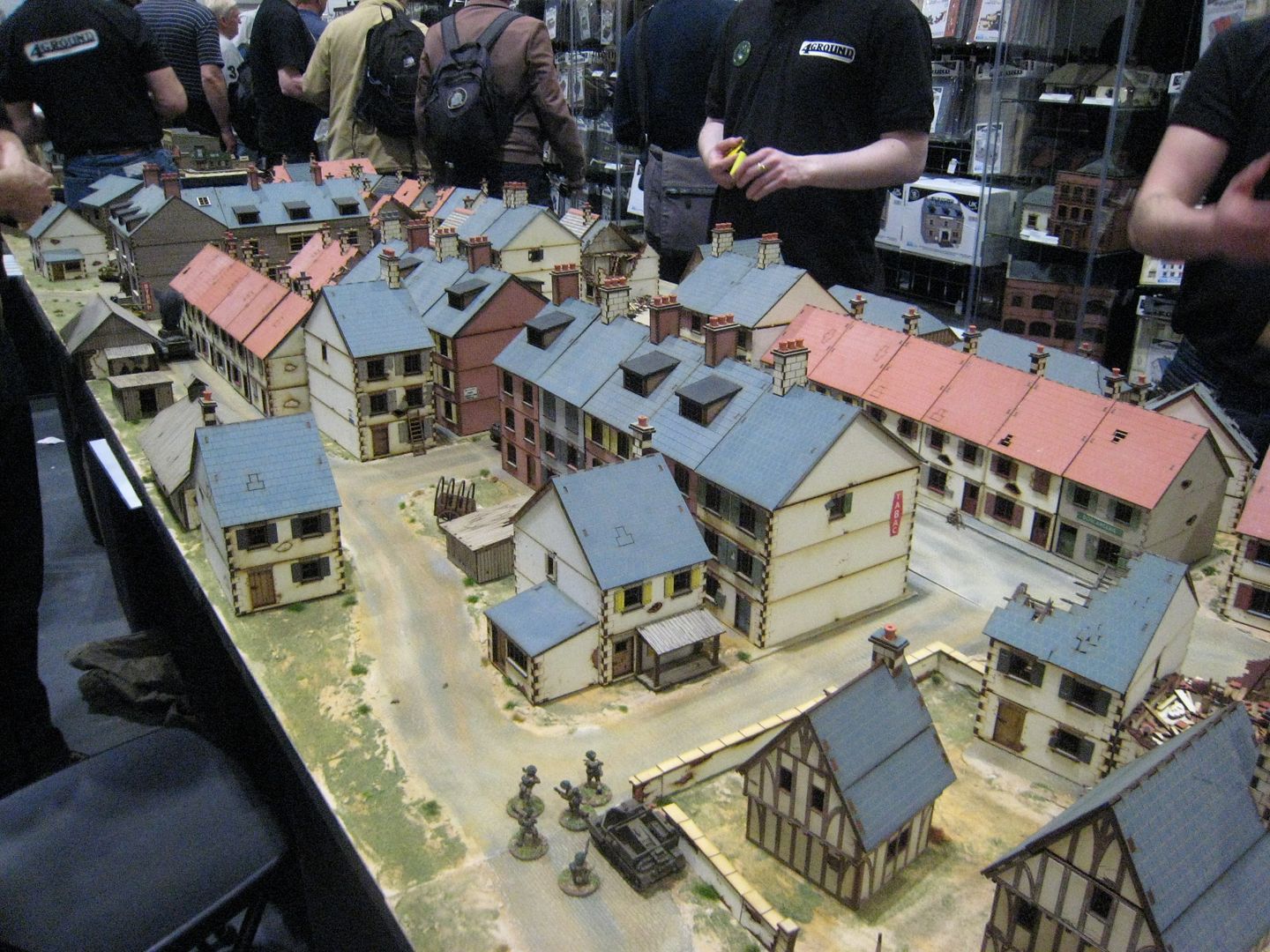
4-Ground had various displays of their MDF buildings.  There was one 25mm WW2 display which shows what properly-in-scale buildings look like - I wonder if this is a sign of the future..
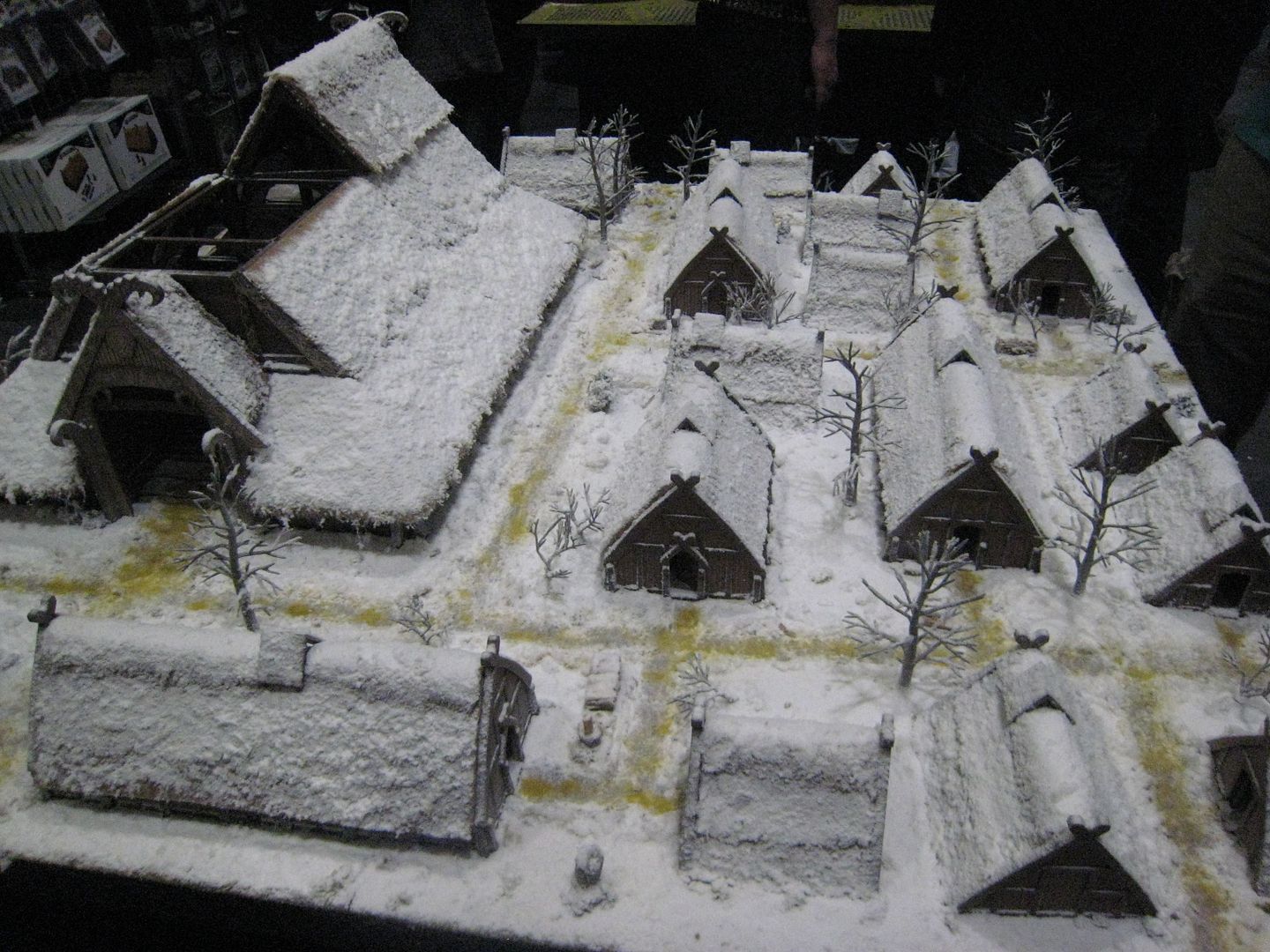

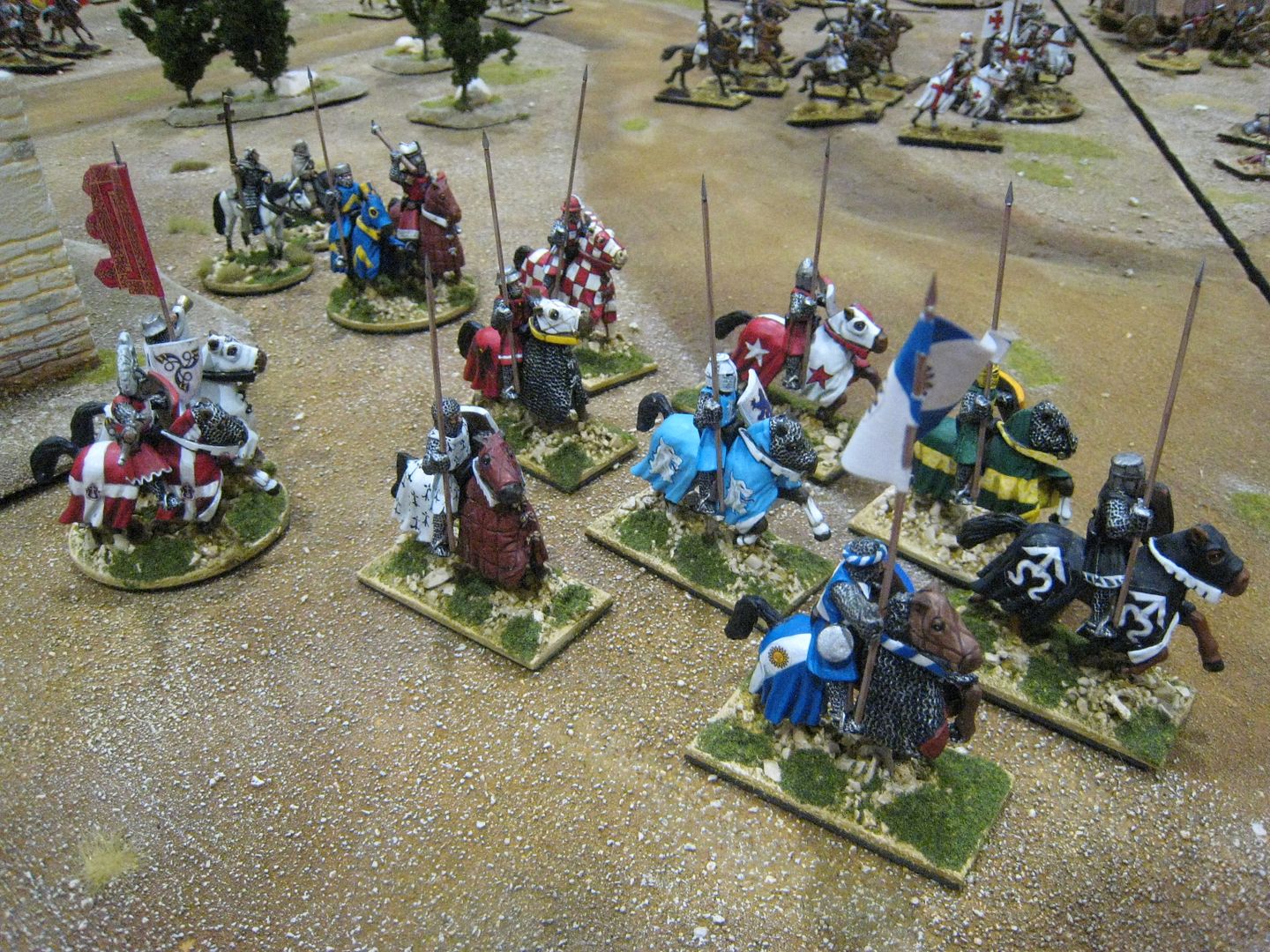
 Gripping Beast's "SAGA The Crescent and the Cross" Crusades game:
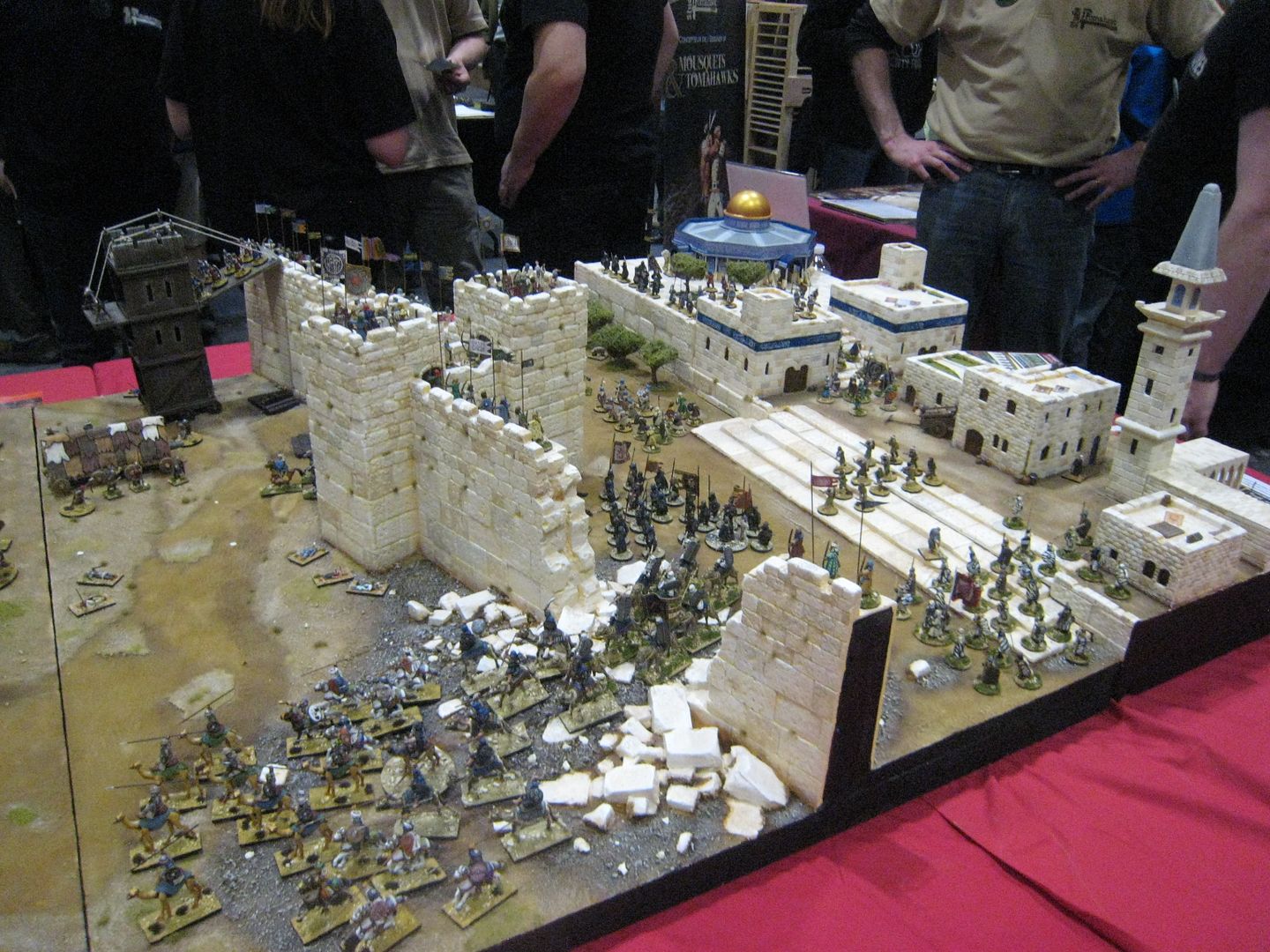


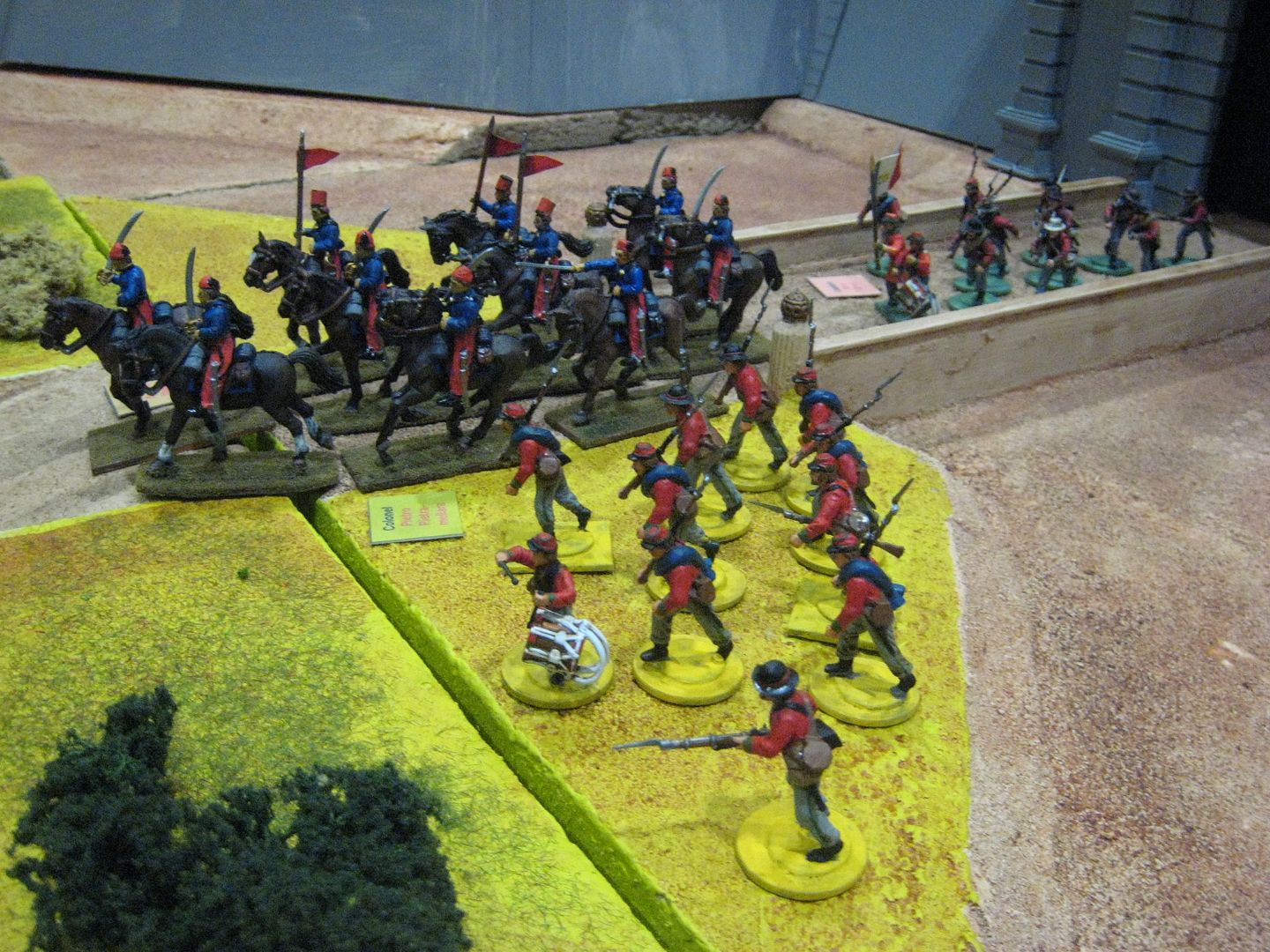
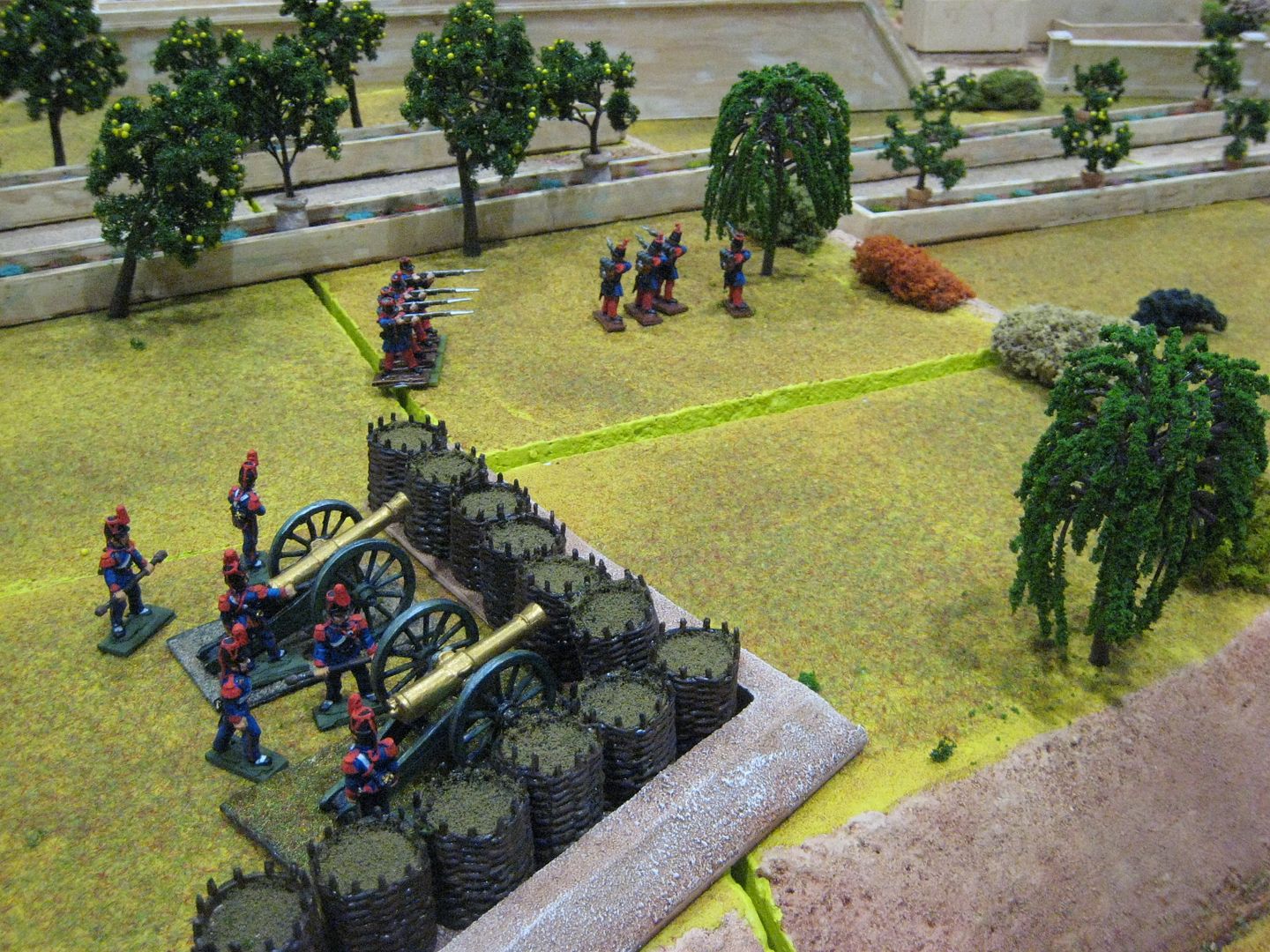
I'm a big fan of neglected 19th century period, and the Continental Wars Society had this intriguing siege of Rome 1849 game - Garibaldi's red shirts v the French. Innovative use of Perry plastic ACW and other figures:
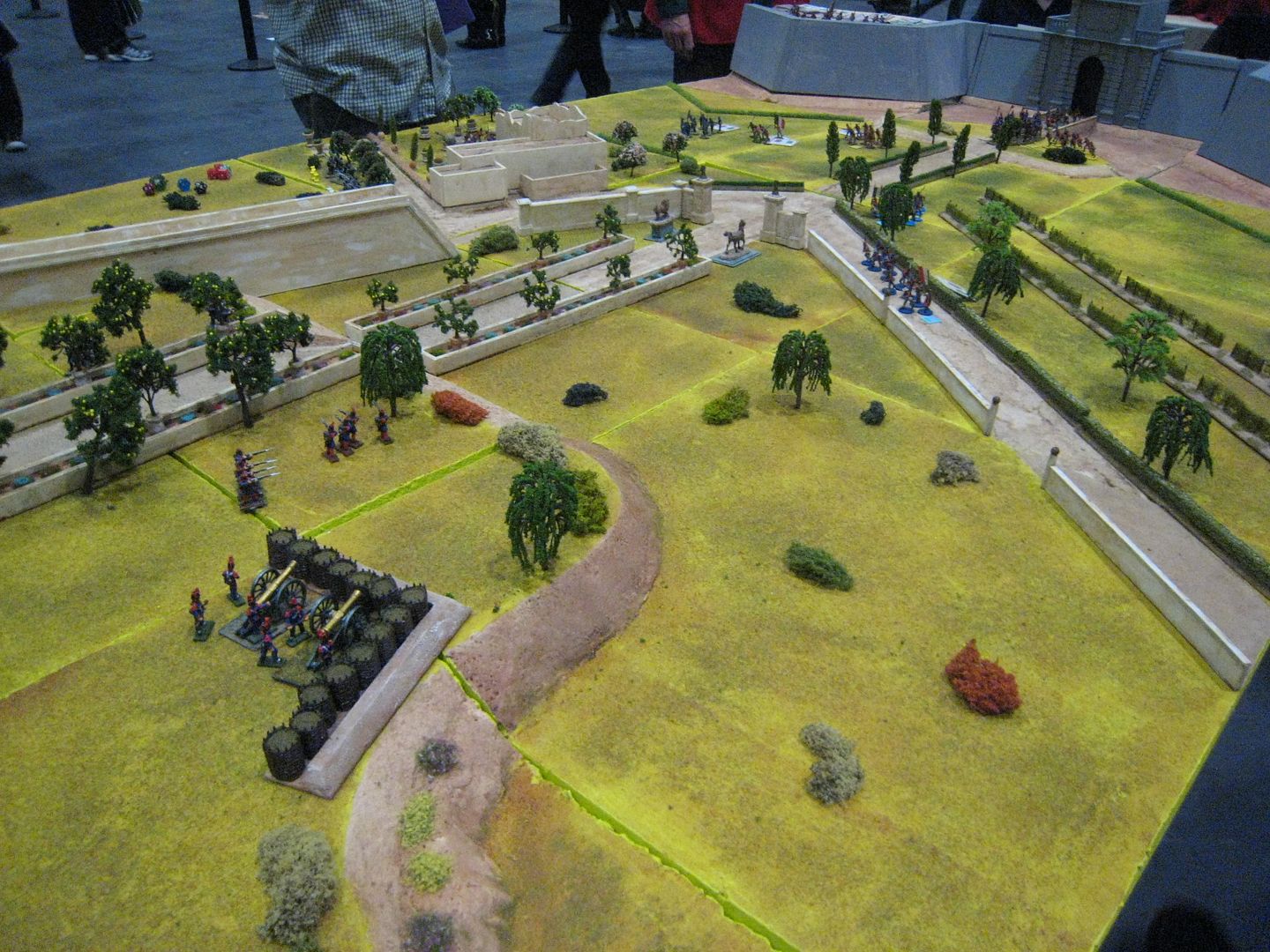


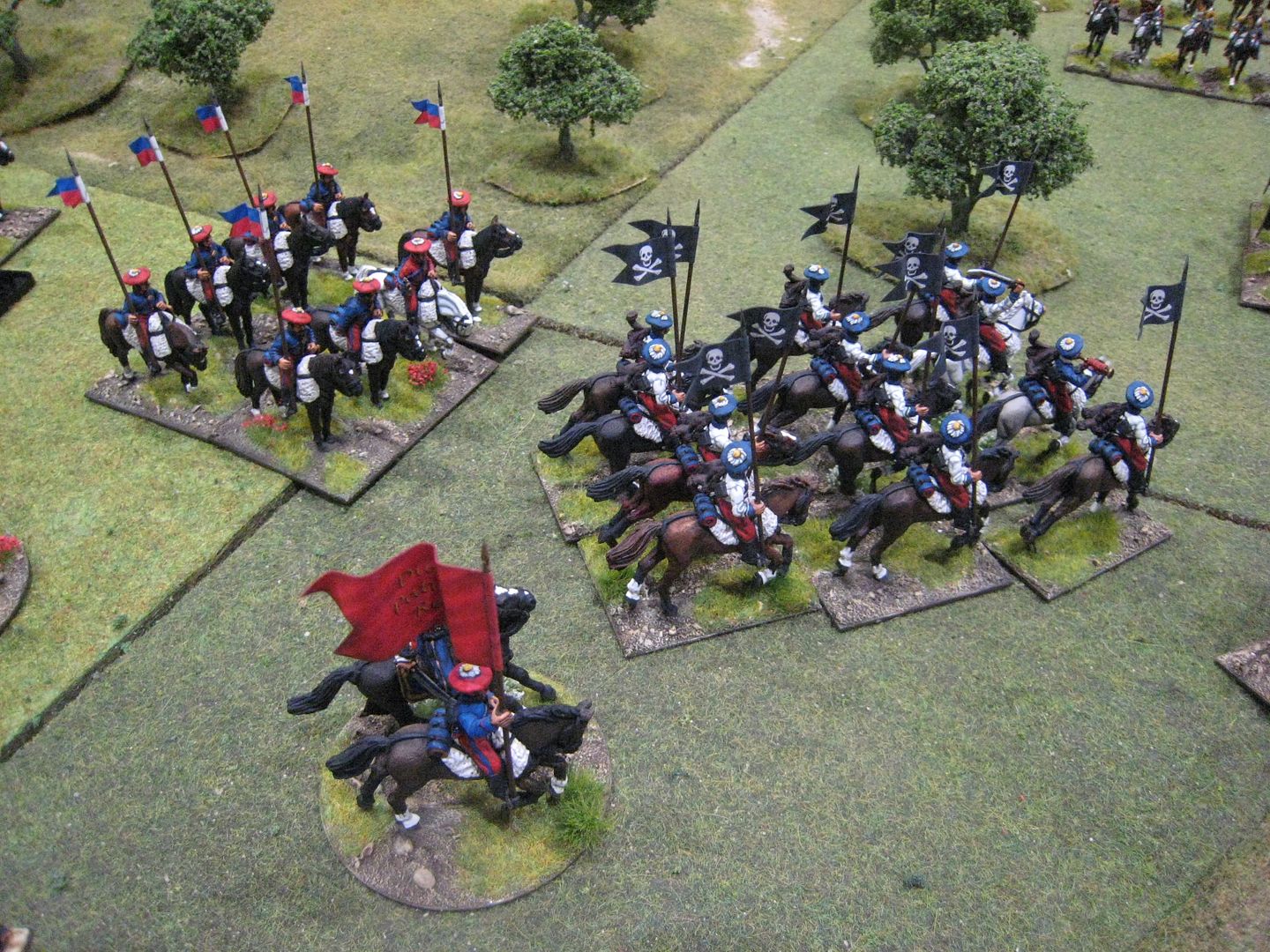
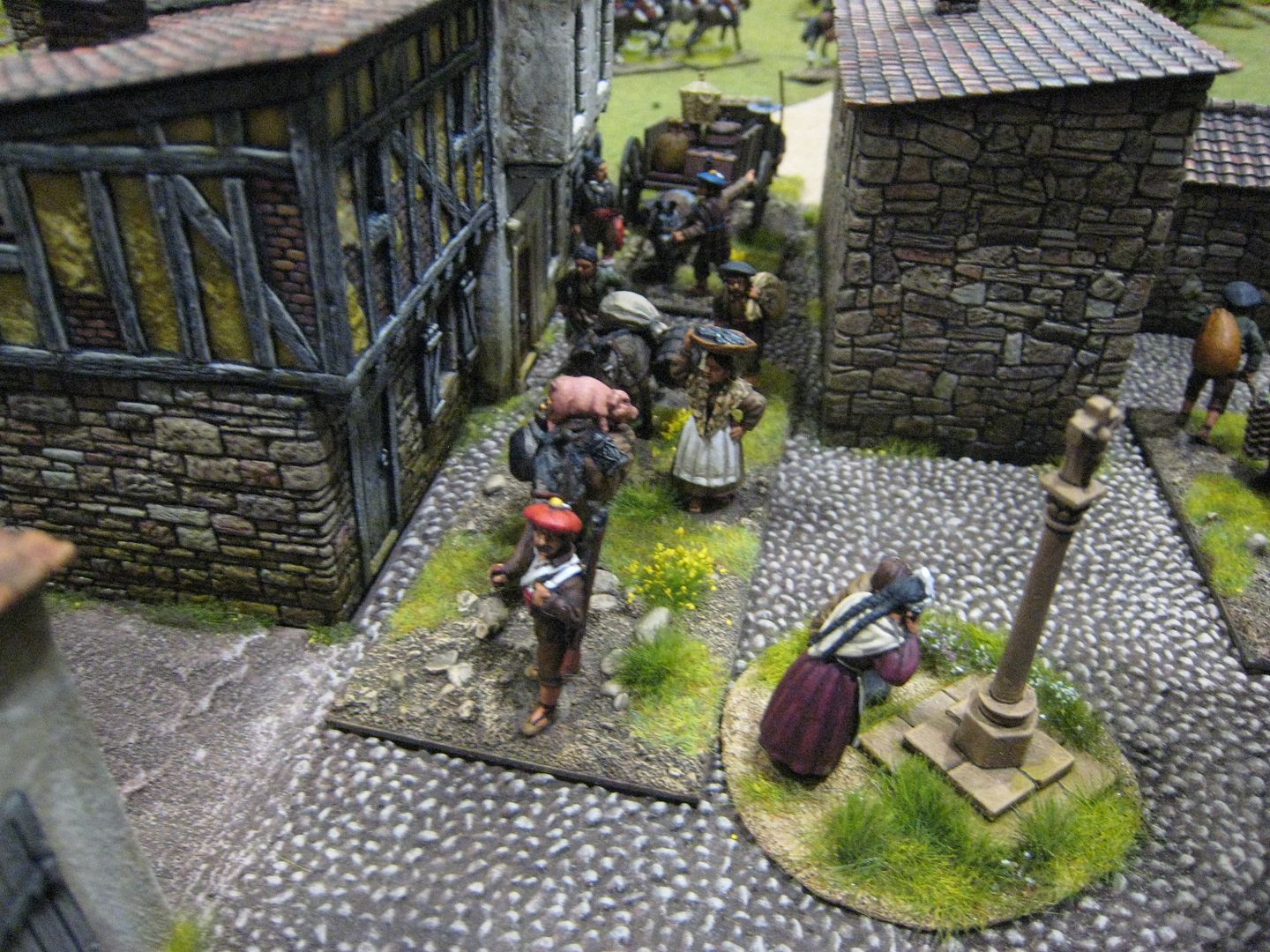
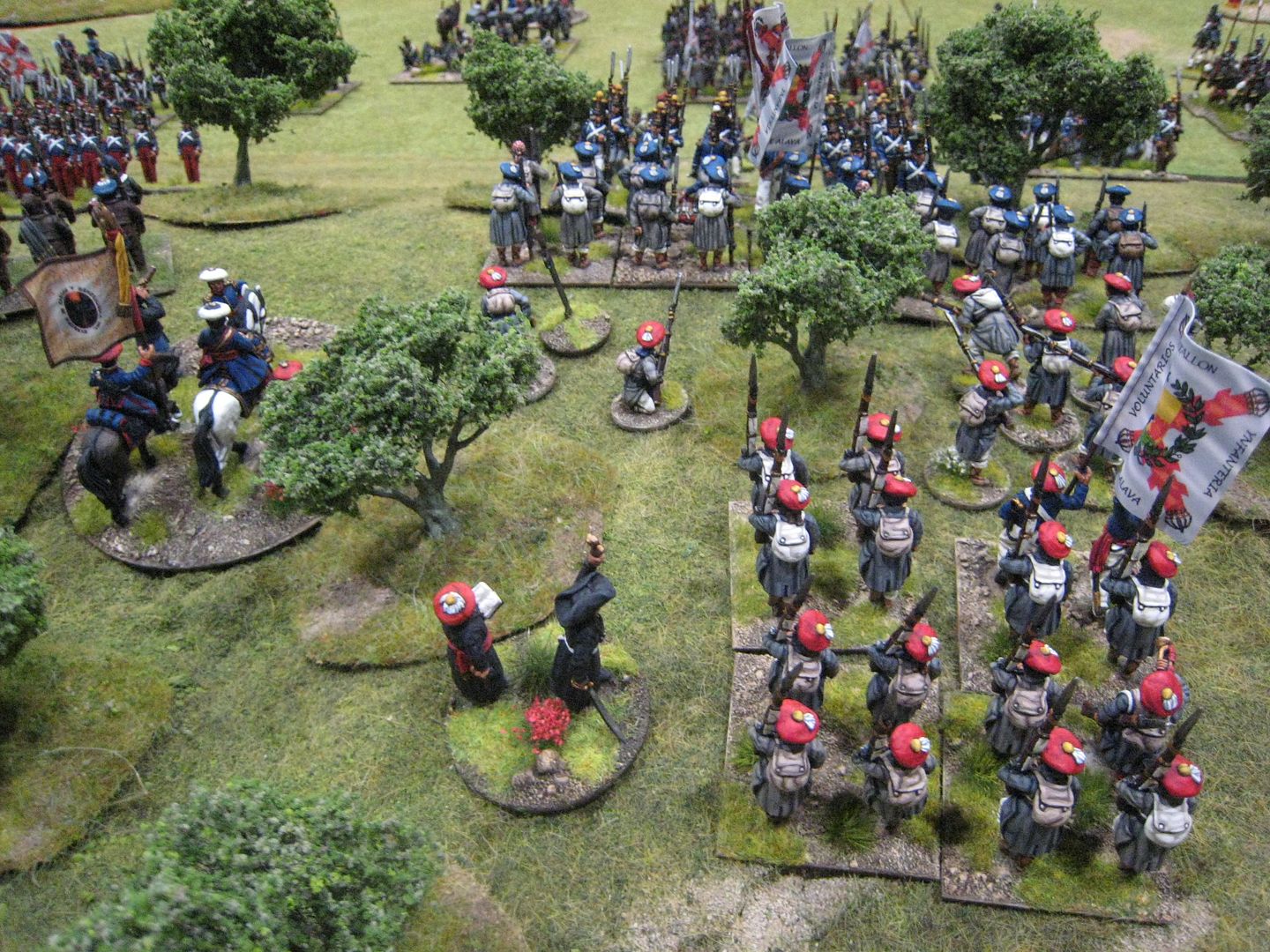
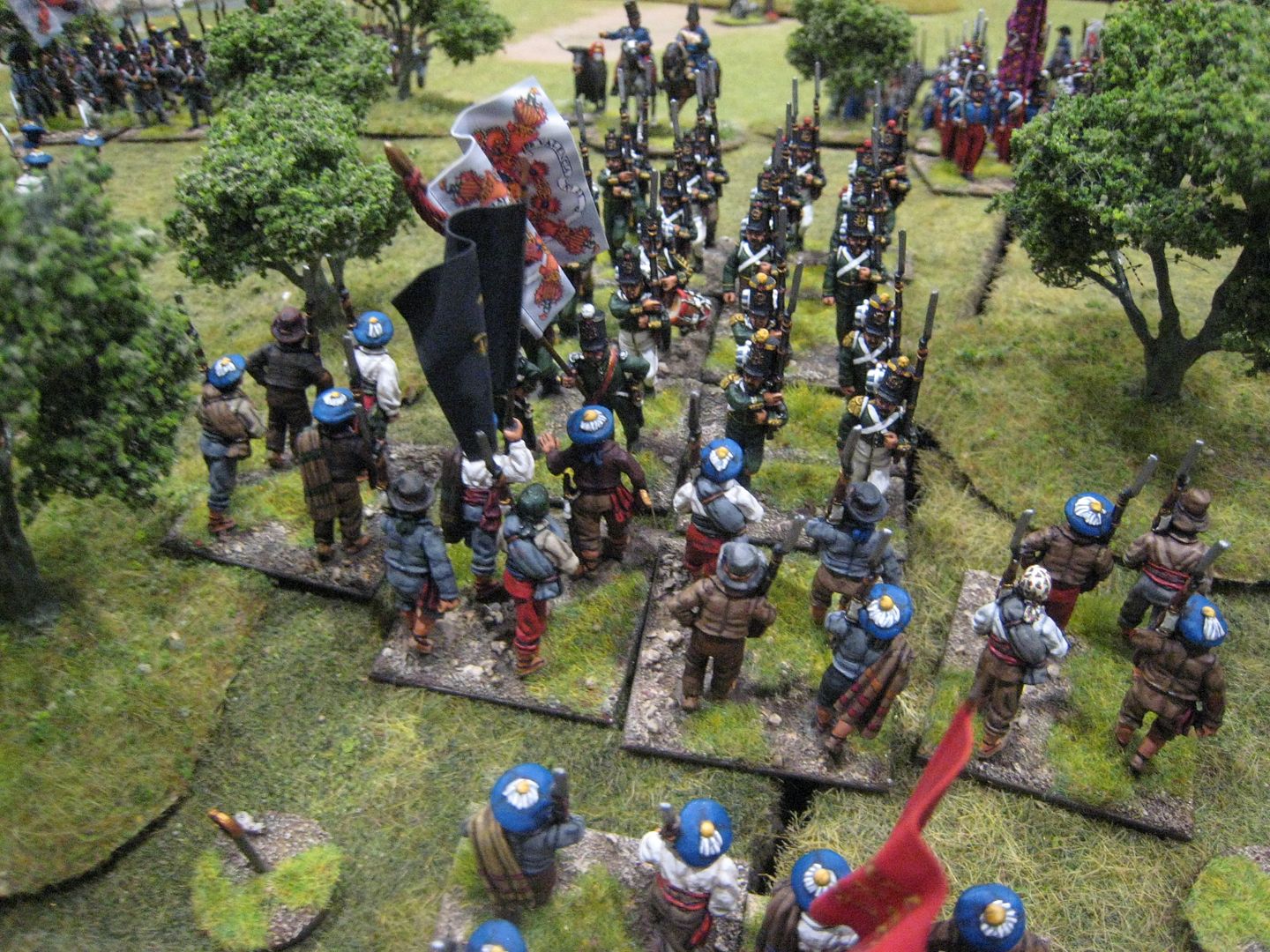
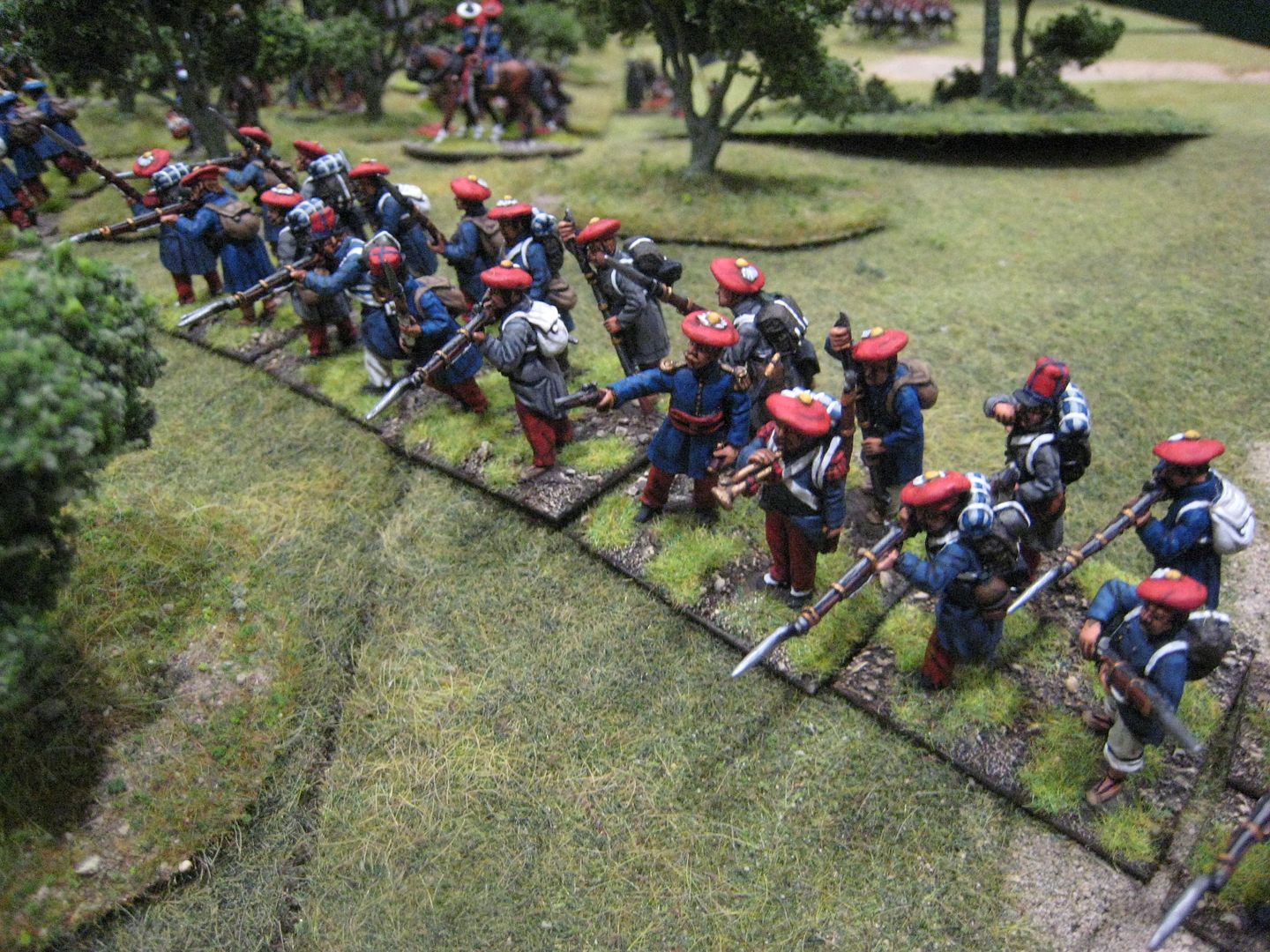
A personal favourite - the battle of Barbastro during the First Carlist War.  Lots of conversions and attention to detail here:


Lots of 1914 games.  This one was by the The Tin Soldiers of Antwerp.  Lots of bicycles:
 

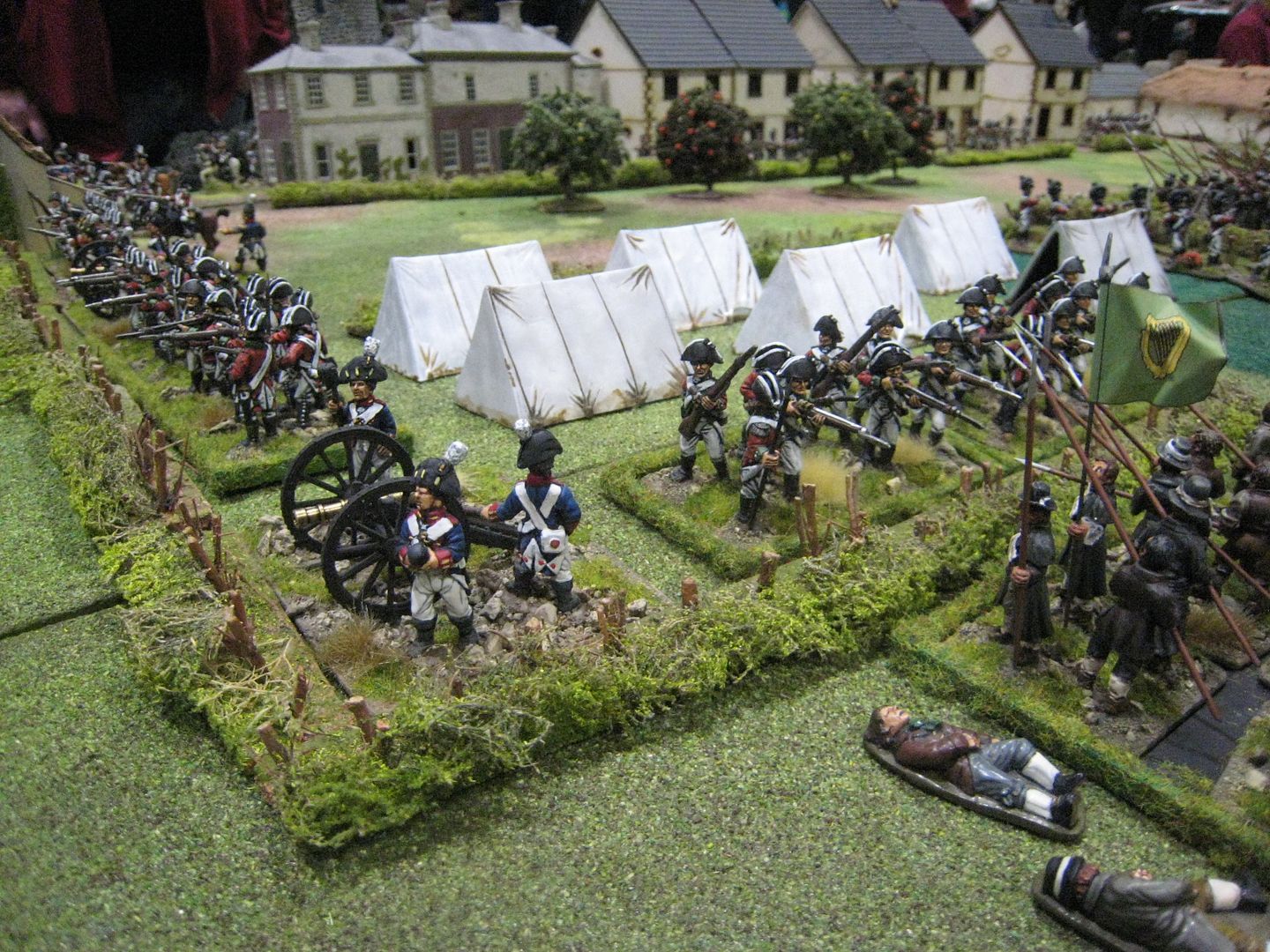
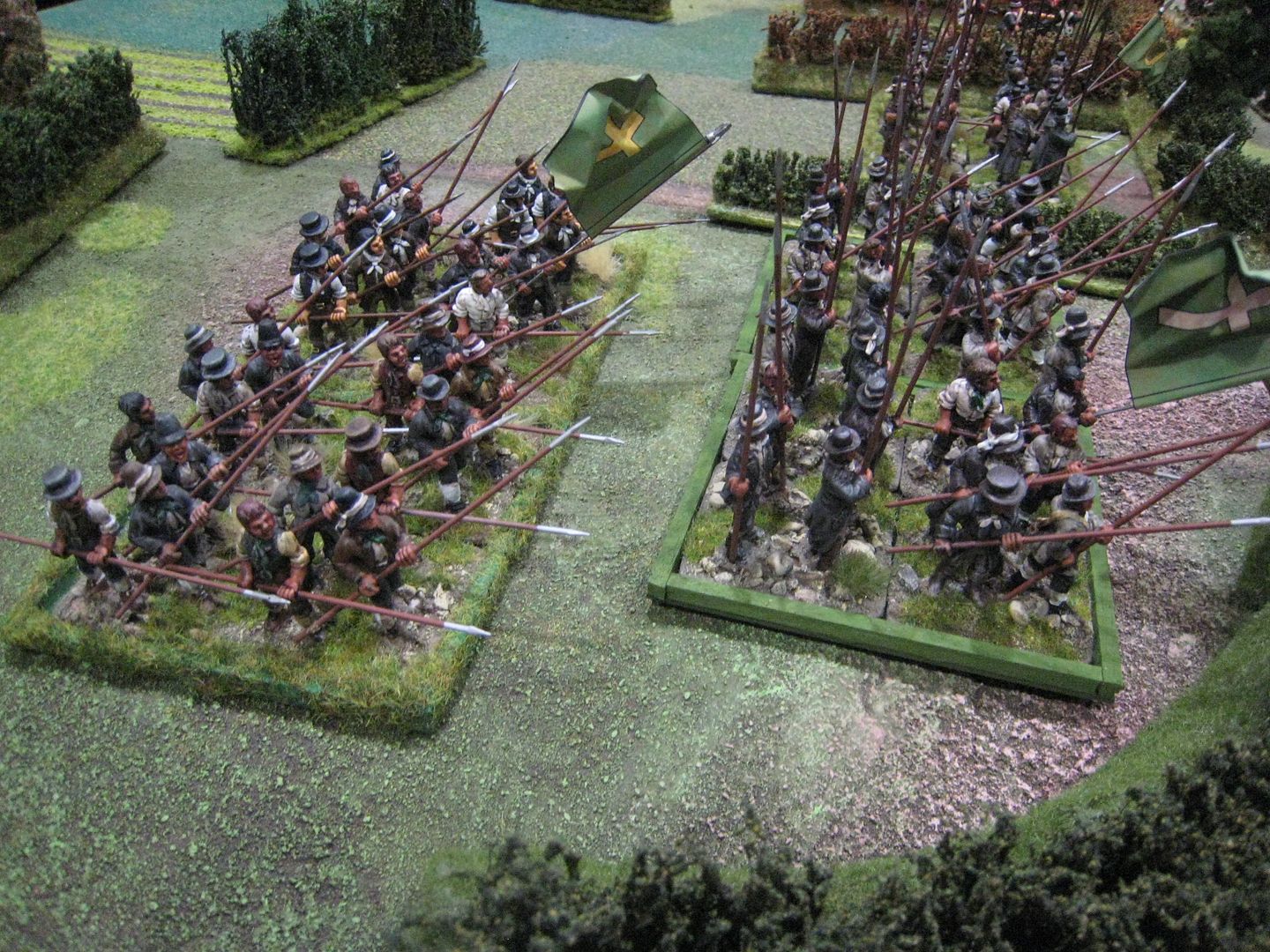
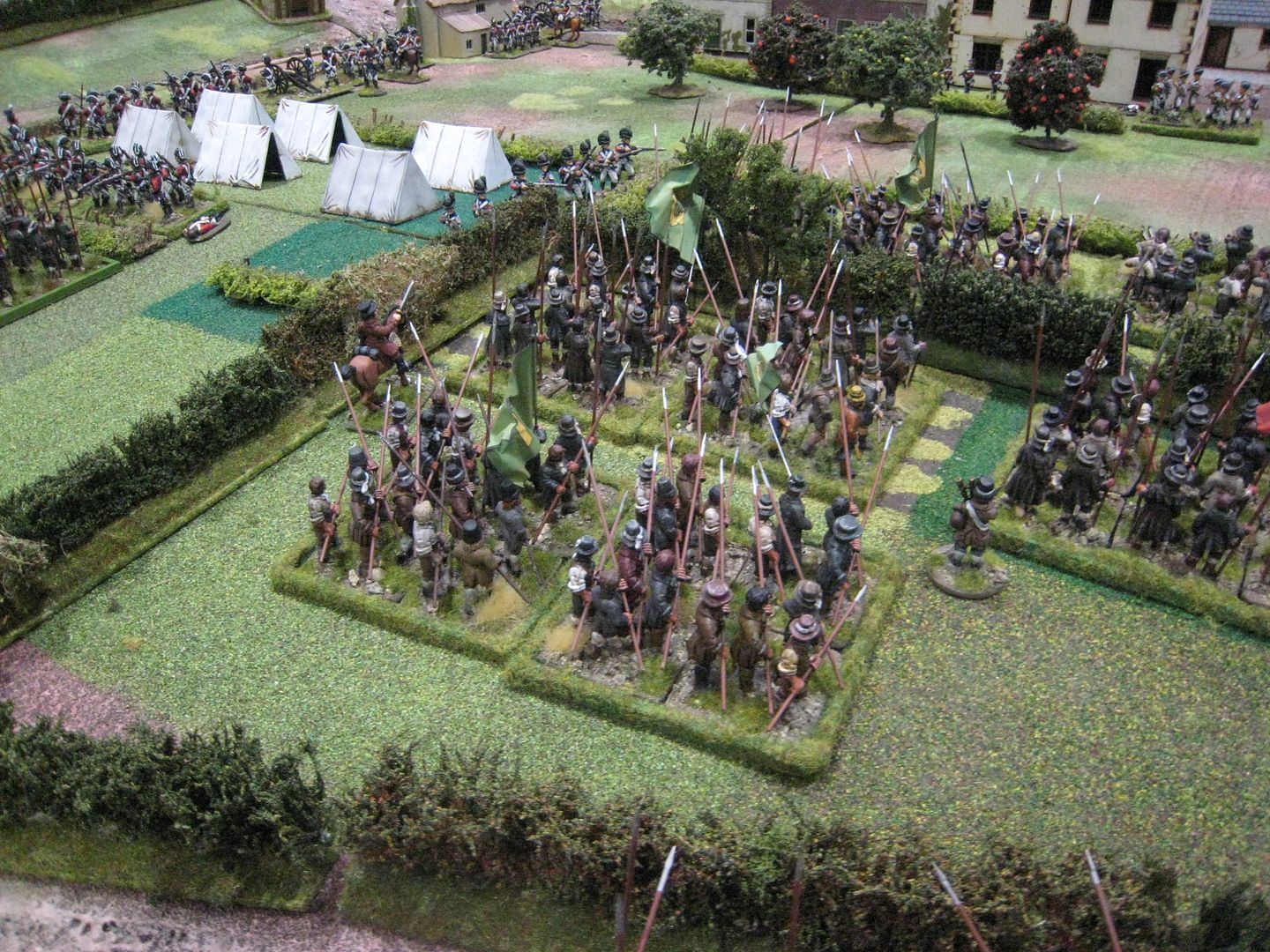
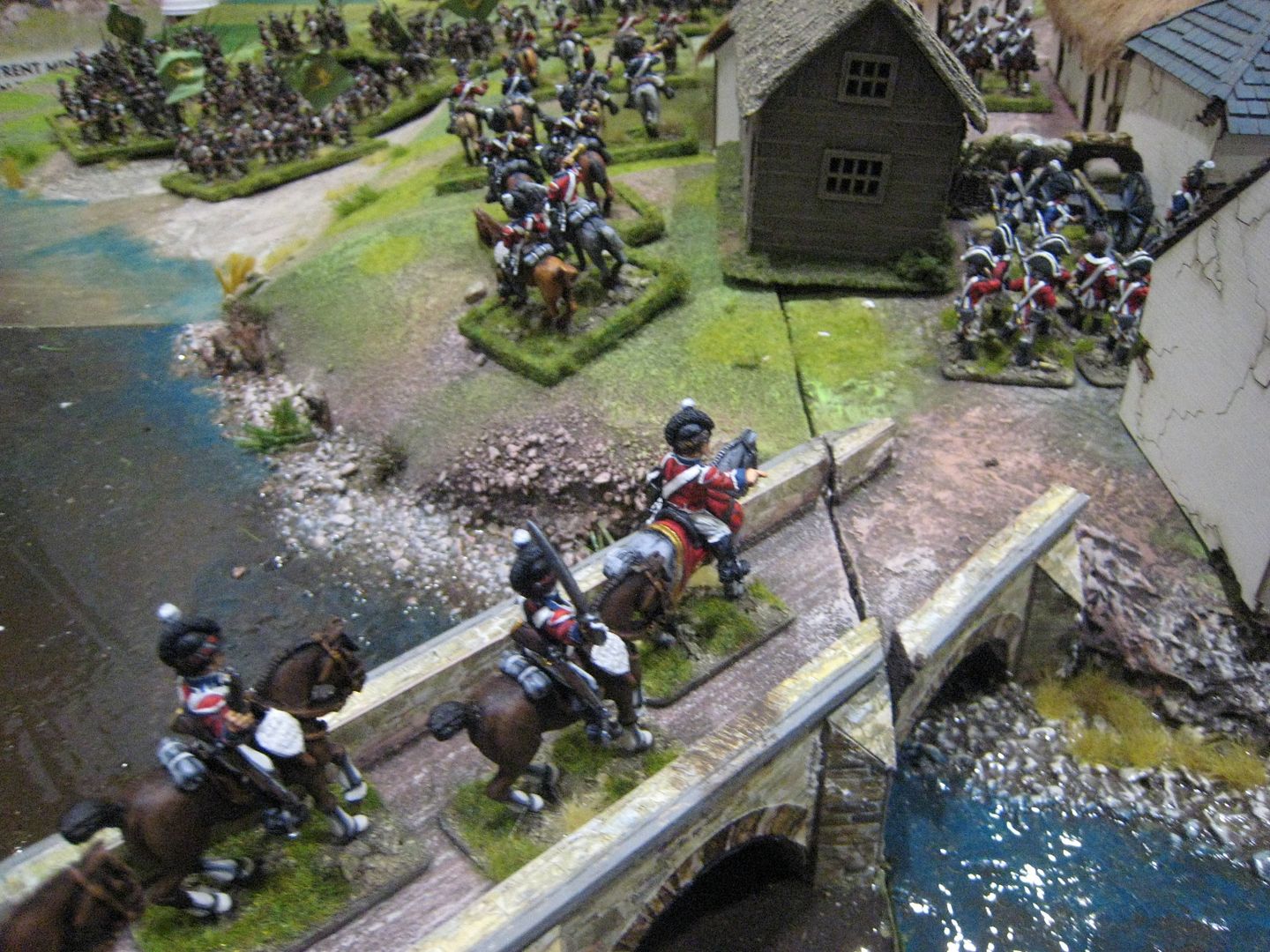
Wargames Illustrated's Arklow 1798 games was a sort of 18th century "Zulu" - thousands of Irish rebels against a few dozen British:

Dien Bien Phu: I didn't catch who was responsible for this game, but the terrain and painting was excellent:


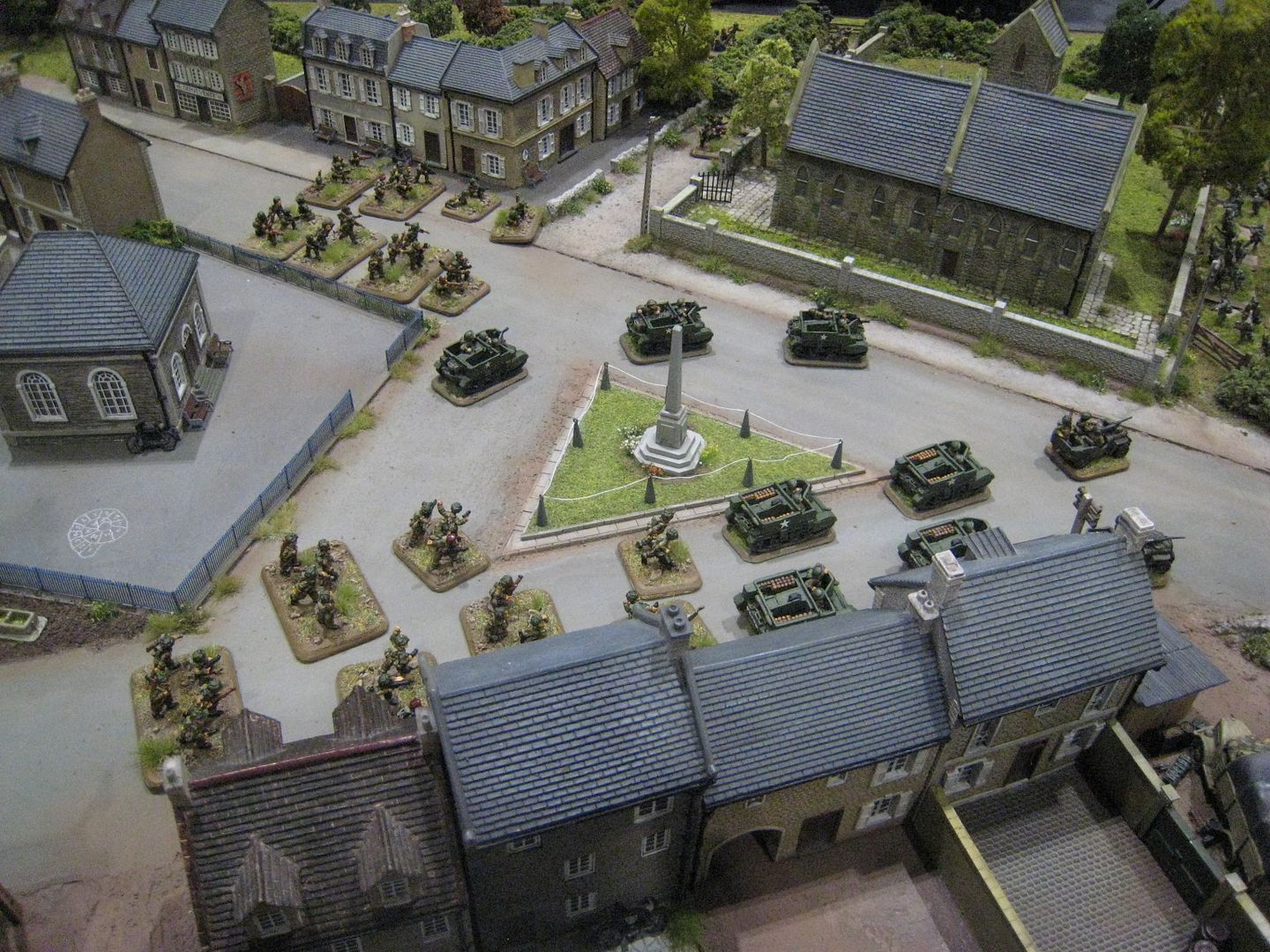
This was a WW2 Paras game, but I didn't catch who was responsible:


Tannenberg 1914:
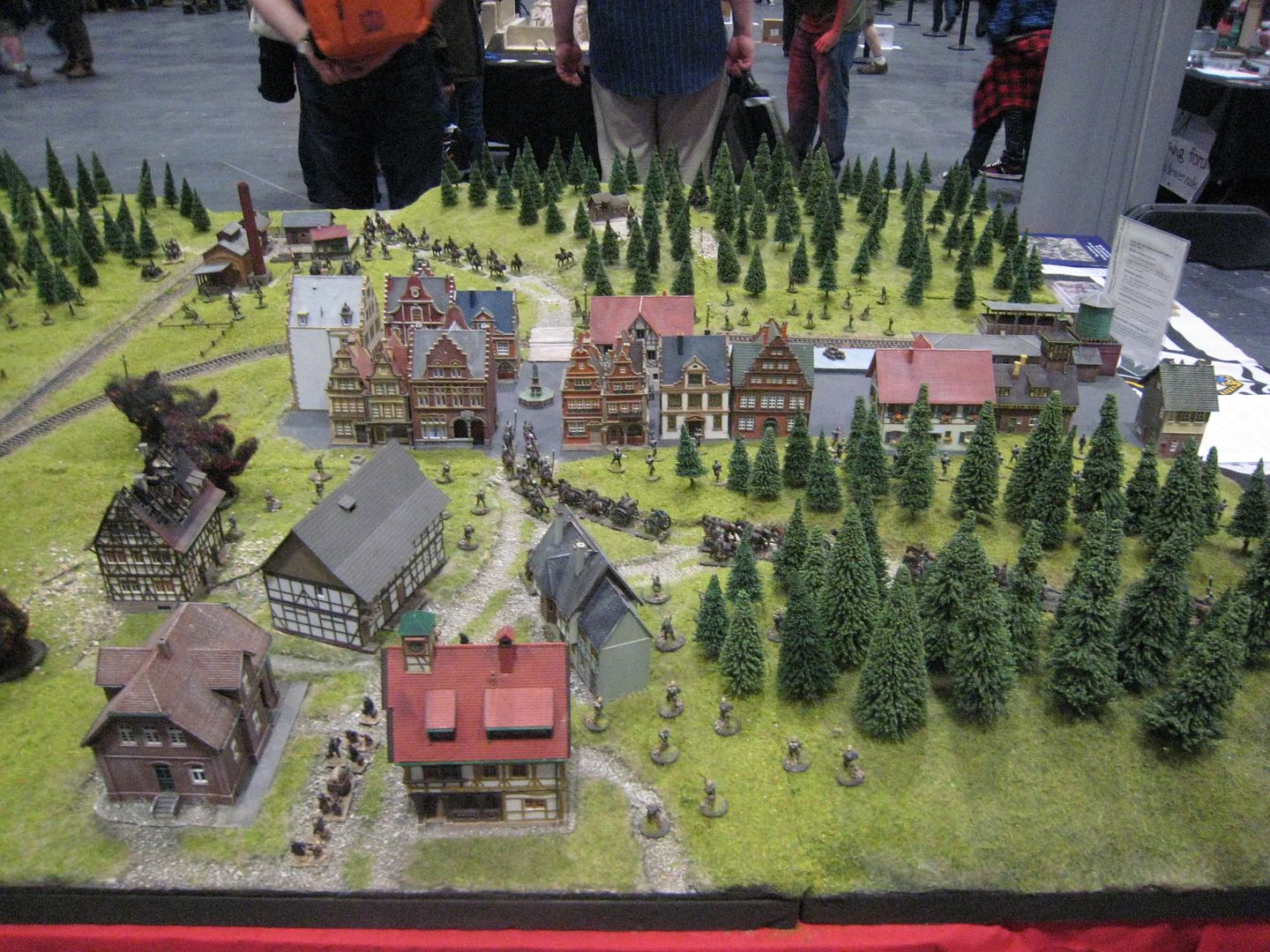


WSS magazine and Simon Miller's Caesar's invasion of Britain game - fantastic boats:


I think this was Whitehall Warlords' 15mm Vietnam game:
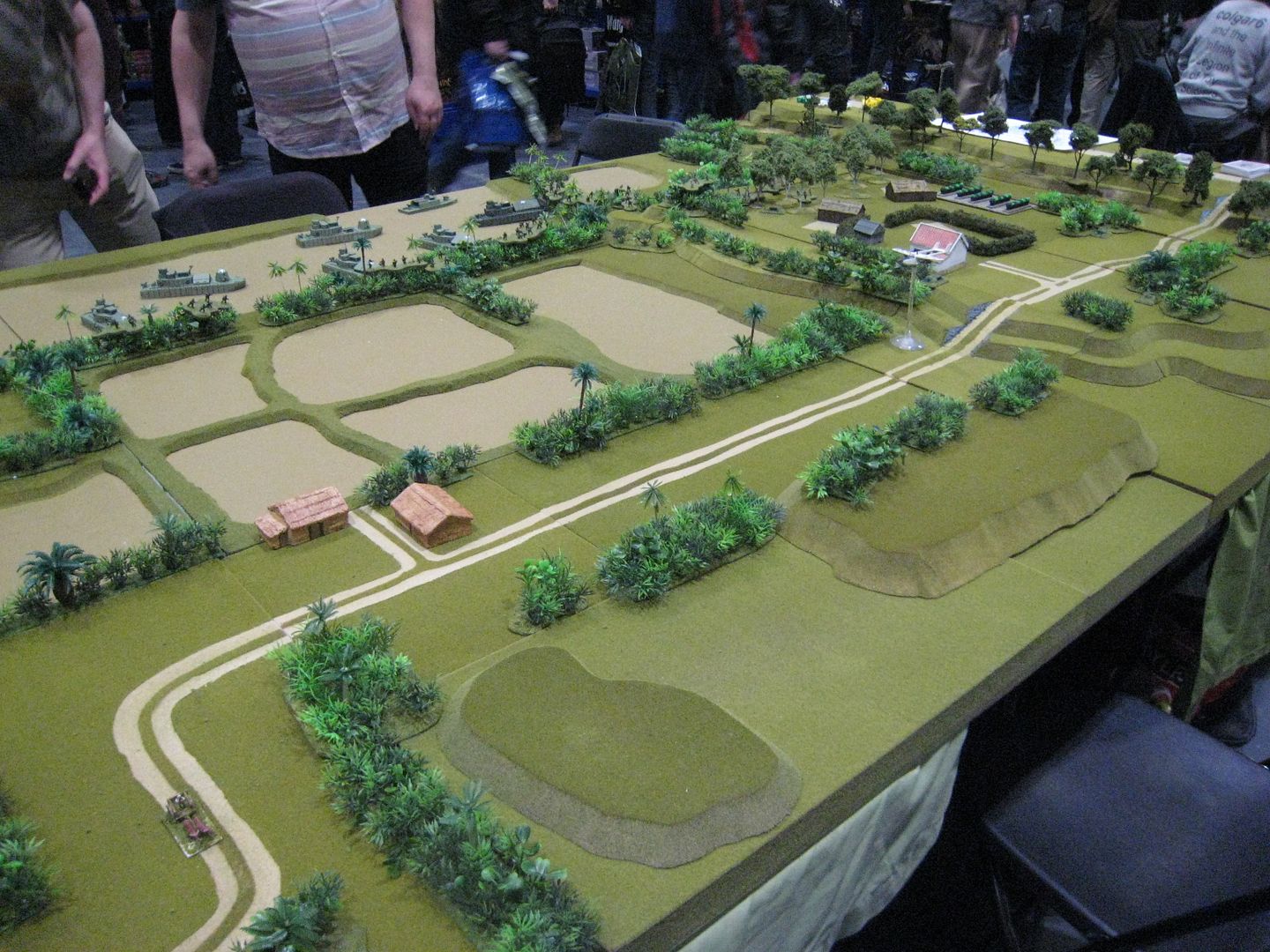
 
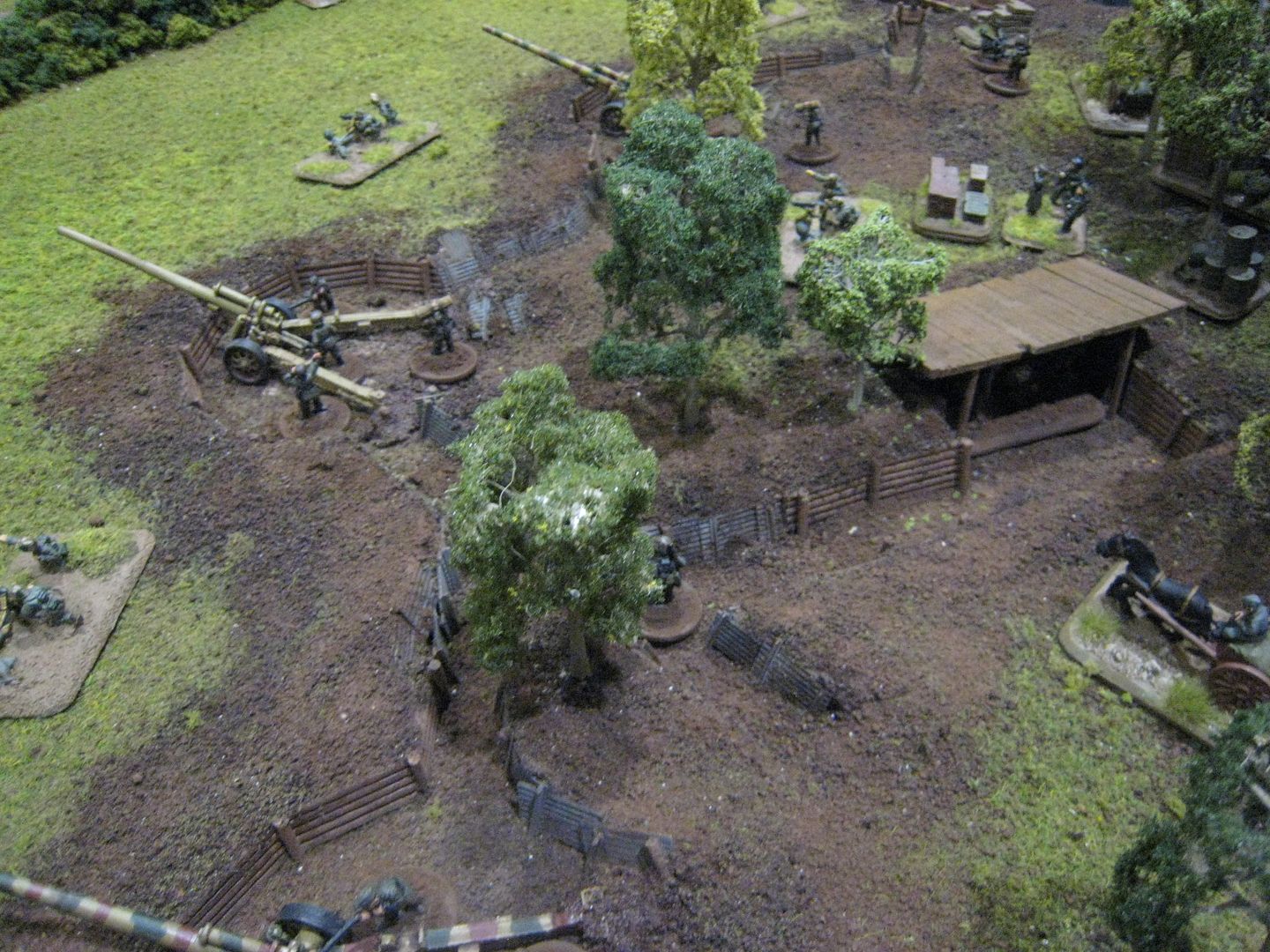
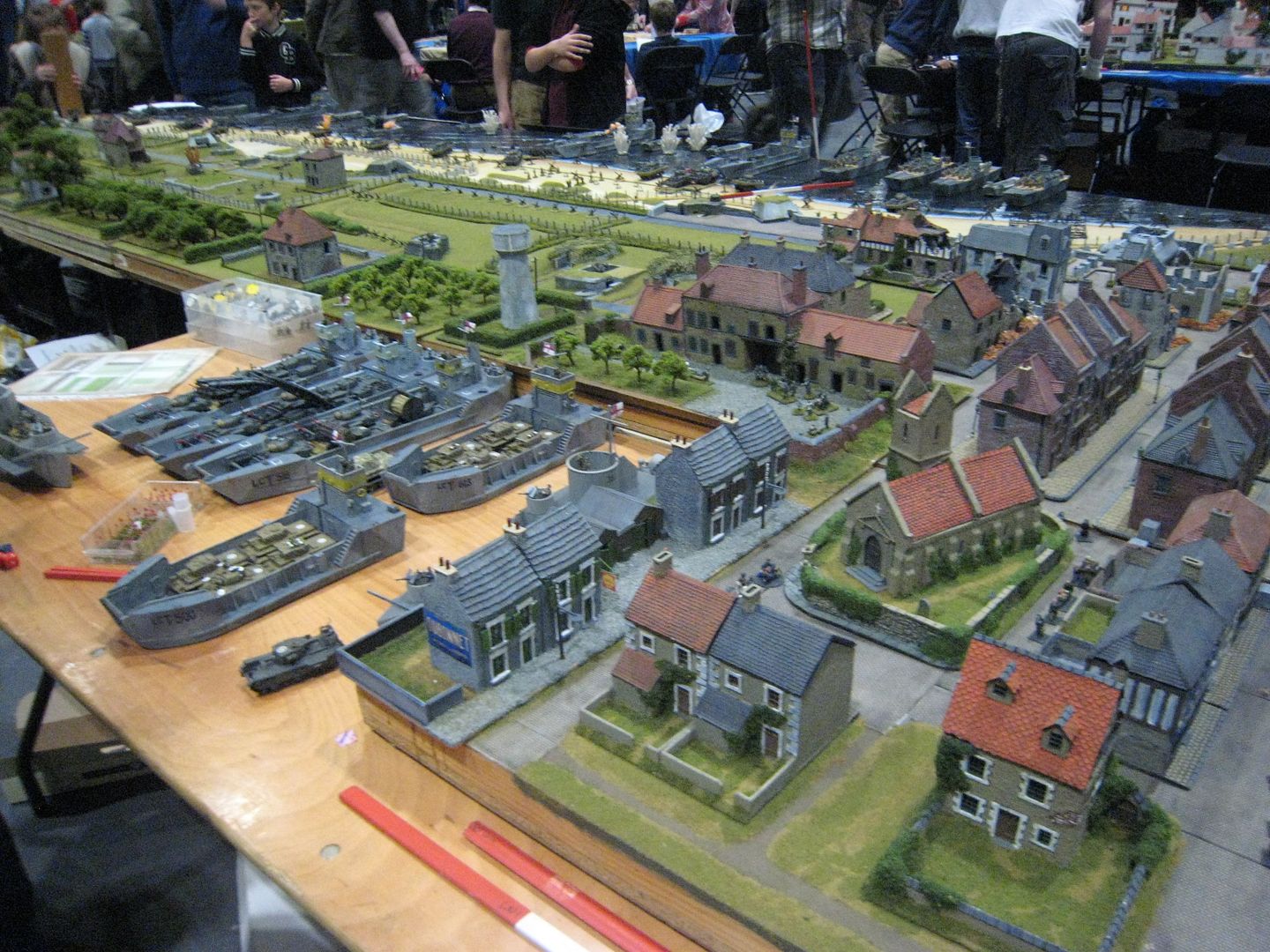
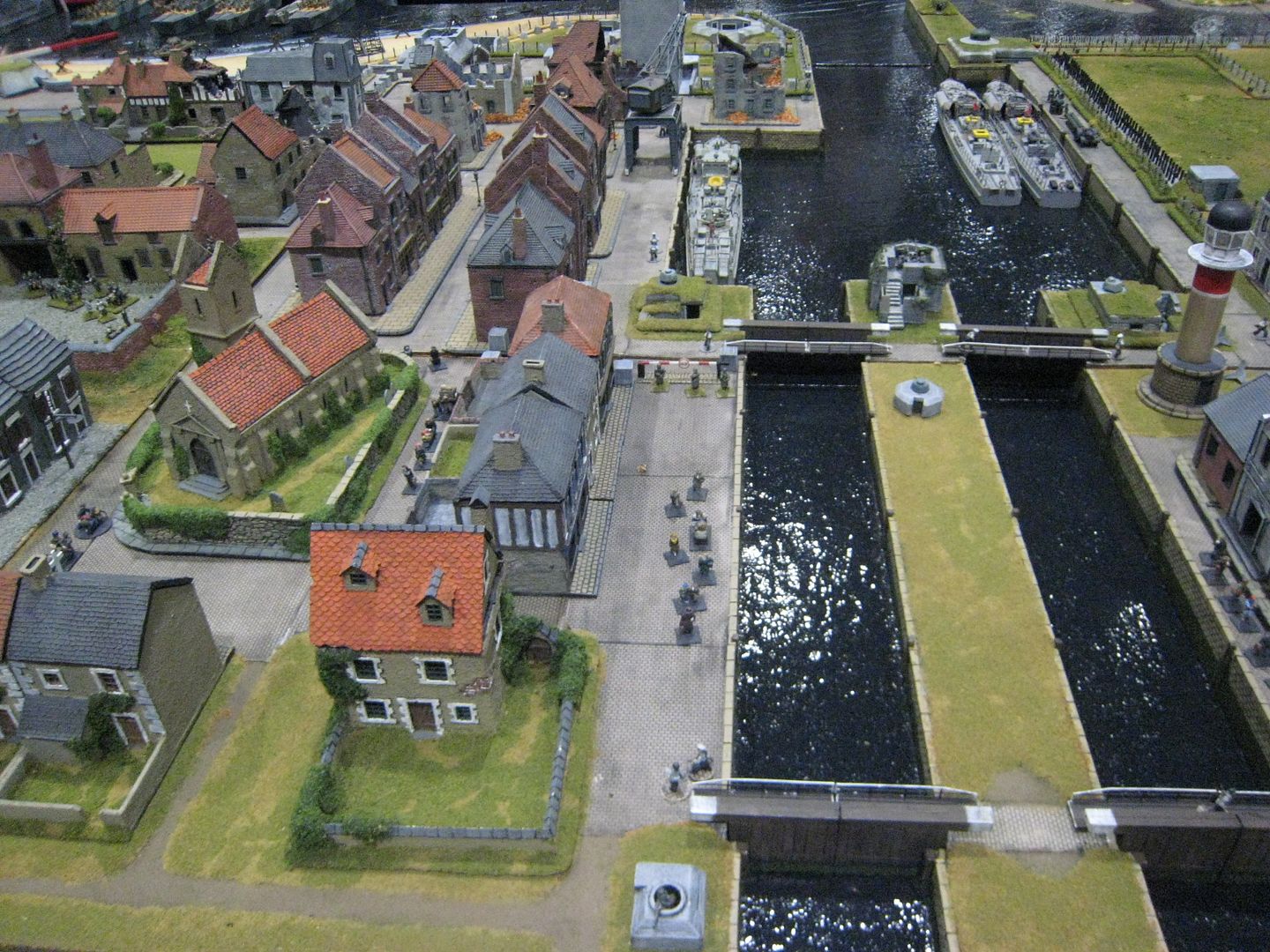
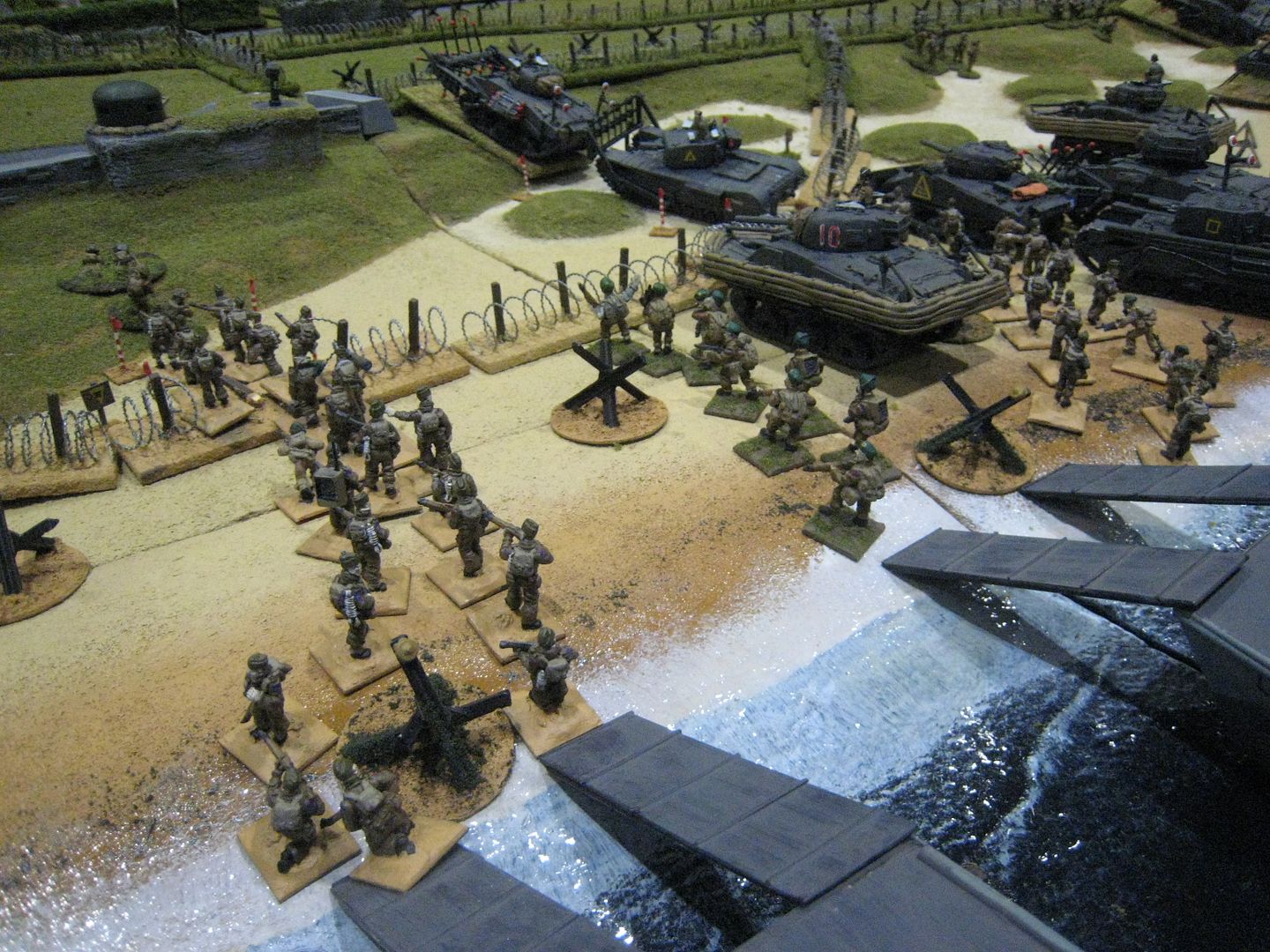
Finally, an enormous D-Day game (if actually played, I couldn't really tell); there were so many D-Day games I'm not sure who did this one:


  And just in case you've read this far, here's a shot of the AWI unit I'll post about in a couple of days:
Wednesday, 12 March 2014

Rotorua - Maoriana

I've been very busy at work again, hence the lack of posts.  It's no excuse, though - plenty of other busy people manage to update their blogs on a regular basis (and in the case of Jim Purky run a miniatures company as well!).  But the truth is I've picked up a paintbrush just once during the past 3 weeks; and that's pretty unprecedented for me.  I have some units reasonably close to completion, but they are likely to take a while.  So in the meantime, I'm going to post some pics from my recent trip to New Zealand which may be of use to anyone else who's dabbled in the Maori/NZ/Land Wars of the mid 19th century.

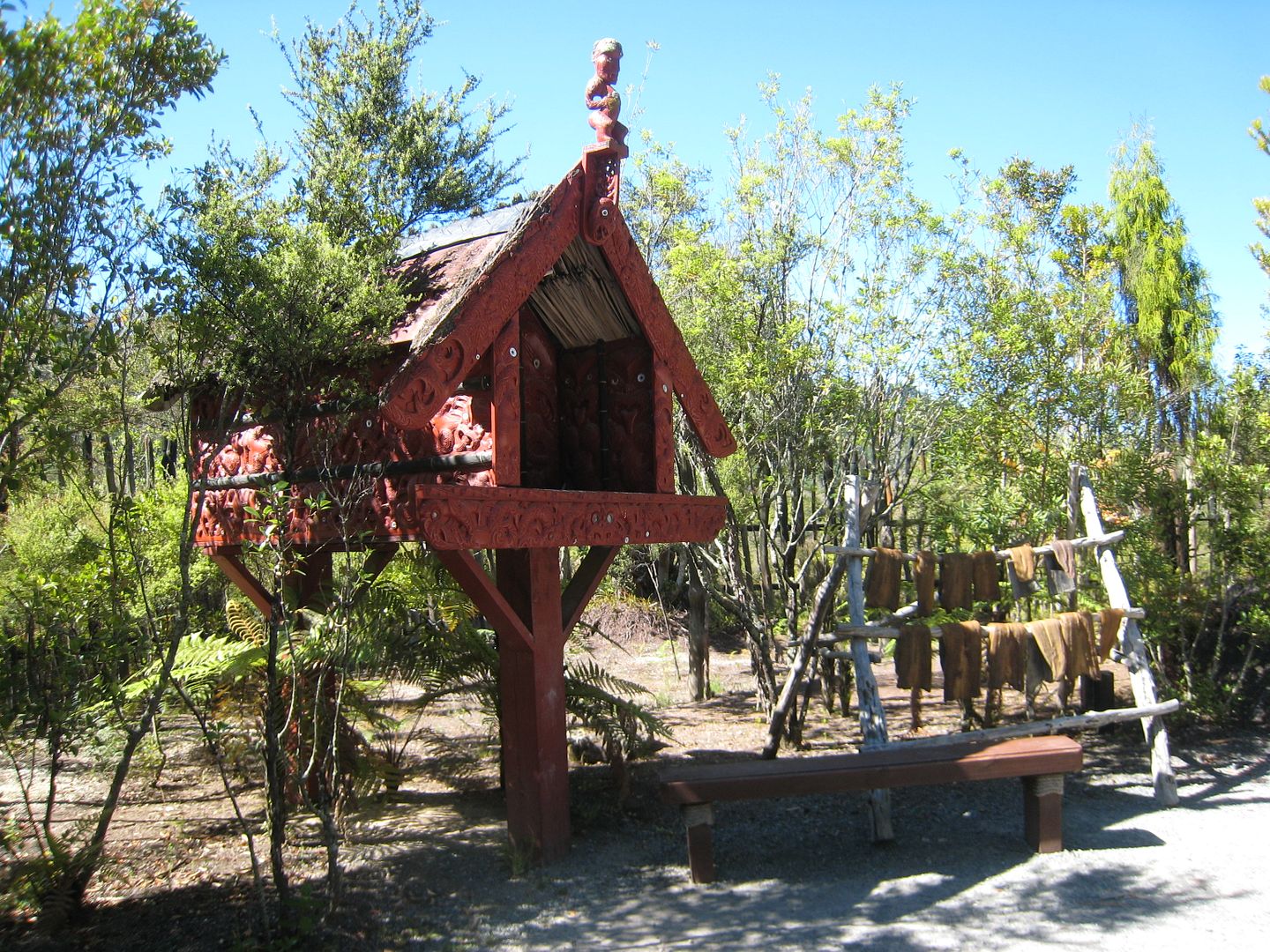
I'm going to have two posts about the days we spent in Rotorua.  This is a city about 2.5 hours drive south of Auckland, near the Bay of Plenty on the east coast of North Island.  It is famous for its lakes, volcanoes and "geothermal activity" - the small of sulphur rather hangs over the place.  One of the area's volcanoes, Mount Tarawera, erupted in 1886, destroying the Maori village of Te Wairoa and a pair of natural wonders called the Pink and White Terraces, and killing over 100 people.  There are still bubbling hot springs and geysers all over the place.  Rotorua has always been a Maori-populated area and its tourist attractions are centred on geothermal parks and Maori culture.  In this post I want to discuss some Maori items and the next post will look at Kiwi fauna and flora.  The idea is that these posts might be informative for modelling terrain for the NZ Wars.

The thermal springs park we visited was Whakarewarewa, which is the site of the Maori pa of Te Puia.  Maori first inhabited this site in the 14th century and the fortress of Te Puia was apparently never captured in battle.  The park has some replica Maori homes which are shown below.  These should be pretty easy to model, I'd have thought, also the carvings could be tricky.  


To protect food supplies from marauding animals (and, presumably, marauding humans), Maori kept them in raised hutches like this one.


Food availability was a problem for Maori.  Fish, eels and suchlike were reasonably abundant in the country's lakes and surrounding seas, but otherwise the remote islands of New Zealand had none of the foodstuffs that we take for granted.  Things like livestock and potatoes only arrived with the first Europeans.  The Maori are thought to have hunted the flightless moa birds to extinction, and once that supply of meat was gone the Maori were in trouble.  One theory behind Maori ritual cannibalism, in which victors in battle ate the vanquished (and kept prisoners as future meat supplies), is that such behaviour was the natural consequence of the Maori literally having nothing to eat. 

Birds were also on the menu, and the Maori would ensnare them using wooden troughs which were filled with water to tempt thirsty birds.  A couple of examples are shown below.  The kaka parrot was another important food source and the Maori had an ingenious way of trapping them.  Pet kaka would be taken into forest and used as lures, as their cries would attract other kaka.  Maori would place snares and artificial perches into the tree canopies so that when the wild parrots arrived their legs would be caught in the snares.


Finally, in the Domain Museum in Auckland I found a model of a Maori pa that's worth showing here.  I'm afraid I failed to take notes, but the rather rudimentary defences suggest it's a pre-1820s.  It has a vegetable garden - I believe these were quite common and if you're modelling a pa it would be a nice tough to include an allotment nearby.


Tuesday, 18 February 2014

Something completely different (3)


I mentioned a couple of posts ago that I painted up some figures as presents for my two pals in Tauranga (a city on the east coast of North Island, where my in-laws live), Valleyboy (Kerry) and Chook (Ants).  I wanted to give them 10 or so painted figures each from the same period.  I had some feel for the periods they game together but couldn't really decide on what to do.  Looking back through the posts Chook had made on various fora about periods he be interested in doing, I saw him say this "I've always been interested in VBCW but just don't have the time".  Light-bulb moment.  "VBCW" is of course the alternative pre-WW2 period "a very British civil war", which pitches various factions against each other in the wake of Edward VIII's marriage to Wallace Simpson.  It's been very popular here in the UK - there's always a VBCW game at shows, invariably in 25mm, and it's supported by a mass of figures from various companies, many of which are very inventive (gun-toting clergymen, that sort of thing).  There's no doubt that forming your own militia unit and heading off to fight the Black Shirts, Anglican League or even the 1930s British regular army provides plenty of scope for imagination and creativity. 20th century Imaginations, if you like.

The North Island Welsh
 
The Tauranga Medical Associators
 
I've never really given this period much of a look, but I saw how I could use it to have a bit of fun painting figures well outside my comfort zone, and give Kerry and Ants something a bit different to what they were used to as well.  The immediate requirement was to ensure there were 25mm sculpts that I could use as personalities figures for the good gentlemen themselves.  That proved very easy in Kerry's case - the Hemingway figure produced by Artizan in their "Thrilling Tales" range, with glasses, a moustache and a rather dapper appearance.  A figure for Ants was a bit harder, but in the same range I saw a figure carrying a bottle of wine and wearing a greatcoat.  Ants loves his fine wine so that fitted, and the long coat gave me an idea - Ants, who in real life is a doctor (as is Kerry) could be leading a sort of paramilitary medical outfit, with doctos and nurses dressed in their white coats and uniforms, with a couple of porters and perhaps some more professional friends or relatives.  So Ant's faction was born.  All I needed was a name.  Thinking back to the units raised on the American side in the AWI I decided to call them "the Tauranga Medical Associators".  While Kerry is also a doctor, clearly they couldn't both have medical-themed units.  Kerry is from Wales originally and is rather fanatical about being Welsh, and being Welsh is also rather fanatical about rugby.  So I imagined him leading a unit of ex-pat Welshmen, troubled by the events in the Mother Country and wanting to do their bit - they became "the North Island Welsh", using the form of name that some rugby teams use in England (like "the London Scottish"). 

Kerry (left) and Ants (right)


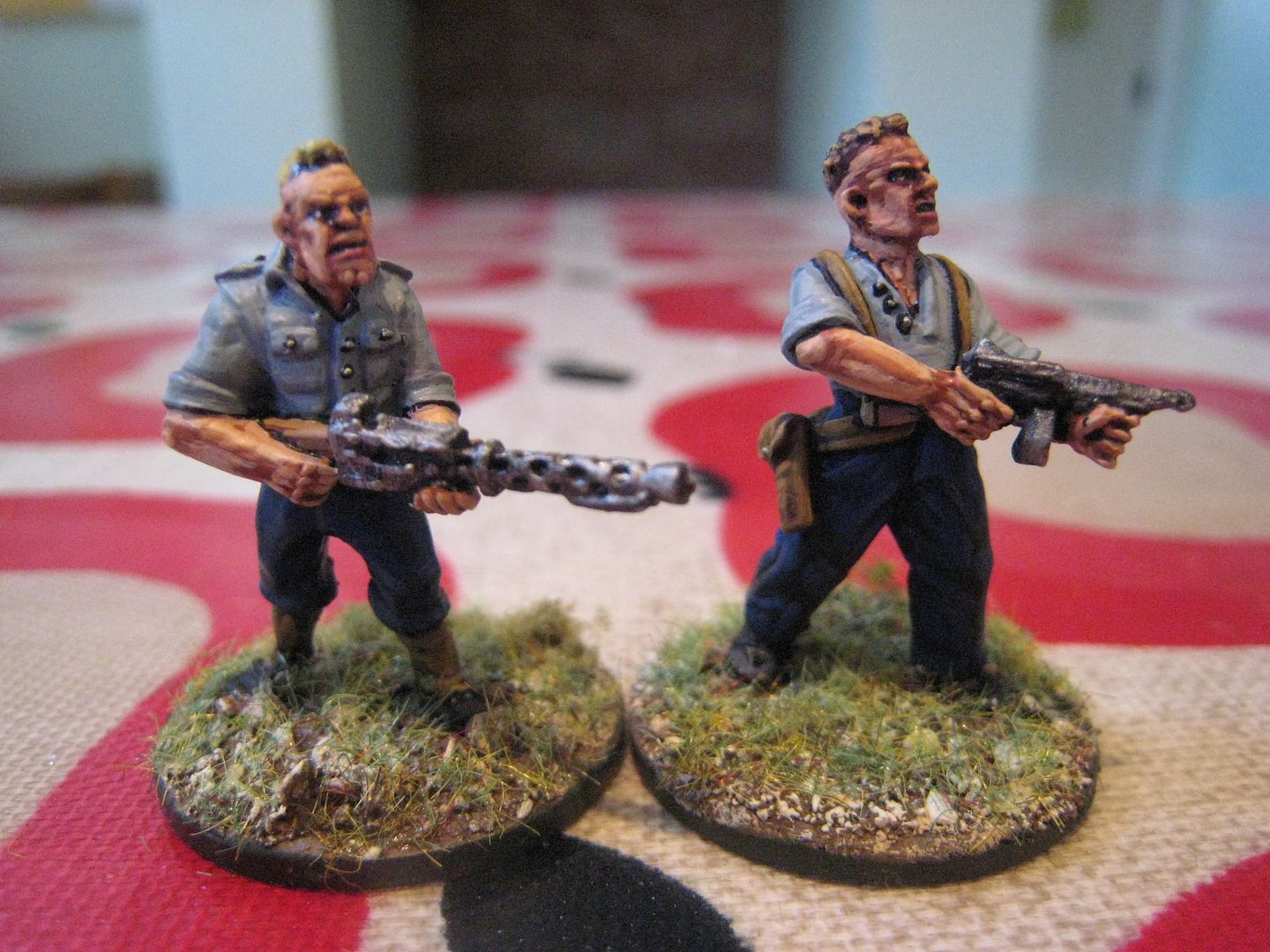
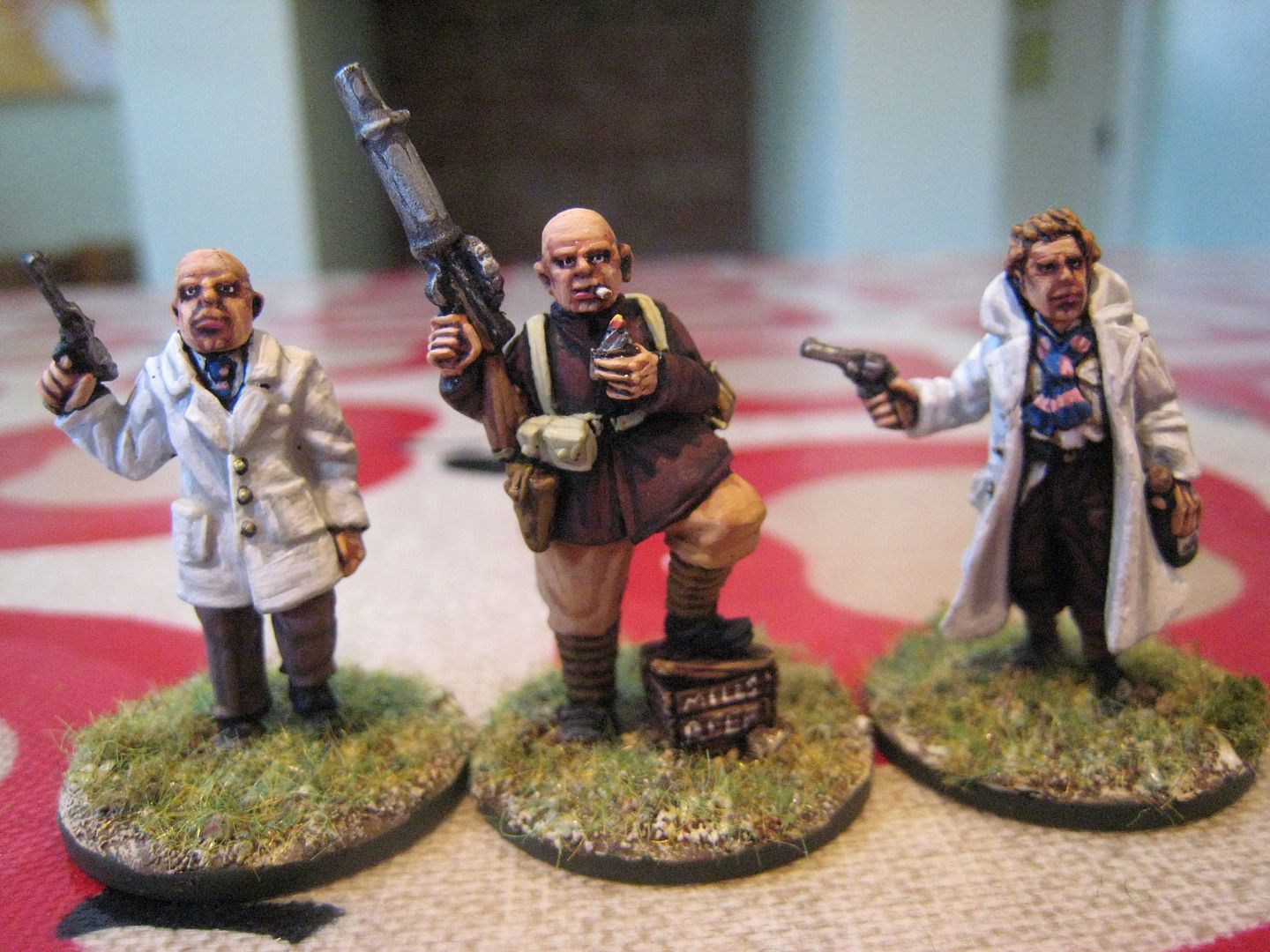
Choosing the figures wasn't all that difficult.  For Ants' unit I wanted people who looked like doctors, but I only found a couple of figures that could pass off as wearing labcoats.  Then it occured to me that many senior doctors in those days probably just wore suits, so there are a couple of chaps here who are "senior consultants".  There are two porters in blue-grey shirts and dark blue trousers (modelled on the uniform worn by militia in the NZ Wars) and then some "hangers-on".  I imagined the burly bald bloke to be the brother of the bald doctor in the white coat.  He's standing with one foot on a box, which I assume is meant to be ammunition but which I turned into a case of wine - the writing says "Mills Reef" which is the name of a winery based in Tauranga.  I tied a few of the figures together by painting accessories like scarves and ties in a blue and pink stripe, as a sort of "hospital colours"

The hospital porters
 
Senior Consultants
 
A doctor, his mercenary brother and Ants again
 
The North Island Welsh are just civilians and the odd bloke in some sort of uniform.  Most of the figures are from the Musketeer Miniatures VBCW range, with a couple from the Artizan "Thrilling Tales" range again.  The latter are a quite a bit chunkier than the former, but they mix ok if based individually. 


Cap'n Birdseye on the left looks very much like my father-in-law 
 
 
Unfortunately I ran out of time and didn't paint all the figures I had intended, so those extra ones travelled to NZ as raw metal.  For Ants I had added the heavy machine gun from Empress Miniatures Spanish Civil War range, which is crewed by women and so I thought this would be the nurses' unit (it also contains the standard bearer).  For Kerry I had another couple of figures and a pack of dogs from Westfalia Miniatures, as Kerry has a lovely dog who I envisaged faithfully following his master on the battlefield.  Once the figures were finished, I needed flags.  I did Ants' first: I searched the net for medical symbols I could use, hoping that either Tauranga Council of the NZ medical services would have some suitable coat of arms that I could use.  Unfortunately neither did, so I fell back on the traditional medical sign of a staff and snake, with some red crosses.  The scrolling effect looks awful - I really couldn't work out how to do it properly.  Kerry's flag was easier - it's basically the Welsh national flag without the red dragon in the middle - I decided painting that was biting off too much, really.  But I kept the "Welsh" in red lettering.  


So there you go.  The guys seem inspired to have a crack at this period.  I had assumed they'd forge their own NZ backdrop, but I gather they are building their campaign around Kiwi units landing in Wales.  Sounds a lot of fun.  The photos are a bit crappy again - they were taken in haste just before I left home to fly to NZ (I'm ashamed to say I was painting the flags while the Kiwi was doing all the packing)!  You can see other better ones taken by the lads themselves here and here.
 
18 figures. Painted November/December 2013.      

Sunday, 16 February 2014

Seventh year anniversary

Actually, this blog's 7th anniversary was a good 6 weeks ago, but I was in NZ at the time so couldn't post anything, and since then work has been worse than manic - hence the lack posts, I'm afraid.  I usually use this moment to reflect on the past year and make some plans for the forthcoming year.  The past few years have seen such plans becoming ever more tentative, as painting time continues to vanish and my attention wanders across various periods.  You'd have thought that reduced painting time would result in more focussed and concentrated effort, but I've found the exact revers - that I've butterflyed more rather than less.  Last year will also be remembered as the year when I began painting lots of figures for other people.  I don't intend to make a habit of that - the reality is that I have neither the time nor the inclination to take on commissions, but I am happy to do so in very particular circumstances.  As regular readers know, I'm working on various things for Bill Nevins and that will continue this year (his mass of finished 42nd Foot is pictures above.  I also painted 20 figures for my two friends who I visited in New Zealand, Kerry and Ants - more on those in a few days (and do visit Kerry's brand new wargaming blog here). 
 
My painting tally for 2013 is set out below, all 25mm:

- AWI:  115 foot (including 50 figures for Bill).

- 1815:  105 foot,  5 horses and 9 guns.

- ACW: 2 foot.

- Other: 69 foot.

That gives me 305 points, which is rather disappointing.  "Other" means South American Wars of Liberation, Great Paraguayan War and the stuff I painted for Kerry and Ants.  The first two are projects that kicked off last year as a result of new ranges being released.  I have flirted before with "Liberators" in 15mm (see here), using the excellent range produced by John Fletcher and Grenadier Productions.  Parkfield Miniatures began a range in 25mm a year or so ago and then Orinico Miniatures appeared last year.  My interest in doing this period in 25mm rather than 15mm was piqued by the Parkfield range and by further research which indicated that the size of units would be fine for 25mm (i.e. the 16-24 figures per unit that I prefer).  I bought a couple of packs of Orinico infantry on spec and I'm now close to finishing my first unit, of Irish volunteers.  Hopefully that will be on the website shortly.  As it happens, Osprey have just released an Essential History by John Fletcher on these wars, which is worth picking up if you're interested (together with his invaluable wargaming supplements). 

So plans for the next 12 months are as follows:

- continue with KMM highlanders and over the mountain men; I need to really get cracking on these;
- paint another 3 or 4 units for the Great Paraguyan War (figures purchased, I just need to paint them);
- finish command stands for my existing French 1815 brigades;
- make a decision on the Liberators project and which scale; perhaps paint up 3-4 units for each side;
- paint more Perry plastic AWI British/Loyalists;
- complete the Eureka Continental cavalry units I've had in the leadpile for a couple of years now and work out how the new Perry dragoons can be used;
- see what's in the First Carlist War leadpile and paint that.

So other than 3 command vignettes I don't plan on painting any Napoleonics this year.  I want to focus back onto the AWI and made a bit of progress with the other periods.   It's going to be a good year for the AWI - lots of figures from King's Mountain Miniatures, the new Perry Continental dragoons, Perry plastic Continental infantry out in April, and no doubt lots more metals from both Perry and Fife & Drum.  And, Steve Jones may be putting on an AWI game at Salute - how fab is that?!

My trial unit of King's Mountain Miniatures skirmishers is coming along nicely

Sunday, 19 January 2014

Back home...

...and glad that I'll never had to fly long-haul again with 2 under-4 year olds.  I had thought that the flight out, with Monty screaming for most of the way and Hugo being sick all over my shirt and trousers, was the worst day of my life.  But the past 24 hours, with the boys crying at regular intervals from 10pm onwards and then waking up for good at 2pm, was in some ways even worse.  It fell to me to deal with them as the Kiwi, poor thing, was suddenly very ill about 30 mins drive away from our house yesterday.  I've never experienced a "vomiting in taxi" moment before and so wasn't sure what the going rate is for a tip to cover cleaning - I gave the guy an extra £20 and he seemed ok.  Grief - I've never been more glad to be home.

Still, the holiday was good.  We had the best weather experience of all our NZ trips (this was my 6th visit), with hot sunshine for all but 3 or 4 days.  However, that was matched by our worst medical emergency experience - we had to consult doctors 3 times for the boys, and then a week before we left the Kiwi's mother was taken into hospital with suspected bowel cancer.  Luckily the problem turned out to be gall stones and she is now recovering well after surgery.  The boys contracted various viral infections, and poor Monty also had conjunctivitis at one point.  Luckily, my good wargaming friend and GP Kerry "Valleyboy" Thomas, who lives in the same city as the Kiwi's parents, stepped in to help the boys out.  I am very grateful to Kerry for opening his clinic on Boxing Day just for us so he could examine little Monty.  When Monty developed his eye problems we happened to be visiting a friend whose father was a retired surgeon, so he was able to write the appropriate prescription.  Those issues aside, I think the boys enjoyed themselves; the NZ sun and fresh air always seem to bring out the best in them.  We stayed in North Island - a week in Tauranga over Christmas to see the in-laws, then a week and a bit in Napier and Hawke's Bay (one of the main wine-producing regions), a few days in Rotarua and Taupo, then another couple of nights in Tauranga and finally a week in Waiheke Island and Auckland (Waiheke is another wine region, best known for boutique reds).  Here are a couple of views from the bedroom windows of the places we stayed in at Hawke's Bay and Waiheke:

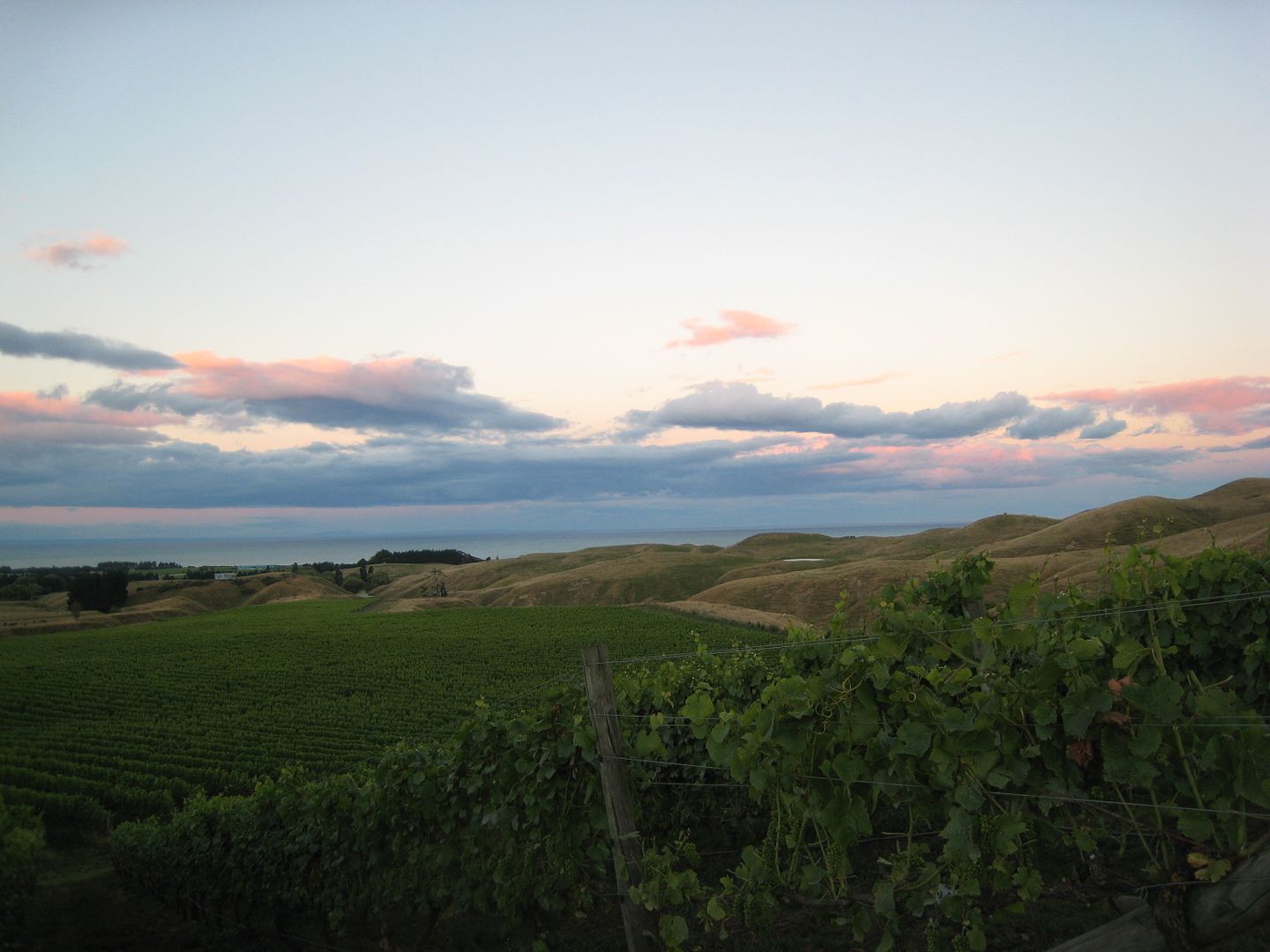
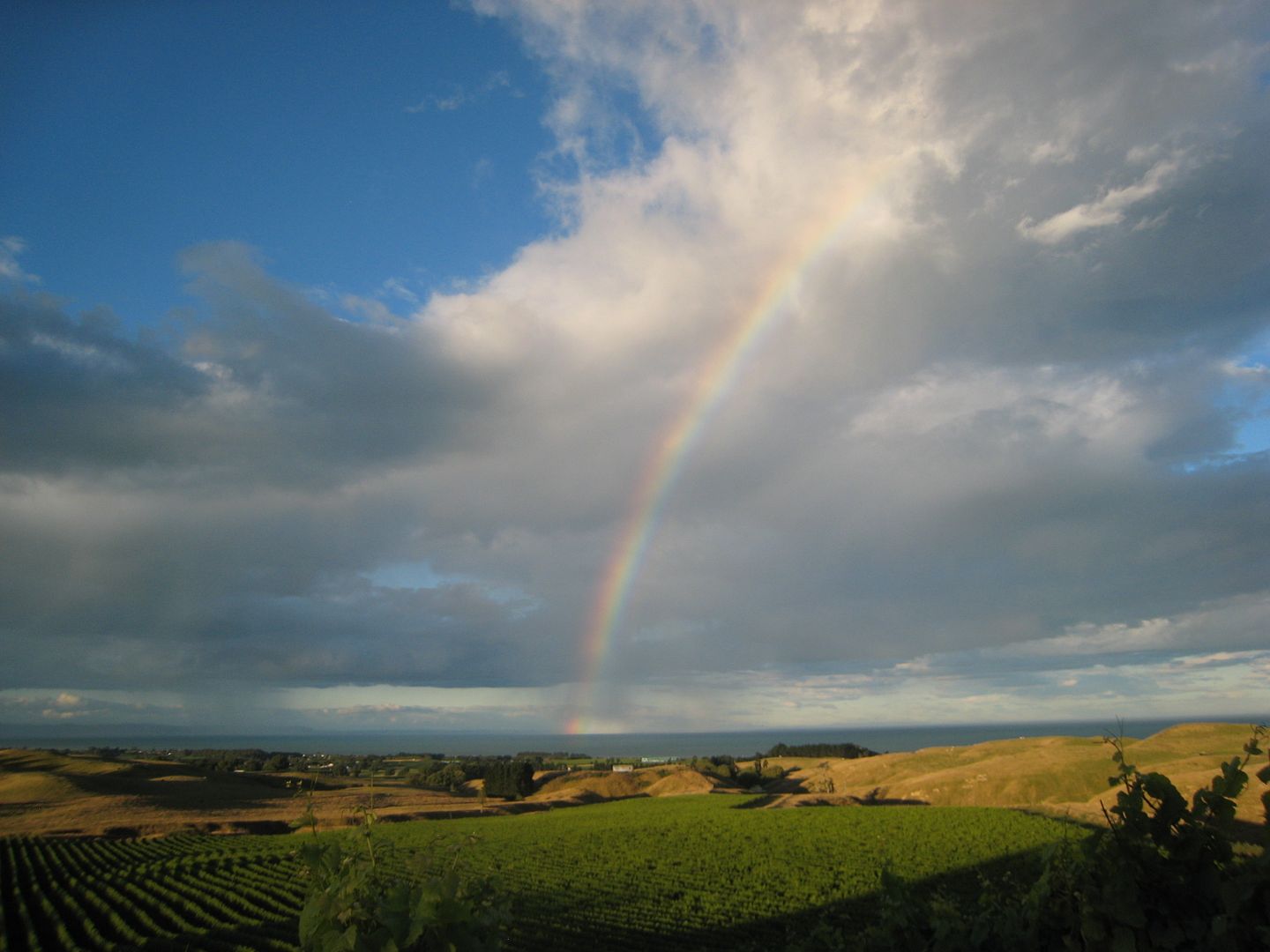
The view from our house down to the Te Awanga coast in Hawke's Bay
 
 
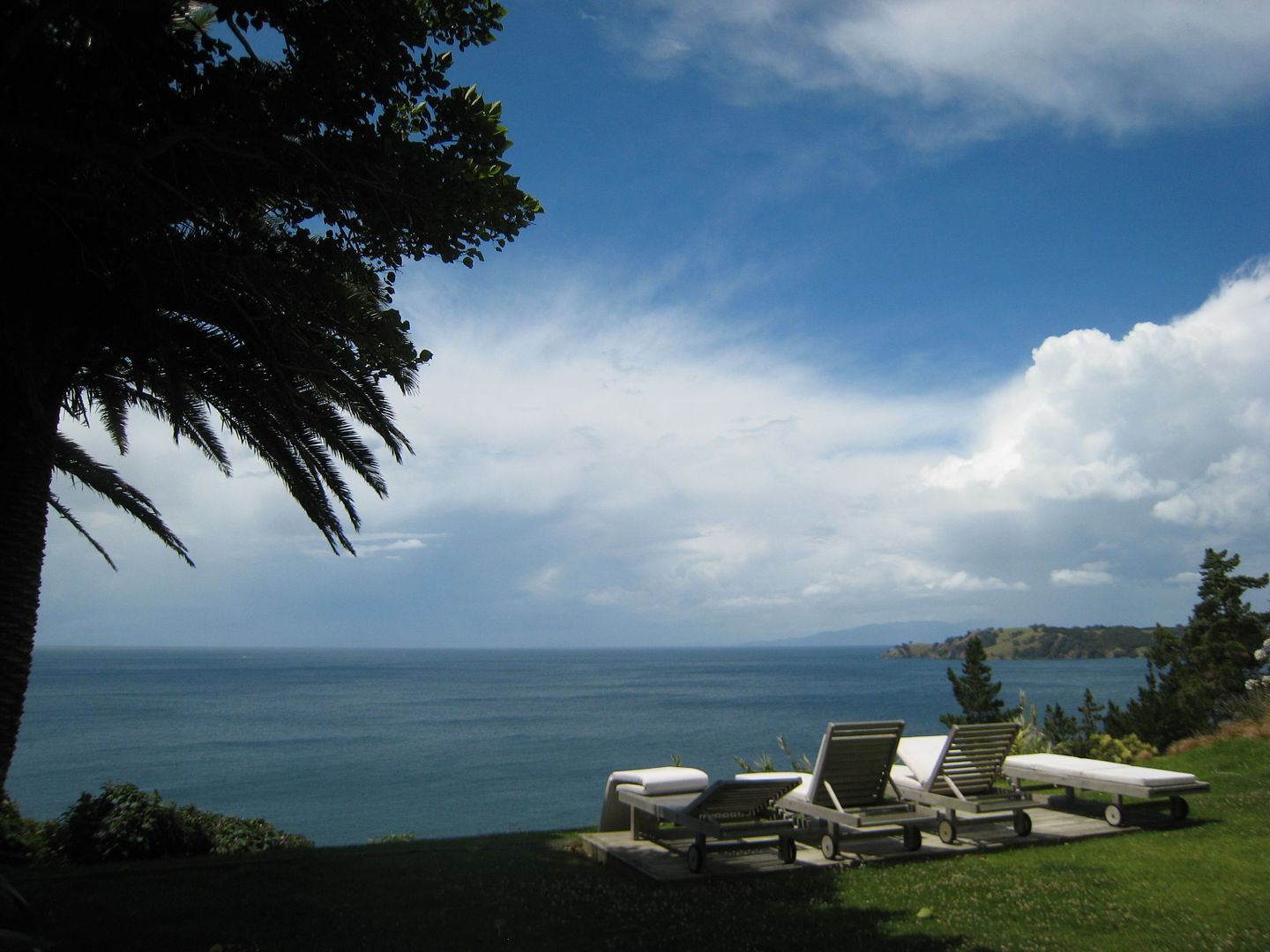
The view from Oneroa beach at Waiheke - next stop Fiji

When we visit NZ the Kiwi usually buys lots of clothes while I buy lots of books on colonial history.  I acquired a large stash this time, as a result of various sales - James Belich's account of the 1868-69 Taranaki campaign; Paul Moon's biography of Hone Hiki and the first volume of his trilogy on the 1820-50 period; a couple of books by Matthew Wright on the inter-Maori "Musket Wars" and the NZ experience in WW1; Keith Newman's two books on the influence of missionaries in the first half of the 19th century; and one or two other things.  I managed to have a game with Valleyboy and Captain Chook which I'll post about later.  I'll have some photos of Maori stuff which should be useful for the NZ Wars, and of Kiwi trees and flora.

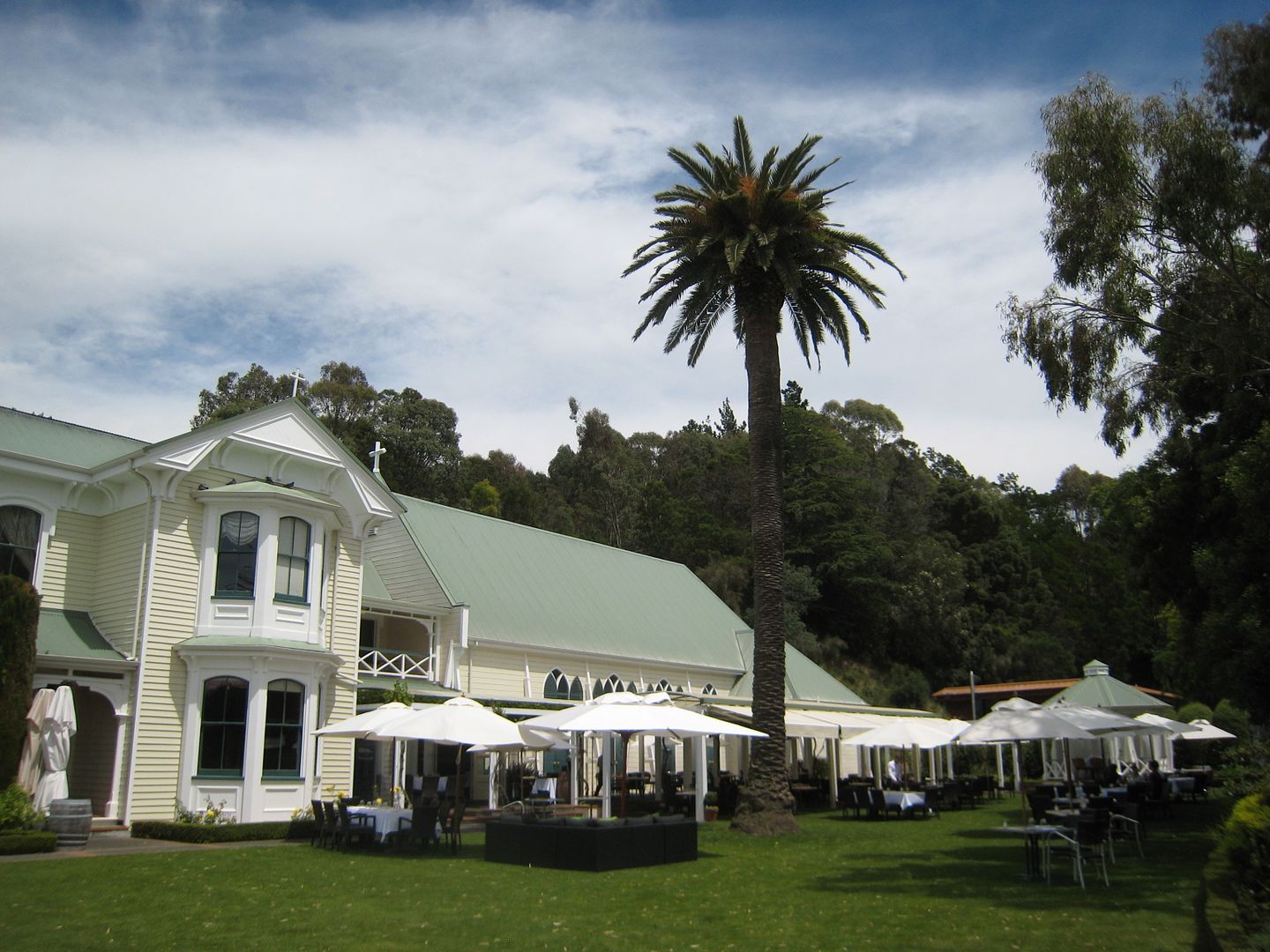
But as always the trip was also all about the wine.  There was an early disappointment when I saw that the Emirates lounge at Heathrow is now serving Veuve Cliquot champagne instead of Bollinger, which they used to do (although that said it was Veuve Cliquot 2004, which was pretty good).  However, Emirates redeemed themselves on the return leg by serving an excellent Californian marsanne/viognier blend in Dubai - the Treana White from Hope Family Wines (Emirates always have a good US wine somewhere).  In NZ I was pleased to see that rose wine is back in fashion (the best roses are made by Esk Valley, Elephant Hill, Black Barn and Cable Bay - all made from merlot and malbec rather than pinot noir; the latter is a common base for roses, particularly those from the South Island, but I don't think pinot really works), and I noted that there are many more NZ sparkling wines than before.  I also enjoyed being reacquainted with North Island sauvignon blancs - most of the NZ savs that are exported come from the South Island, particularly Marlborough which is where the classic "gooseberry and cut grass" wines come from, but savs from the North are more rounded, weightier and less "acidic" than their southern counterparts; that makes for a very pleasant change of style.    Wineries of the trip were Two Paddocks and Gibbston Valley: not places that we visited as they are in Central Otago in South Island, but I've wanted to try their wines for years and finally managed to do so.  Two Paddocks is owned by the actor Sam Neill and Gibbston Valley was one of the first wineries to plant grapes in Otago.  Both produce fantastic, but expensive, pinot noir.  In Hawke's Bay I visited Crossroads, which is one of the wineries that my friend Malcolm Rose of the Ten Figures a Week blog represents in the UK.  We also had lunch at Mission Estate (above left) which is where the Kiwi and I were married in March 2009.

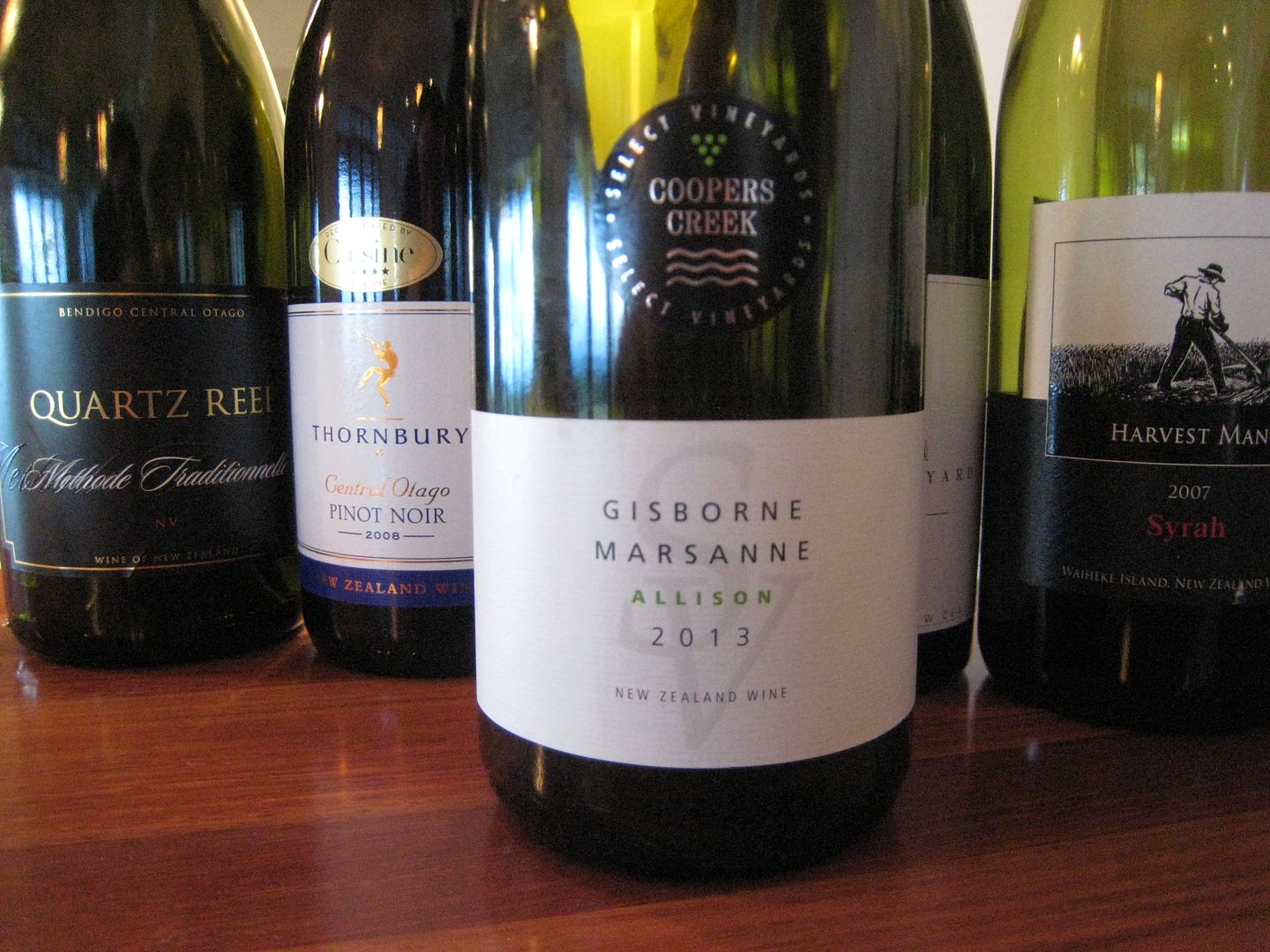
Coopers Creek's excellent "Allison" Marsanne 

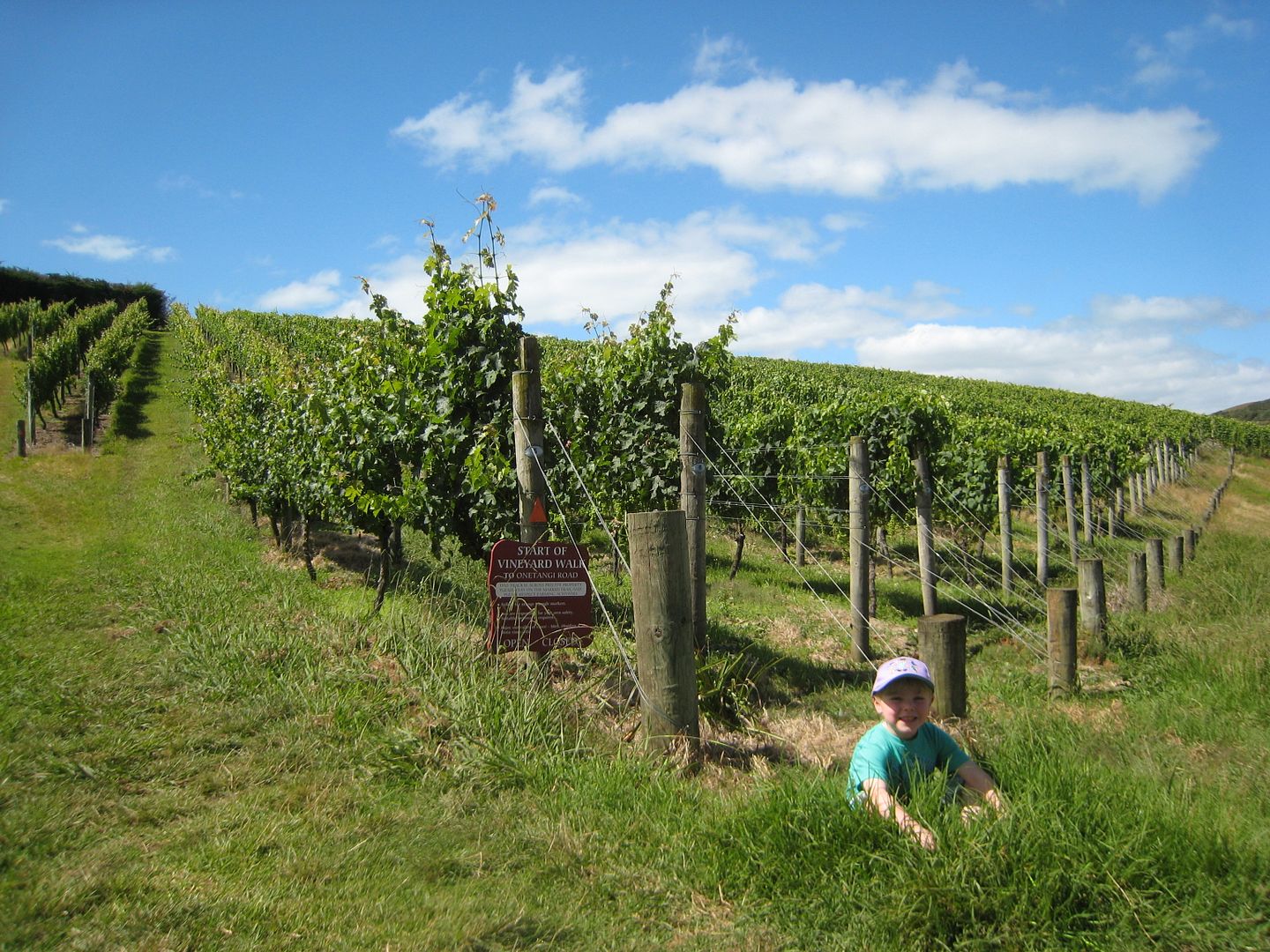
I had tasting flights at 15 wineries in total, although we visited a few more for lunch or dinner, and I tried (so had at least one glass of) 129 different wines in total; all carefully, and rather anally, written up in the tasting notes books that I have used for almost 10 years' worth of holidays now.  Hugo got into the spirit of cellar door visits by sniffing wines - although he tended to described white wines as smelling like "wee-wee" (which is probably accurate for some North Island sauvignon blancs), Hugo became quite good with red wines.  At Black Barn in Hawke's Bay he described their malbec as smelling like "plums" and their rose as "strawberries"; unfortunately he then let himself down by saying their top red smelt like "poo-poo".

           
Hugo contemplates a career in the wine trade


Anyway, for those who are interested in such things, wine highlights were as follows: Cable Bay "Five Hills" 2006; Yealands Estate Gruner Veltliner 2012; Elephant Hill "Airavata" Syrah 2009; Ngatawara Stables Reserve Sauvignon Blanc 2013; Esk Valley Reserve Syrah 2006; Palliser Estate Sauvignon Blanc 2013; Clearview "White Caps" Chardonnay 2012; Villa Maria Single Vineyard Taylors Pass Sauvignon Blanc 2013; Villa Maria Single Vineyard Southern Clays Sauvignon Blanc 2013; Sileni "The Peak" Syrah 2006; Te Mata "Coleraine" 2007; Fromm Clayvin Vineyard Pinot Noir 2005; Kennedy Point "Cuvee Eve" Chardonnay 2013; Passage Rock Reserve Syrah 2010; Man O War "Ironclad" 2009; Gibbston Valley Pinot Gris 2012; Trinity Hill Touriga 2007; and anything by Craggy Range.